Selayar Island
"Selayar felt like the reward for every wrong turn and delayed ferry that got me there."
The island at the very bottom tip of Sulawesi that almost nobody visits, holding one of the healthiest reef systems I've dived anywhere in the country.
Selayar sits just off the southern tip of the Sulawesi mainland, separated from Bira by a strait narrow enough that on a clear day you can see one coastline from the other, and yet it gets a tiny fraction of the visitors. I took the car ferry across from Bira, a crossing of a couple of hours that costs almost nothing and comes with the kind of ocean views most people pay resort prices for, and landed in Benteng, the island’s low-key main town, without another foreign face in sight. That was true for most of the week I spent there.
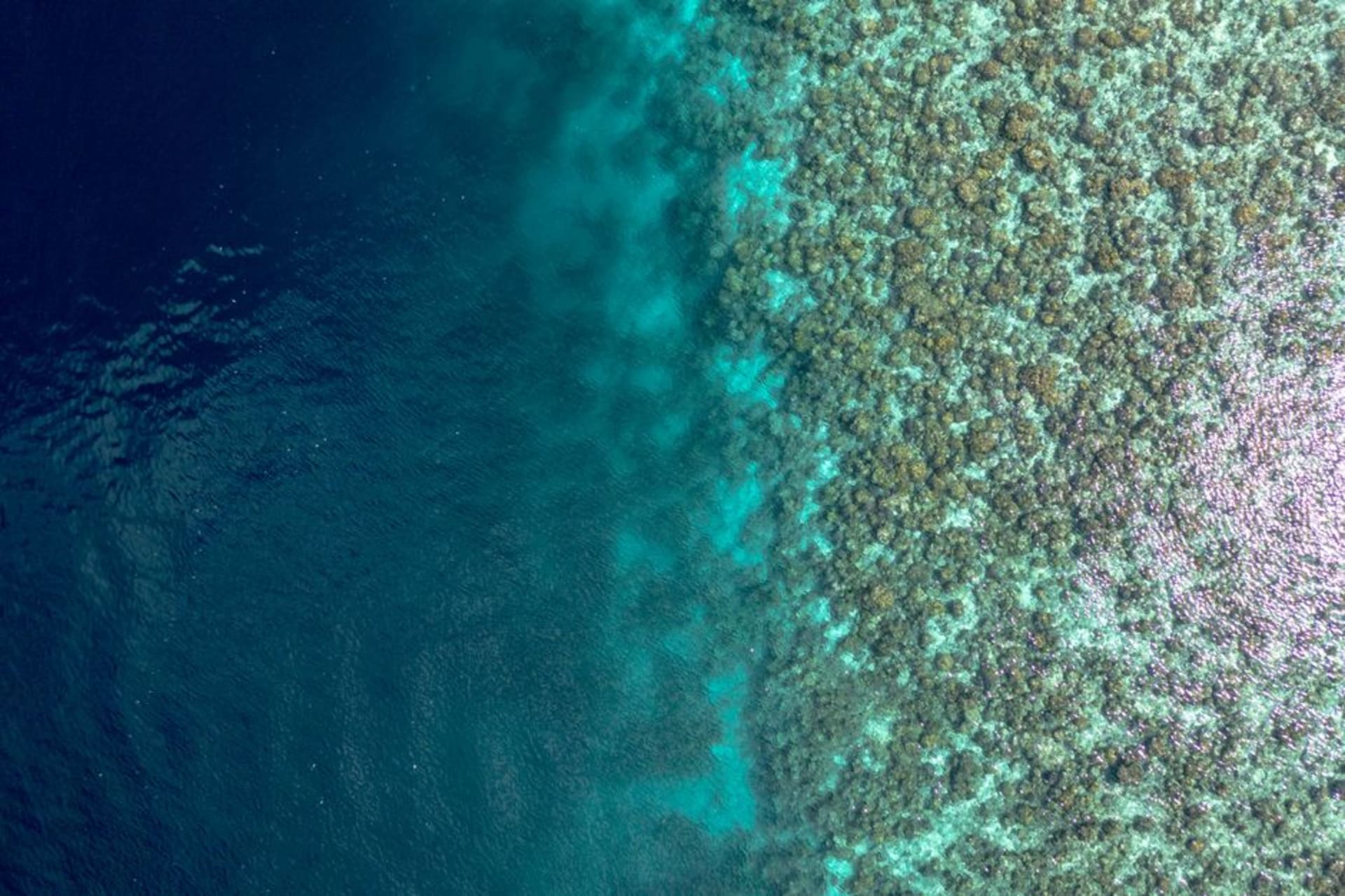
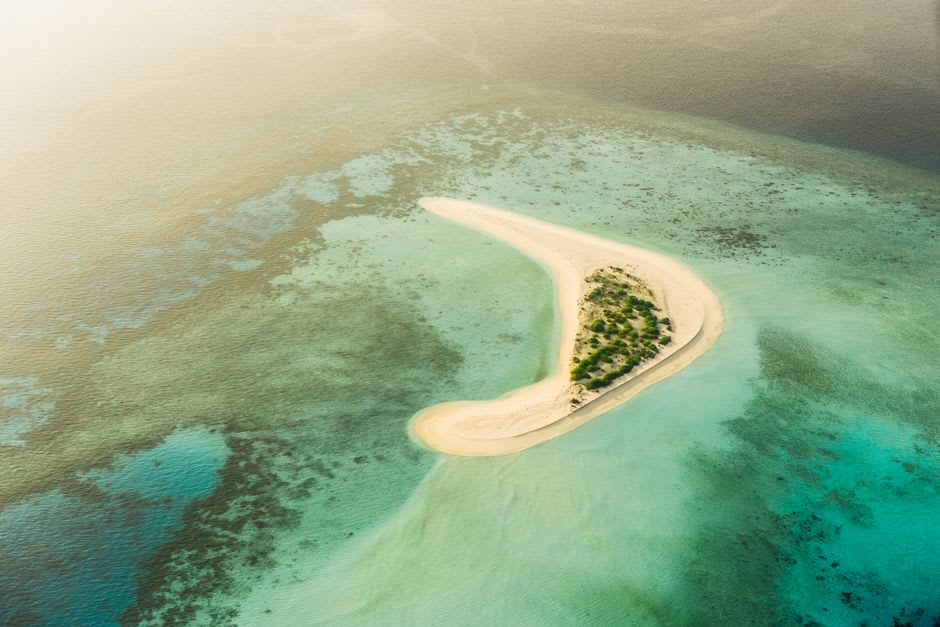
The island’s real draw is Taka Bonerate, one of the largest atolls on the planet — larger than the Maldives’ biggest, by most measurements — a scattering of coral islets and reef flats gazetted as a national marine park in 2001. Getting there requires a further boat trip from Selayar’s main island, usually chartered through a guesthouse or one of the handful of small dive operators based in Benteng, and once you’re out there the isolation is total. I dove three separate sites over two days and saw exactly one other boat. The coral cover was some of the healthiest and most varied I encountered in Sulawesi — thick stands of table coral, fields of soft coral swaying in current, and a density of reef fish that made me stop checking my dive computer just to watch.
History hiding in plain sight
Selayar has a history that far outweighs its current obscurity. It sat directly on the old spice and slave trade routes linking the Moluccas to Makassar and beyond, and the island’s museum in Benteng — modest, underfunded, entirely worth the visit anyway — holds a genuinely significant artifact: a Ming dynasty bronze drum, thought to date to the early fifteenth century, tied by some historians to Chinese trading or even exploratory contact with the region well before European ships arrived. Standing in front of a case holding a five-hundred-year-old bronze drum in a near-empty museum on an island most people can’t find on a map was one of those moments that recalibrates how you think about “remote.”
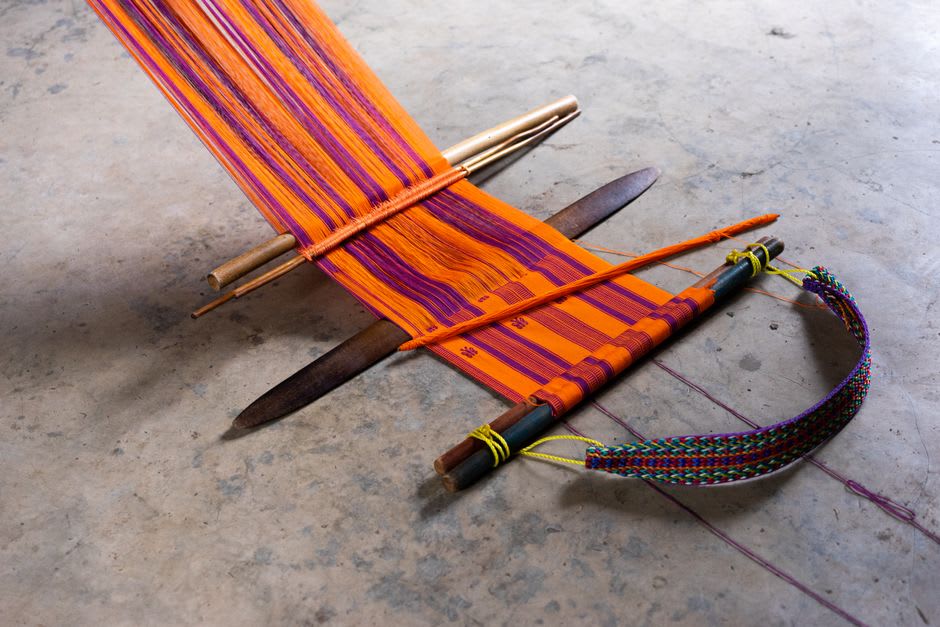
The island’s interior holds its own surprises too — cengkeh (clove) plantations climbing into hills that stay noticeably cooler than the coast, and small villages where Konjo-speaking communities, a Bugis-related ethnic group specific to this part of South Sulawesi, maintain traditions around boatbuilding and weaving that have largely faded elsewhere in the province. I spent an afternoon watching a woman weave sarong cloth on a backstrap loom set up on her porch, the same technique, she told me through a mix of Indonesian and gestures, her grandmother had used.
Selayar isn’t easy. Infrastructure is basic, English is rare, and you need to plan boat logistics with patience rather than a fixed itinerary. But for the same reasons Togean rewards the effort of getting there, Selayar does too — maybe more so, since even Indonesian tourists rarely make the crossing. I left with the distinct feeling I’d found something the rest of the country hasn’t caught up to yet.
When to go: April through October gives the calmest seas for the Taka Bonerate crossing and the best underwater visibility; the ferry from Bira can be unreliable during the December to February monsoon.