Sabang (Pulau Weh)
"Kilometer zero of an entire country, and nobody there but a few fishermen and a very persistent monkey."
The westernmost point of Indonesia, a volcanic island where the ferry ride matters as much as the destination and the reefs are still recovering their color.
There’s a concrete marker on the northern tip of Pulau Weh — Tugu Kilometer Nol, Kilometer Zero — that claims to mark the westernmost point of Indonesia, the spot from which the country’s entire east-west sprawl, some 5,000 kilometers to Papua, is officially measured. Whether it’s precisely accurate is the subject of some good-natured local debate, but that’s not really why people make the trip up the steep, switchbacked road to see it. You go because the view from up there, with the Andaman Sea stretching toward nothing in particular and a small souvenir stall selling certificates proving you made it, feels like standing at the literal edge of a country you thought you already understood the shape of.
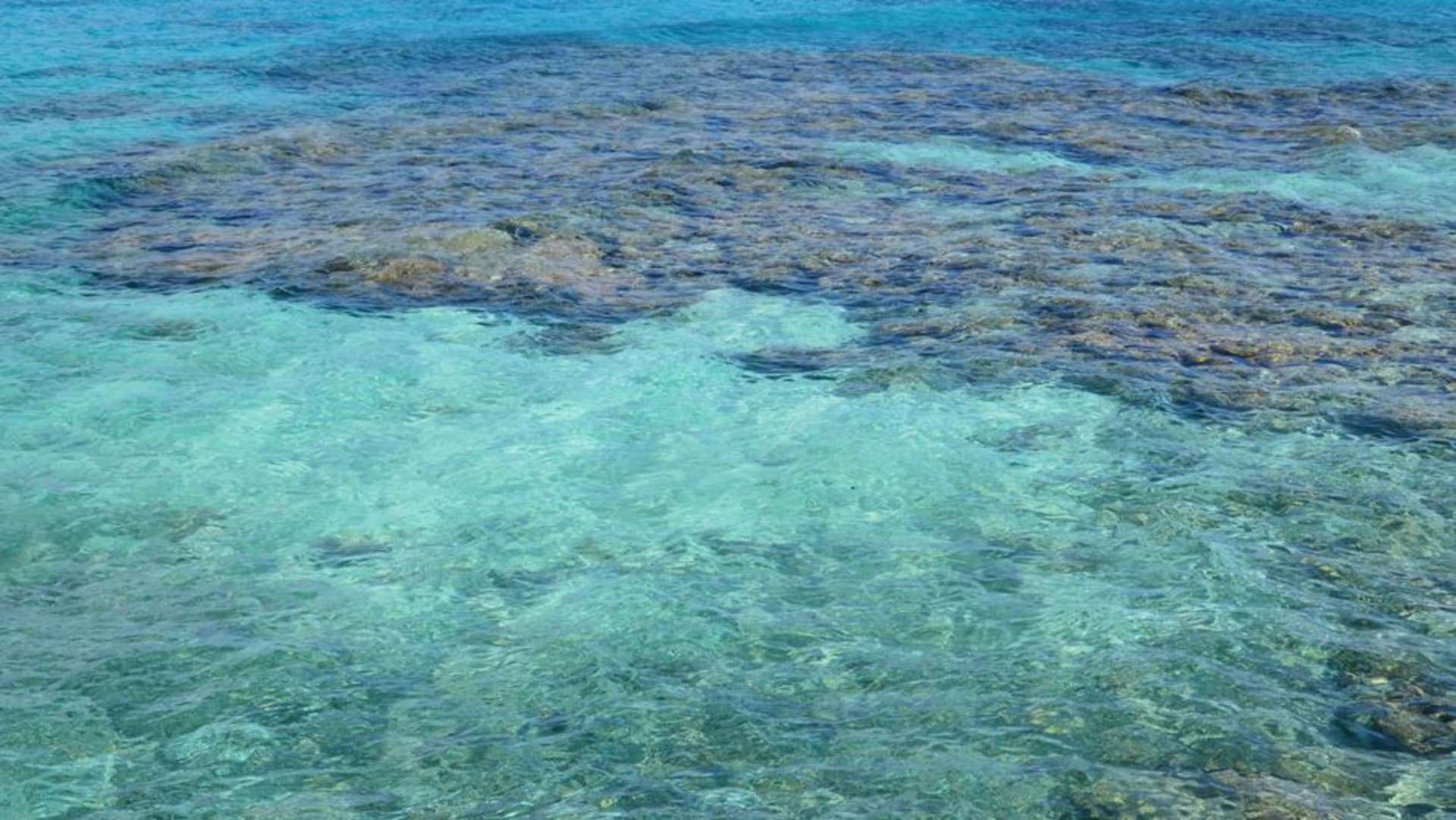
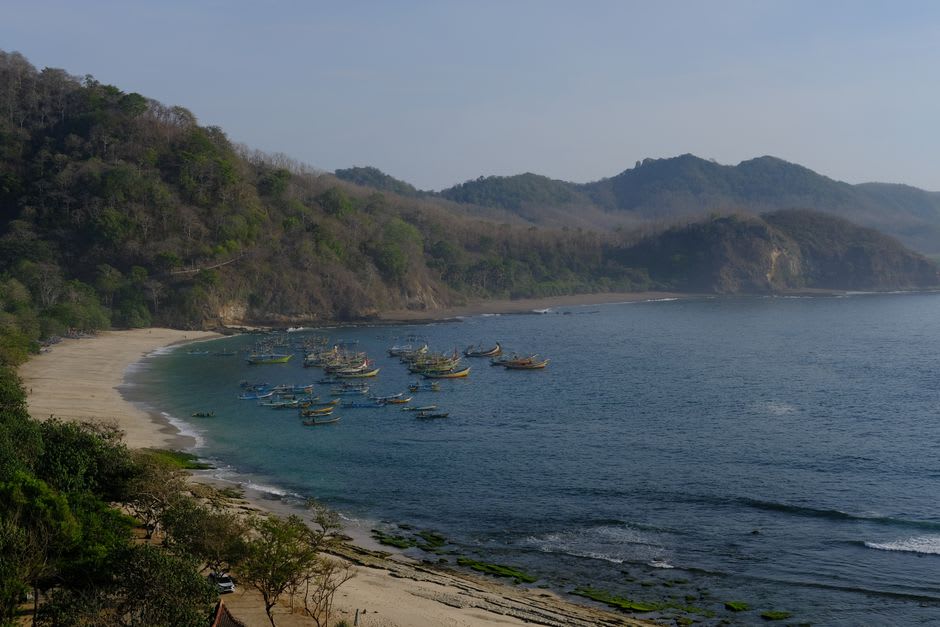
Getting to Sabang means first getting to Banda Aceh and then boarding a ferry — a slow car ferry or a faster passenger boat — across the Sabang Strait, about 45 minutes of open water that can turn choppy fast. I took the slow ferry once, mostly by accident, and stood on the open deck watching Pulau Weh resolve out of the haze: dense green hills dropping straight into water so clear it looked artificially lit from below. The island is volcanic, part of the same geological chain that runs the length of Sumatra, and its underwater topography — steep drop-offs, hot vents, and pinnacle reefs — is exactly what makes it one of the best diving destinations in Indonesia that almost nobody outside the diving community has heard of.

Rumah Cut and a coastline still healing
The 2004 Indian Ocean tsunami hit Aceh harder than anywhere else on earth, and Sabang, though somewhat sheltered by its position, wasn’t spared — Gapang and Iboih, the two beach villages most visitors base themselves in, lost boats, buildings, and lives that morning. What I found most moving wasn’t a memorial, though there are some, but the ordinary fact of the rebuilding: small dive shops and homestays run by families who stayed, coral gardens that conservation groups and dive operators have spent two decades nursing back after the wave scoured sections of reef bare. Iboih in particular has become a hub for that kind of quiet, community-run conservation work, alongside Rubiah Island just offshore, a marine sanctuary you can reach by a five-minute boat hop where the snorkeling rivals anything I did diving.
Sabang’s other identity, easy to forget on the beach, is as a free trade port with a genuinely cosmopolitan past — the Dutch built it up as a major coaling station for ships transiting the Strait of Malacca in the early 20th century, and the town center still has the bones of that era in its older colonial buildings, even if the grand harbor trade has long since moved elsewhere. Acehnese culture here carries the region’s distinct Islamic character, more conservative than Bali or much of the rest of Indonesia, and visiting respectfully — modest dress in town, awareness during prayer times — is simply part of being a good guest on Pulau Weh, same as it is across mainland Aceh.
When to go: January to April offers the calmest seas and best diving visibility; avoid the monsoon months of September through November when swells make the crossing and the reefs rougher going.