Kuta Lombok
"The same name as Bali's most notorious beach, and almost nothing else in common."
Not that Kuta — a scatter of crescent bays and cliff-top surf breaks on Lombok's dry, scrubby south coast, still figuring out what it wants to become.
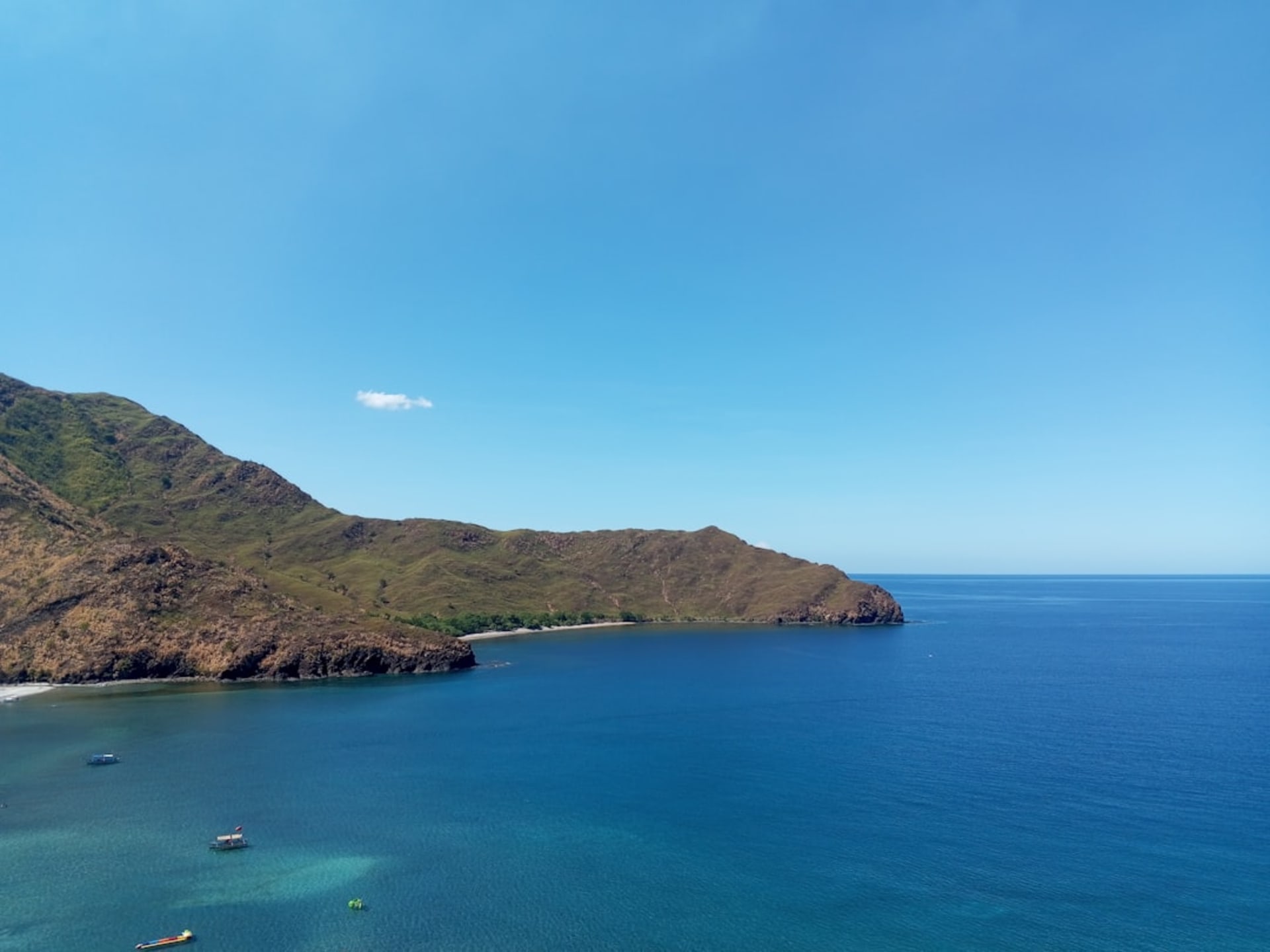
The first thing I had to get straight with everyone back home was that no, I was not talking about that Kuta. Lombok’s Kuta shares a name with Bali’s tourist-strip nightmare purely by coincidence — both derive from the old word for a small port or bay — and the two places could not be less alike. Where Bali’s Kuta is wall-to-wall bars and traffic, Kuta Lombok is dry savanna hills rolling down to a scatter of nearly empty coves, the landscape looking more like a corner of Australia’s coast than the lush green postcard version of Indonesia most people expect. Lombok sits in a rain shadow that keeps its southern half notably drier and browner than Bali just across the strait, and the effect is startling if you’ve come straight from Ubud’s rice terraces.
Surfing put Kuta on the map decades before anyone here had heard the word “boutique.” Breaks like Are Guling, Mawi, and Gerupuk scattered along the coastline drew a small, dedicated crew of Australian and European surfers through the 1980s and 90s, chasing waves that were, by every account, world-class and completely uncrowded — a description that increasingly does not apply, though it’s still nowhere near Bali’s lineups. Gerupuk Bay in particular has turned into a functioning surf economy, with local boatmen ferrying surfers out to breaks named Pelawangan, Dondon, and Outside, each suited to a different swell and skill level, and it’s one of the few places I’ve traveled where the boat drivers seem to know the swell forecast better than the surf schools do.
Bukit Merese and the road that changed everything
The hill everyone climbs is Bukit Merese, a short, steep grass headland east of the main beach that turns gold in the late-afternoon light and gives a 360-degree view over three or four half-moon bays at once — it’s a genuinely unfair amount of coastline to take in from one hill, and it’s free, which in my experience is a rare combination on Lombok these days.
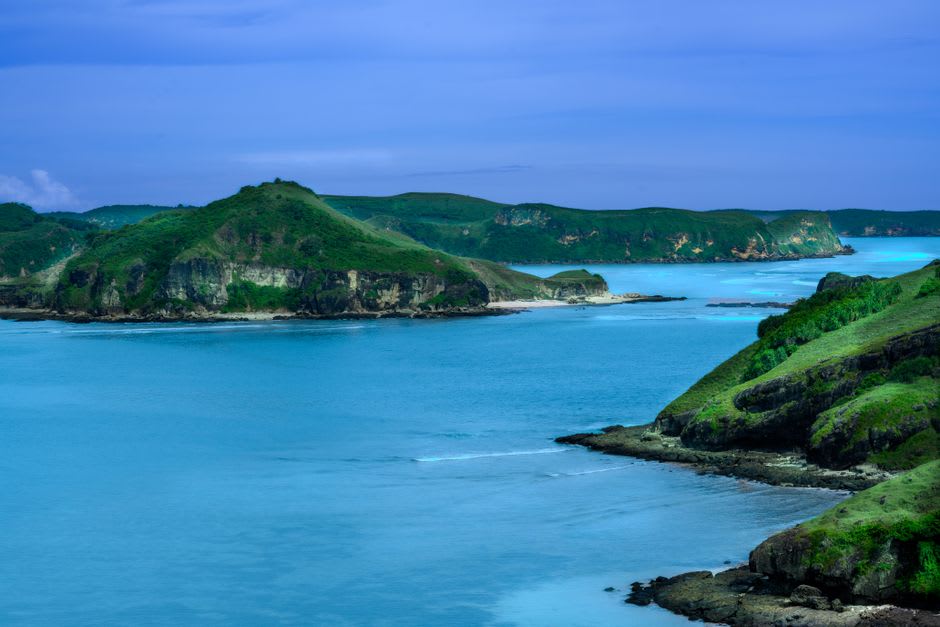
The real transformation, though, came with the Mandalika Special Economic Zone — a government-backed development covering thousands of hectares just east of the village, complete with a MotoGP-certified circuit that has hosted the Indonesian Grand Prix since 2022. It’s an odd thing to watch unfold in real time: international hotel chains and a racetrack rising out of scrubland that ten years ago had a handful of homestays and one road in. I stayed at a small family-run losmen where the owner, whose grandfather fished these waters, told me flatly that half the village had sold land to developers and the other half was waiting to see if it was worth it. Nobody I spoke with seemed entirely sure yet.
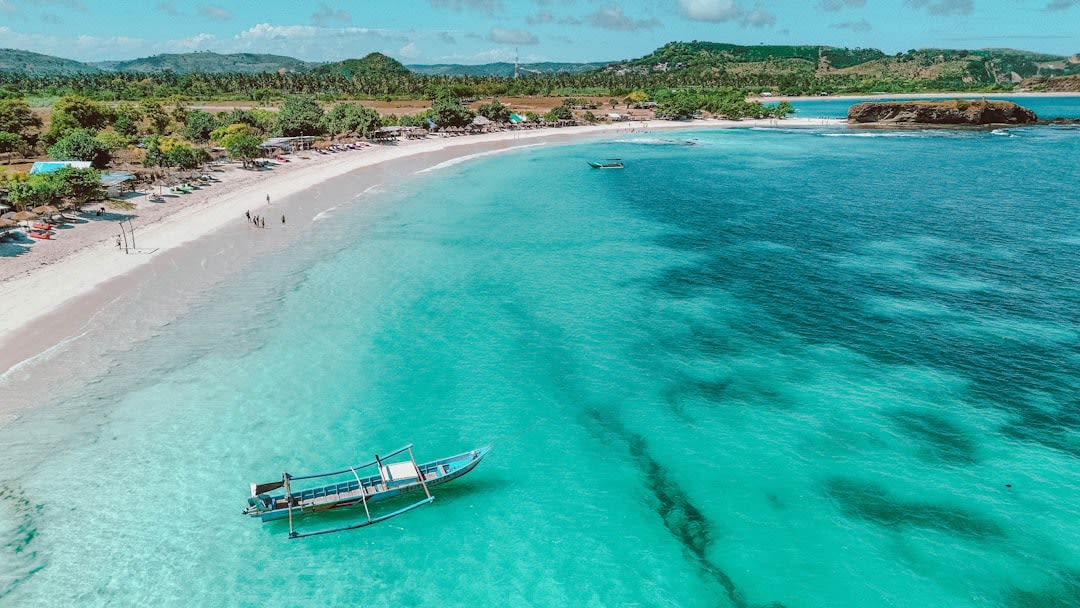
What I liked best was the pace outside the Mandalika perimeter — the Sasak villages inland still growing tobacco and weaving ikat textiles the traditional way, the roadside stalls selling grilled corn and nothing else, the total lack of anyone trying to sell me a boat party. That’s changing, visibly, year over year. I’d go now rather than wait for the version of Kuta Lombok that the racetrack is clearly building toward.
When to go: June to September for the best surf swells and driest weather, though the MotoGP weekend (usually October) sends prices and crowds through the roof — avoid it unless that’s specifically why you’re going.