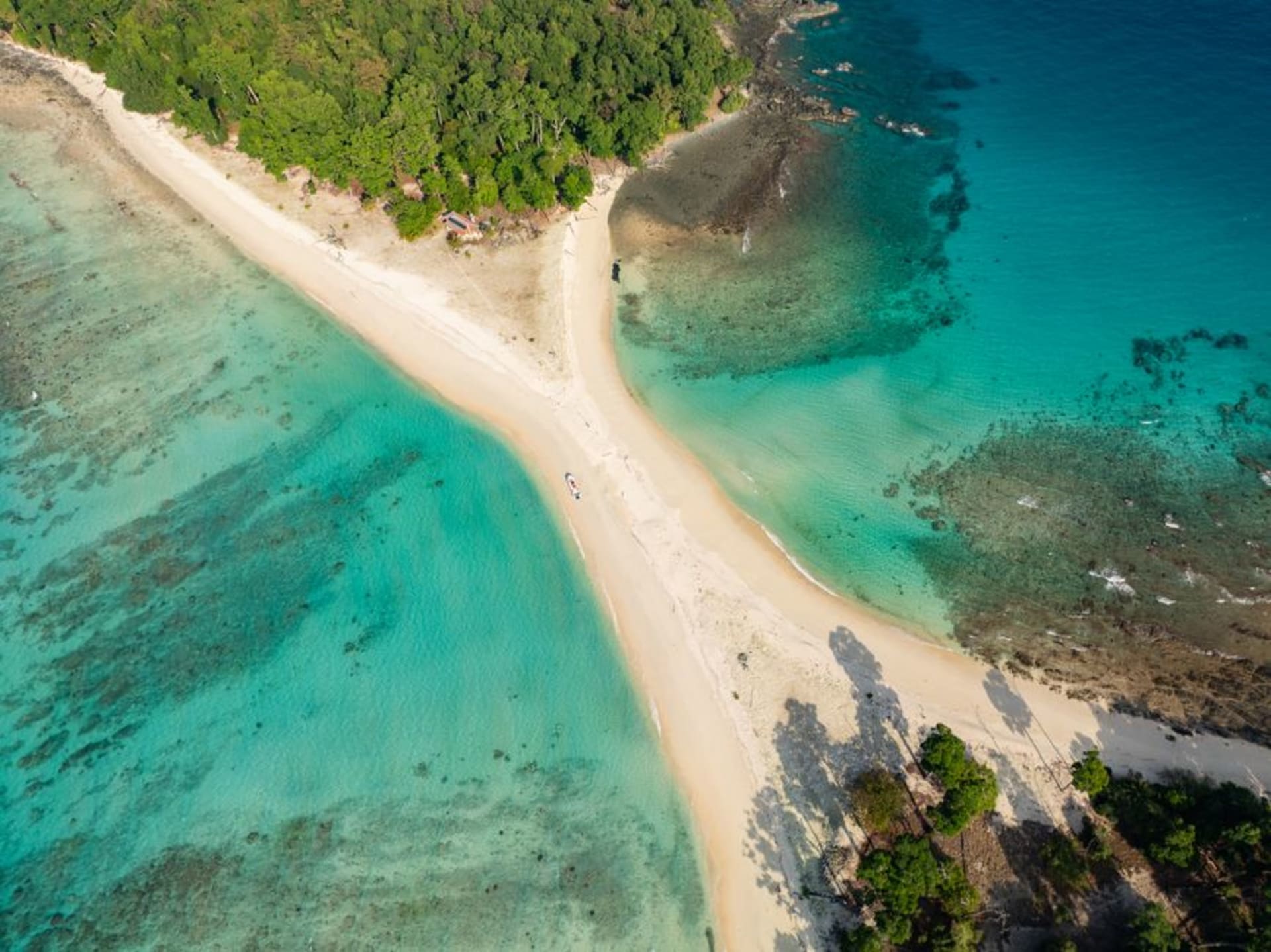
Karimunjawa Islands
"Somewhere between Jepara and nowhere, the Java Sea turns the color of glass."
A scatter of coral atolls in the Java Sea that Semarang barely advertises to its own tourists — which is exactly why the water stayed this clear.
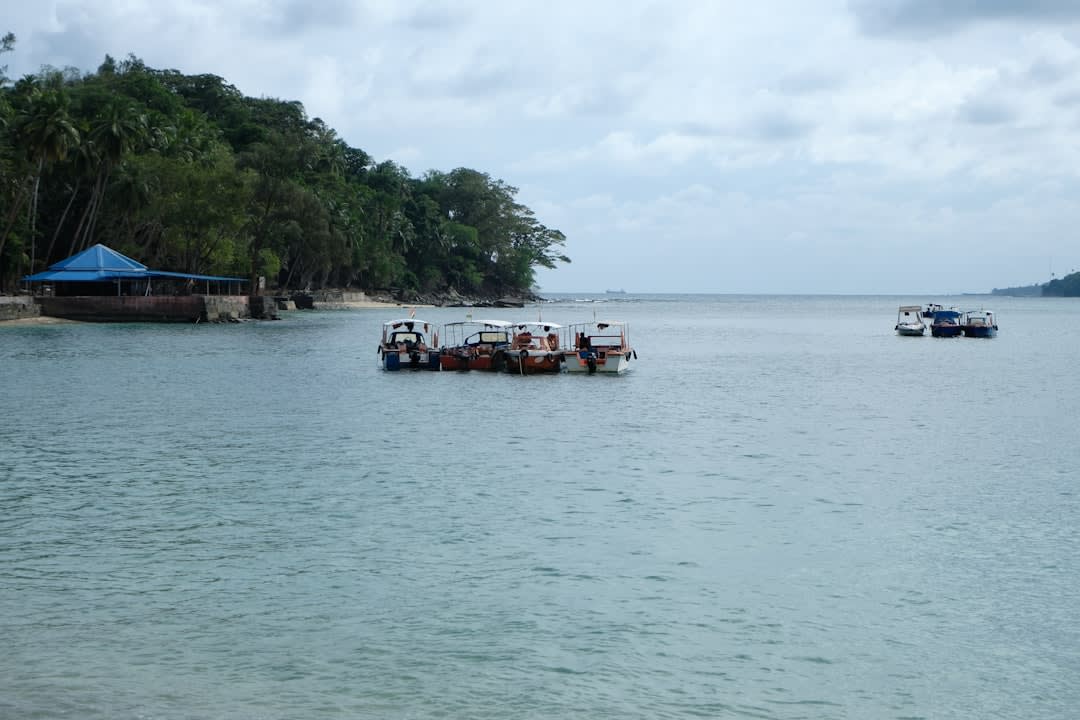
I almost didn’t make the crossing. The ferry from Jepara — the mainland port most people use to reach Karimunjawa — has a reputation for cancelling without warning when the Java Sea kicks up, and mine sat in port for six hours while the harbor master decided whether the swell was survivable. It was, eventually, and three hours later I was standing on a jetty on Karimunjawa Island watching a fisherman untangle a net full of parrotfish, wondering why so few Indonesians I’d met in Semarang had even heard of this place.
That’s the strange thing about Karimunjawa. It’s a national park — 27 islands and their surrounding reefs, protected since 1986 and gazetted as a marine park in 2001 — sitting less than a hundred kilometers off the coast of Central Java, one of the most densely populated stretches of land on earth. And yet it stayed quiet for decades, a footnote compared to Bali or the Gilis. Local legend has it that Sunan Muria, one of the nine Islamic saints credited with spreading Islam across Java, sent his son here as punishment, and the boy looked back at the mainland and pronounced it “kremun-kremun,” barely visible, hazy in the distance — which is where the name supposedly comes from. Whether or not that’s true, it captures something real: this archipelago has always existed at the edge of Java’s attention, close enough to reach, far enough to forget.
Islands within islands
Only five of the 27 islands are inhabited, and the main island itself is where most life happens — a small town of maybe ten thousand people, many descended from Bugis and Madurese seafarers who settled here generations ago alongside Javanese fishing families. I rented a motorbike and rode the island’s single loop road in an afternoon, past mangrove boardwalks and a turtle conservation pond where rangers raise hatchlings before releasing them, stopping wherever the coastline opened up.
The real draw is the water between the islands. I hired a boat for a day trip to Menjangan Kecil and Cemara Besar, two of the uninhabited islets ringed by reef flats so shallow you can wade a hundred meters out and still see your feet. The snorkeling here won’t rival Raja Ampat — nowhere really does — but it doesn’t need to. The coral gardens around Menjangan are healthy in a way that’s increasingly rare in Indonesia, thick with staghorn formations and clouds of damselfish, and I spent an hour just floating above one bommie watching a hawksbill turtle graze, entirely unbothered by my presence. On Cemara Besar, someone had built a floating dock with nothing but sea on either side, and I sat there eating grilled fish a boatman had cooked over coconut husks, the whole scene so quiet I could hear the coral crackling underwater.
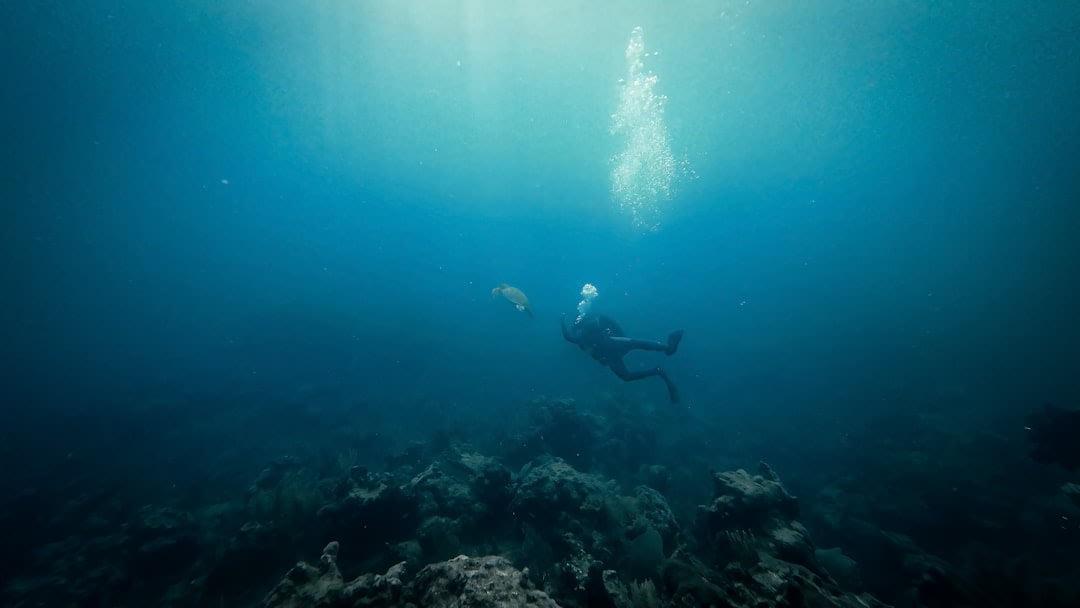
There’s a shipwreck too — the Indono, a cargo vessel that sank decades ago and now sits in shallow enough water for even nervous snorkelers to explore, its hull colonized by soft corals and schools of fusiliers moving through the old cargo holds like they own the place. Which, by now, they do.
When to go: April through October, during the dry season, when the sea is calmest and the Jepara ferry runs reliably. Avoid December through February, when monsoon swells regularly cancel crossings for days at a time.