Ambon
"Europe fought three centuries of wars over the hills around this bay, and almost nobody who visits today knows why."
The old spice-war capital of the Malukus, still ringed by clove-scented hills and a bay full of the strangest small creatures I've ever put a mask in the water to find.
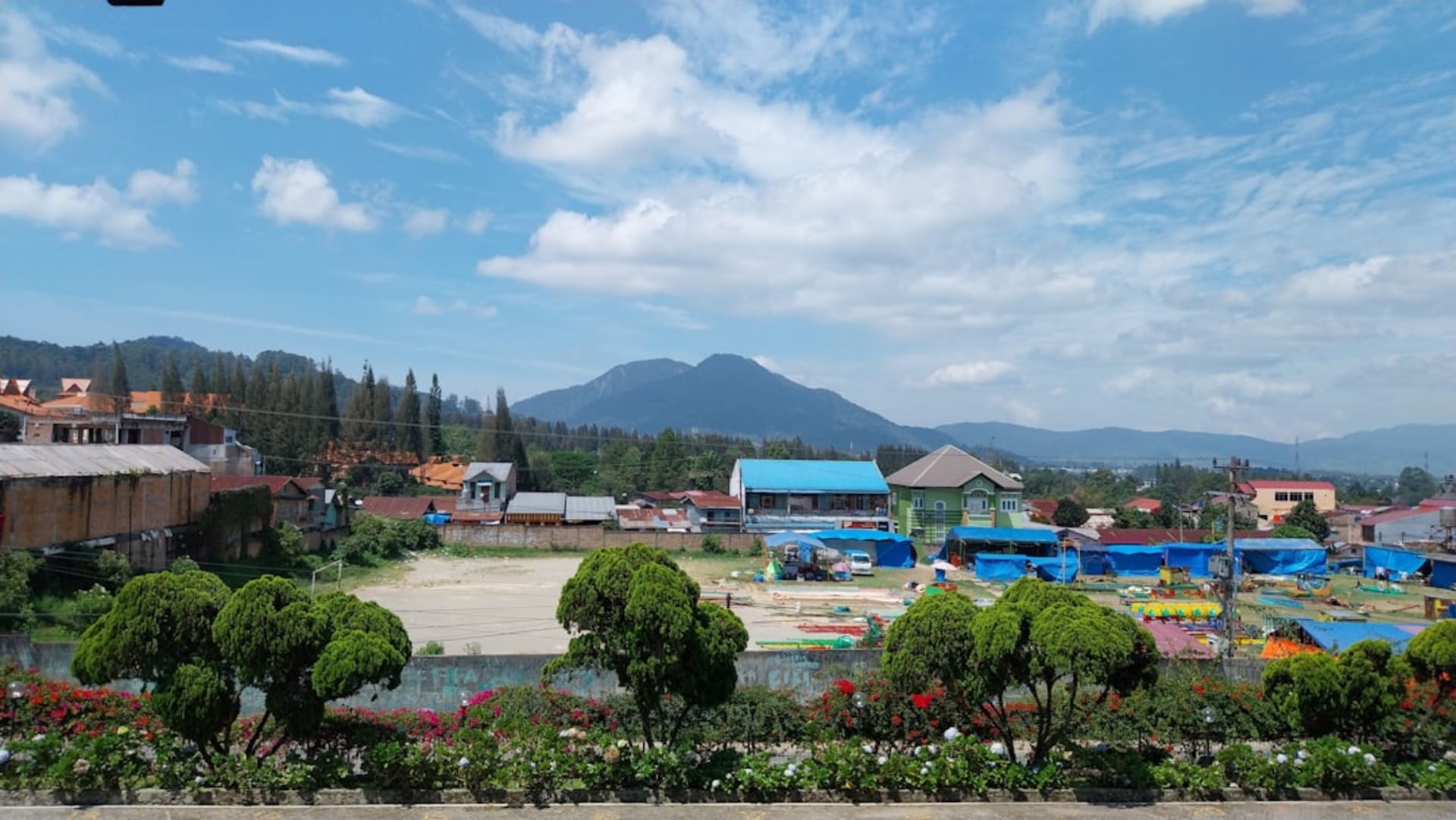
I didn’t fully grasp what I was looking at until I stood on a hillside above Ambon Bay and someone pointed out the clove trees scattered among the other greenery — unremarkable-looking things, honestly, for a plant that once triggered naval blockades, monopoly wars, and a genuinely brutal colonial occupation. Ambon and the wider Maluku archipelago were, for a few centuries, the only place on Earth where cloves grew naturally. That single fact pulled the Portuguese, then the Spanish, then the Dutch East India Company into a scramble so intense it reshaped global trade routes and, indirectly, funded the VOC’s rise into one of history’s first true multinational corporations. Ambon was the VOC’s capital in the region from the early 1600s, and the fort they built to secure it, Fort Victoria, still has traces standing in the modern city center.
A bay that survived everything
Ambon’s more recent history is heavier. The city was devastated in WWII under Japanese occupation, and then again by sectarian conflict between 1999 and 2002 that displaced hundreds of thousands and left visible scars in the city’s neighborhoods — a period locals will mention only briefly, if at all, before steering the conversation somewhere lighter. What struck me is how thoroughly the city has moved past it. Ambon today feels easy, musical, and warm in the way people describe rather than the way weather is. Maluku has a reputation across Indonesia for producing extraordinary singers and worship bands, and I believed it the first evening I heard a impromptu harmony break out over dinner at a warung near the harbor.
Muck diving, of all things
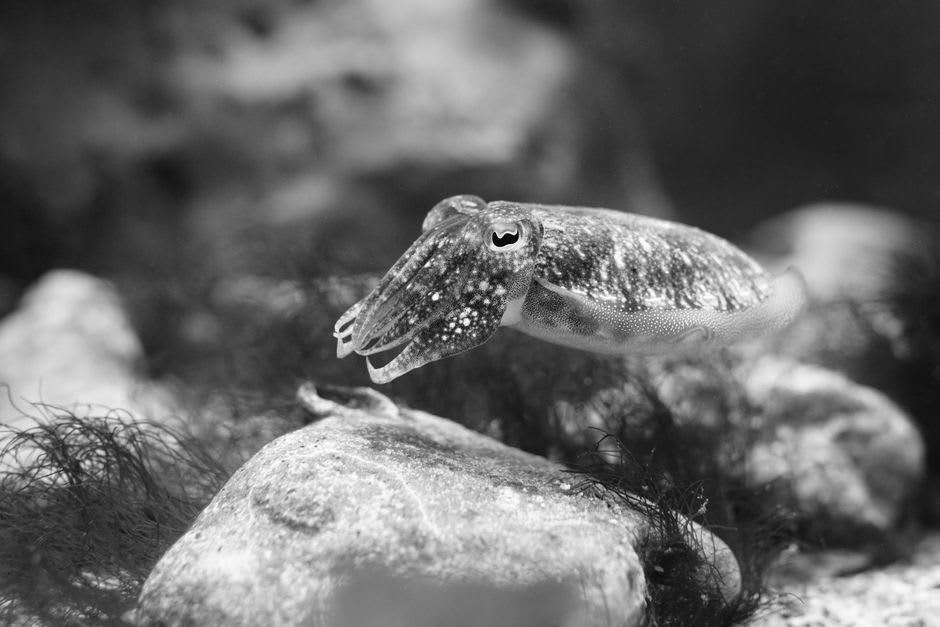
The real surprise of Ambon, for me, wasn’t the history — it was the diving, and specifically the diving inside the bay itself, right off the city. Ambon Bay is one of the world’s premier muck-diving sites, a term divers use for hunting bizarre small critters over sandy, silty seafloor rather than admiring hard coral reefs. My guide and I descended into water that looked, frankly, unpromising — grey sand, scattered debris, low visibility — and within twenty minutes had found a psychedelic frogfish, a flamboyant cuttlefish flashing colors like a warning light, and a mimic octopus contorting itself into an impression of a flatfish to slide past us unnoticed. It’s the kind of diving that rewards patience over grandeur, and after a dozen dives on “prettier” reefs elsewhere in Indonesia, it was the most purely fascinating hour I spent underwater on the whole trip.
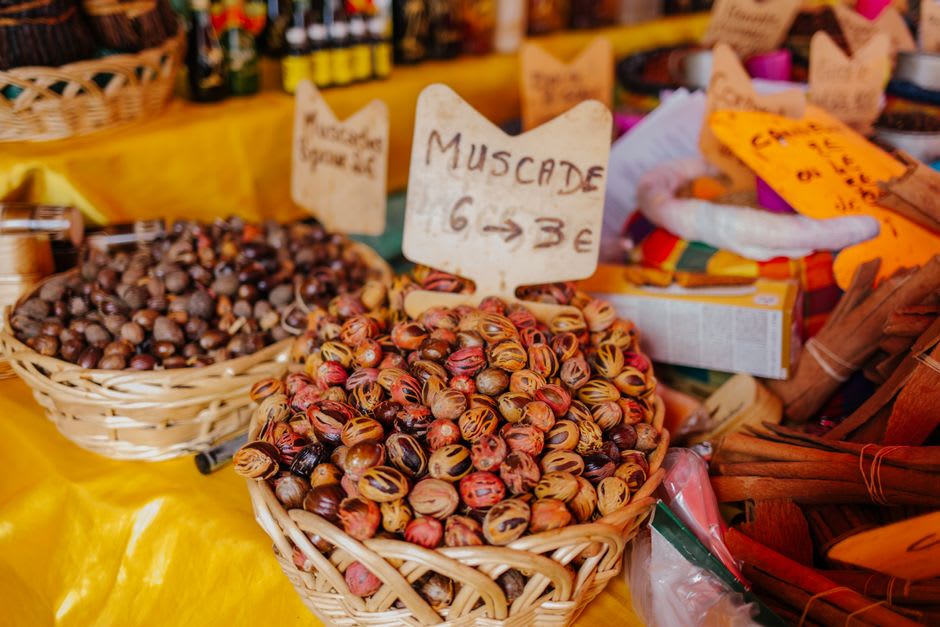
Up on land, the city itself climbs steeply from the harbor, and a drive up into the hills around Gunung Nona rewards you with views over the whole bay and, if the haze cooperates, out toward the strait. The markets sell nutmeg and clove alongside the everyday produce, an unbroken thread back to the reason Europe ever bothered sailing this far east in the first place.
When to go: October to March generally offers calmer seas and better visibility for diving in Ambon Bay, though the muck diving is workable nearly year-round since it doesn’t depend on strong reef currents.