Hassan
"Hassan doesn't try to be interesting. It just happens to sit thirty minutes from something extraordinary."
A workaday Karnataka town that exists mainly as the gateway to two of India's most extraordinary temples, and makes no pretense otherwise.
Hassan is not a place anyone visits for Hassan. I want to say that upfront because every guidebook dances around it, and I’d rather just say what’s true: this is a market town of decent hotels, competent bus connections, and a main street of hardware shops and sari stores, and its entire tourist economy exists because it sits conveniently between Belur and Halebidu, two of the greatest temple complexes ever built on the subcontinent. I stayed here two nights purely as a base, and I mean that as praise rather than dismissal — some places do their job of being useful with real dignity.
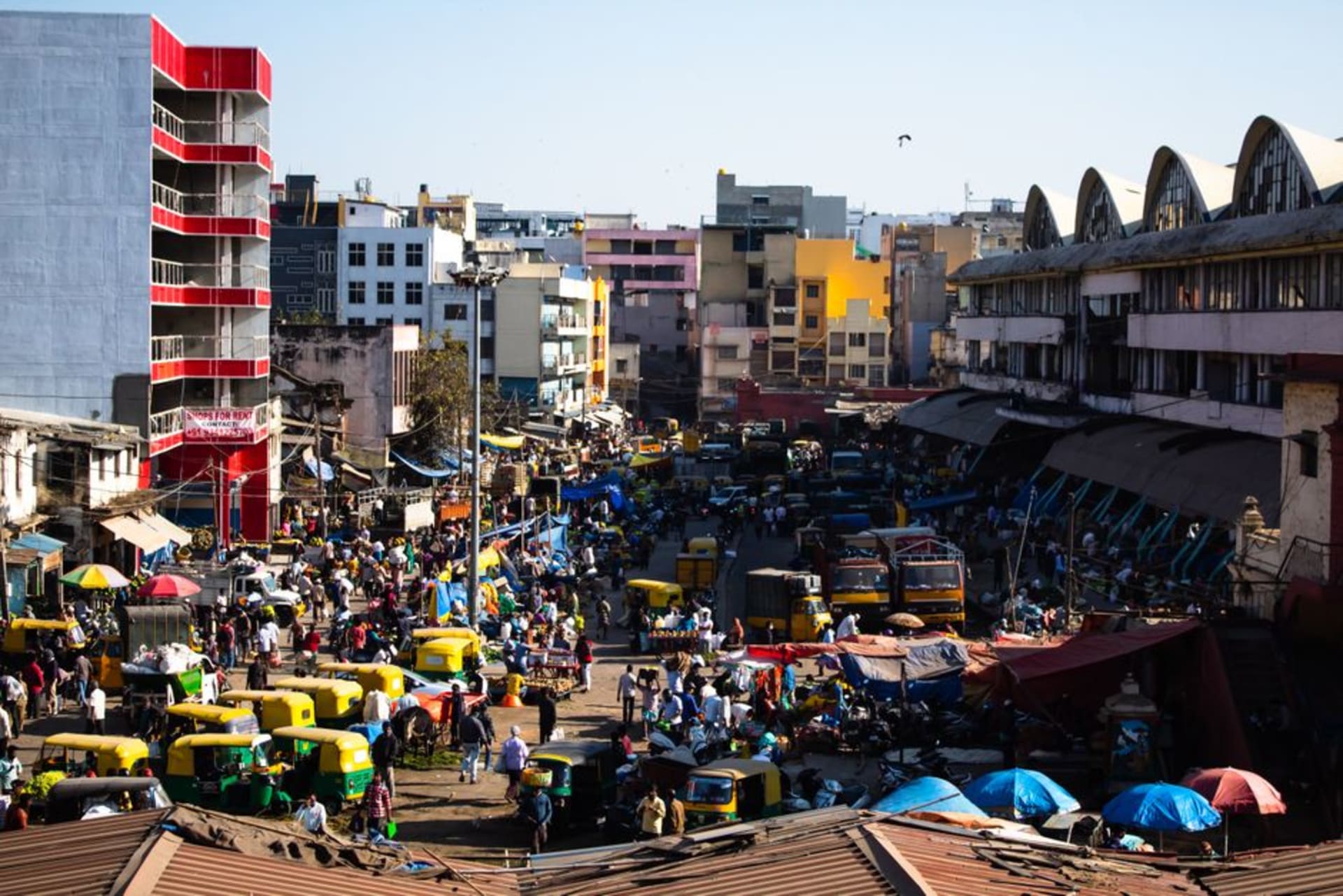
The town itself has a workaday charm if you give it an evening. I walked the market near the old bus stand as it wound down for the night, past stalls selling areca nut and jasmine strung into garlands by the meter, past a small Hoysala-era temple, Hasanamba, tucked incongruously between a mobile phone shop and a tailor. Hasanamba Temple is Hassan’s namesake — the goddess Hasanamba is said to reside here, and the temple opens to the public for worship only a few weeks each year, the rest of the time keeping its doors sealed with a lamp inside said to still be burning from the previous opening. Nobody at my hotel could quite explain to me how that logistics worked, and I decided I liked that better than a tidy answer would have been.
Dinner Among Commuters
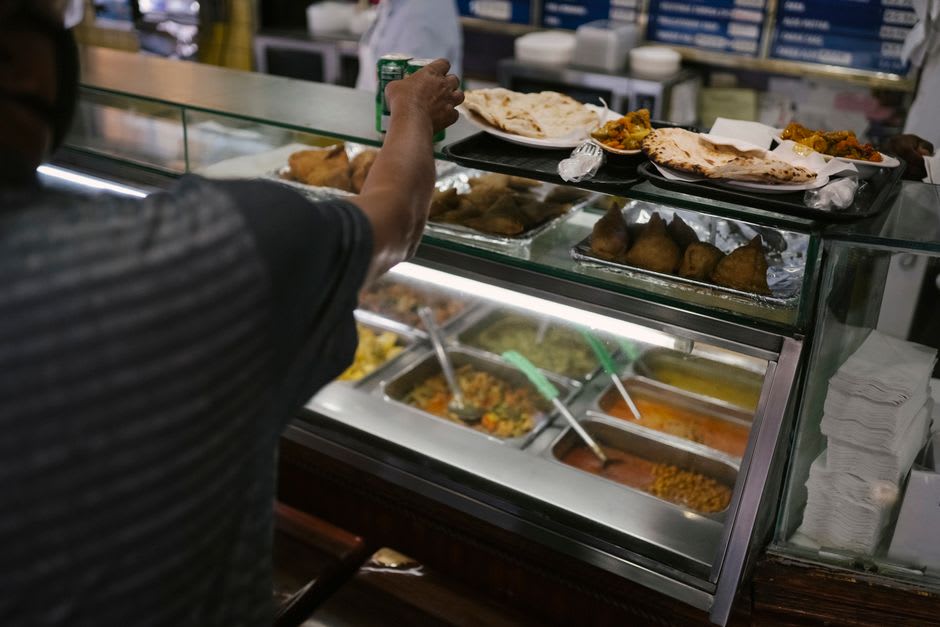
I ate at a small darshini-style restaurant near the railway station, standing at a counter with day laborers and bus drivers between routes, working through a plate of bisi bele bath — Karnataka’s spiced lentil-and-rice dish, thick with tamarind and vegetables, eaten with a side of crunchy boondi. It was the kind of unglamorous, entirely satisfying meal that never makes it into a guidebook photo spread, served fast because everyone around me had somewhere to be. The waiter refilled my rasam without asking, twice, the way hospitality here often works — generous by default rather than by request.
The Town as Hinge
What stayed with me about Hassan, oddly, was how well it understood its own role. My driver for the Belur-Halebidu circuit picked me up at seven, timed precisely so I’d reach Belur before the tour buses, and dropped me back at my hotel in time for a late lunch — a rhythm he’d clearly run hundreds of times before, calibrated down to which chai stall made the best stop along the way. Hassan doesn’t resent being a hinge point between a traveler and something greater. It just does the job, competently, town after town, decade after decade, in the shadow of thousand-year-old stone carvings it will never itself possess.
When to go: October to March, for cool enough days to comfortably combine an early departure to Belur-Halebidu with an afternoon back in town. There’s little reason to linger past what the temple circuit requires.