Hong Kong Wetland Park
"A heron stood completely still in the reeds for so long I started to wonder if it was a decoy, and then it moved, and I actually laughed out loud, alone, at a bird."
A reclaimed wetland reserve on the edge of Tin Shui Wai where mangroves, mudflats, and a resident crocodile sit improbably close to tower blocks.
Hong Kong Wetland Park sits at the edge of Tin Shui Wai, a new town so dense it was nicknamed “Tin Sui Tears” in the local press for its social problems in the 2000s, and the park exists as an almost deliberate counterpoint — sixty hectares of mangroves, mudflats, and reed beds set aside as a buffer and a conservation reserve at the exact point where the built environment stops. I hadn’t planned to spend an afternoon in Tin Shui Wai, if I’m honest, but Lia found the park while researching bird species we might see, and once she said the word “crocodile” I was in the car.
The crocodile is a real story, not marketing. In 2003, a saltwater crocodile appeared in the nearby Shan Pui River, sparking a genuinely chaotic multi-week hunt involving imported crocodile wranglers, before the animal — nicknamed Pui Pui by the local press — evaded capture entirely and was never found again. The park built a small dedicated habitat and visitor exhibit anyway, on the theory that Pui Pui or a relative might eventually be recaptured; when we visited, the enclosure held a different rescued crocodile, not Pui Pui, but the exhibit tells the original story with a straight-faced seriousness I found charming.
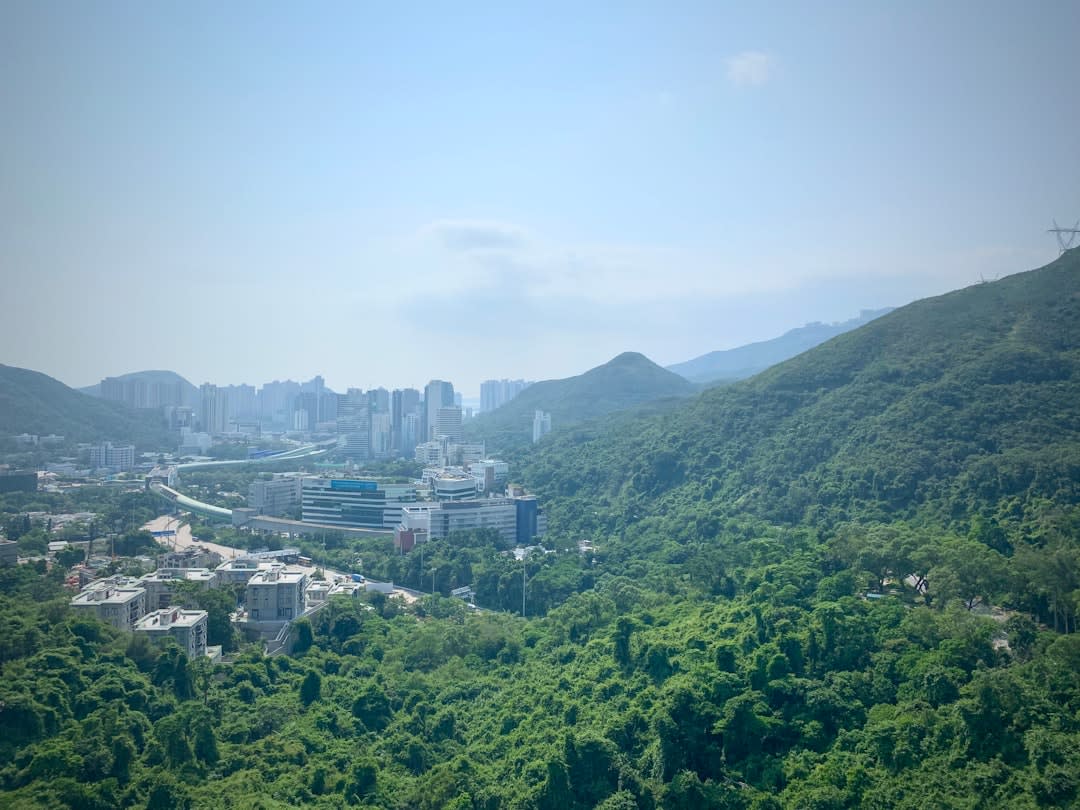
Beyond the crocodile exhibit, the park is a genuinely good place to slow down. Boardwalks loop through the mangroves and out to hides overlooking the mudflats, which sit within the wider Deep Bay wetland system — one of the most important stopover sites in East Asia for migratory birds moving along the flyway between Siberia and Australia. We didn’t come at peak migration season and still spotted herons, egrets, and something Lia identified with more confidence than I could verify as a black-faced spoonbill, a species the park exists partly to protect.
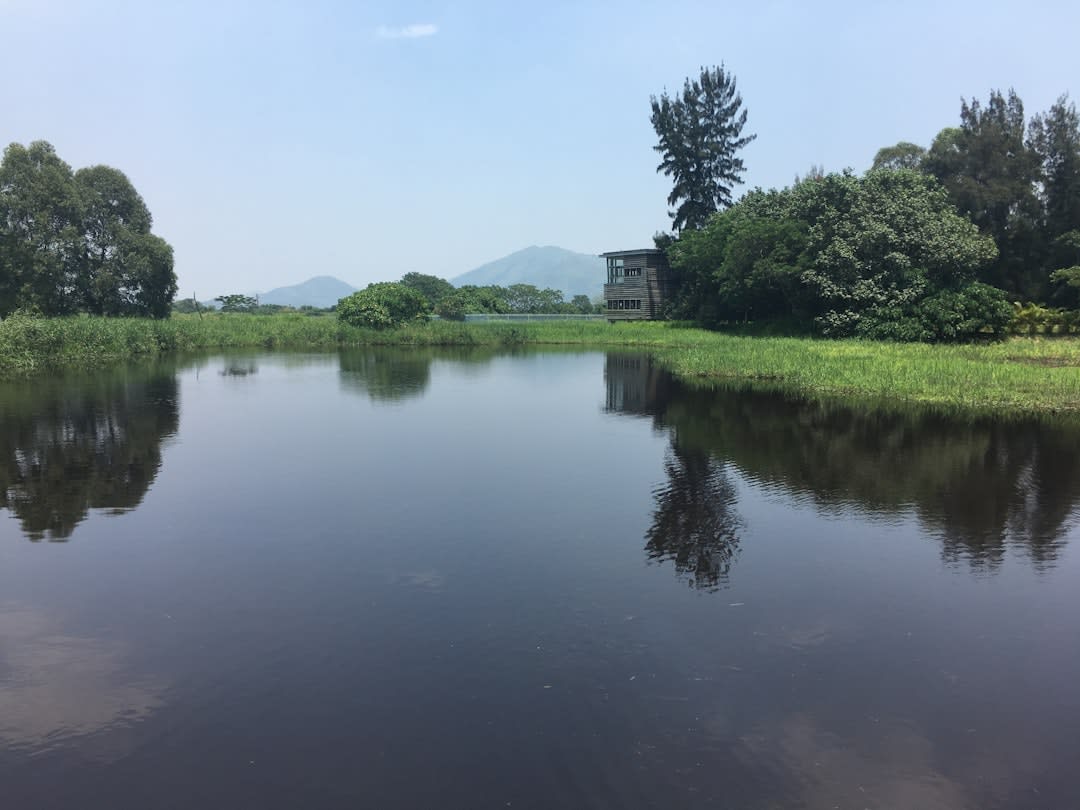
What made the afternoon, though, was the contrast the park doesn’t try to hide. From several of the outdoor hides, you can see the tower blocks of Tin Shui Wai rising directly behind the reed beds, close enough that the two feel like a single composition rather than two separate places accidentally overlapping. It’s a very Hong Kong image — a protected wetland and forty-story public housing blocks sharing a skyline without either one pretending the other doesn’t exist.
When to go: Winter (November to March) for the best bird migration viewing, when species numbers in Deep Bay peak. The park is fully covered and largely indoor-outdoor, so it’s a reasonable option even in summer if you time it around the midday heat.