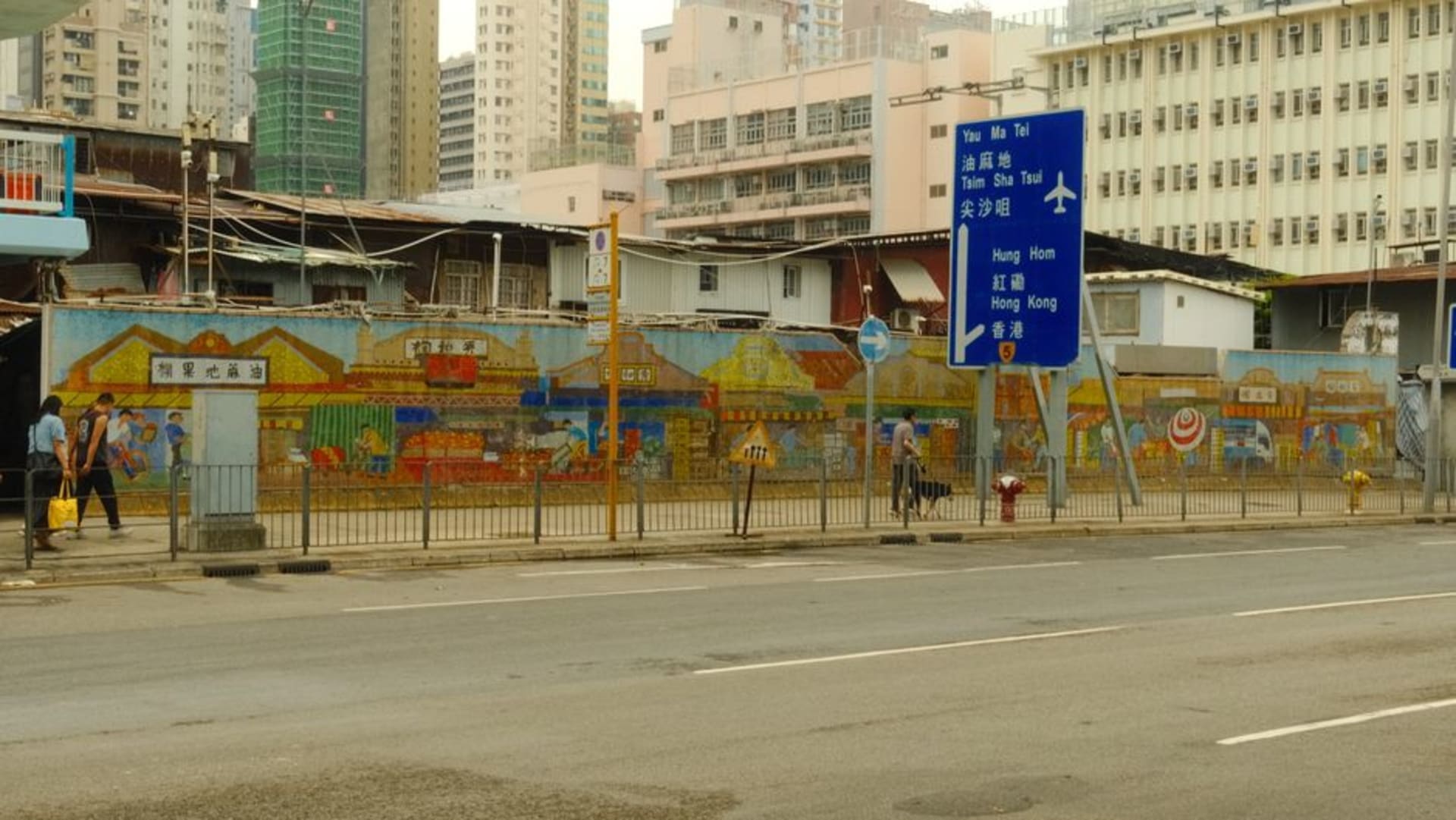
Tin Hau Temple, Yau Ma Tei
"Fortune tellers work out of folding tables under the banyan trees, and every single one of them looked completely unbothered by my presence."
A sea goddess's temple that ended up two streets from the harbour it once faced, as Kowloon's reclaimed land grew up around it.
Tin Hau is the goddess of the sea, protector of fishermen and sailors, and her temples line the Hong Kong coast in numbers that reflect how much of this territory’s history has been about people making a living on the water. What’s strange about the Yau Ma Tei branch is that it no longer faces any water at all — decades of land reclamation pushed the shoreline back, and the temple that was built in the 1870s to watch over the harbour now sits inland, surrounded by the ordinary traffic of a Kowloon side street, its original purpose quietly overtaken by the city’s own growth.
I came at dusk, after a day mostly spent getting lost in the nearby jade market, and the temple courtyard was doing two things simultaneously that I hadn’t expected to see together: devout worship at full intensity, incense smoke rolling off the burners in thick ropes, and a row of fortune tellers working out of folding tables under the old banyan trees just outside the temple gate, reading palms and faces for a fee. Neither group paid the other much attention. It felt less like contradiction and more like two adjacent, compatible ways of asking the same question about what’s coming.
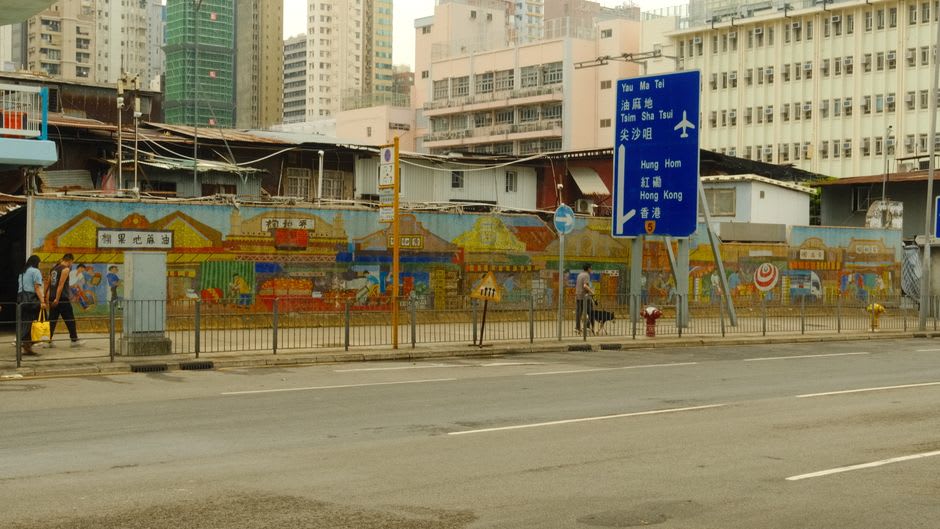
The temple complex actually houses several shrines under one roof — not just Tin Hau but also a City God, and a shrine to the God of War, reflecting how these neighbourhood temples tended to consolidate several devotional needs into a single accessible building rather than requiring separate pilgrimages. The wooden ancestral tablets and the smoke-blackened beams give the interior a density that feels earned rather than staged, a century and a half of continuous use rather than restoration for its own sake.
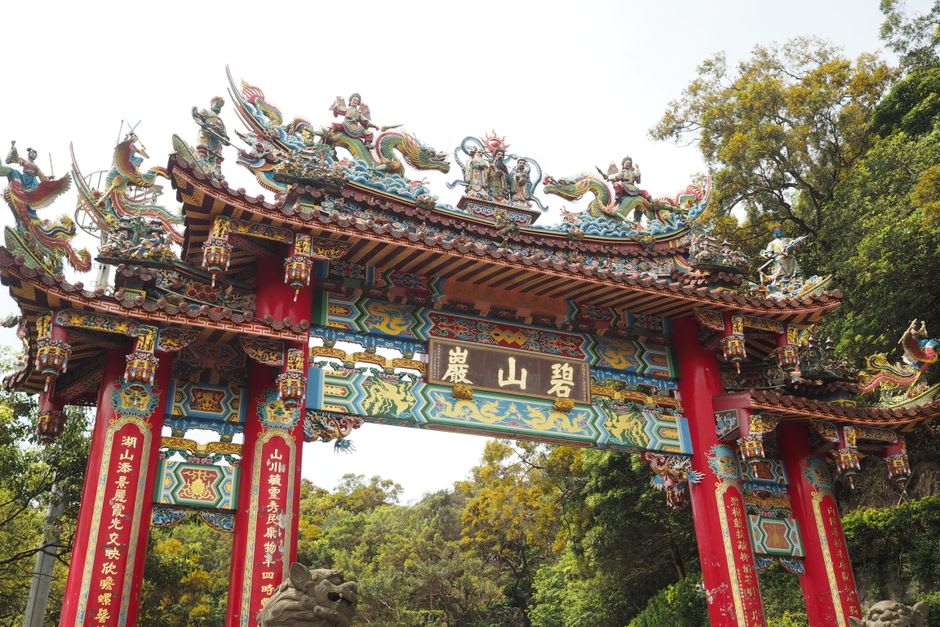
Temple Street Night Market kicks into gear just a couple of blocks south as the sun goes down, and the timing works well — dusk at the temple, then dinner from one of the street stalls as the market’s neon signs and karaoke stalls come to life. It’s one of the better one-two sequences I found in Kowloon for an evening that doesn’t require much planning.
When to go: Late afternoon into early evening, timed to flow into Temple Street Night Market afterward. The temple itself is quiet and atmospheric any time of year — no strong seasonal argument either way, so plan around the market’s evening hours instead.