Pak Tai Temple
"I'd walked past the end of that lane a dozen times on the way to dinner before I finally turned down it."
Wan Chai's oldest building, tucked behind Stone Nullah Lane, guarding a giant bronze deity who once made storms stop.
Pak Tai Temple sits on Stone Nullah Lane, a narrow street a few minutes’ walk from Wan Chai’s main thoroughfare, and it holds the distinction of being the oldest building still standing in the district — completed in 1863, decades before most of the surrounding neighbourhood had taken the shape it has today. Pak Tai, the God of the North and a deity strongly associated with controlling water and storms, was a natural choice of patron for the fishing and boat-building communities that once made up Wan Chai’s waterfront, back before land reclamation pushed the actual shoreline hundreds of meters north of where it now sits.
Inside, a bronze statue of Pak Tai dating to the Ming dynasty — considerably older than the temple building itself, brought here from an earlier shrine — dominates the main hall, more than three meters of dark, weathered bronze surrounded by smaller attendant statues and a haze of incense that never fully clears. The scale of the statue surprised me; most neighbourhood temples I’d visited by that point in the trip held human-scale or smaller figures, and this one felt closer to something you’d expect in a much larger, more formal complex.
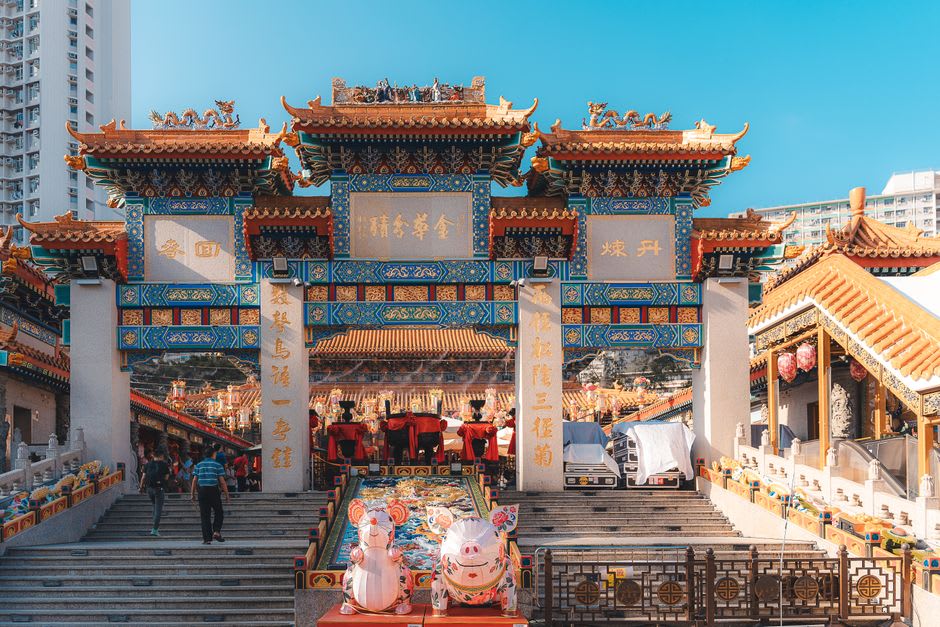
The temple grounds also hold a scattering of smaller shrines to other deities, tucked into side halls that most visitors walk straight past — a reminder of how these older Hong Kong temples tend to accumulate devotional layers over generations rather than staying fixed to a single dedication. Local elderly residents move through with the unhurried familiarity of people running a routine errand, lighting incense at two or three altars in sequence before continuing on with their day, and that lack of ceremony around what is, on paper, a fairly significant heritage site is part of what makes it worth the detour.
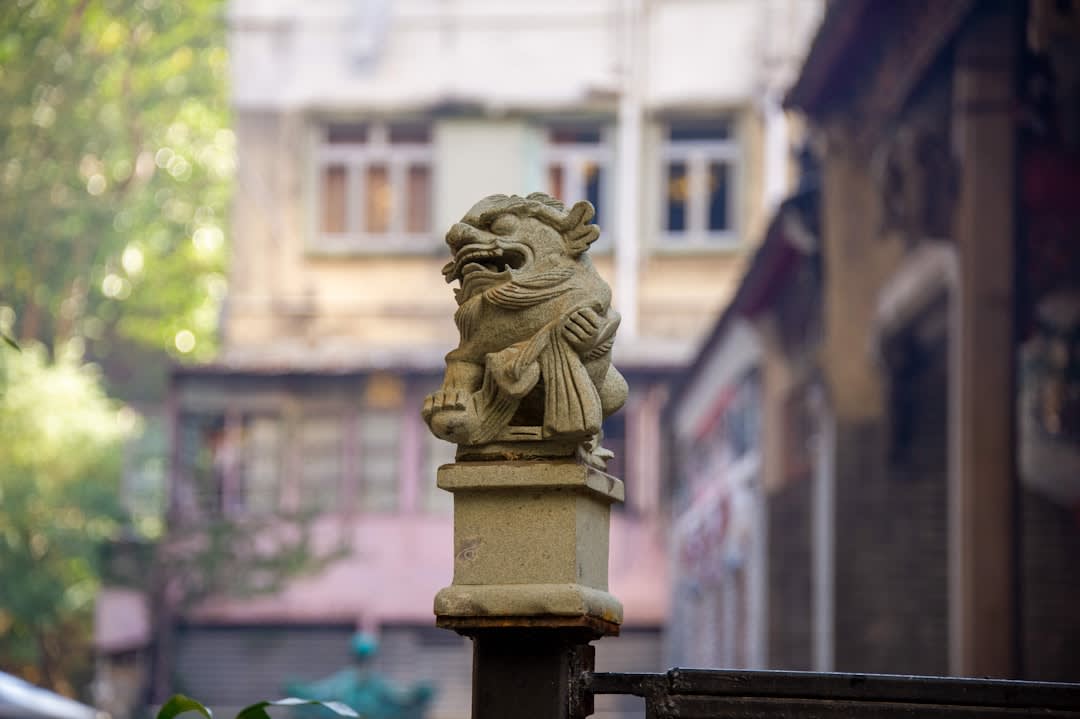
The lane outside has become quietly known for a cluster of small, design-forward cafés and shops that opened in the old shophouses nearby over the last decade — a soft gentrification that so far hasn’t displaced the temple’s core function, though how long that balance holds is an open question in a city that redevelops as fast as this one does.
When to go: Any time, though the Bun Festival period and the Pak Tai birthday celebrations (around the third lunar month) bring a livelier, more ceremonial energy if your dates happen to align. Otherwise, a quiet weekday afternoon is the best way to actually take the place in.
Keep exploring
More from Hong Kong
 hong-kong
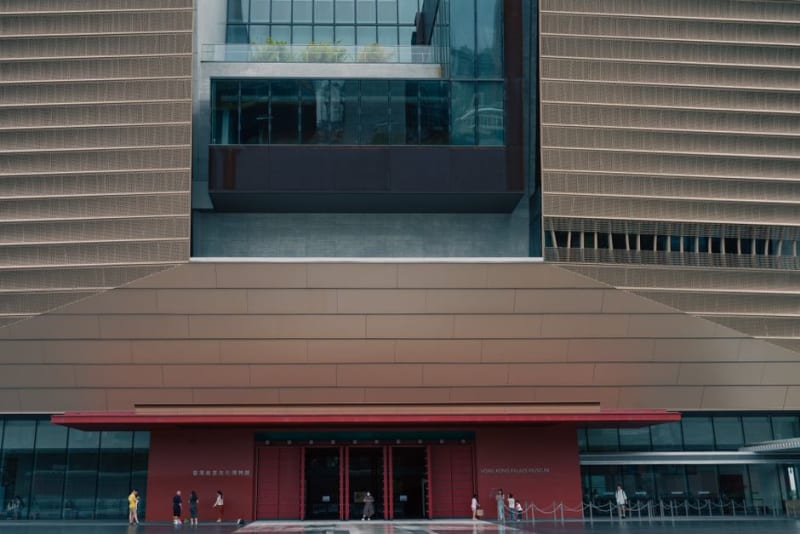
 Hong Kong Palace Museum
Nine hundred imperial treasures on loan from Beijing's Forbidden City, displayed inside a building that reinterprets a courtyard palace in glass and steel.
Explore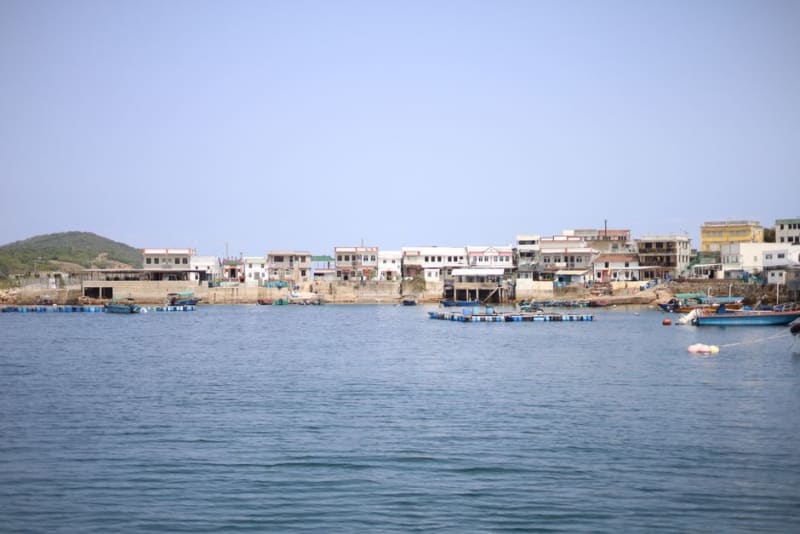 hong-kong
 Peng Chau
The smallest of Hong Kong's inhabited outlying islands — a fifteen-minute loop of narrow lanes, a defunct match factory, and almost no one else around.
Explore hong-kong
 Ping Shan Heritage Trail
Hong Kong's oldest heritage trail, threading through clan halls and a 600-year-old pagoda in a part of the New Territories most visitors never reach.
Explore hong-kong
 Plover Cove
A reservoir built by damming the sea itself, ringed by one of Hong Kong's longest and least-crowded coastal hiking trails.
Explore hong-kong
 PMQ
A former police married quarters turned design incubator, where Hong Kong's independent fashion, ceramics, and product designers get studio space instead of storefronts.
Explore hong-kong
 Po Toi
Hong Kong's southernmost inhabited island — wind-carved rock formations, a near-empty seafood pier, and a ferry that runs on its own schedule.
Explore