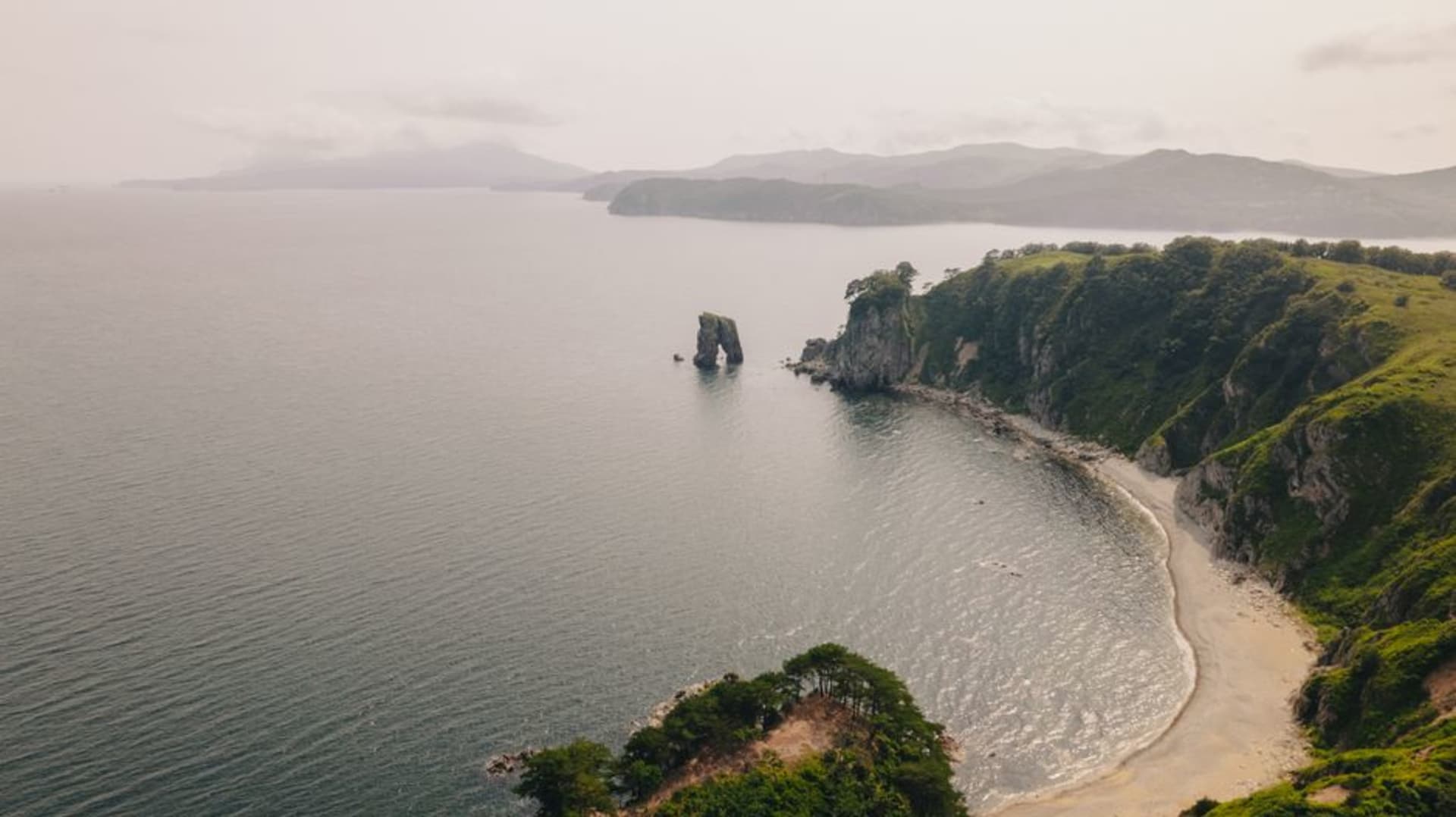
Shakotan Peninsula
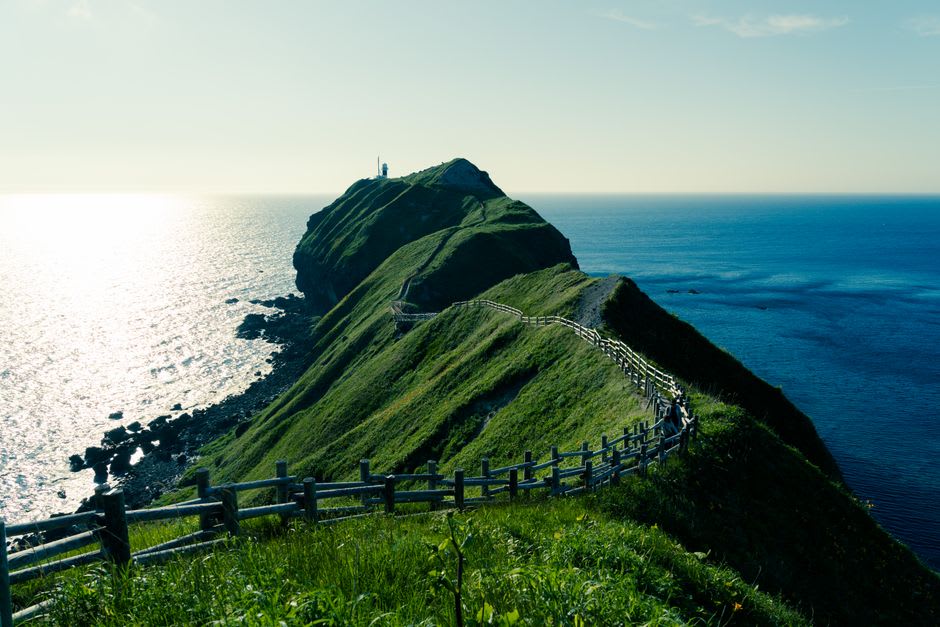
"They call it Shakotan Blue and I thought it was a marketing phrase until I stood at Cape Kamui and saw it for myself."
A rugged cape west of Otaru where the sea turns an implausible cobalt blue and every roadside stall sells sea urchin scooped straight from that morning's catch.
I drove out to Shakotan from Otaru on a clear July morning, the road narrowing and hugging the coastline more tightly with every kilometer until the cliffs on my right dropped straight into water so blue it looked lit from beneath. Locals call it “Shakotan Blue,” and I’d assumed it was a tourism board’s phrase until I parked at Cape Kamui and walked the ridge trail out toward the lighthouse. The color isn’t a filter or a good day’s light — it’s the particular clarity of this stretch of the Sea of Japan combined with a rocky seabed that reflects blue rather than absorbing it into green or gray. The trail itself is narrow, exposed on both sides, with a rope handrail and a sign warning that high winds close it entirely, which felt less like caution and more like honest description; a gust caught me hard enough halfway out that I stopped walking and just held on for a second.
Shakotan is uni country, and in June and July, when the harvest is at its peak, the fishing town of Shakotan-cho fills with stalls selling sea urchin so fresh it barely needs the rice underneath it. I stopped at one of the small seafood restaurants near the port and ordered a bowl of bafun uni on rice, the pale orange-yellow roe piled generously over warm rice with nothing else — no soy, no wasabi offered, because apparently none was needed. It was sweet in a way that tasted like the ocean rather than fighting it, and it ruined every piece of sea urchin I’ve eaten since, including in restaurants that charge considerably more for considerably less.
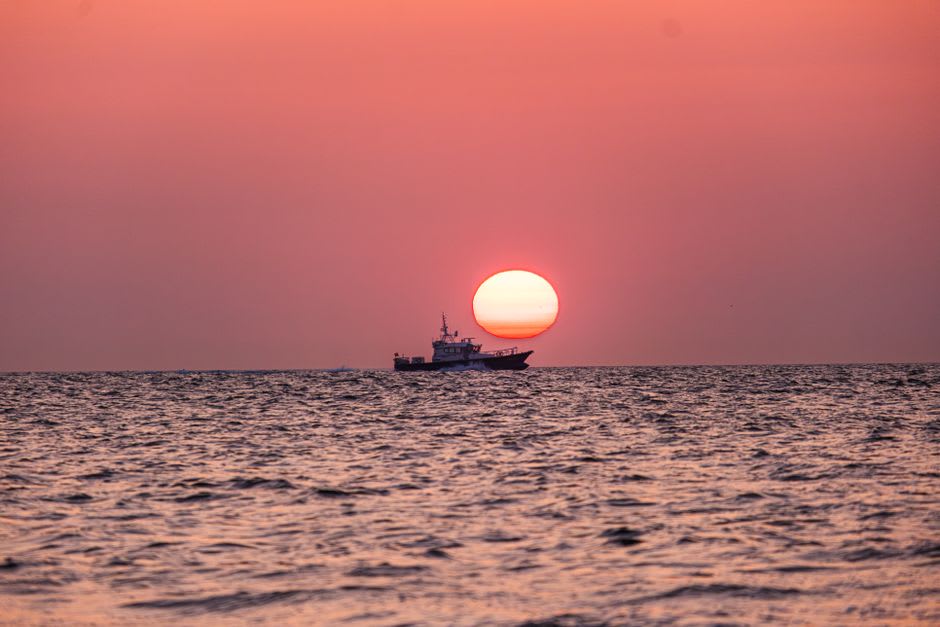
The town of Yobetsu, further along the coast, has a smaller but calmer version of the same cliffs, and I found myself pulling over more than once just to look at the water from a bend in the road, no particular viewpoint marked, just an ordinary stretch of highway with an extraordinary sea beside it. There’s a wine-red rock formation locally called Rousoku Iwa — Candle Rock — that catches the sunset at a specific angle in summer and turns the shape into something briefly resembling a lit candle, and I waited out an evening on a pull-off with a can of coffee from a vending machine, in no hurry, watching fishing boats work the horizon.
When to go: June through August for the sea urchin season and the best chance of calm water at Cape Kamui — check the trail status before driving out, since wind closures are common. Early autumn brings quieter roads and still-good seafood, though the deep blue fades slightly as the light changes.