Waianae Coast
"It's the only stretch of Oahu where I didn't see another tourist all day. That alone made it worth the drive."
Oahu's leeward edge, where the tourist infrastructure runs out entirely and the island's driest, least performed-for side begins.
Every Oahu itinerary I read before the trip steered around the Waianae Coast entirely, usually with some version of “not really set up for visitors.” That phrasing turned out to be doing a lot of quiet work — it’s not unsafe, it’s just genuinely local, and after a week of Waikiki and Kailua, that was exactly what I wanted.
The Dry Side
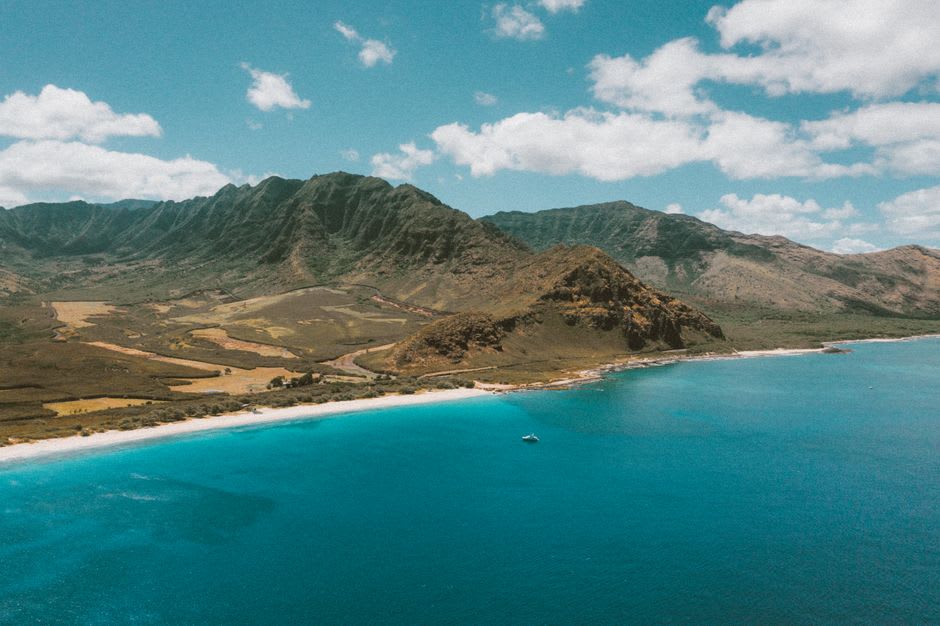
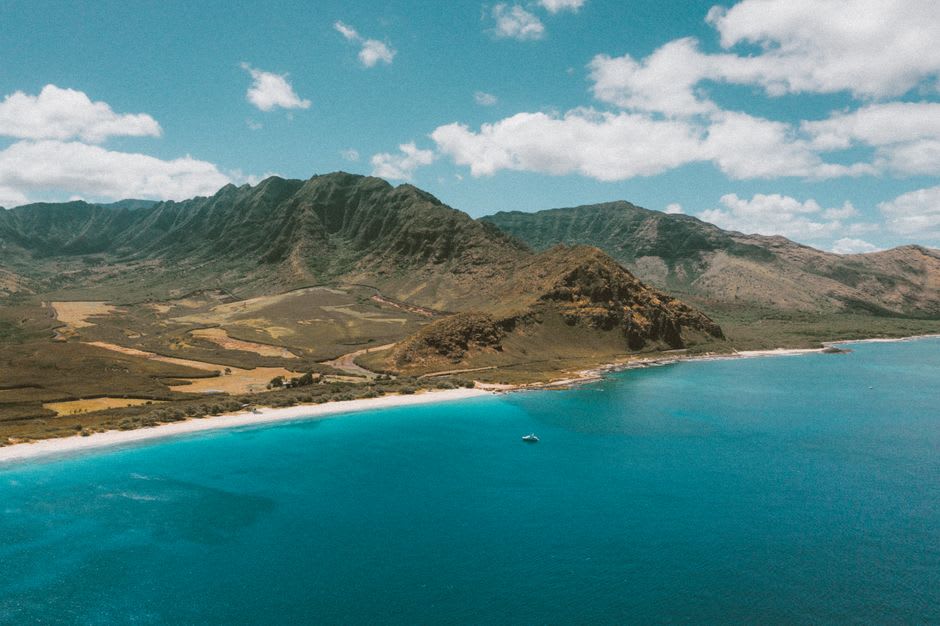
Leeward Oahu sits in the rain shadow of the Waianae mountain range, and the landscape shows it immediately: scrub brush and red dirt instead of the windward side’s saturated green, a wide dry heat that feels closer to Baja California than to the tropical postcard version of Hawaii. Driving the Farrington Highway along the coast, the ocean stayed a hard, deep blue on one side while the mountains threw long shadows on the other, and I didn’t pass a single tour bus the entire way.
Ka’ena Point and the Monk Seals
The highway dead-ends at a trailhead for Ka’ena Point, Oahu’s westernmost tip and a protected natural area reserve where the paved road simply stops and a rough coastal trail continues another few kilometers through lava rock and sand dunes to the point itself. It’s hot, shadeless, and worth every step: the reserve protects nesting seabirds behind a predator-proof fence, and Hawaiian monk seals — one of the most endangered marine mammals on earth, with a global population under two thousand — regularly haul out on the rocks near the point to rest. We kept our distance as required and watched one sleep through an entire hour of crashing surf without stirring once.
A Coast That Doesn’t Perform
Makaha Beach, partway down the coast, is a legitimate big-wave surf spot with none of the North Shore’s crowds or infrastructure — no shrimp trucks, no gift shops, just a long beach, serious local surfers, and a slower pace that felt earned rather than curated. This is the Oahu that exists independent of the visitor economy, and treating it with the same respect you’d bring to someone else’s neighborhood — because it is one — is the entire price of admission.
When to go: Morning is best, both for cooler hiking temperatures at Ka’ena Point and for calmer conditions if you want to swim. This coast is a community first and a destination second — be respectful, stay on marked trails, and give any monk seals a wide, legally required berth.
Keep exploring
More from Hawai'i
 hawaii
 Wai'anapanapa State Park
A black-sand beach, freshwater lava caves, and a coastal blowhole along the Hana Highway, protected enough now to require a permit and quiet enough to reward the wait.
Explore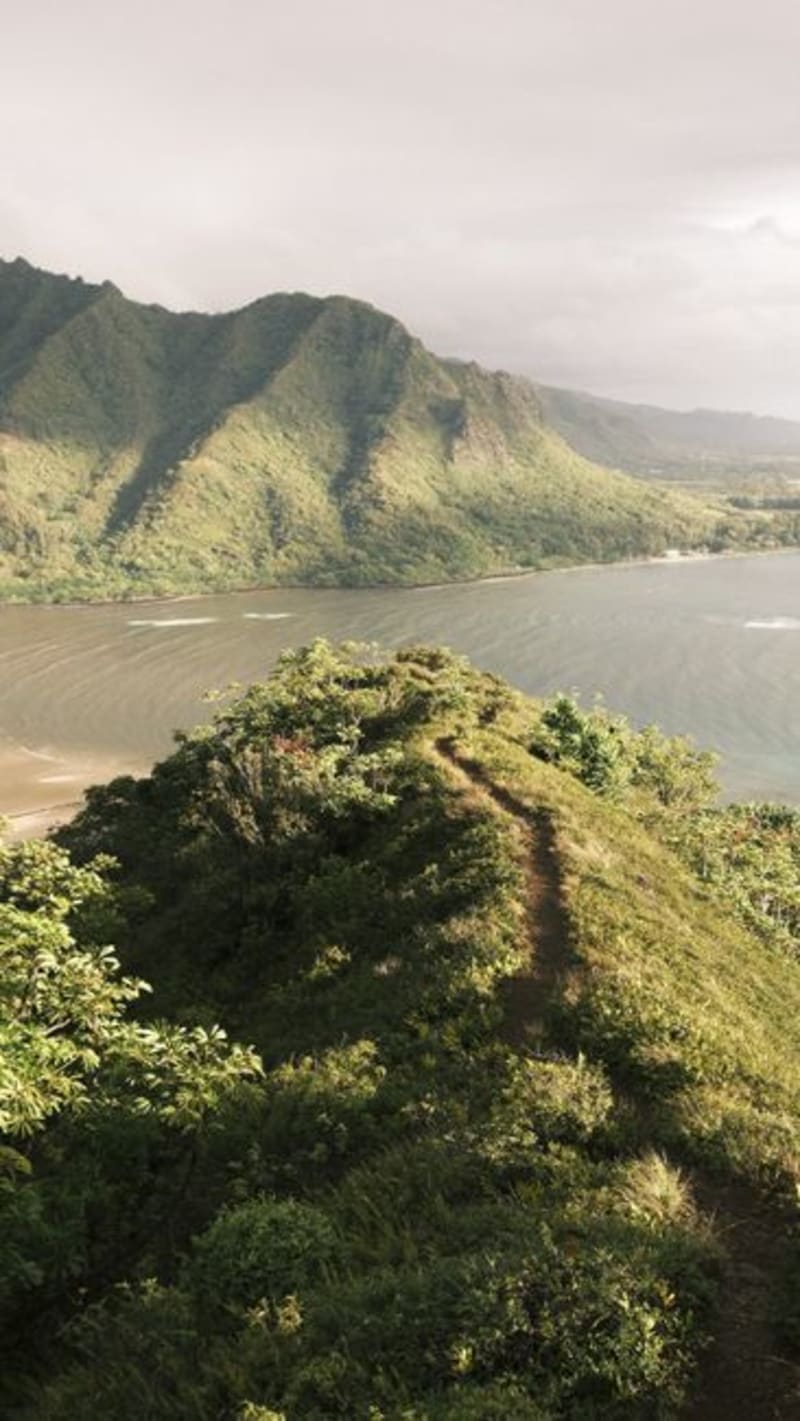 hawaii
 Waihe'e Ridge Trail
A steep 4.5-mile ridgeline hike above West Maui's rainforest, climbing to views of the island's oldest and least-visited mountains.
Explore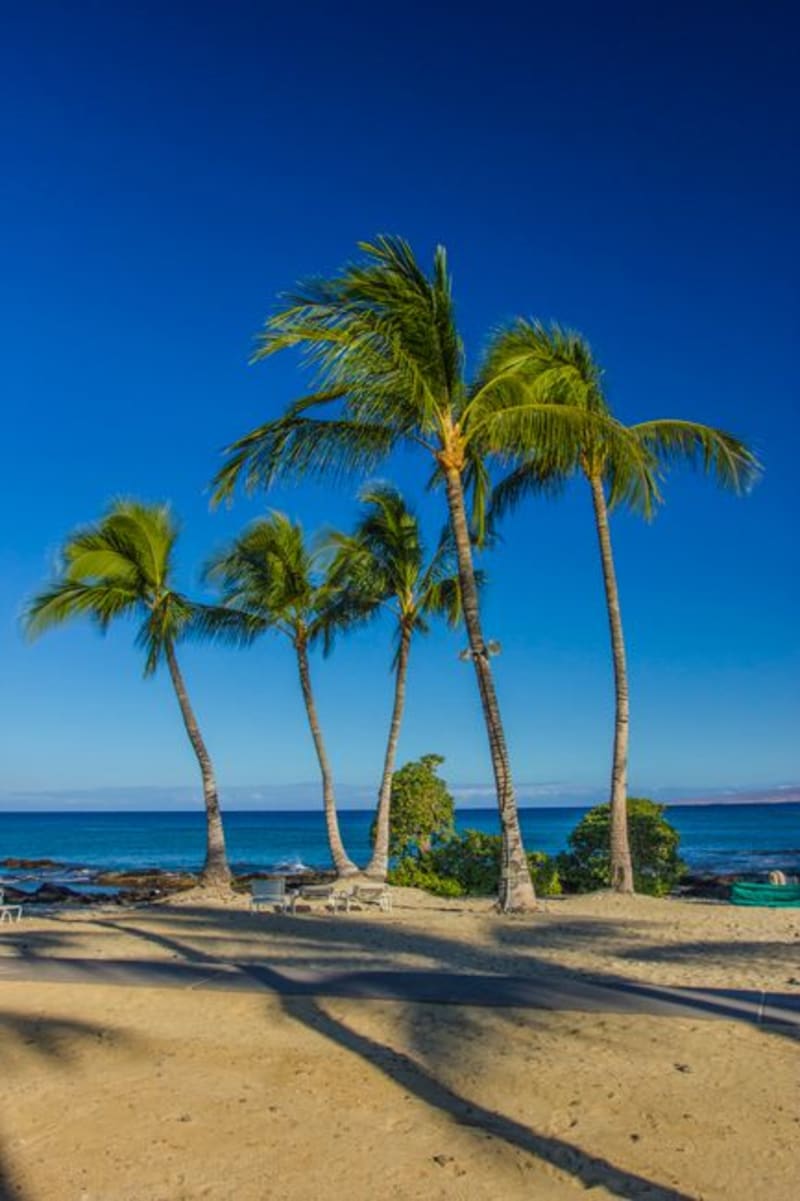 hawaii
 Waikoloa
A planned resort village on the dry Kohala Coast, built around petroglyph fields, tide pools, and a boat-served swim-up bar.
Explore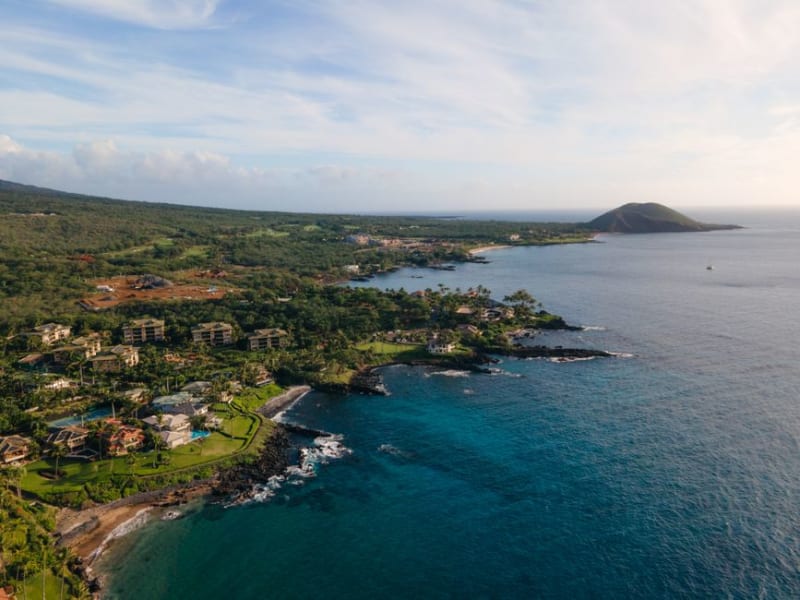 hawaii
 Wailea Beach Path
A 1.5-mile paved coastal walk linking five crescent beaches along Maui's manicured south shore, past sea turtles, tide pools, and some of the island's most polished resorts.
Explore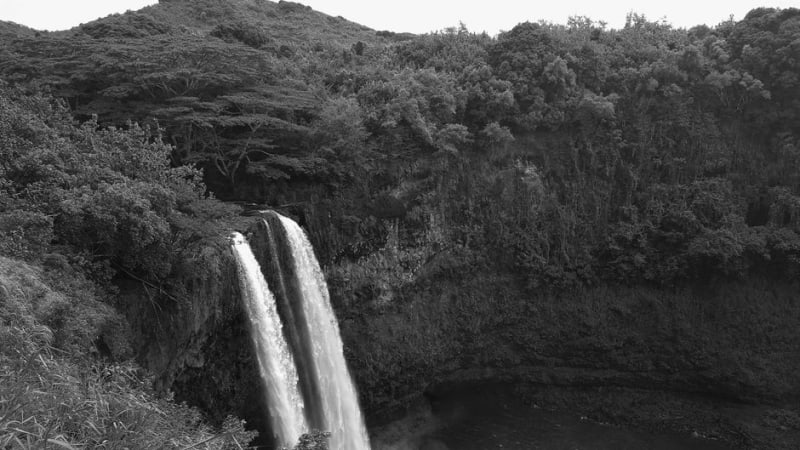 hawaii
 Wailua Falls
An 80-foot twin waterfall you can see from the parking lot, made famous by a 1970s TV intro and worth the stop regardless.
Explore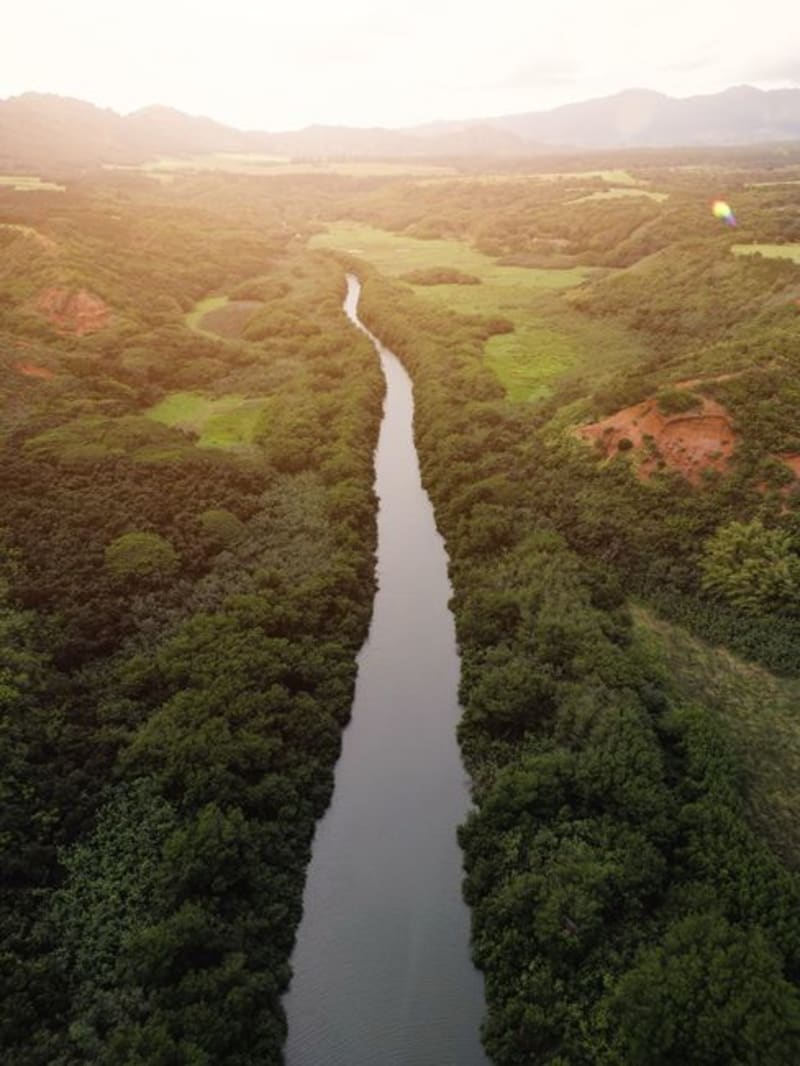 hawaii
 Wailua River
Hawai'i's only navigable river — kayaking to hidden waterfalls, ancient heiau temple sites, and the Fern Grotto's dripping green cavern.
Explore