Coffee farms clinging to volcanic slopes, manta rays feeding under floodlights, and a harbor town that never quite decided to become a resort.
Lia found the manta ray night dive listing at eleven at night, three days before we flew to the Big Island, and by the time I’d finished reading the description over her shoulder we’d already booked it. That’s Kona in a sentence — a town you think you understand from the drive in, coffee shops and shave ice stands along Ali’i Drive, and then it produces something that rearranges your whole trip.
Coffee That Tastes Like the Mountain
The Kona coffee belt runs along a narrow strip of volcanic slope between about 250 and 900 meters, where afternoon cloud cover and mineral-rich soil from Hualalai and Mauna Loa do something to the beans that nobody has managed to replicate anywhere else on the planet — it’s one of the few coffees in the world that legally has to say where it’s from. We stopped at a small family farm off Napo’opo’o Road, no sign to speak of, just a hand-painted board and a jar for honesty-system purchases. The woman running it walked us through drying beds of cherries in every stage of ripeness, reds and yellows scattered across mesh racks in the sun, and poured us a cup so different from what I’d been drinking in Mexico that I made her write down the name twice.
The Manta Rays Come for the Light
The night dive operators anchor boats off the coast south of town and drop floodlights into the water, which draws plankton, which draws the mantas — some with wingspans past three meters — up from the depths to feed in slow, looping barrel rolls just beneath the surface. We went with snorkels rather than tanks, holding onto a floating raft with our faces in the water, and the first manta passed so close under me that I felt the displaced water push against my chest. Lia grabbed my ankle from the other side of the raft. Neither of us said anything coherent for a full minute afterward.
What the Town Itself Offers
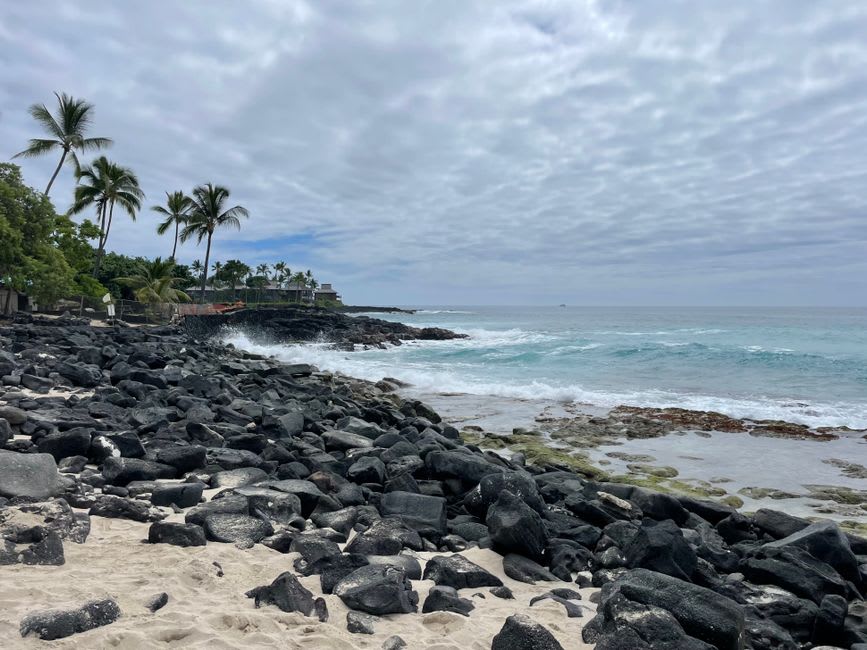
Kailua-Kona proper is smaller and scruffier than the coffee-and-mantas reputation suggests — a seawall promenade, Hulihe’e Palace (a modest former royal residence you can tour in twenty minutes), and Mokuaikaua Church, the oldest Christian church in Hawai’i, its coral and lava-rock walls still standing since 1837. We ate poke from a plastic container on a bench by the harbor and watched outrigger canoe teams practice at dusk, paddles cutting the water in unison, and it felt less like a tourist stop than a town going about its evening.
When to go: Year-round, since Kona sits in the island’s dry rain shadow. Manta ray dives run nightly regardless of season, though visibility is best May through September. Book both the dive and any farm tours ahead in the July-August peak.
Keep exploring
More from Hawai'i
 hawaii
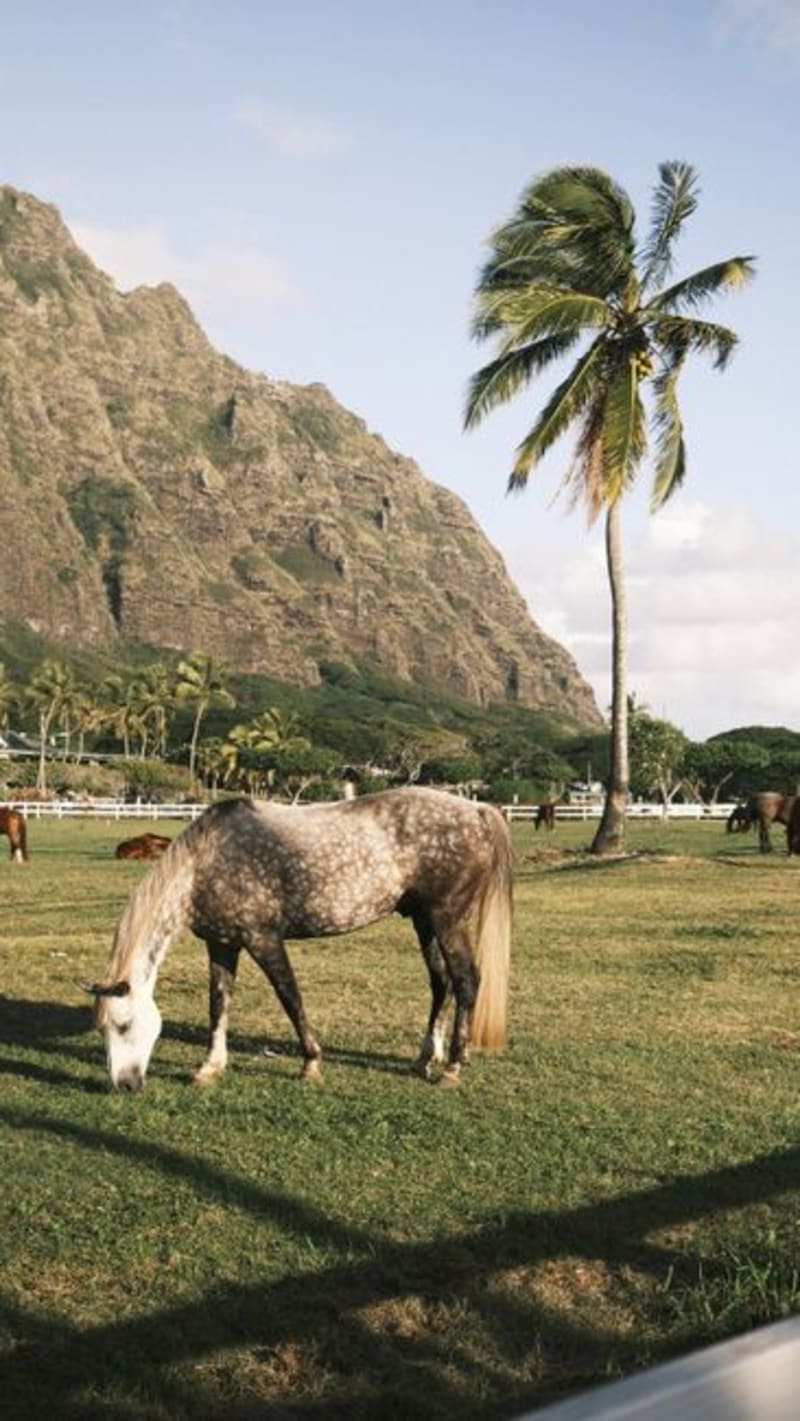
 Kualoa Ranch
A working cattle ranch beneath the Ko'olau cliffs that has doubled as Jurassic Park, Godzilla's island, and half of Hollywood's tropical backlot.
Explore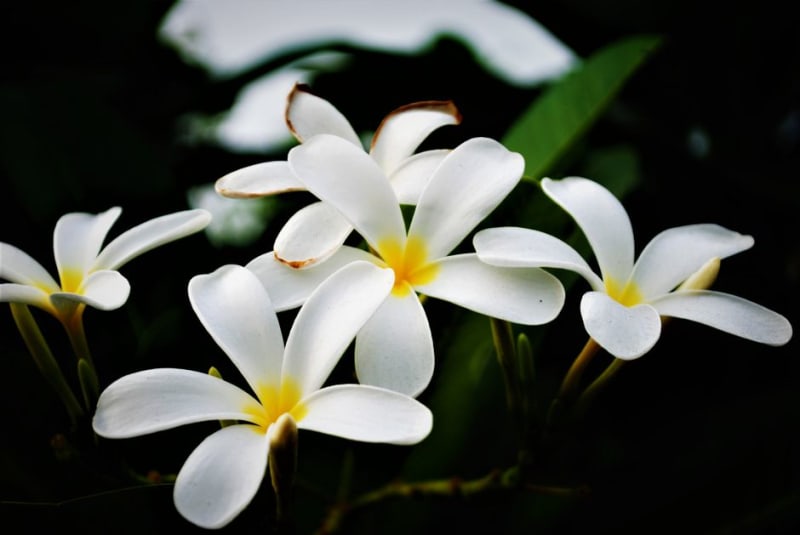 hawaii
 Kula Botanical Garden
A cool-climate garden on Haleakala's slopes where proteas, orchids, and a resident flock of peacocks make Maui feel briefly like the Scottish Highlands.
Explore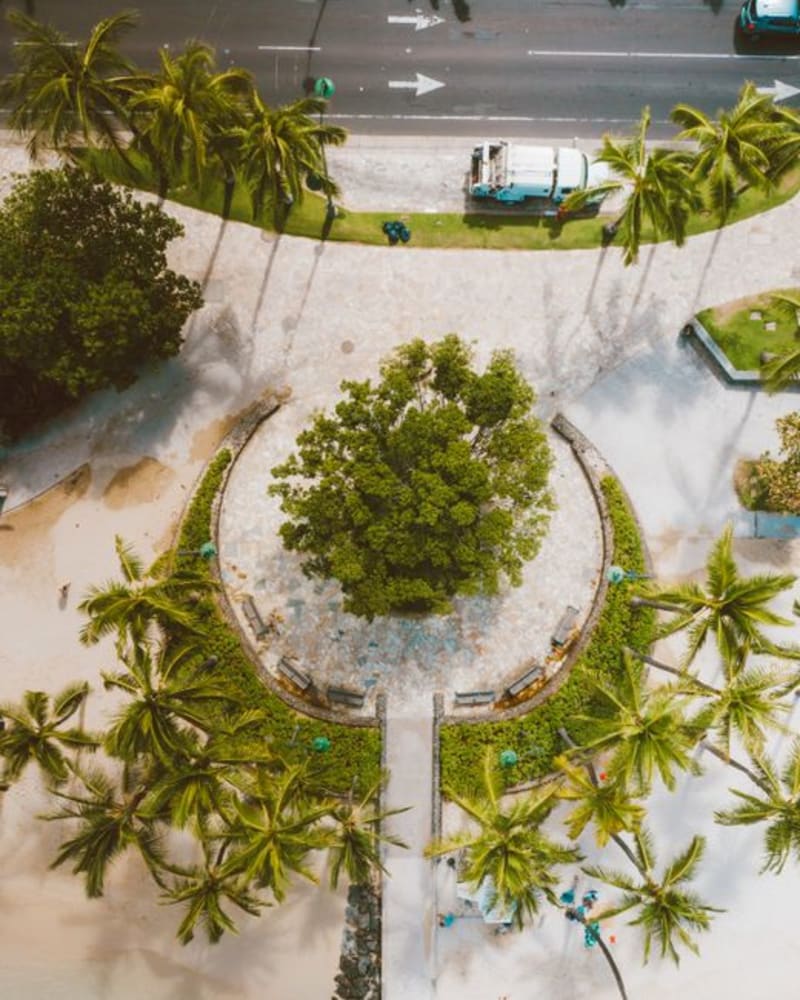 hawaii
 Lahaina Banyan Tree
The largest banyan tree in the United States, a living landmark at the heart of Lahaina that survived the 2023 wildfire and has become a symbol of the town's slow recovery.
Explore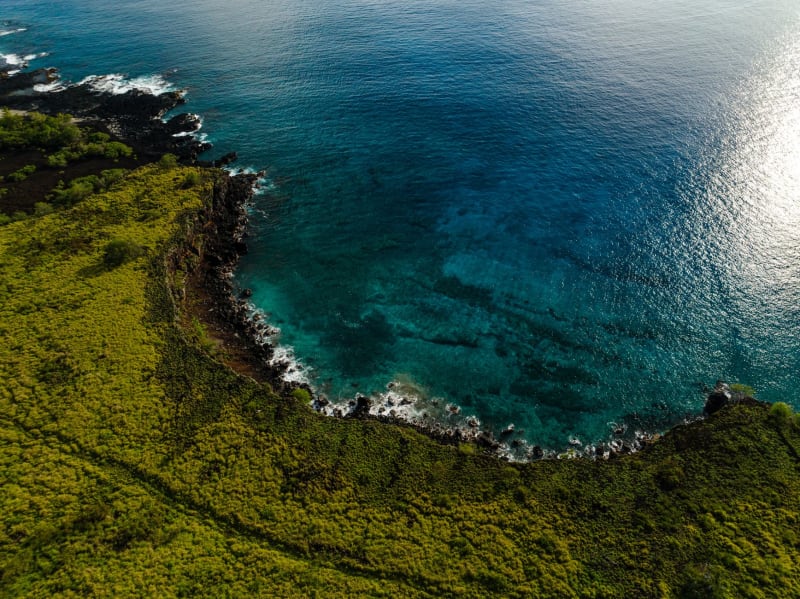 hawaii
 Lanai
A former pineapple plantation turned private-feeling escape where red dirt roads end at boulders that look carved by a god with too much time.
Explore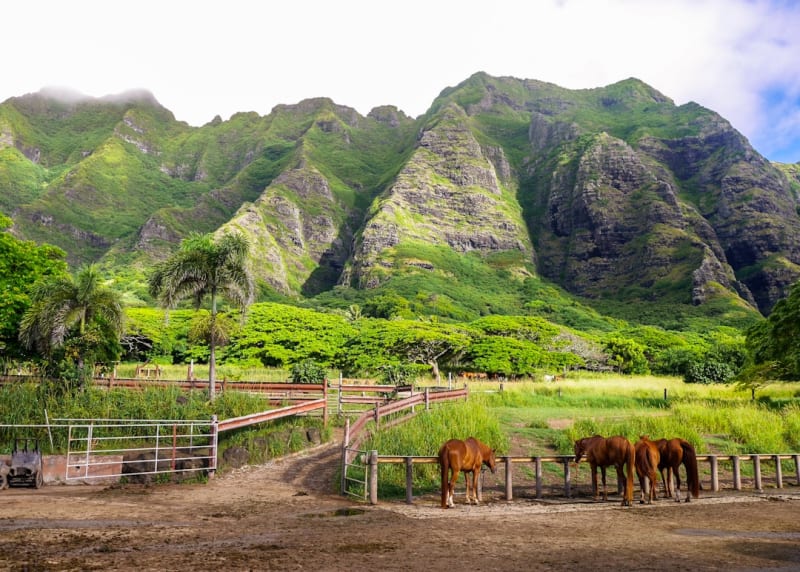 hawaii
 Lanai Cat Sanctuary
Six hundred rescued cats living free-roaming in a fenced sanctuary at the island's dry edge, built to keep them off a reef and out of a native bird colony — and to give them the best life on the island.
Explore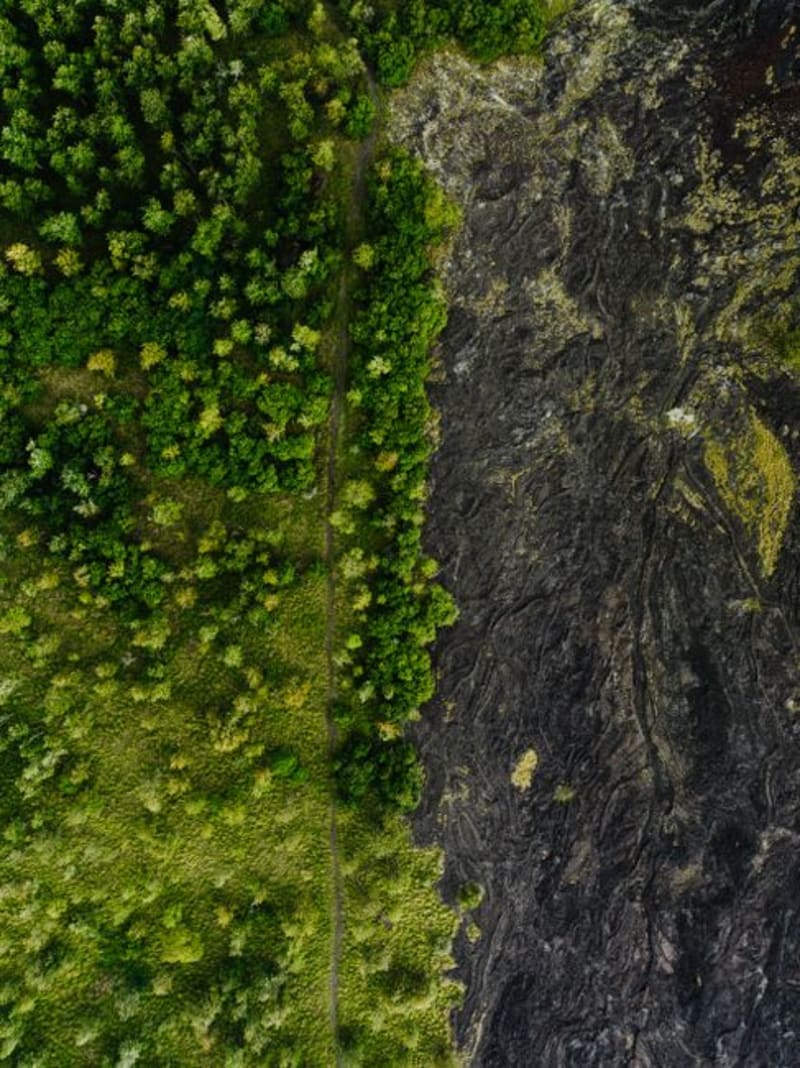 hawaii
 Lava Tree State Park
A shaded grove on the Big Island where 1790 lava flowed around an ohia forest and left behind eerie stone tree molds.
Explore