Chinatown Honolulu
"Nobody comes to Hawaii for this. I think that's exactly why it's worth coming for."
Herbalists, lei stands, and a First Friday art walk in the fifteen blocks that feel least like anyone's idea of Hawaii — and are all the better for it.
Chinatown is the fifteen minutes of Honolulu that no postcard prepares you for — no palm trees framing the shot, no ocean in sight, just narrow blocks of herbalists, lei stands, dive bars, and a produce market that’s been running since the 1900s. I went expecting a quick pass-through and stayed most of an afternoon.
Maunakea Street at Dawn
The lei stands on Maunakea Street open absurdly early, some before 6am, stringing plumeria and pikake by hand for weddings and graduations happening that same day. I stopped at one run by a woman who’d been making leis at that corner for over thirty years, and watched her fingers move through the flowers faster than I could track the pattern. A short lei ran me eight dollars — cheaper and dramatically fresher than anything sold at the Waikiki hotel shops a few kilometers away.
The Market That Isn’t for Tourists
Oahu Market and the nearby Kekaulike Market stalls sell things I didn’t have names for — bitter melon, live fish still moving in shallow trays, dried cuttlefish by the kilo, herbs bundled for teas an herbalist down the block would prescribe by hand. This is where a lot of Honolulu’s restaurants actually source their produce, and the prices reflect a local clientele rather than a tourist one. I bought a bag of lychee for less than I’d have paid for three at a hotel gift shop.
First Friday, and the Neighborhood After Dark
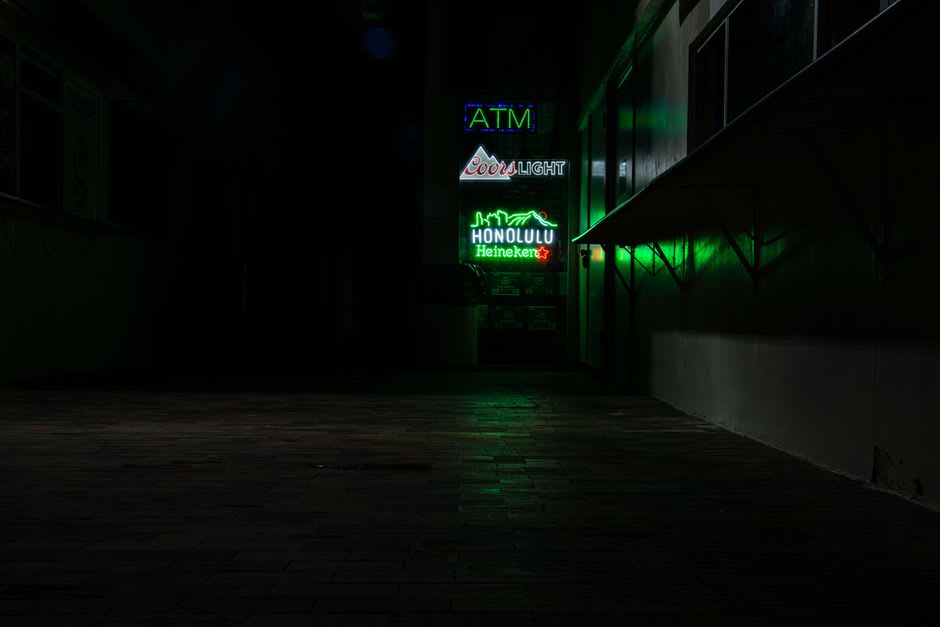
Once a month, the whole district turns into an open-air art walk — galleries, pop-up vendors, and a street-party energy that pulls in a crowd Chinatown doesn’t see the rest of the month. We happened to be there on the right Friday by accident, and it recast the entire neighborhood: bars I’d walked past as sketchy at 2pm were spilling out onto the sidewalk with live music at 9pm. Nu’uanu Avenue’s older buildings, some dating to the 1900s reconstruction after the Chinatown fire, take on a completely different character lit up at night than they do in the flat midday sun.
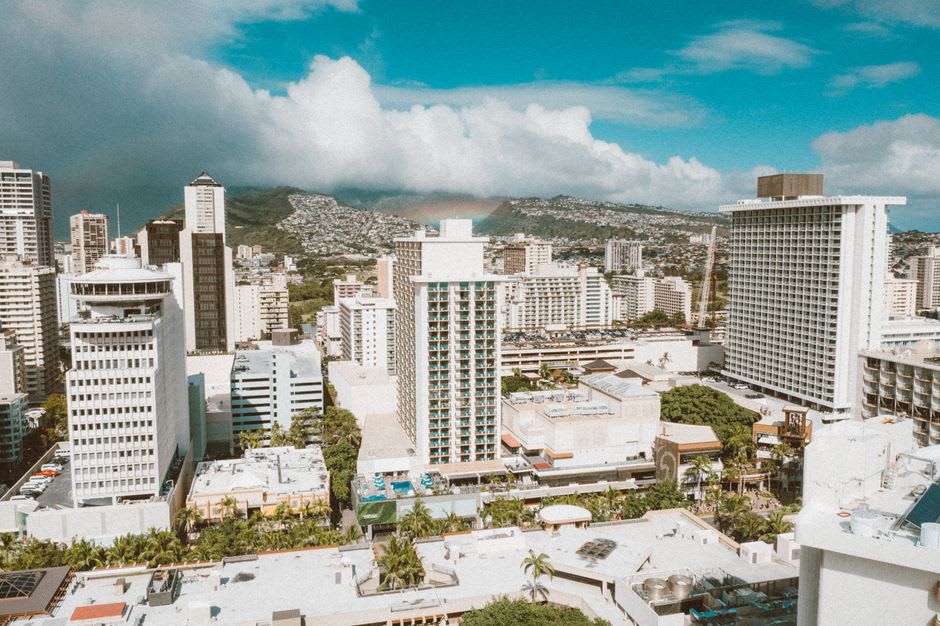
When to go: Visit the produce and lei markets early morning, before 9am, when they’re liveliest and coolest. Time a trip for the first Friday of the month if you want the art walk. Exercise normal city awareness after dark outside of First Friday — parts of the district are genuinely rougher once the shops close.
Keep exploring
More from Hawai'i
 hawaii
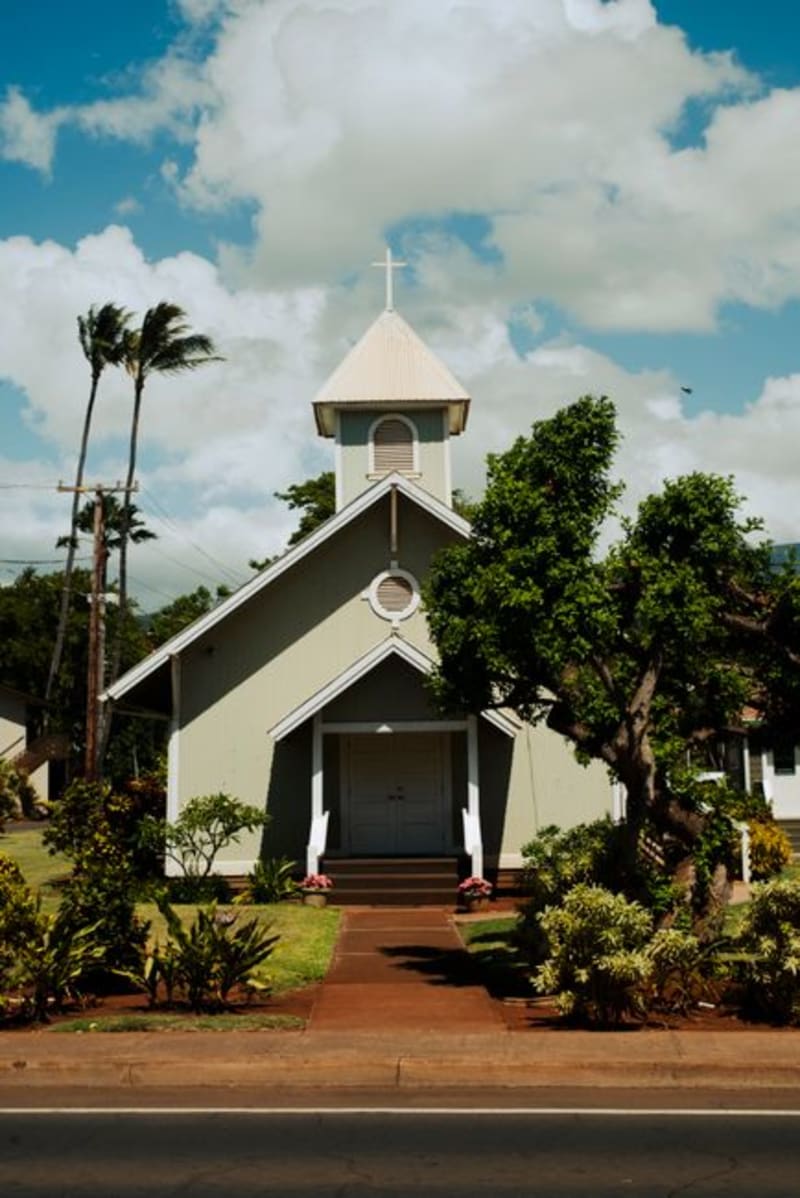
 Father Damien's Church at Kalaupapa
The small white church built by hand at the Kalaupapa settlement, where a Belgian priest chose exile alongside patients no one else would touch, and later died of the disease himself.
Explore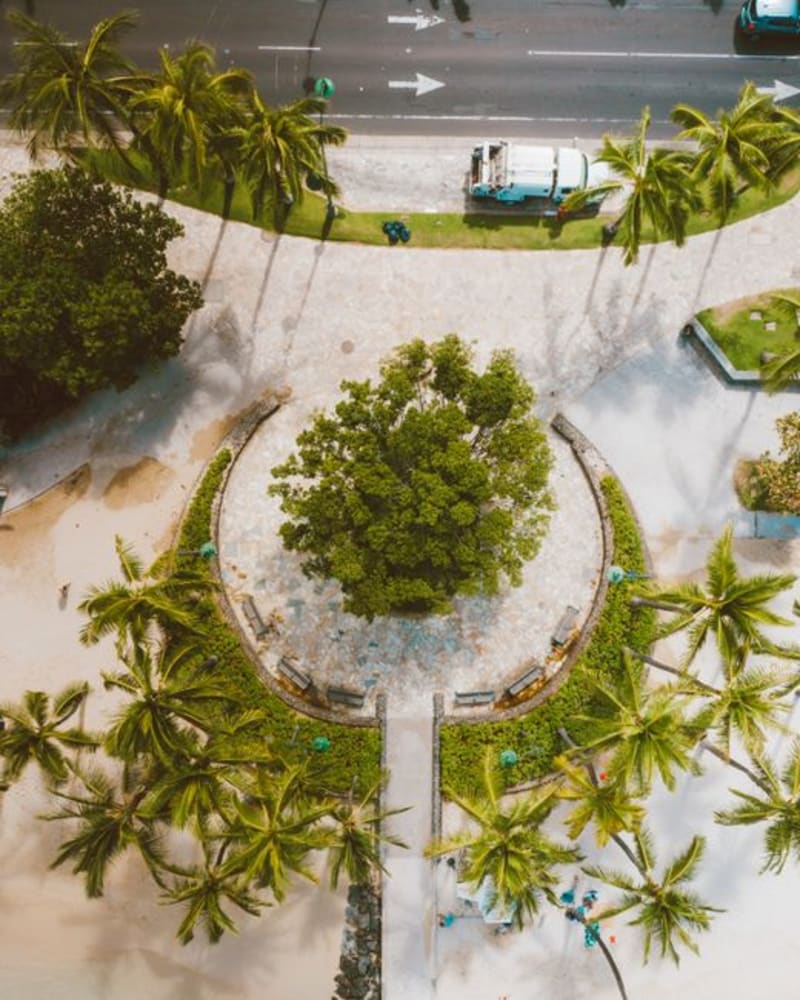 hawaii
 Dole Park
The plantation-era town square at the heart of Lanai City, ringed by Norfolk pines and faded storefronts, where the whole island still gathers for anything worth gathering for.
Explore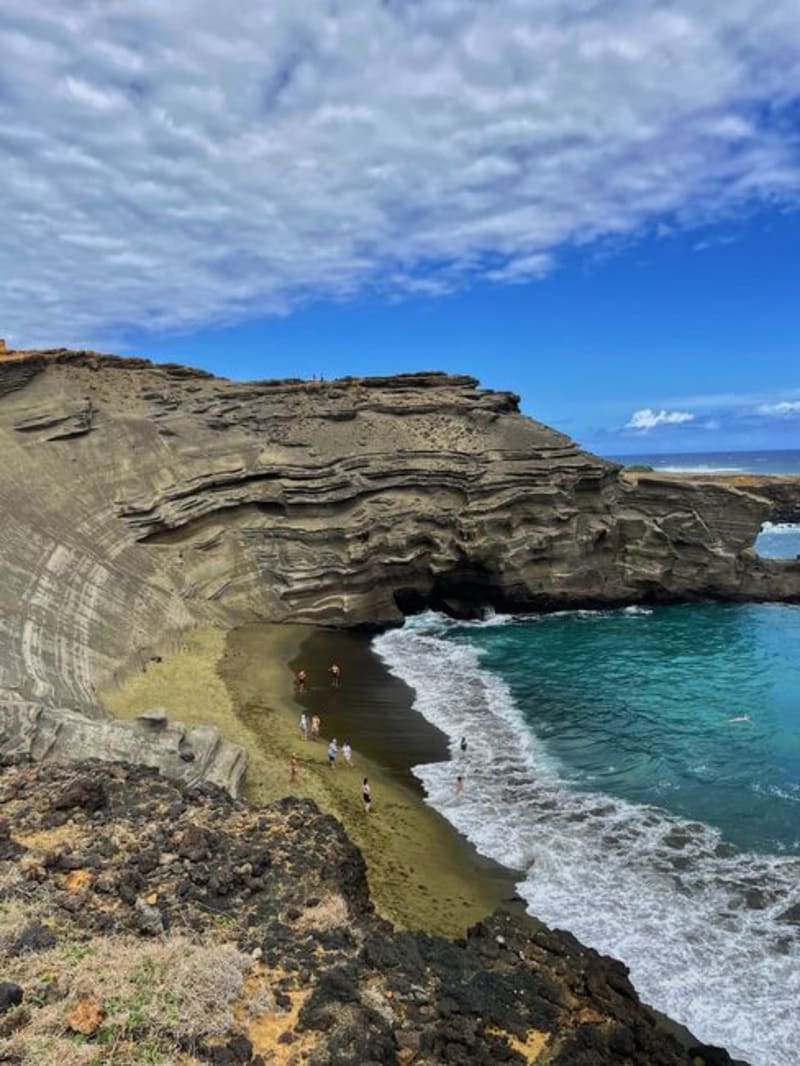 hawaii
 Green Sand Beach
A remote olivine-crystal beach near South Point, reached by a rutted coastal walk or a bone-rattling truck ride along the island's windiest edge.
Explore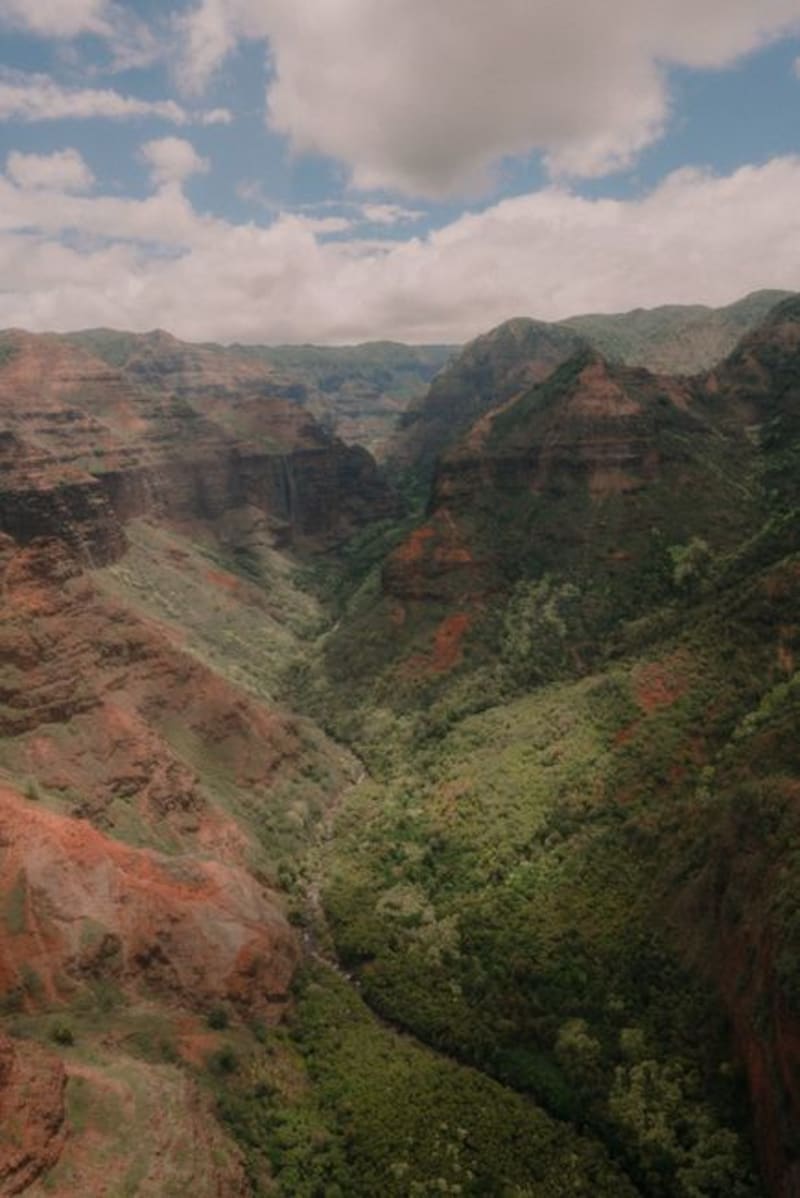 hawaii
 Halawa Valley
Molokai's oldest continuously inhabited valley, reachable only by guided hike, where a Native Hawaiian family shares taro farming traditions dating back a thousand years.
Explore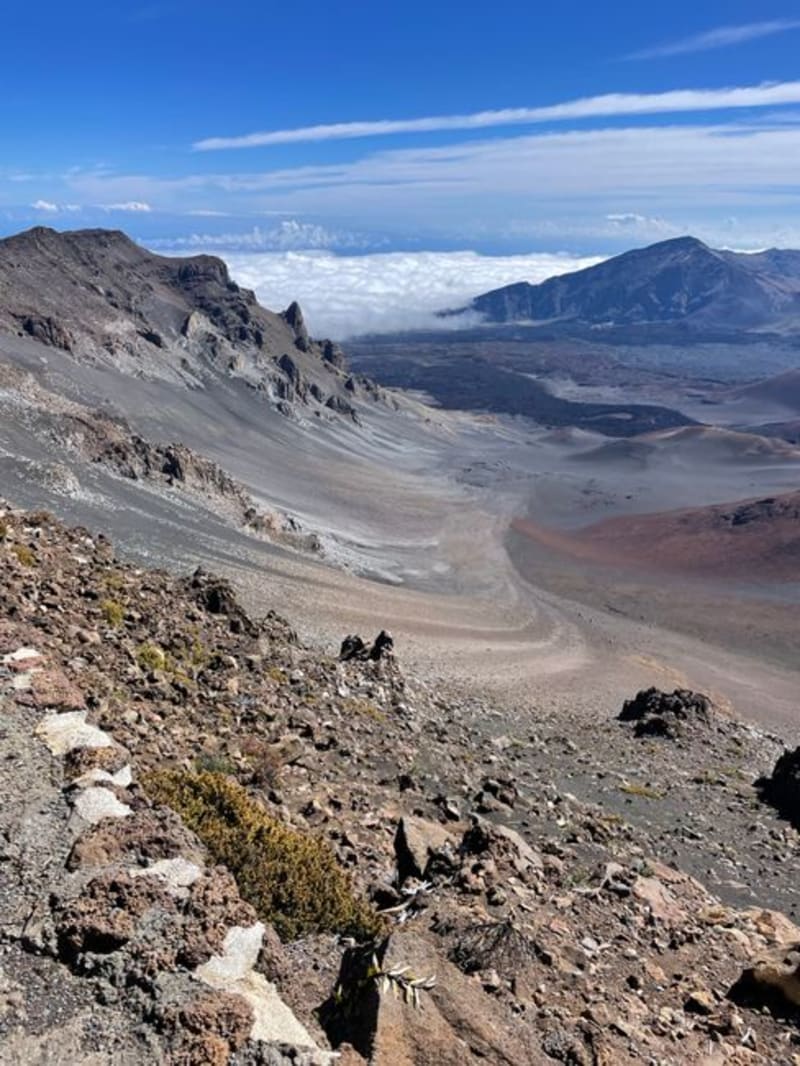 hawaii
 Haleakalā Summit
A 3,000-meter volcano where you drive from sea level into the cold before dawn to watch the sun rise above the clouds.
Explore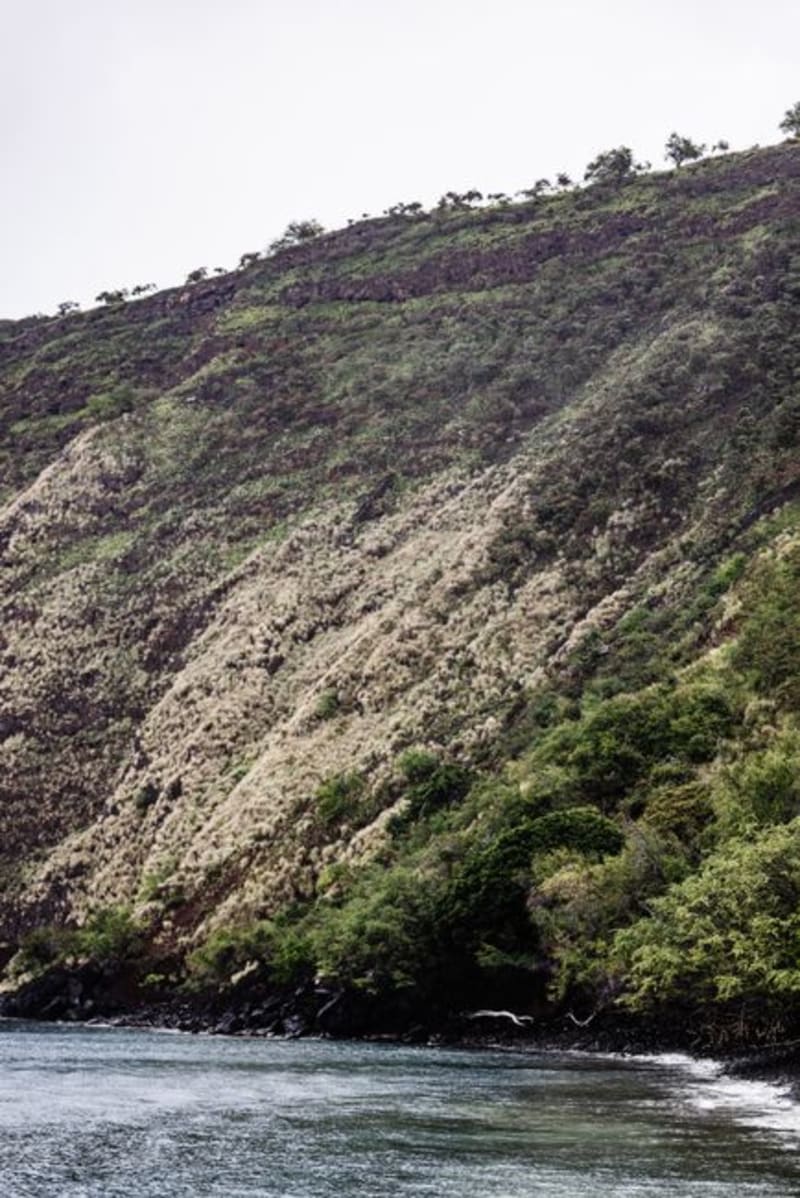 hawaii
 Hamakua Coast
Forty miles of sea cliffs, waterfalls, and old sugar towns on the Big Island's wild, wet windward shore.
Explore