Bishop Museum
"I went in expecting a school-trip museum. I came out having rearranged everything I thought I understood about Polynesian navigation."
The archive of an entire vanished kingdom, built by a widower for his wife's memory and now the deepest collection of Hawaiian and Pacific culture on earth.
Every other stop on Oahu had prepared me for beaches, volcanoes, surf. Nothing prepared me for the feather cloaks. Bishop Museum sat on my itinerary as a rainy-day backup, and it ended up being the single best few hours of context I got for everything else I saw on the island afterward.
A Museum Built From Grief
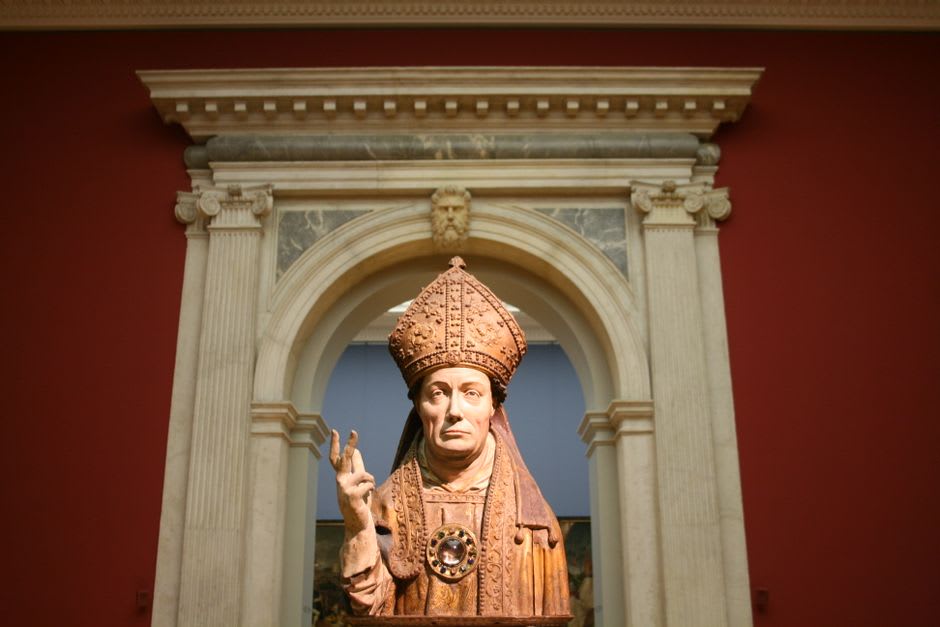
Charles Reed Bishop founded the museum in 1889 in memory of his wife, Princess Bernice Pauahi Bishop, the last direct descendant of Kamehameha the Great, whose personal collection of royal Hawaiian objects became its founding core. That origin shows in the weight the place gives to its holdings — this isn’t a colonial trophy case, it’s closer to a family archive that happened to become the national one. The Hawaiian Hall, a three-story Victorian gallery of native koa wood, houses feather cloaks (ahu’ula) made from tens of thousands of individual bird feathers, each cloak representing a chief’s rank and requiring the collaborative labor of an entire community across years.
The Canoe That Changed My Understanding of the Pacific
Suspended in the same hall is a double-hulled voyaging canoe, and standing beneath it I finally understood something I’d read about but never felt: Polynesian navigators crossed thousands of miles of open Pacific without instruments, reading star paths, wave patterns, and bird flight, centuries before European ships worked out longitude. The museum’s exhibits on wayfinding — tied to the modern voyaging canoe Hōkūleʻa, which recreated those ancestral routes starting in 1976 — reframed every other Hawaiian site I visited afterward. The Nā Pali Coast and the Ko’olau cliffs stopped being just scenery and started being the edge of a world that people navigated to on purpose.
Beyond Hawai’i
The museum’s Pacific Hall widens the lens to Micronesia, Melanesia, and the rest of Polynesia, and the planetarium runs shows connecting traditional wayfinding to modern astronomy — genuinely worth the extra hour if you have kids or just like watching a room full of adults get quietly floored by the same idea.
When to go: Any time — this is an indoor, air-conditioned counterpoint to a beach-heavy itinerary, and genuinely better on an overcast day when you’d rather not be in the water anyway. Budget a minimum of three hours; the Hawaiian Hall alone rewards slow reading of every placard.
Keep exploring
More from Hawai'i
 hawaii
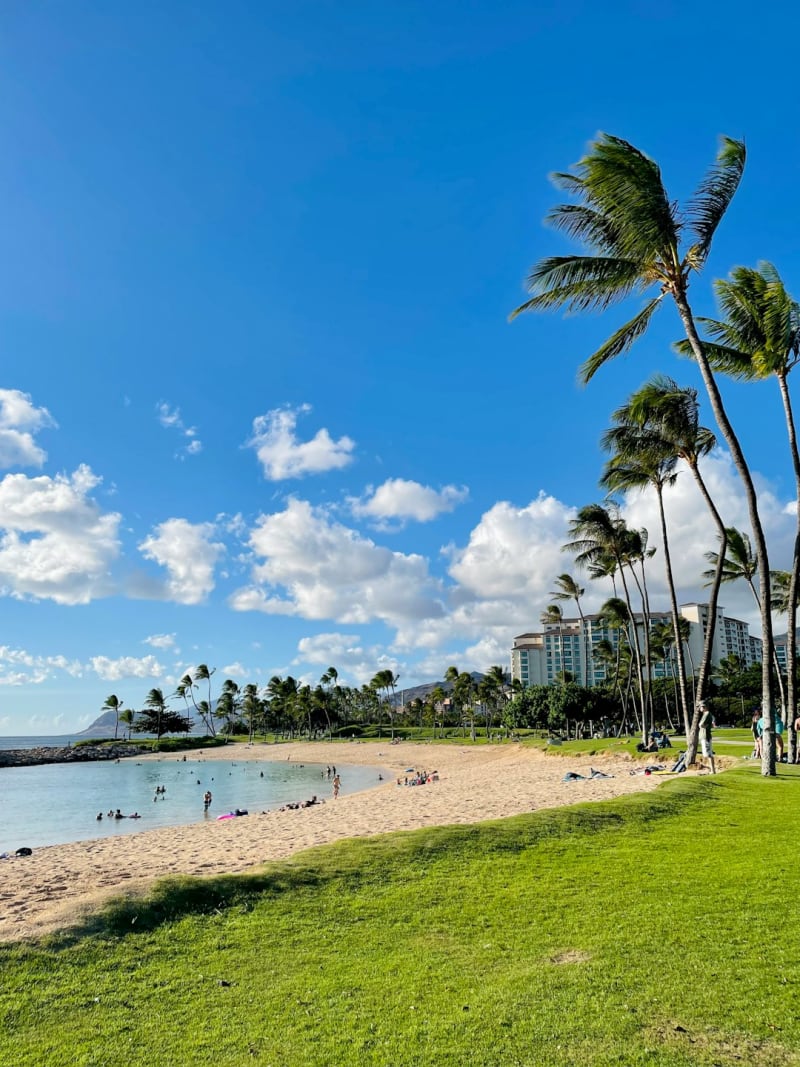
 Chinatown Honolulu
Herbalists, lei stands, and a First Friday art walk in the fifteen blocks that feel least like anyone's idea of Hawaii — and are all the better for it.
Explore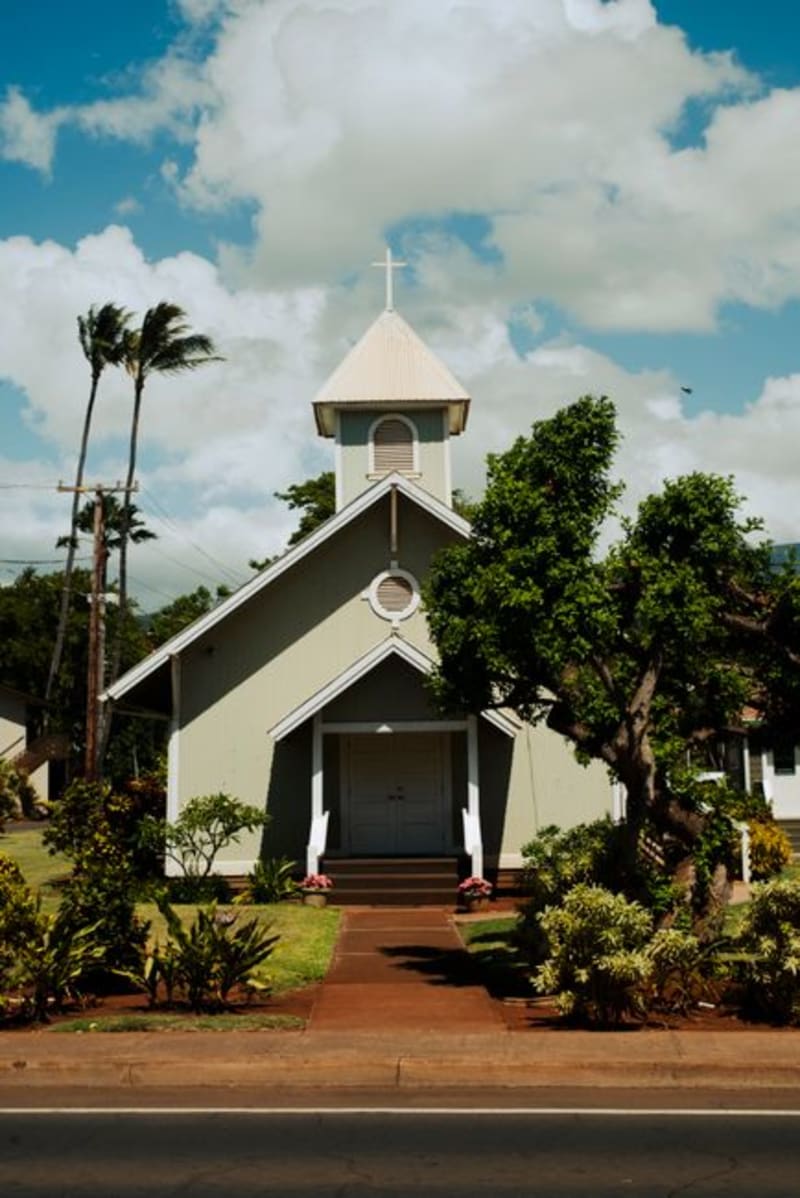 hawaii
 Father Damien's Church at Kalaupapa
The small white church built by hand at the Kalaupapa settlement, where a Belgian priest chose exile alongside patients no one else would touch, and later died of the disease himself.
Explore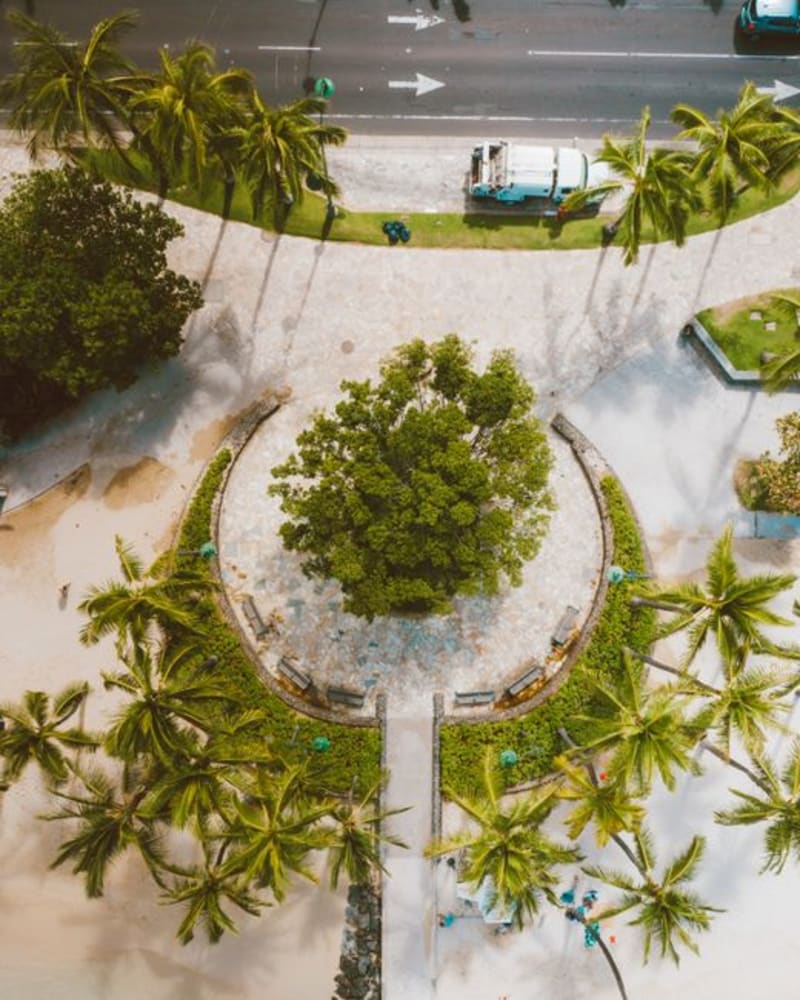 hawaii
 Dole Park
The plantation-era town square at the heart of Lanai City, ringed by Norfolk pines and faded storefronts, where the whole island still gathers for anything worth gathering for.
Explore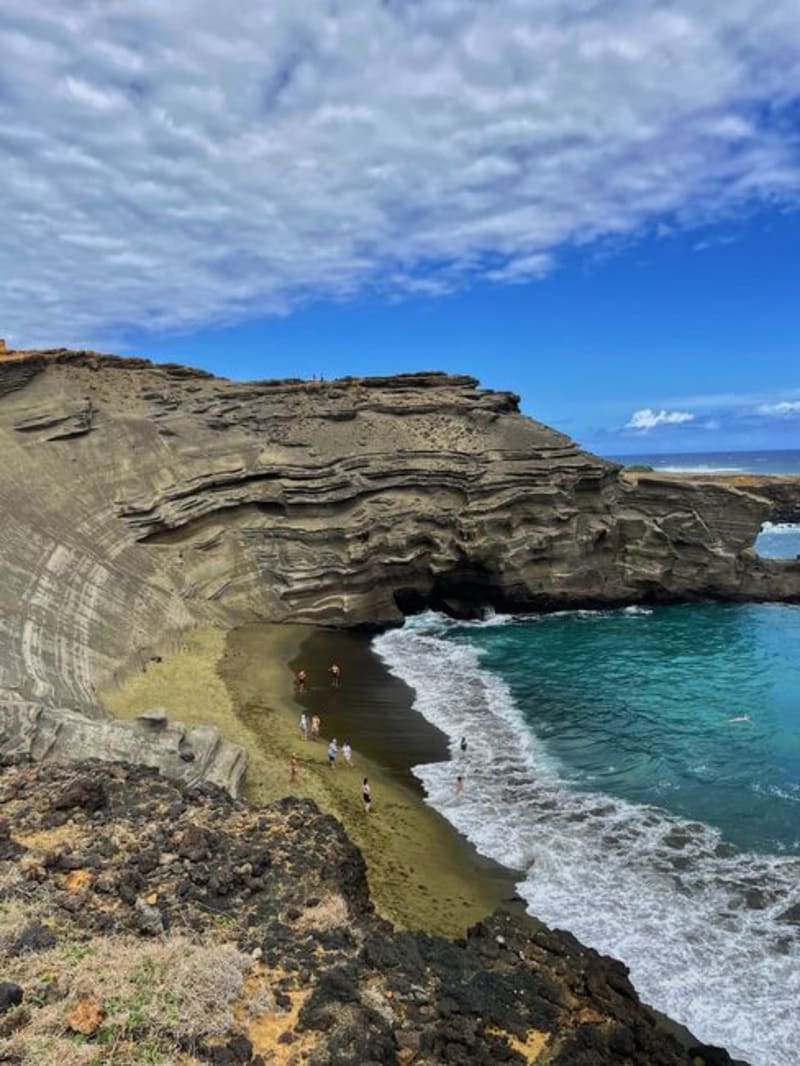 hawaii
 Green Sand Beach
A remote olivine-crystal beach near South Point, reached by a rutted coastal walk or a bone-rattling truck ride along the island's windiest edge.
Explore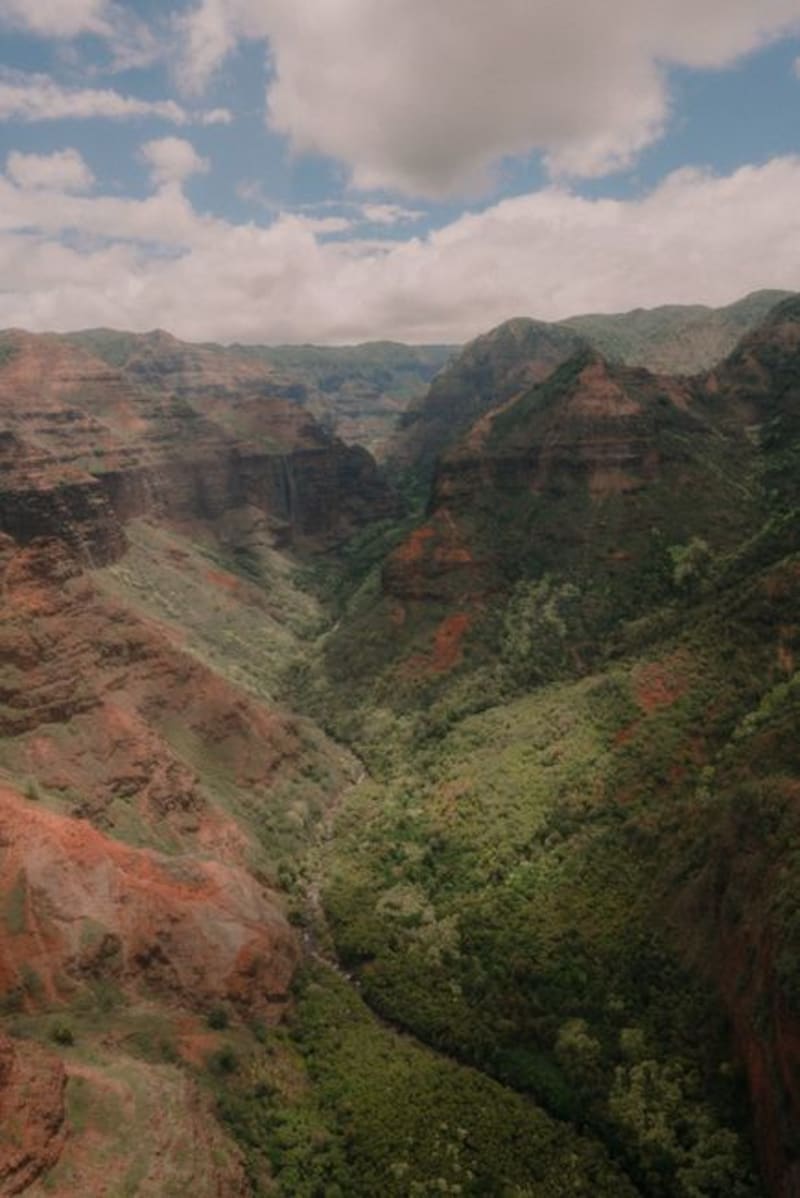 hawaii
 Halawa Valley
Molokai's oldest continuously inhabited valley, reachable only by guided hike, where a Native Hawaiian family shares taro farming traditions dating back a thousand years.
Explore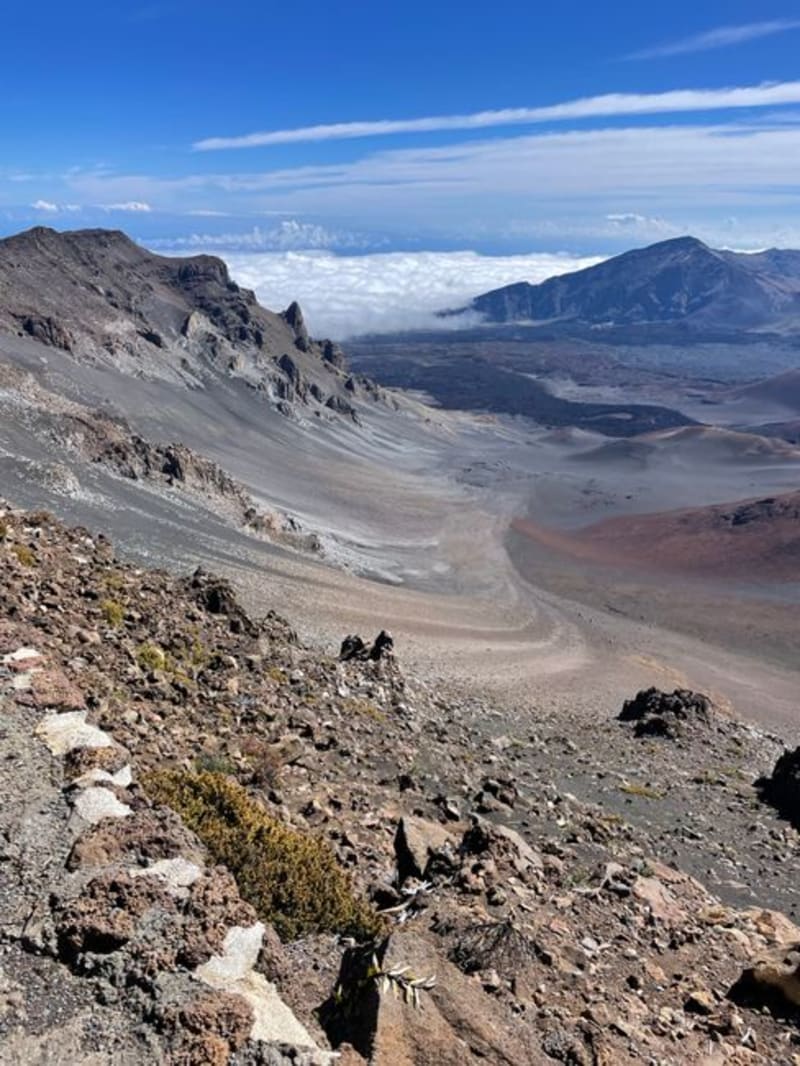 hawaii
 Haleakalā Summit
A 3,000-meter volcano where you drive from sea level into the cold before dawn to watch the sun rise above the clouds.
Explore