Cedar Key
"Cedar Key felt like the Gulf Coast forgot to update itself, and I mean that as the highest compliment."
A cluster of quiet Gulf islands where cedar pencils once shipped by rail, now home to fishermen, clam farmers, and pelicans.
Lia found Cedar Key on a map almost by accident, a scatter of little islands hanging off Florida’s Gulf Coast about an hour southwest of Gainesville, and neither of us had heard of it before. We drove down a two-lane road through pine flatwoods that just kept narrowing until the horizon opened up into water on both sides, and I remember thinking this place had the feel of somewhere that used to matter more than it does now. Turns out that instinct was right: in the 19th century Cedar Key was a real industrial port, shipping cedar for pencil slats out on the Florida Railroad line that David Levy Yulee finished building in 1861. Companies like Eberhard Faber and Eagle Pencil stripped the eastern red cedar from these islands until there just wasn’t any left to cut, and by the early 1900s the boom was over.
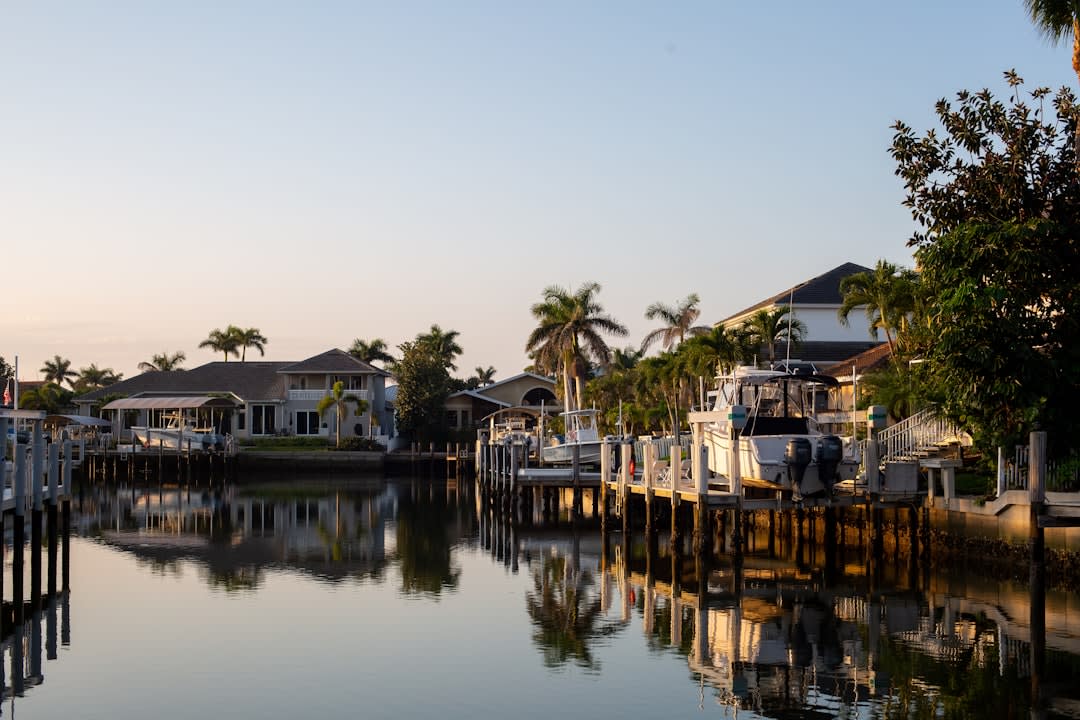
What’s left instead is something I liked even more. Walking the short main strip of Dock Street that first evening, past bait shops and stilt houses with faded paint, I kept noticing how the town had simply pivoted to the water itself once the trees ran out, first fishing, then clams. We ate dinner at a place with a screened porch overlooking the channel, and I had clams that the waitress told me were farmed right offshore, part of what’s now one of the largest clam aquaculture operations in the state. Lia teased me for asking so many questions about clam farming over dinner, but I couldn’t help it; there’s something satisfying about eating the thing the town actually reinvented itself around.
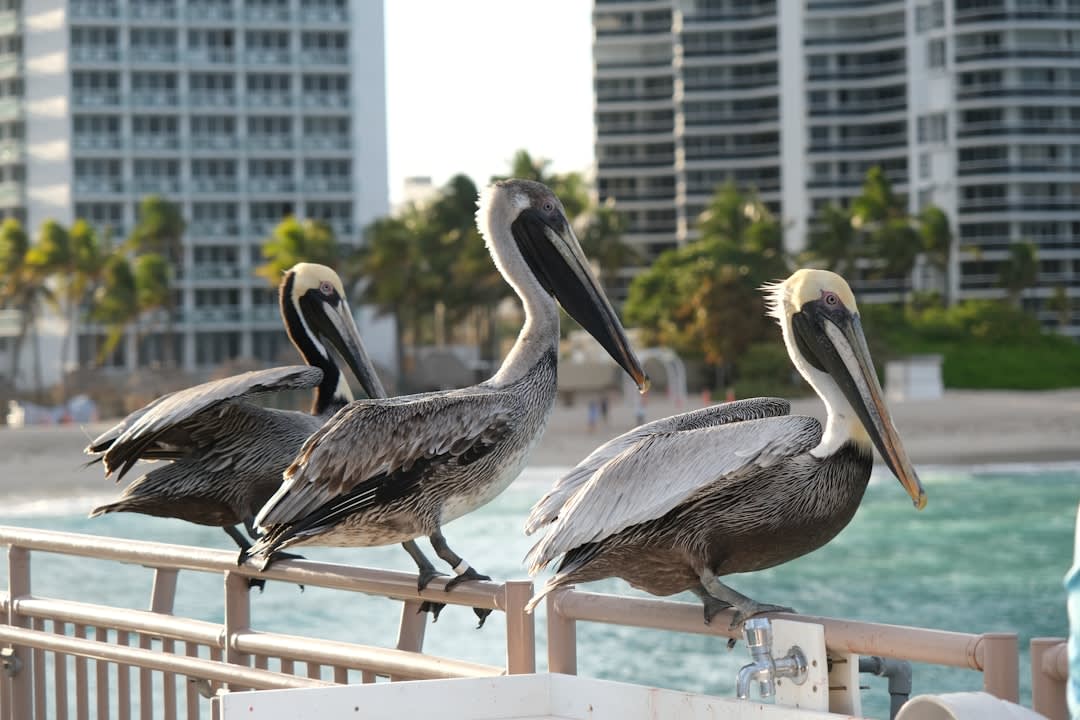
The next morning we took a boat out toward the Cedar Keys National Wildlife Refuge, a scatter of protected islands established back in 1929 to give pelicans and herons somewhere to nest undisturbed. Our guide cut the engine near one of the smaller keys and the whole shoreline seemed to be moving, wings folding and unfolding in the mangroves, brown pelicans dropping into the water like they’d been dropped from a height. I’d seen pelicans plenty of times on this coast, but never in that kind of density, never with that sense that the birds, not the people, were clearly the ones who belonged there.
By our last afternoon we’d slowed down to the town’s own pace, sitting on a bench near the water with shrimp we’d bought straight off a boat, watching the light go soft and orange over the flats. Cedar Key isn’t a place that tries to impress you quickly. It rewards the kind of traveler who’s happy to sit still and let a town with this much history reveal itself slowly, one clam, one pelican, one quiet dock at a time.
When to go: We went in the spring and got warm, easy days without a hint of the summer storms locals warned us about — aim for October through November or March through May if you want that same mild, unhurried version of Cedar Key.
Keep exploring
More from Gulf Coast
 gulf-coast
 Dauphin Island
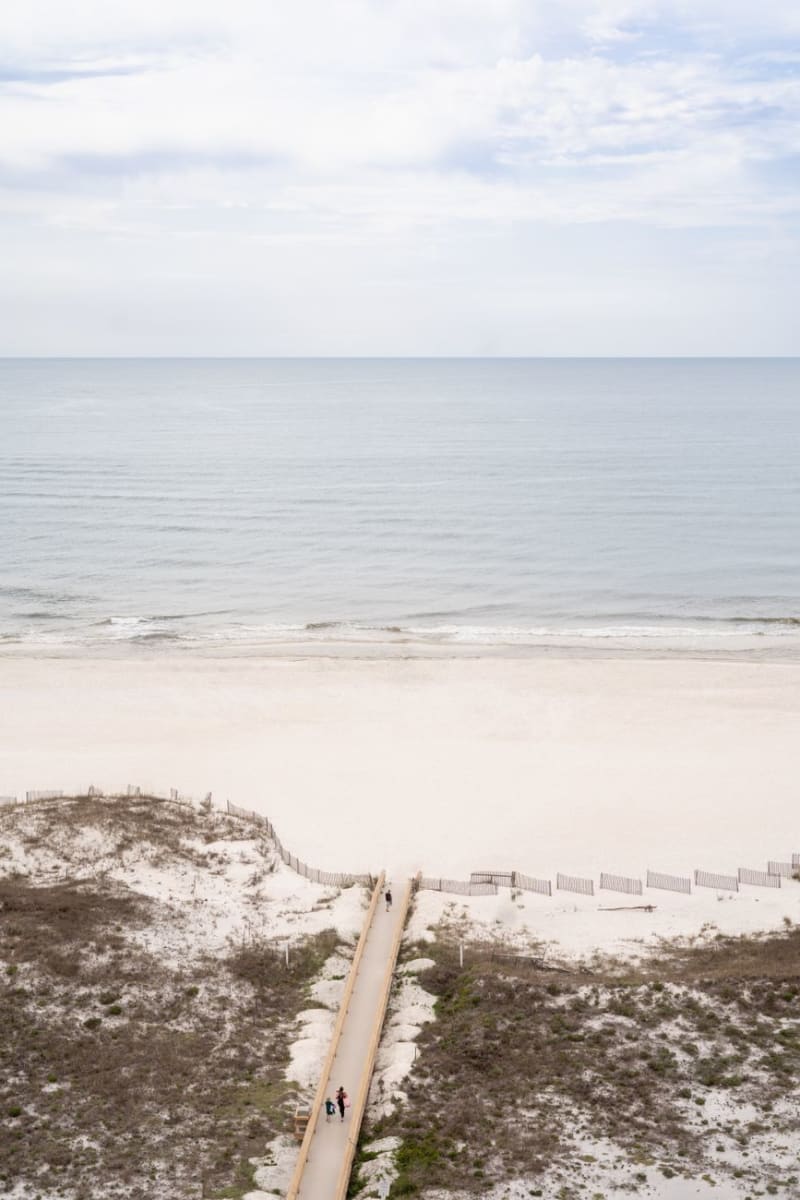
A low, sandy barrier island at the mouth of Mobile Bay in Alabama, famous among birders as the first dry land migrating songbirds touch after crossing the Gulf.
Explore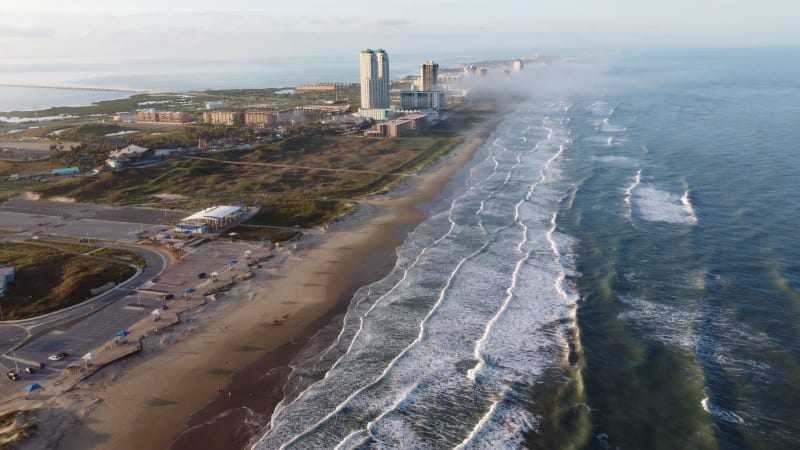 gulf-coast
 Galveston
A Victorian island city that survived the worst natural disaster in American history and came back stranger and more beautiful for it.
Explore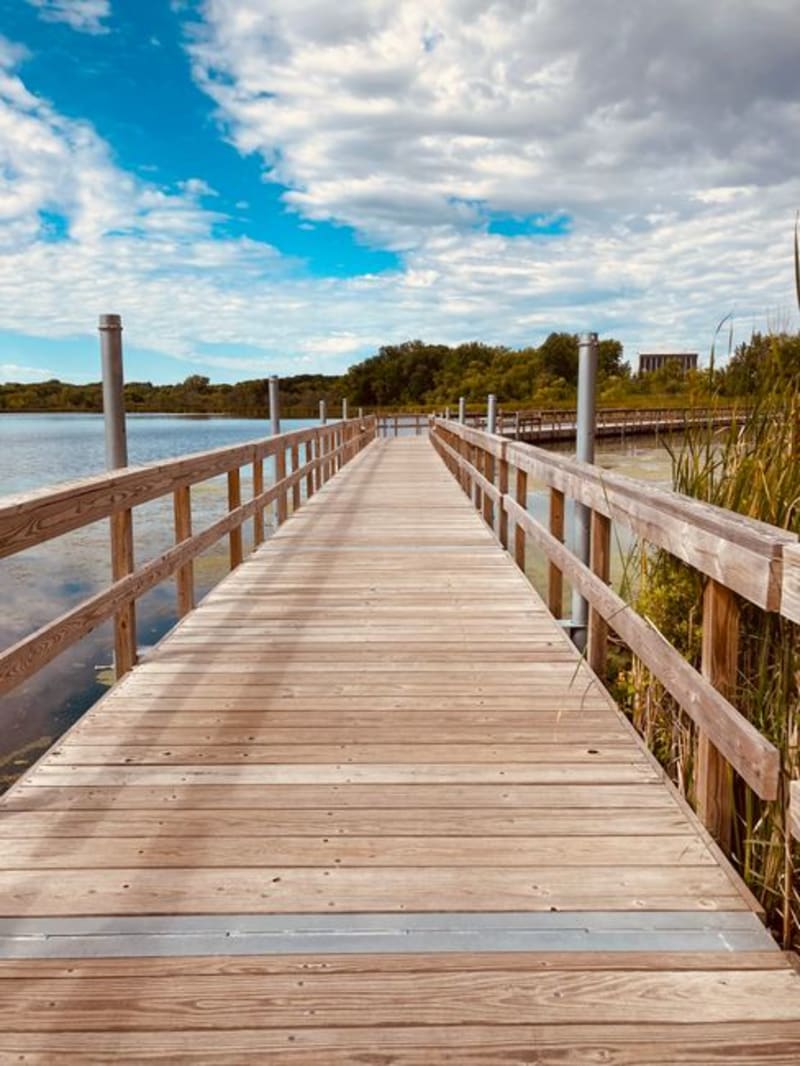 gulf-coast
 Grand Isle
Louisiana's only inhabited barrier island, where pelicans, tarpon boats, and hurricane-scarred camps sit at the edge of Barataria Bay.
Explore gulf-coast
 Lafayette
The capital of Cajun country, where French persisted underground for two centuries and the food is worth flying across an ocean for.
Explore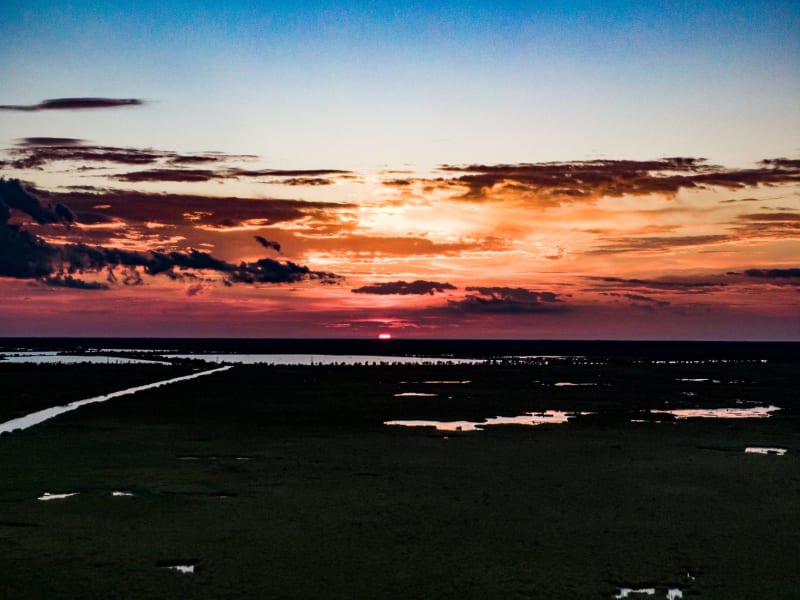 gulf-coast
 Mobile
Alabama's port city and the place where Mardi Gras actually started in America — a fact it has been quietly proud of for three centuries.
Explore gulf-coast
 New Orleans
A city that operates on its own frequency — brass bands, second lines, and heat that makes the whole world slow down.
Explore