Totonicapán
"This is a town that governs its own forests and doesn't much care what the capital thinks about it."
A K'iche' highland capital known for its potters and mask-carvers, and for a communal land governance system its residents have defended, sometimes in the streets, for generations.
Totonicapán doesn’t try very hard to be visited, and that’s exactly why I liked it. It’s the department capital, a proper highland city with its own rhythms, and unlike Antigua or even Xela it makes almost no concession to tourism — there’s no gringo café strip, no boutique hotel row. I came in on a bus from Xela, wandered without much of a plan, and ended up, as you often do in Guatemala, following the smell of woodsmoke and wet clay to a workshop where a potter named Don Efraín was firing a batch of glazed jars in a kiln that looked older than he was.
Clay, Masks, and a Craft That Isn’t Performed for You
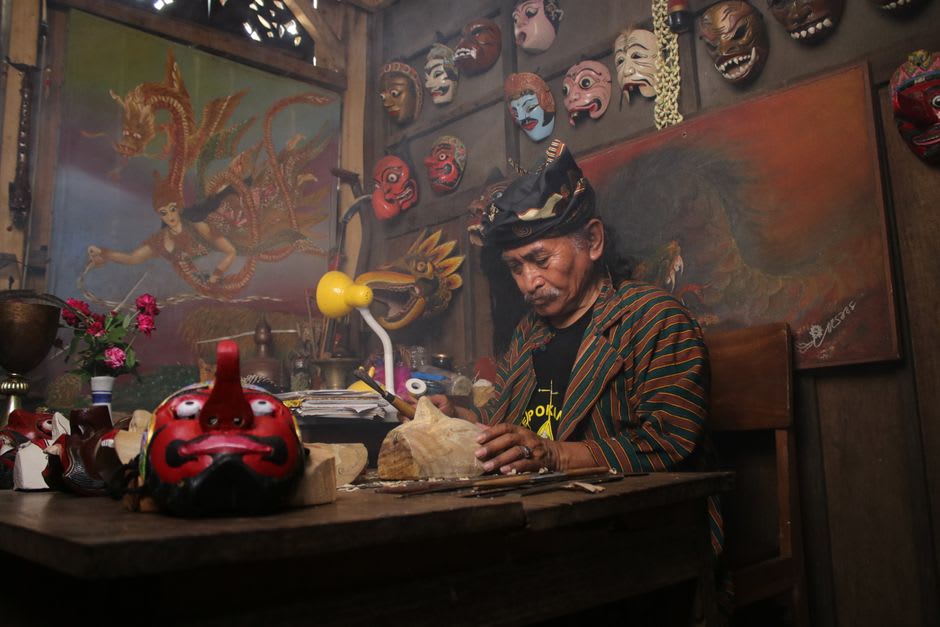
Totonicapán’s pottery tradition is distinct from the more famous ceramics of Antigua or Chinautla — heavier, glazed in deep greens and browns, made for actual kitchen use rather than the shelf. Don Efraín let me turn a half-finished jar on his kick wheel, badly, while he corrected my grip without much patience but a lot of good humor. A few streets over, a mask-carving workshop was preparing pieces for the town’s cofradía dance traditions — devil masks, conquistador masks, the kind of carved wooden faces used in the historical dance-dramas still performed at festivals across the highlands. The carver showed me a half-finished piece, wood shavings still curling off the chisel, and told me each mask takes about two weeks if he’s not rushed, longer if the wood fights him.
The Town That Governs Its Own Forests
What makes Totonicapán genuinely distinctive in Guatemala, beyond the crafts, is its system of communal land governance — the 48 Cantones, an indigenous municipal structure predating and largely operating independent of the national government, which manages shared forests, water sources, and civic decisions through an assembly system that residents have defended fiercely, including in nationwide protests that made headlines well beyond the department. A shopkeeper explained it to me with visible pride: this is not a passive indigenous heritage preserved for visitors, but an active, functioning system of self-governance that Totonicapán’s residents have been willing to shut down highways to protect. Standing in the plaza afterward, watching municipal business get conducted in K’iche’ as much as Spanish, that pride made a lot more sense.
When to go: Weekday mornings for workshop visits when potters and carvers are actually working; dry season (November to April) for easier travel on the surrounding highland roads.
Keep exploring
More from Guatemala
 guatemala
 Uaxactún
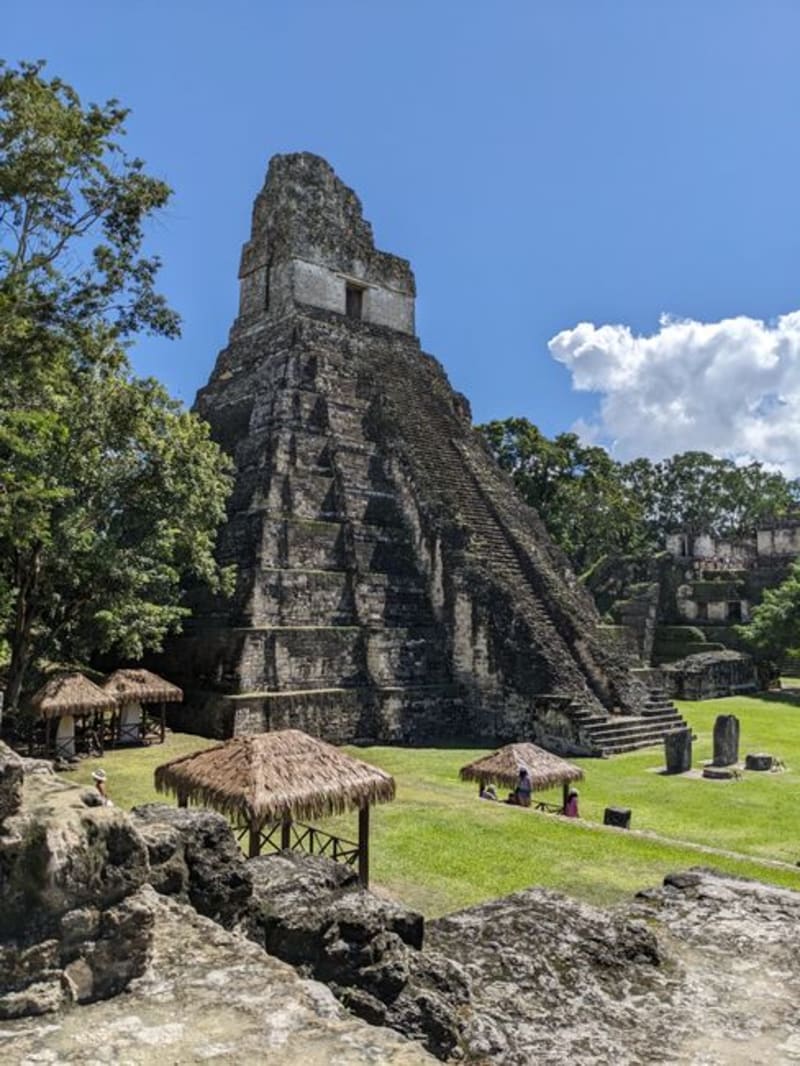
A quiet Maya site near Tikal, home to the astronomical Group E complex the Maya used to track solstices and equinoxes with startling precision.
Explore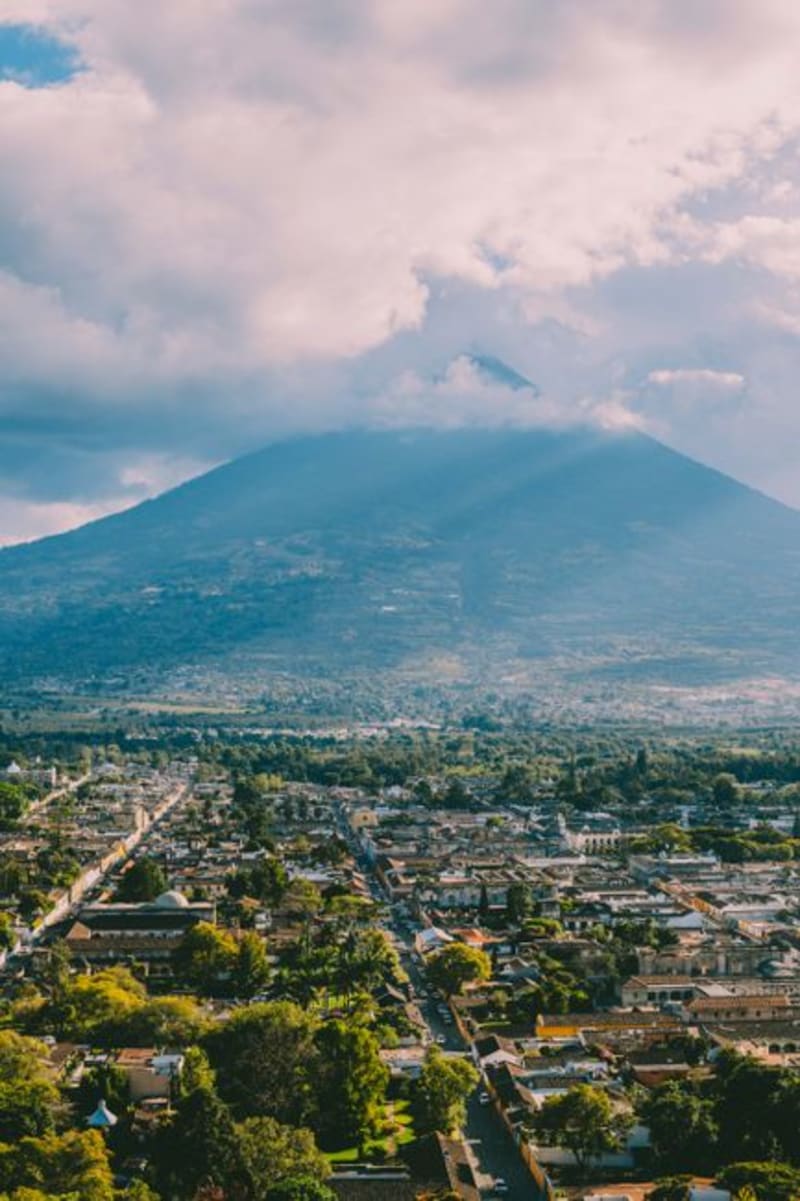 guatemala
 Volcán de Agua
The dormant giant looming over Antigua, whose 1541 mudslide erased a capital city and whose crater rim still rewards a brutal pre-dawn climb.
Explore guatemala
 Yaxhá
A vast Maya city stranded between two jungle lagoons in the Petén lowlands, where you can climb a temple at dusk and watch the forest swallow the sound of howler monkeys.
Explore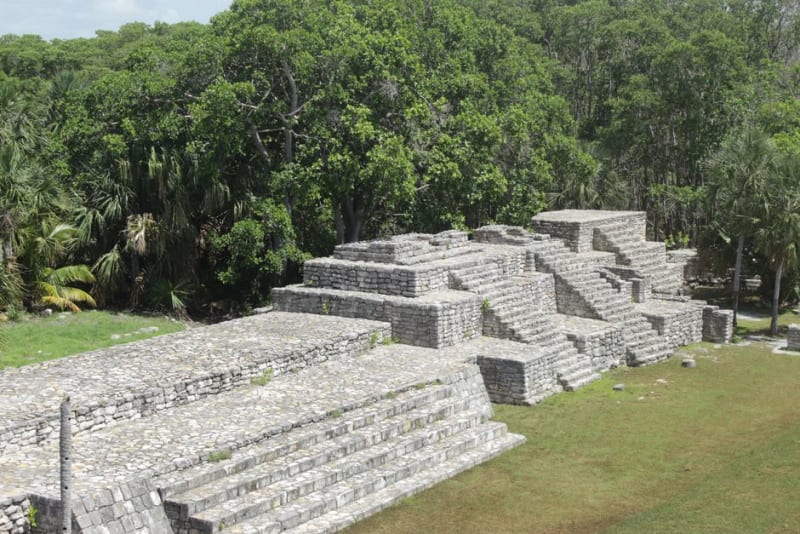 guatemala
 Zaculeu
A Postclassic Mam fortress on a ravine-cut plateau near Huehuetenango, restored so smoothly in the 1940s that it looks almost unreal against the pine hills.
Explore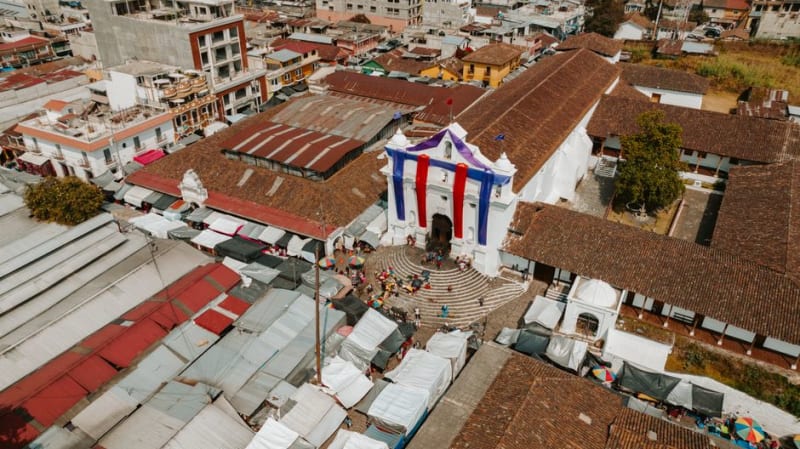 guatemala
 Zunil
A Kaqchikel highland town where cigar smoke curls around the folk saint Maximón and the market spills bright textiles onto cobblestone.
Explore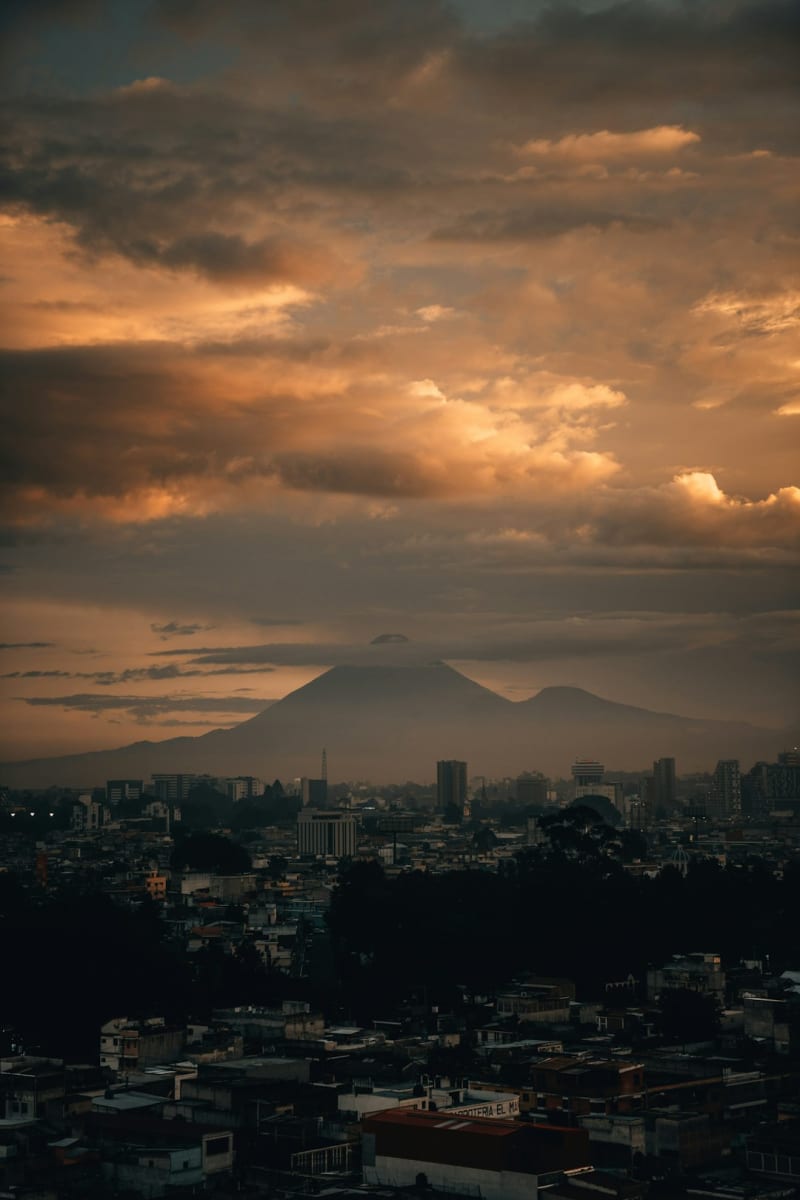 guatemala
 Acatenango
An overnight volcano trek where you camp in freezing wind just to watch its neighbor, Fuego, erupt in the dark a few kilometers away.
Explore