Todos Santos Cuchumatán
"I've watched a lot of strange sporting events, but nothing prepared me for grown men racing horses drunk, uphill, on November first."
A Mam Maya mountain town famous for its red-striped trousers and a chaotic, drunken horse race held every All Saints' Day, high in Guatemala's coldest range.
The road up to Todos Santos Cuchumatán switchbacks so relentlessly out of Huehuetenango that I lost count of the turns somewhere past the second hour, the temperature dropping with every bend until I was digging a fleece out of my bag I hadn’t touched anywhere else in Guatemala. This is Mam Maya territory, high in the Cuchumatanes range, and the men here wear a traje unlike anything else in the country — trousers striped red and white, embroidered collars on their shirts, straw hats with a colored band — worn as unremarkable daily clothing by farmers walking to their cornfields, not as festival costume.
The highest inhabited town in Central America, more or less
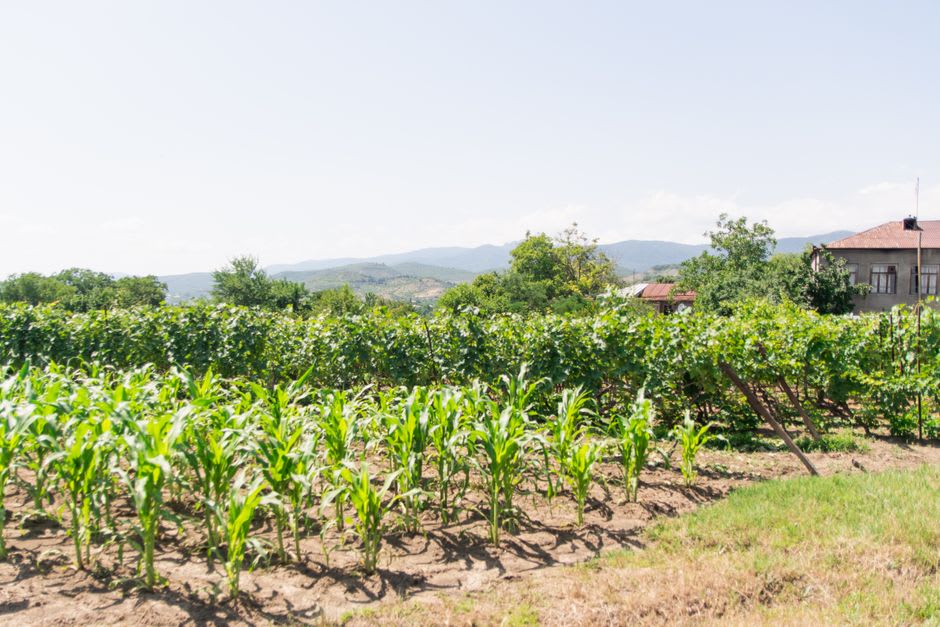
Todos Santos itself sits at around 2,500 meters, but the real superlative belongs to Chemal, a hamlet not far above town frequently cited as the highest inhabited settlement in Central America. I hiked up toward it on a clear, brutally cold morning, passing stone houses with smoke curling from cooking fires and fields of corn planted at an altitude that seemed to defy the crop’s usual logic. The air had that thin, scraped-clean quality you only get above 3,000 meters, and looking back down at Todos Santos in its valley, the whole Cuchumatanes range unfolded in ridge after grey-green ridge toward the Mexican border.
The race that shouldn’t work and somehow does
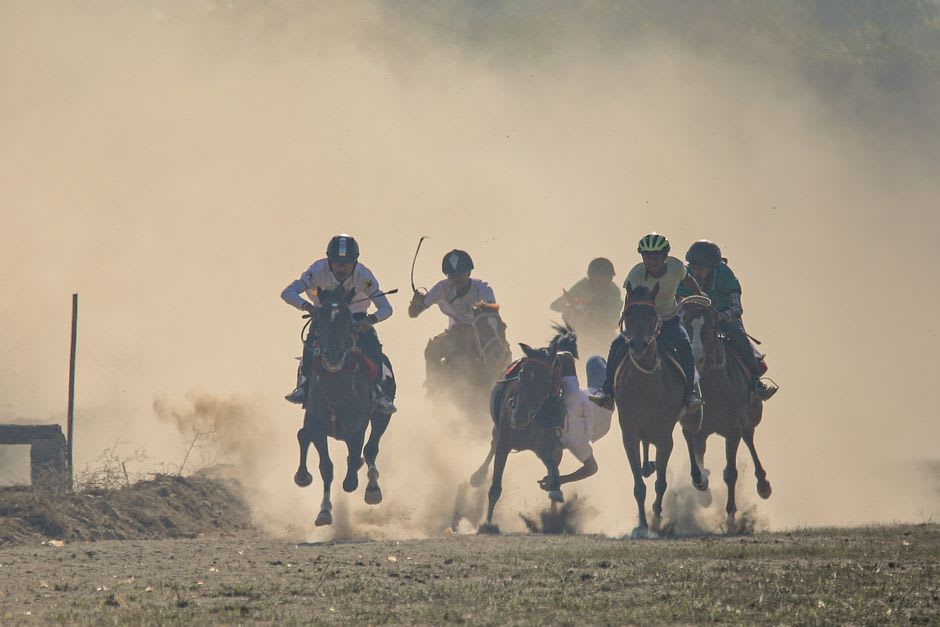
I’d planned my entire trip around being there for the Skach Koyl on November 1st — the All Saints’ Day horse race — and no amount of description I’d read prepared me for the reality. Riders in full traditional traje, having been drinking since dawn as tradition more or less demands, gallop a short dirt track back and forth for hours, falling off regularly, getting back on, cheered by a crowd that treats the inevitable spills as part of the entertainment rather than a tragedy in progress. A local I’d befriended the night before explained that finishing the day still on your horse, drunk or not, is itself a form of honor, tied to old beliefs about keeping evil spirits at bay for the year ahead. Nobody I asked could fully explain the tradition’s origins, and I got the sense that not fully explaining it is part of the point.
When to go: Late October through November 1st specifically for the horse race and its accompanying fiesta; otherwise visit December through March for clear mountain views, and bring far warmer clothing than you think you’ll need.
Keep exploring
More from Guatemala
 guatemala
 Totonicapán
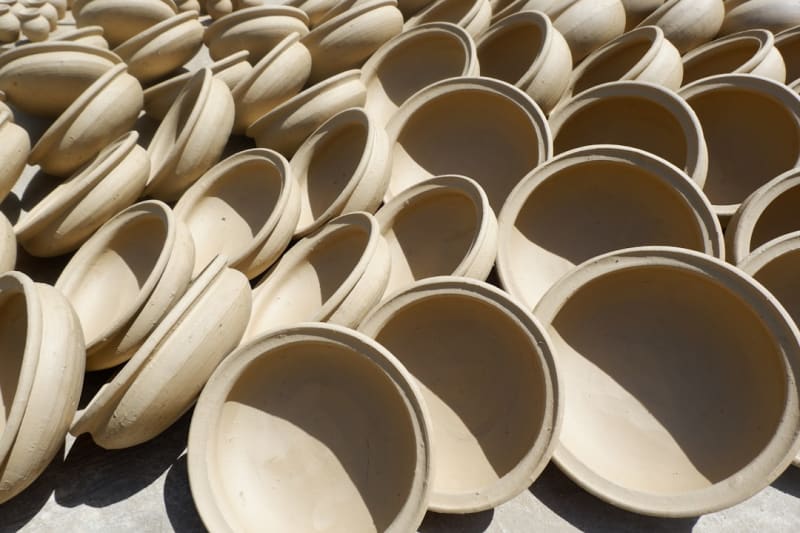
A K'iche' highland capital known for its potters and mask-carvers, and for a communal land governance system its residents have defended, sometimes in the streets, for generations.
Explore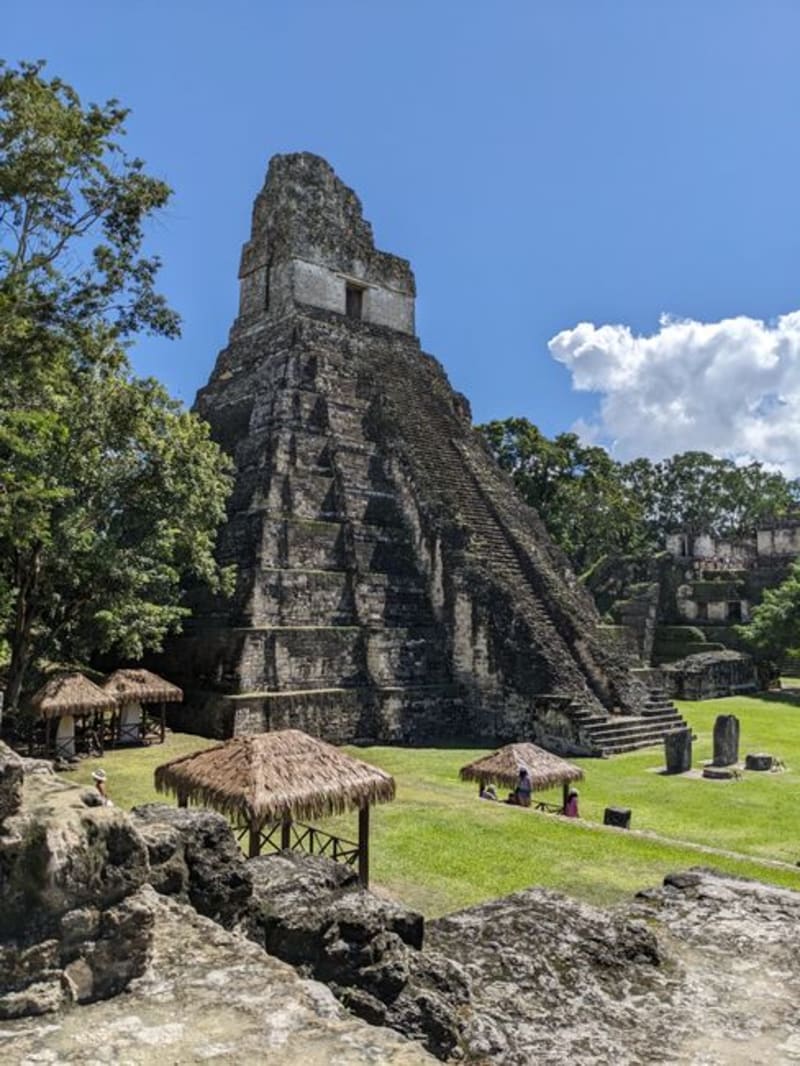 guatemala
 Uaxactún
A quiet Maya site near Tikal, home to the astronomical Group E complex the Maya used to track solstices and equinoxes with startling precision.
Explore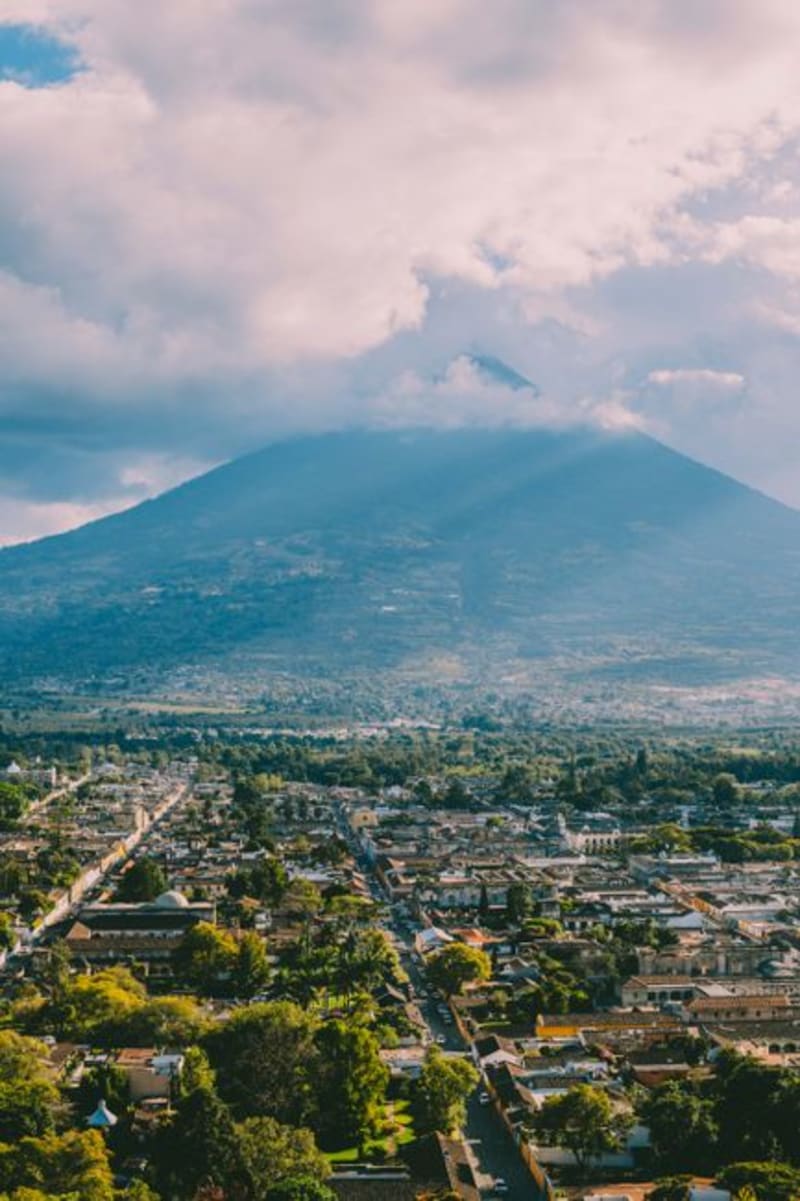 guatemala
 Volcán de Agua
The dormant giant looming over Antigua, whose 1541 mudslide erased a capital city and whose crater rim still rewards a brutal pre-dawn climb.
Explore guatemala
 Yaxhá
A vast Maya city stranded between two jungle lagoons in the Petén lowlands, where you can climb a temple at dusk and watch the forest swallow the sound of howler monkeys.
Explore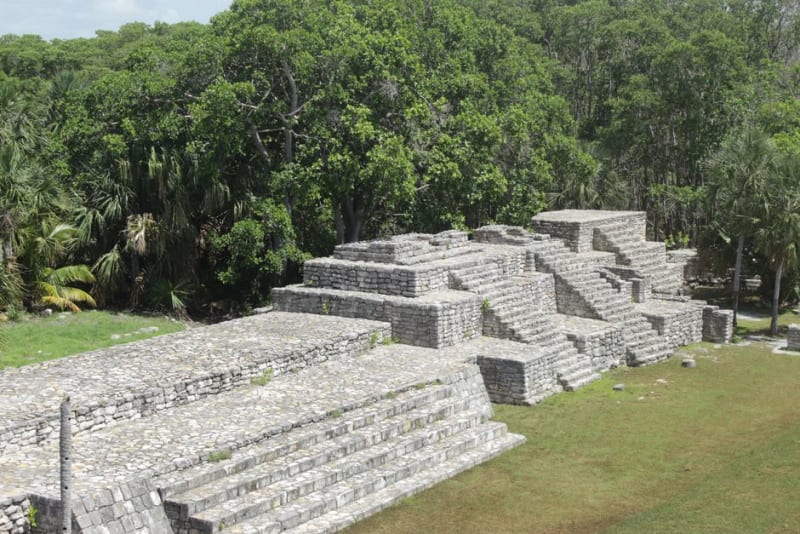 guatemala
 Zaculeu
A Postclassic Mam fortress on a ravine-cut plateau near Huehuetenango, restored so smoothly in the 1940s that it looks almost unreal against the pine hills.
Explore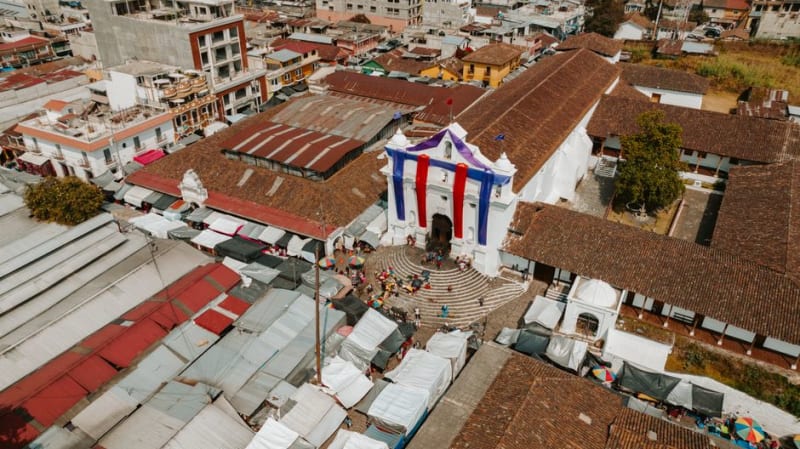 guatemala
 Zunil
A Kaqchikel highland town where cigar smoke curls around the folk saint Maximón and the market spills bright textiles onto cobblestone.
Explore