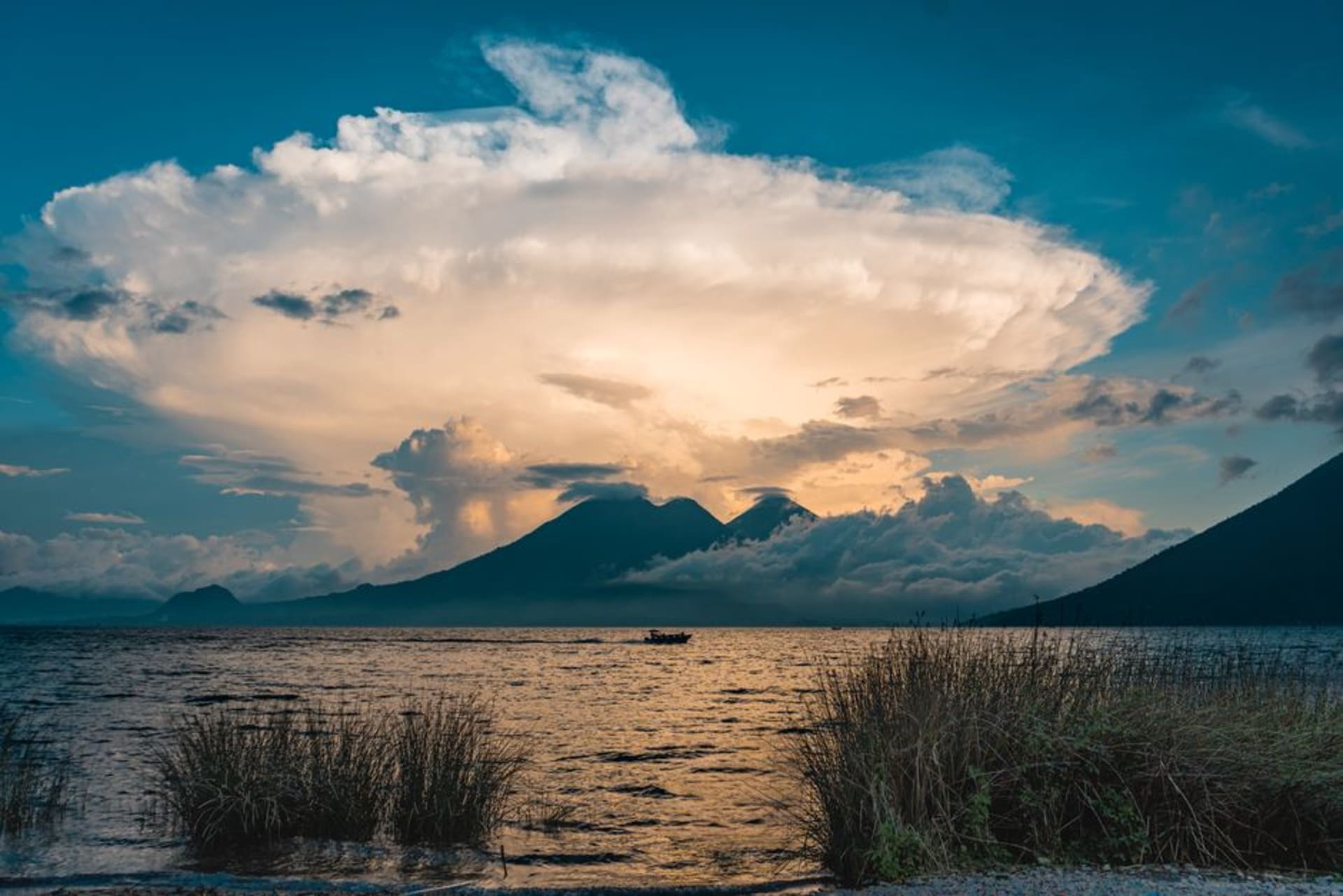
Santa Cruz La Laguna
"There's no road to Santa Cruz, and after a week there I understood why nobody's in a hurry to build one."
A hillside village with no road access at all, reachable only by boat or a steep footpath, where a lakeside diving school trains people in genuinely clear water.
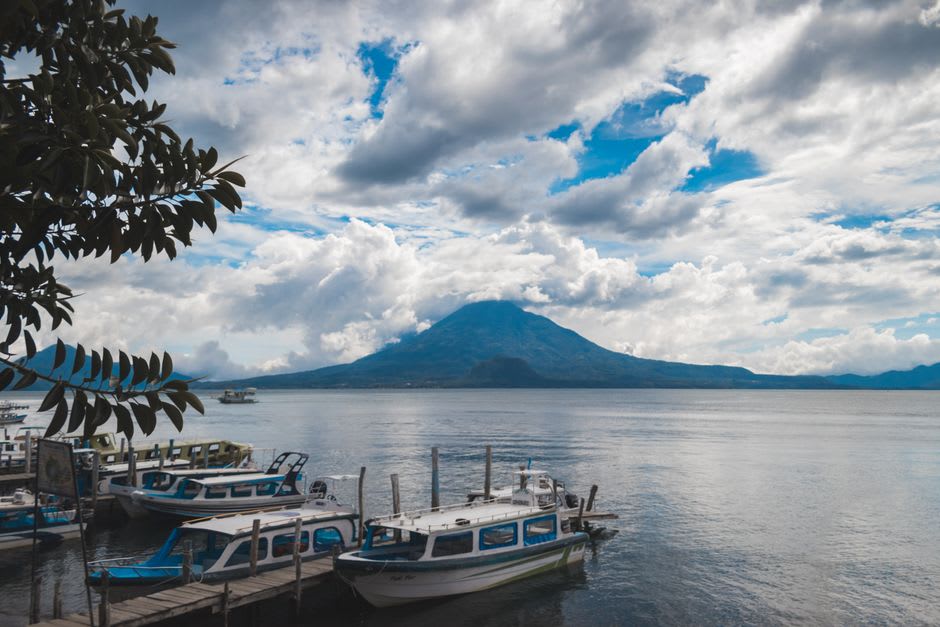
The lancha driver didn’t so much dock as nudge the boat against a concrete platform and gesture up a footpath disappearing into the hillside, and that was the whole arrival experience for Santa Cruz La Laguna. There is no road connecting this village to the rest of Guatemala — everything and everyone comes by water or by the same steep trail I’d just been pointed at, hauling my bag up what felt like two hundred stairs while a kid half my size jogged past carrying a crate of Gallo beer on his shoulder like it weighed nothing.
Two towns stacked on top of each other
Santa Cruz splits cleanly into two: the lakeside strip, a scattering of guesthouses and dive shops built on the flattest available meter of shoreline, and the actual Kaqchikel village a punishing climb above, where daily life continues with almost no reference to the tourists swimming below. I made the climb twice during my stay, once for the view and once because I got genuinely lost trying to find a comedor a fellow traveler had recommended. Both times, the village was unhurried in a way the shoreline wasn’t — kids playing football in a dirt court, women carrying water up from a communal tap, nobody selling me anything.
Learning to dive in a volcanic caldera
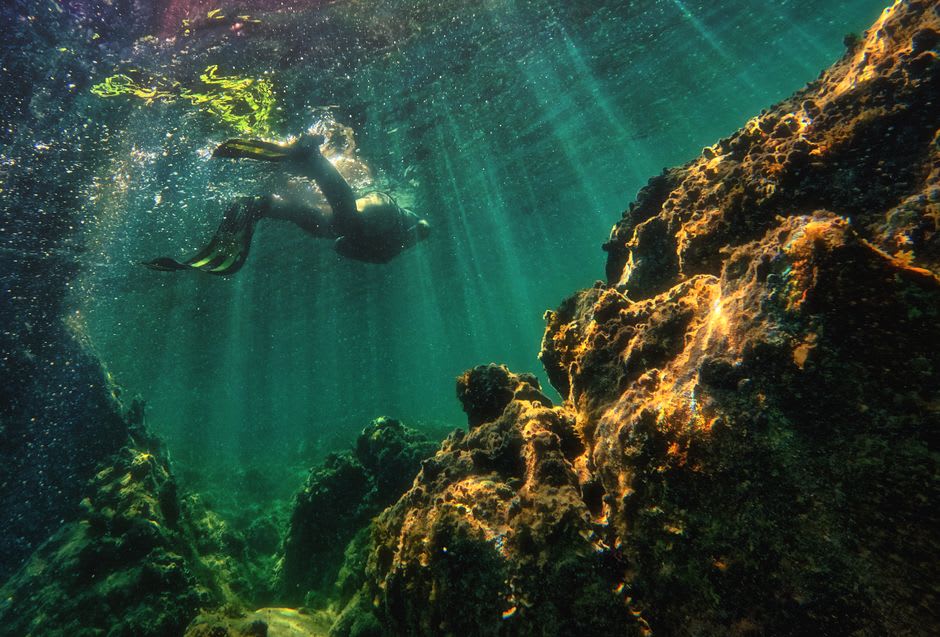
The reason I’d actually come was ATI Divers, one of the only freshwater dive schools in Central America, and I did my open-water certification over four days in water so clear our instructor could watch us from the surface at ten meters down. Diving a lake instead of the ocean is a strange, quiet experience — no current, no salt sting, just cold thermoclines and the odd sunken dock post from a village submerged decades ago when the lake level rose. My instructor, a transplant from Quebec who’d been running the school for years, told me candidly that most of his students come for the novelty and leave loving diving generally, not just this particular lake. I believed him. By day three I was more interested in the diving than the discount rum afterward, which surprised nobody more than me.
When to go: November to April for the calmest water and best visibility for diving; confirm lancha times before dark, since the last boats back to Panajachel often leave by 6pm.