Puerto Barrios
"Puerto Barrios feels like a town still waiting for the banana boats that stopped coming decades ago, and it's better for it."
A sun-bleached Caribbean port town built by banana companies a century ago, now a laid-back gateway to Livingston with nowhere to rush.
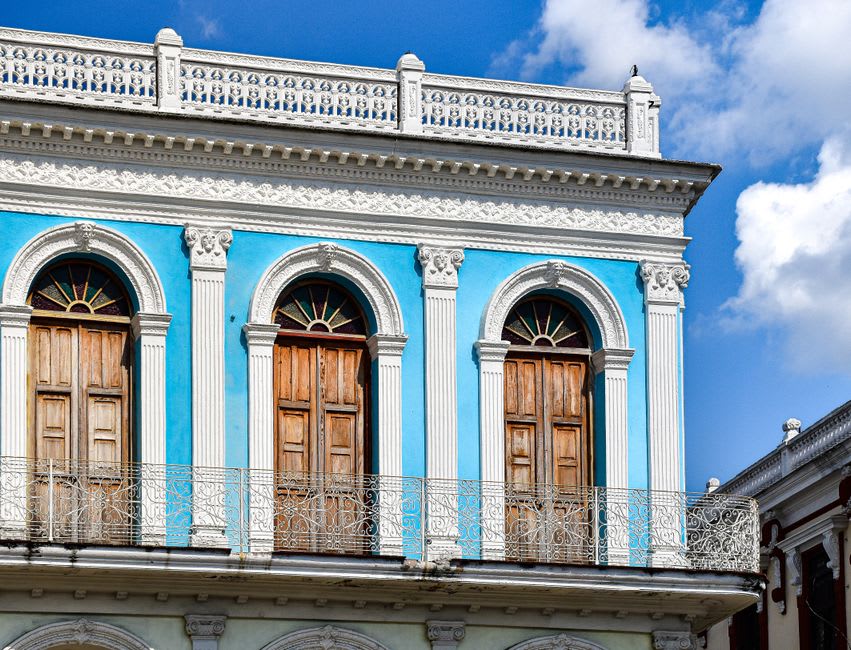
Most people pass through Puerto Barrios only long enough to catch a lancha to Livingston, and for years I did the same, treating it as a functional non-place between bus station and dock. Then a missed boat forced me to spend a night there, and I found a town far more interesting than its reputation as a transit point suggests. The heat is thick and immediate the moment you step off the bus from the highlands — a wet, salty Caribbean heat completely different from Antigua’s dry mountain air — and the streets have a faded grandeur to them, wooden buildings with wraparound balconies slowly losing their paint, a legacy of the United Fruit Company that built this port from nothing in the early 1900s to ship bananas north.
Company town ghosts
Walking the streets near the old railway line, you can still see the bones of that history — warehouses with rusted company insignia, a defunct rail spur running toward the docks, the kind of infrastructure built fast and cheap for extraction rather than permanence. I got talking with an older man selling coconuts from a cart who remembered, or claimed to remember, when the port handled ships every day rather than the occasional cargo vessel it sees now. There’s a particular melancholy to towns that were built entirely around one industry and then watched it leave, and Puerto Barrios wears that history openly rather than trying to dress it up for visitors.
Waiting for the boat, and not minding
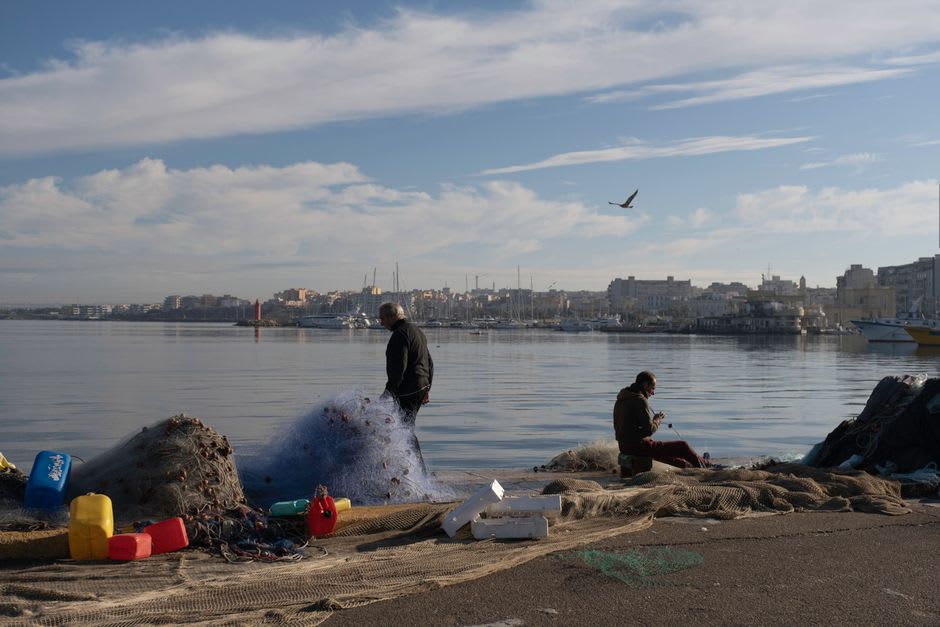
What won me over, ultimately, was the pace. I ate fried fish and tostones at a plastic-chaired comedor two blocks from the dock, watched pelicans dive-bomb the harbor water, and talked to fishermen mending nets who had absolutely nowhere to be. The town doesn’t perform for tourists because barely any stay — most keep moving straight through toward Livingston or Río Dulce — and that absence of performance is exactly what makes an overnight here worthwhile. It’s unpretentious, a little rough around the edges, and completely unconcerned with whether you find it charming.
When to go: Any time of year works for the boat connections, but the dry months (November to April) keep the humidity from becoming oppressive. Aim to arrive early enough to catch the last lancha to Livingston if you don’t plan to stay the night.
Keep exploring
More from Guatemala
 guatemala
 Quetzaltenango
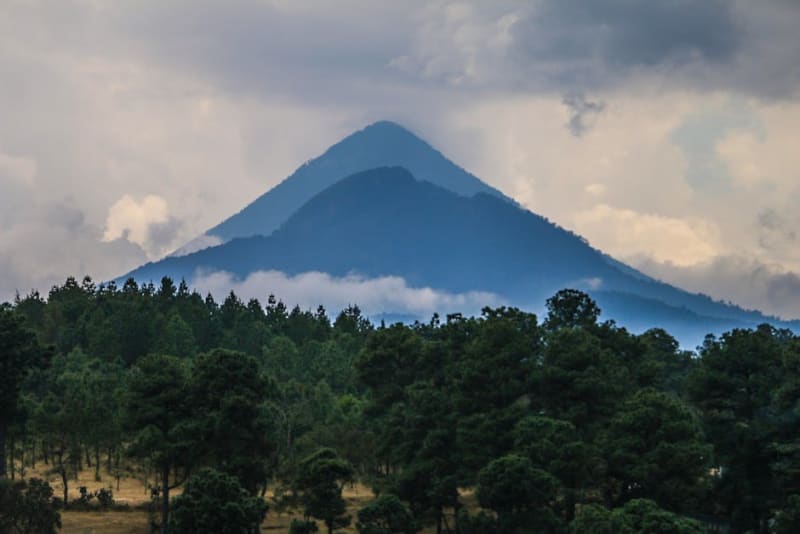
Guatemala's highland second city — called Xela by everyone who lives there — where the Spanish schools are serious and the volcanic hot springs cure everything.
Explore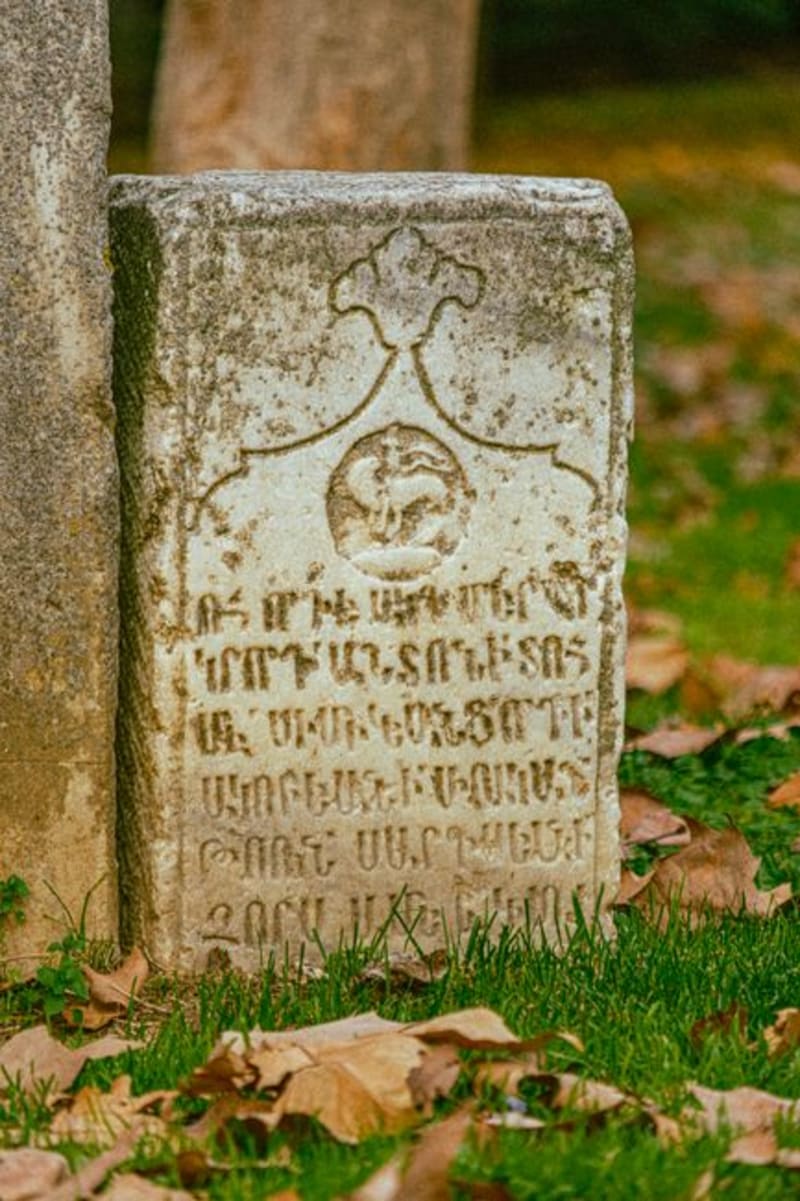 guatemala
 Quiriguá
A UNESCO Maya site hidden inside a working banana plantation, home to the tallest carved stelae in the Maya world and a collection of strange zoomorphic boulders.
Explore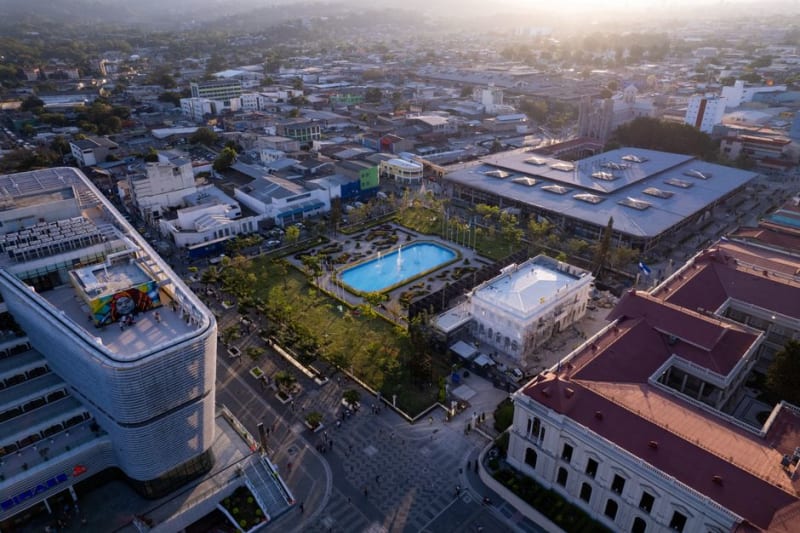 guatemala
 Retalhuleu
A Pacific lowland city known to everyone as 'Reu,' surrounded by cattle ranches and coffee fincas, home to Guatemala's biggest theme and water parks.
Explore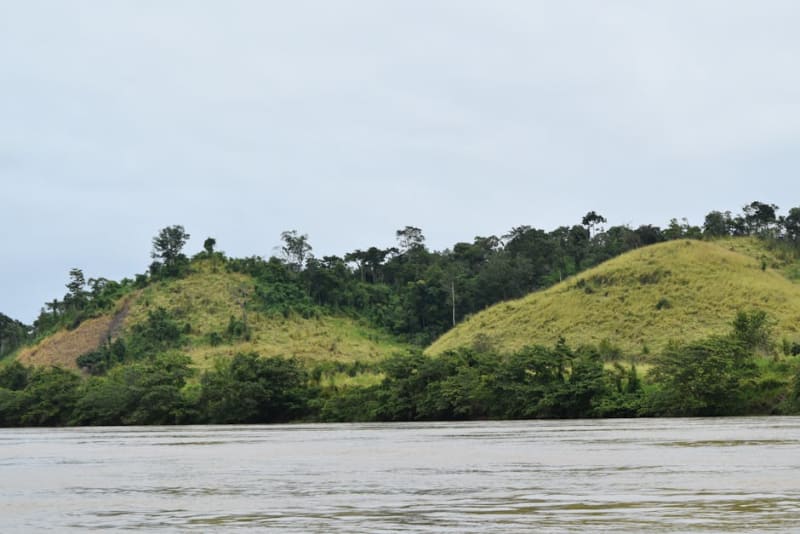 guatemala
 Río Dulce
A jungle-walled river canyon connecting Lake Izabal to the Caribbean, with hot springs, manatees, and a seventeenth-century Spanish fortress.
Explore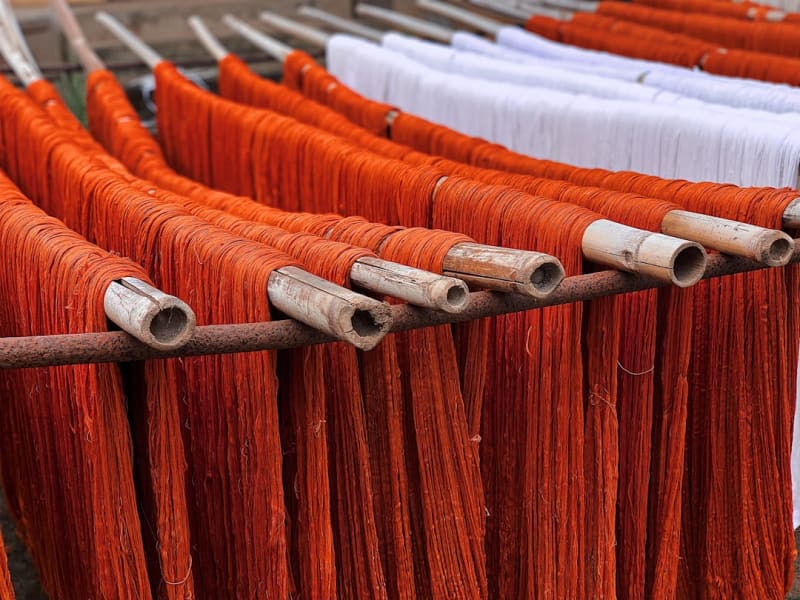 guatemala
 Salcajá
A small highland town famous for two unrelated things done with equal devotion — jaspé tie-dyed thread and Central America's oldest surviving church.
Explore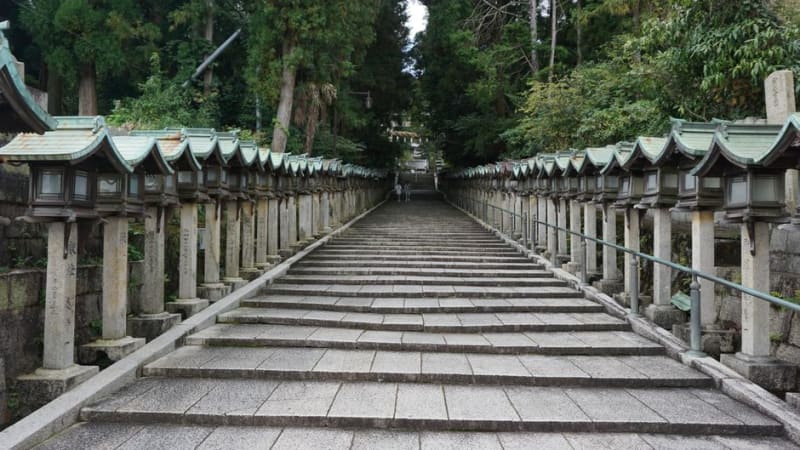 guatemala
 San Andrés Itzapa
A highland town built around a shrine to Maximón, the cigar-smoking folk saint who blends Maya ritual and Catholic imagery without apology.
Explore