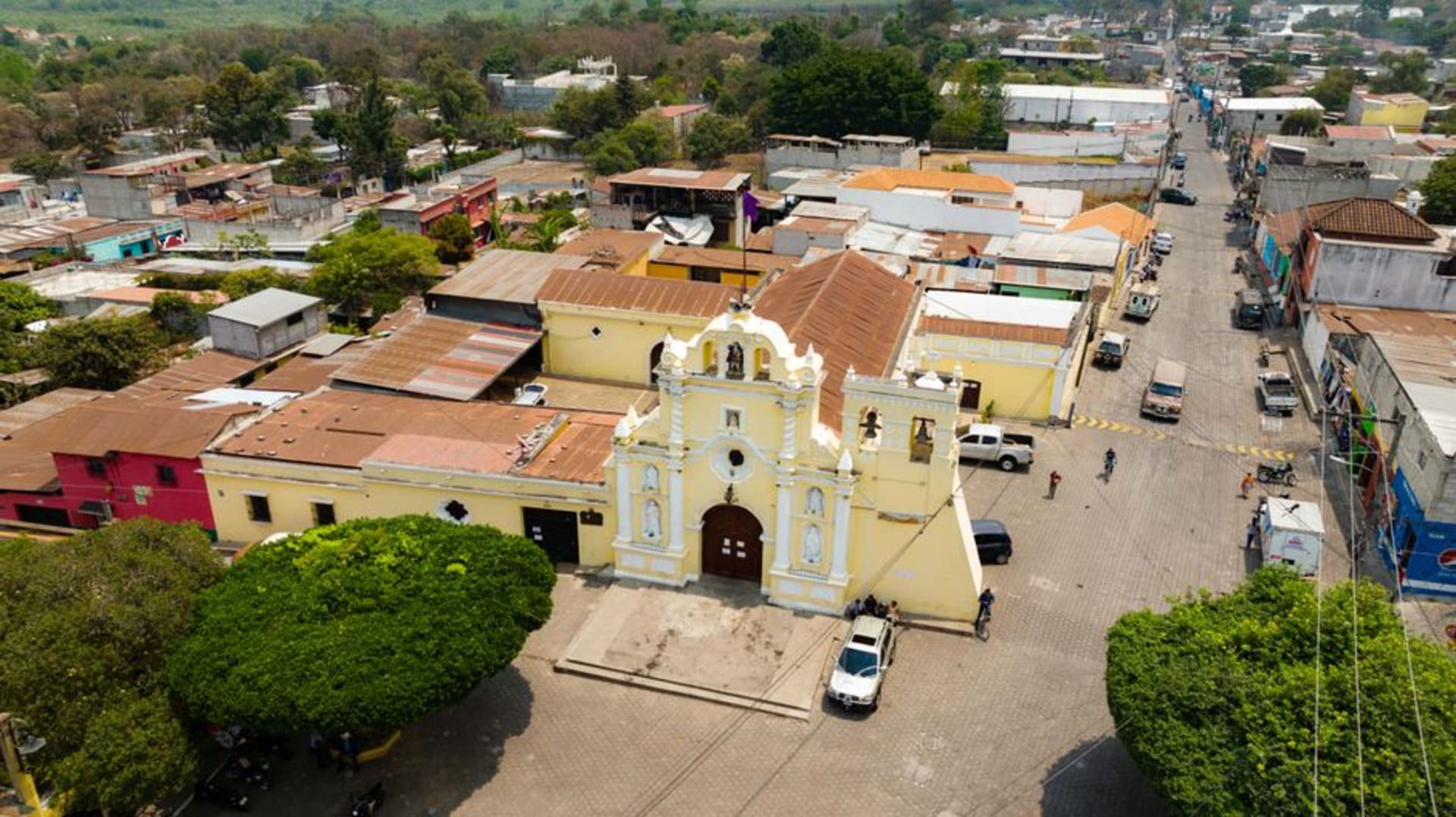
Nebaj
"Nebaj is four hours of switchbacks from anywhere, and every one of them is the price of admission to somewhere that hasn't been smoothed over for visitors."
The remote heart of the Ixil Triangle, where distinctive red-and-purple traje and a still-raw civil-war history sit inside some of Guatemala's most isolated highlands.
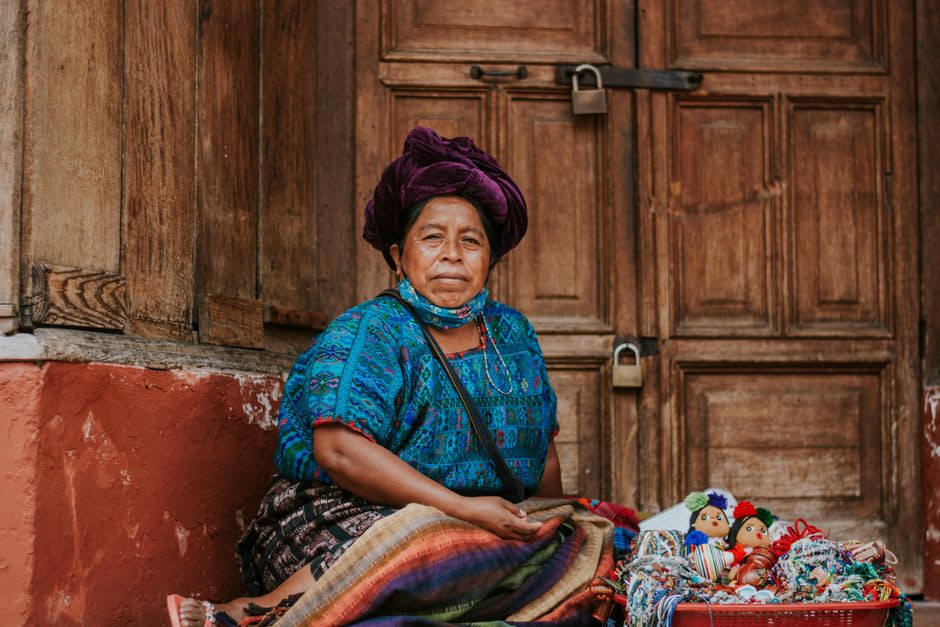
The bus from Santa Cruz del Quiché climbed for what felt like the entire afternoon, the pavement narrowing and the cloud forest thickening, before finally dropping into the bowl of highland valley where Nebaj sits. This is the largest town of the Ixil Triangle, a cluster of three Ixil Maya municipalities so remote and so historically isolated that the Ixil language and traje survived here in a form I hadn’t seen anywhere else in the country. Women in the market wore huipiles woven with brilliant birds and geometric suns in red, purple, and yellow, wrapped skirts (cortes) with their own local weave — distinct enough from Atitlán’s textiles that I initially mistook the town for a different country’s tradition entirely.
A landscape that explains the isolation
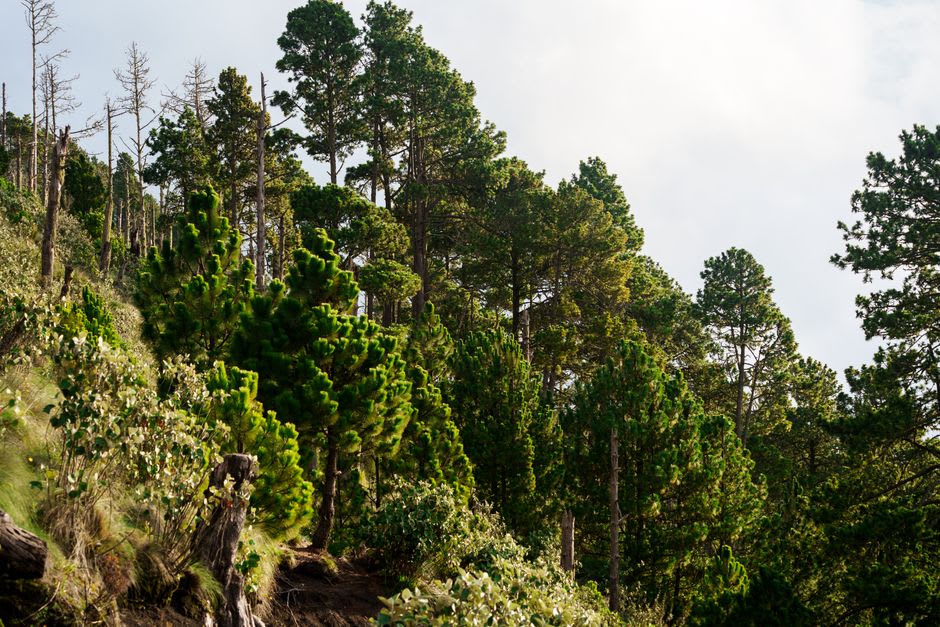
Nebaj’s remoteness isn’t incidental — it’s the whole story of the place. The Ixil Triangle sits ringed by the Cuchumatanes foothills, and for centuries that geography kept the region largely self-governing and linguistically distinct. I spent a morning hiking to the nearby village of Acul along a trail through pine forest and grazing land, passing Ixil farmers on horseback and stopping at a small Swiss-run cheese farm that’s operated there since the 1950s, an odd but functioning outpost of European cheesemaking dropped into the middle of the Guatemalan highlands. The contrast — Alpine-style cheese wheels next to Ixil cornfields — summed up the strangeness of the place better than anything I could’ve written down.
A history that isn’t behind glass
The Ixil Triangle suffered some of the worst violence of Guatemala’s civil war, targeted in a scorched-earth campaign during the early 1980s that later formed the basis of a genocide conviction against a former head of state. Nebaj doesn’t hide this history behind a museum wall — it’s present in conversations, in memorials scattered through the valley, in the caution with which older residents still discuss those years. A guide I hired for the Acul hike, whose own family had been displaced during the conflict, spoke about it directly but without theater, the way you talk about something you lived rather than something you’re presenting. It reframed the traje, the market, the ordinary rhythm of the town as something that had been actively fought to preserve.
When to go: December to March, when the mountain roads are driest and clearest — this is a demanding highland climate year-round, so pack warm layers regardless of season.