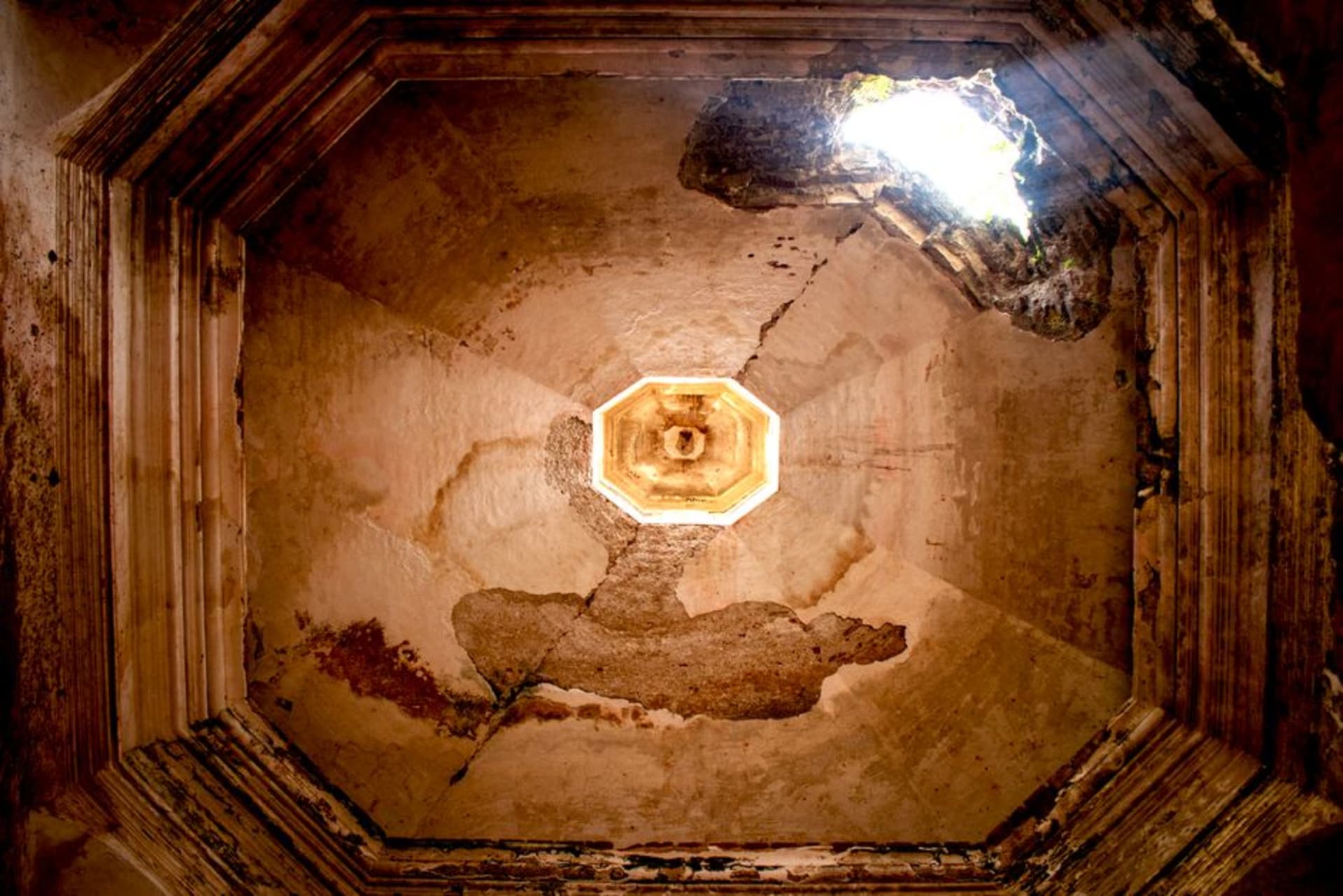
Mixco Viejo
"You can still see why the Spanish nearly lost this siege — the whole city is a fortress by design."
A ruined K'iche' fortress-city hidden in dramatic ravine terrain near Guatemala City, conquered by Alvarado in 1525 after a siege the Spanish nearly lost.
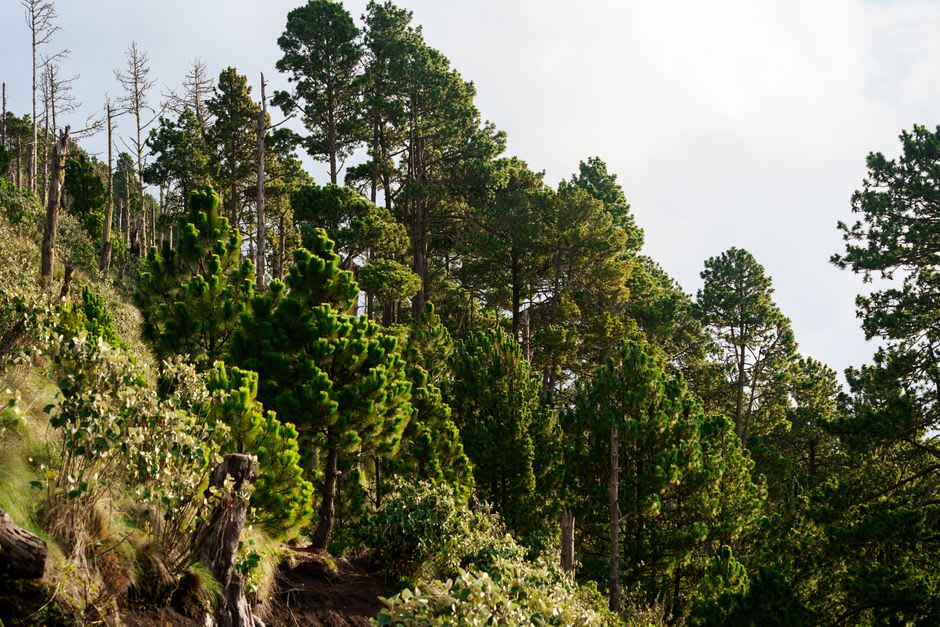
Most people visiting Guatemala City never hear of Mixco Viejo, which is strange, because it’s barely an hour and a half away and it’s one of the most dramatically situated ruins in the country. The site sits on a narrow ridge surrounded by deep ravines on almost every side, a natural fortress the Poqomam and later K’iche’ rulers exploited deliberately. I drove up a winding dirt road that kept dropping away into canyon on one side, and by the time I parked, I understood the site’s whole military logic before I’d even read a placard.
A fortress that made Alvarado work for it
Mixco Viejo — the K’iche’ called it Jilotepeque Viejo — was a major regional capital, and when Pedro de Alvarado’s forces came for it in 1525, the terrain very nearly won. The ravines meant Spanish cavalry, so devastatingly effective on open ground elsewhere in the conquest, were almost useless here. Accounts describe a grinding, difficult siege before the city finally fell and was destroyed rather than resettled, which is part of why it survives today as ruins rather than as a colonial town built on top of Maya foundations, the fate of so many other capitals. Walking the site with a young guide from the nearby village, I kept being struck by how legible the defensive logic still is, seven hundred years on — you can stand at the main plaza and see exactly why an attacking force would have struggled.
Ball courts and temples with nobody else around
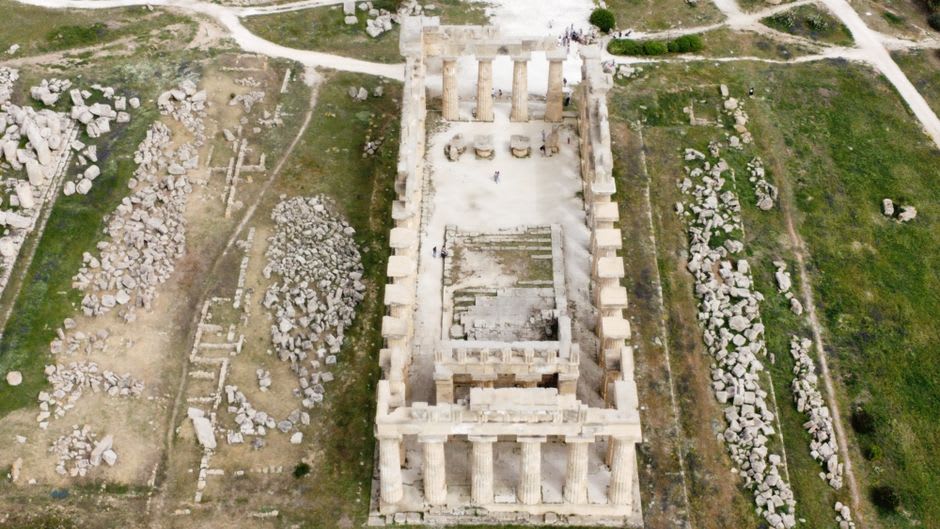
The site has multiple ball courts and temple groups, more than I expected from what is, relatively speaking, an under-visited ruin — I had the entire central plaza to myself for over an hour on a Saturday, which would be unthinkable at Tikal. There’s a particular pleasure in sitting on a two-story temple platform with a K’iche’ capital’s entire footprint visible below you, ravines falling away in every direction, and hearing nothing but wind and the occasional dog barking from the village down the valley. It is the kind of ruin that rewards patience rather than spectacle — no single towering pyramid, but a whole strategic city laid out for you to slowly piece together.
When to go: A comfortable half-day or full-day trip from Guatemala City, best in dry season (November to April) when the access road is in better shape. Go on a weekday for total solitude.