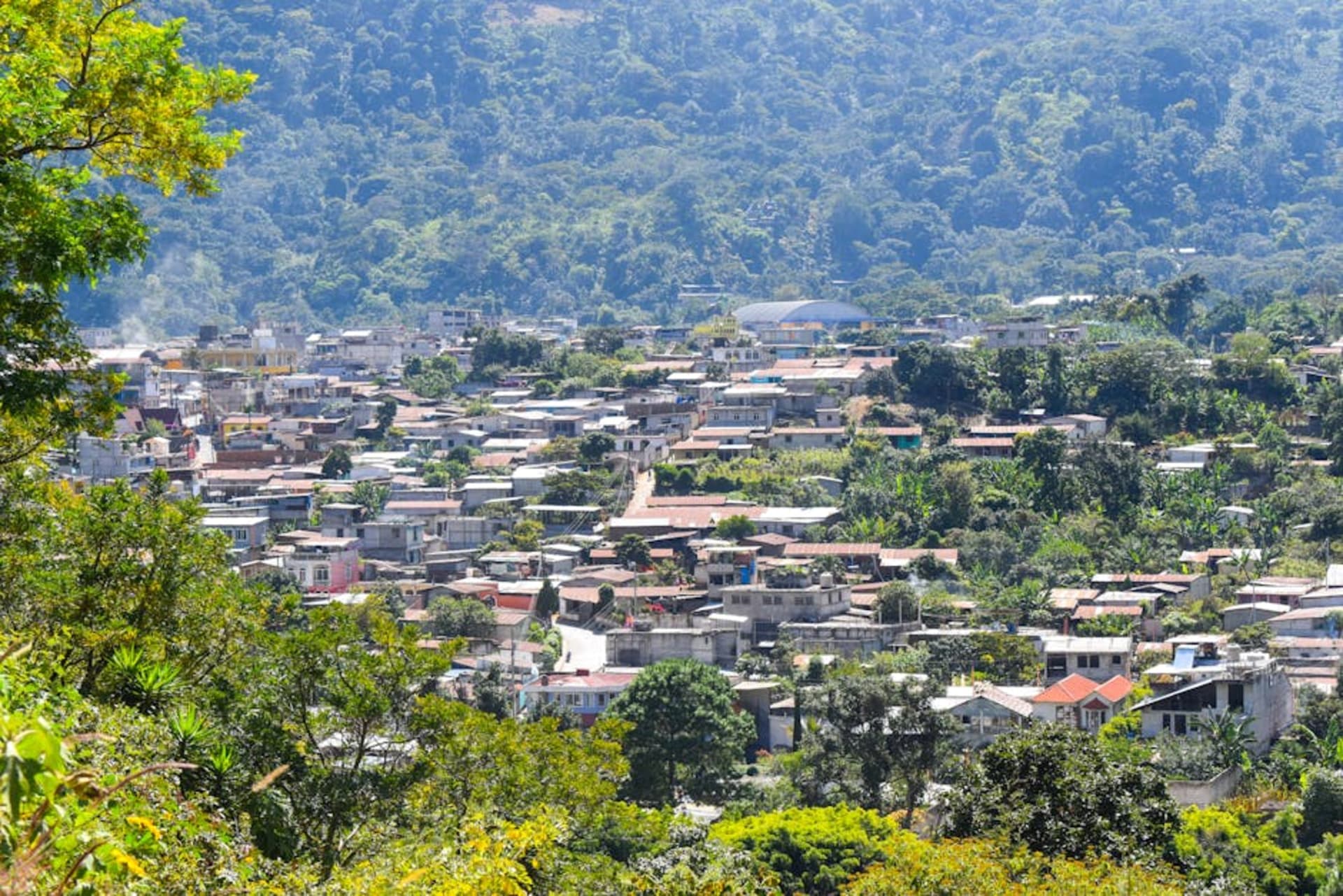
Only reachable by boat, this Garifuna Caribbean town on the Rio Dulce estuary beats to its own drum — literally.
The lancha drops you at a concrete dock and pulls away before you’ve fully processed where you are. There’s no road behind you. There never is. Livingston exists on a thin tongue of land where the Rio Dulce empties into the Caribbean, and the only way in or out is water. I stood there with our bags at my feet, listening to something that took me a moment to identify: punta music drifting from a bar on Calle Principal before noon.
A Town Running on Its Own Clock
Livingston is Garifuna, which means it belongs to a people the Spanish could never quite colonize — descendants of West Africans and Island Caribs who arrived on these shores by a long and violent route. That history lives in the food, the music, and in the particular way nobody seems to be in any hurry. I walked the entire length of town in twenty minutes and spent the rest of the morning walking it again, more slowly. I stopped at a woman’s cart near the mercado for tapado — the Garifuna seafood stew made with coconut milk, plantain, and whatever came in that morning off the Caribbean. It was thicker than I expected, sweeter, with a heat that built quietly and didn’t apologize. A bowl of that, a plastic chair in the shade, the smell of salt air and frying plantain drifting from the kitchen behind me: it was enough.
The River Behind the Town
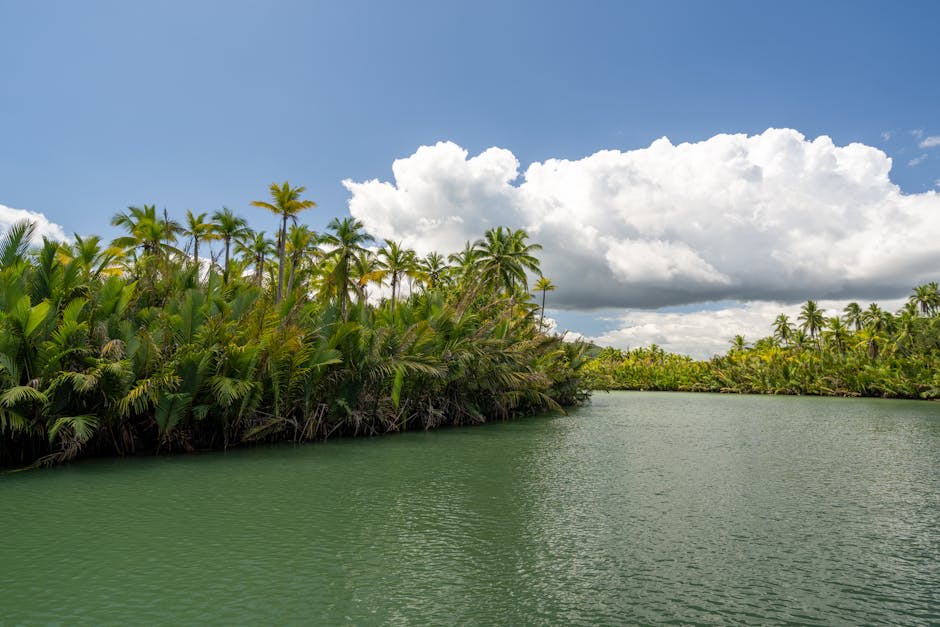
Lia pulled me toward the water on our second afternoon, away from the Caribbean side and back up toward the mouth of the river. The light does something specific there in the late afternoon — it goes gold and heavy through the palms, and the water turns the color of weak tea from the tannins that bleed out of the forest upstream. We hired a small wooden boat to take us into the mangroves, where the channels narrow until branches brush both sides of the hull and the noise from town disappears entirely. I hadn’t planned on silence. I should have known to expect it there.
Siete Altares and the Walk That Outweighed the Destination
I had assumed the waterfalls at Siete Altares would be crowded and mildly disappointing, the way waterfall destinations usually are once you’ve seen the photos. The walk to get there — along a rocky beach north of town, leaning palms, the smell of salt and something floral I never managed to identify — turned out to be better than the falls themselves. But the falls weren’t disappointing either. We reached the lowest pool on a Tuesday morning and had it nearly to ourselves, the water cold and pale green, a rooster audible from somewhere inland that had no business being that far down a jungle path. That rooster was the surprise. I wrote it in my notebook so I wouldn’t talk myself out of believing it later.
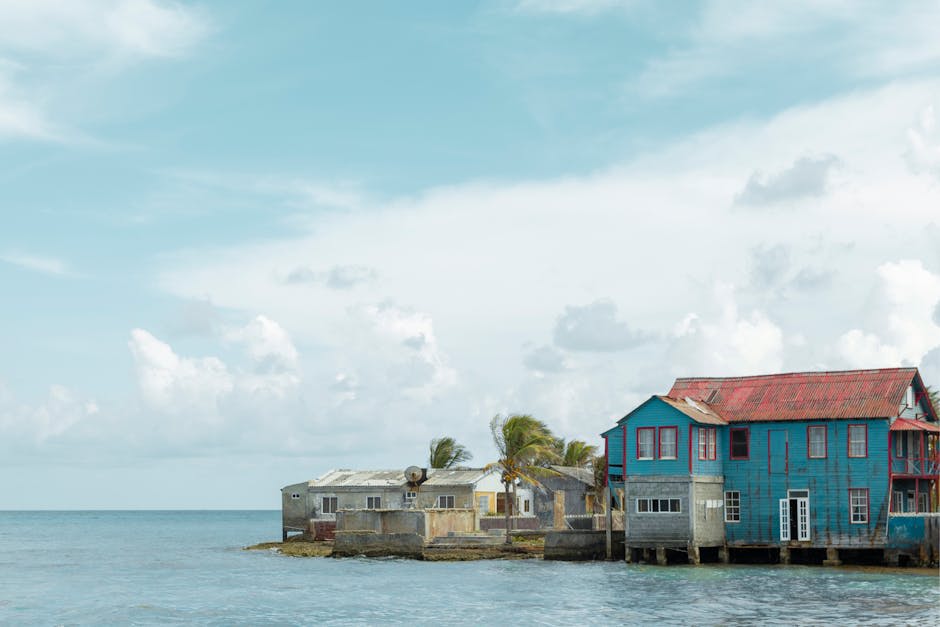
When to go: February through May brings the driest weather and calmest seas for the boat crossing from Puerto Barrios or Rio Dulce town. September and October carry serious storm risk off the Caribbean — that’s the season to avoid.