La Democracia
"A small-town plaza with palm trees, a church, a few benches, and half a dozen thousand-year-old stone giants."
A modest Pacific coast town whose central plaza doubles as an open-air museum of giant Olmec-influenced stone heads from the enigmatic Monte Alto culture.
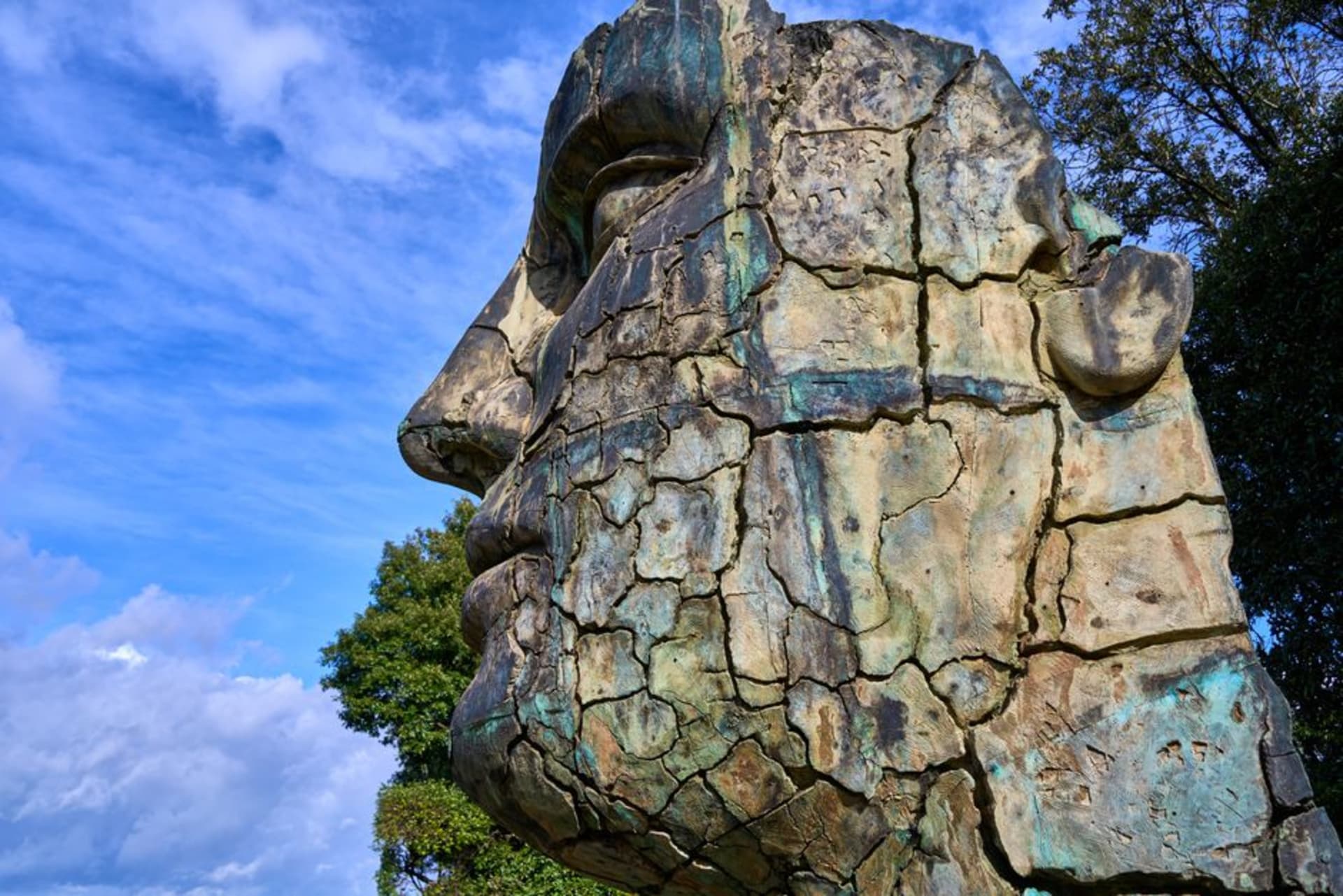
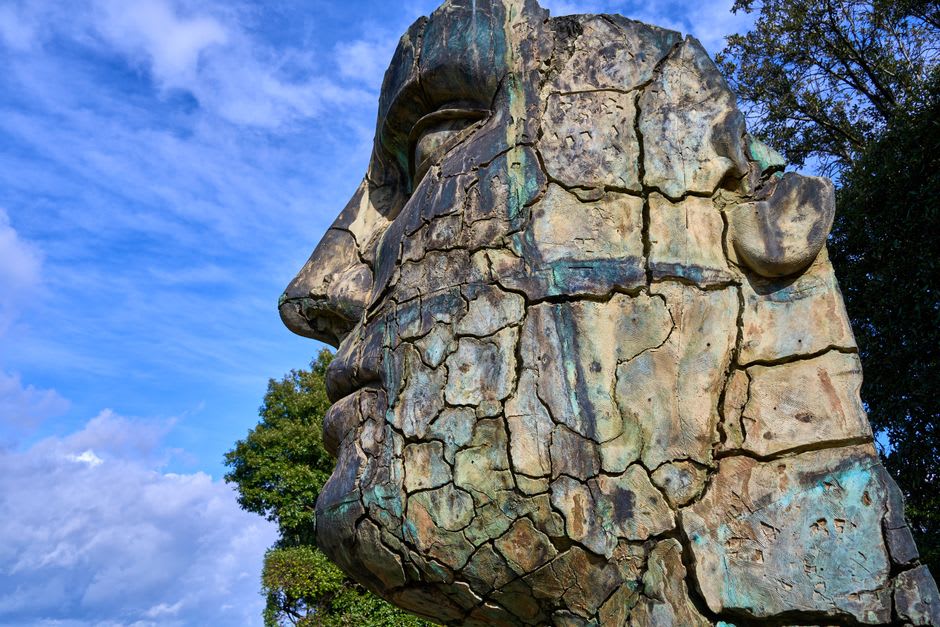
La Democracia does not look, at first glance, like a place with anything to see. It’s a low, unhurried Pacific coast town, heat pressing down even in the shade, motorbikes buzzing past a market selling mangoes and dried fish. But walk into the central plaza and the scene shifts — arranged among the palm trees and benches, in front of the church, are enormous carved stone heads, some over two meters tall and impossibly heavy-looking, staring out with flattened, almond-eyed faces that owe an obvious debt to the Olmec heartland far to the north in Mexico. Nobody had warned me quite how casual the arrangement would be. These aren’t behind glass. Kids were sitting on the plinths eating ice cream.
The mystery of Monte Alto
The heads and accompanying “potbelly” figures come from the nearby archaeological site of Monte Alto, attributed to a culture that predates and possibly influenced early Olmec sculpture — one of several theories that still generates real academic argument about who influenced whom along Mesoamerica’s Pacific coast during the Preclassic period. What’s certain is that these figures are old, strange, and clearly important to the people who carved them, even if their exact ceremonial purpose remains debated. Standing close to one, running a hand along stone smoothed by weather and centuries, I found myself unexpectedly moved by the plainness of the display — no fencing, no gift shop, just a small town that has folded these ancient giants into its everyday civic life the way another town might have a war memorial.
A little museum, and a lot of heat
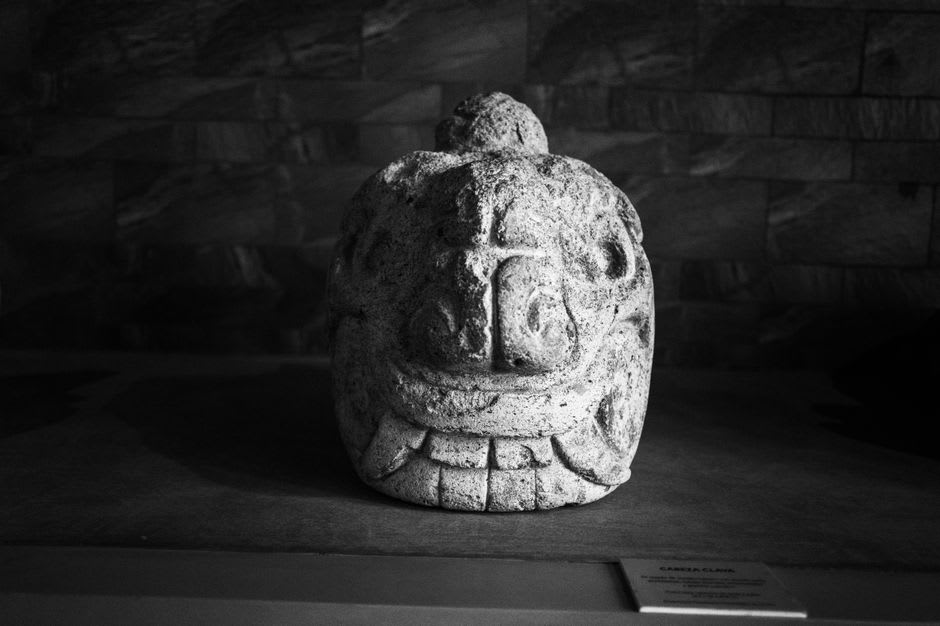
There’s a small on-site museum near the plaza holding additional pieces, including several of the rounded “potbelly” sculptures with their distended bellies and simplified faces, alongside pottery and other finds from Monte Alto excavations. The caretaker, an older man who seemed genuinely pleased to have a visitor, walked me through piece by piece, clearly proud that his hometown held something this significant. Outside, the coastal heat had become fully oppressive by midday, and I ended up retreating to a comedor across the street for a plate of fried fish and a very cold Gallo, watching the plaza’s stone heads bake in the sun exactly as they must have for the better part of two thousand years.
When to go: Best as a short stop en route to or from the Pacific coast, ideally in the cooler morning hours — this lowland town gets very hot by midday, especially outside the November–April dry season.