Iximché
"This is where an alliance with the conquistadors turned, in a single year, into a massacre."
The former capital of the Kaqchikel Maya, where an alliance with the Spanish curdled into betrayal and massacre, its ceremonial plazas now quiet under pine forest.
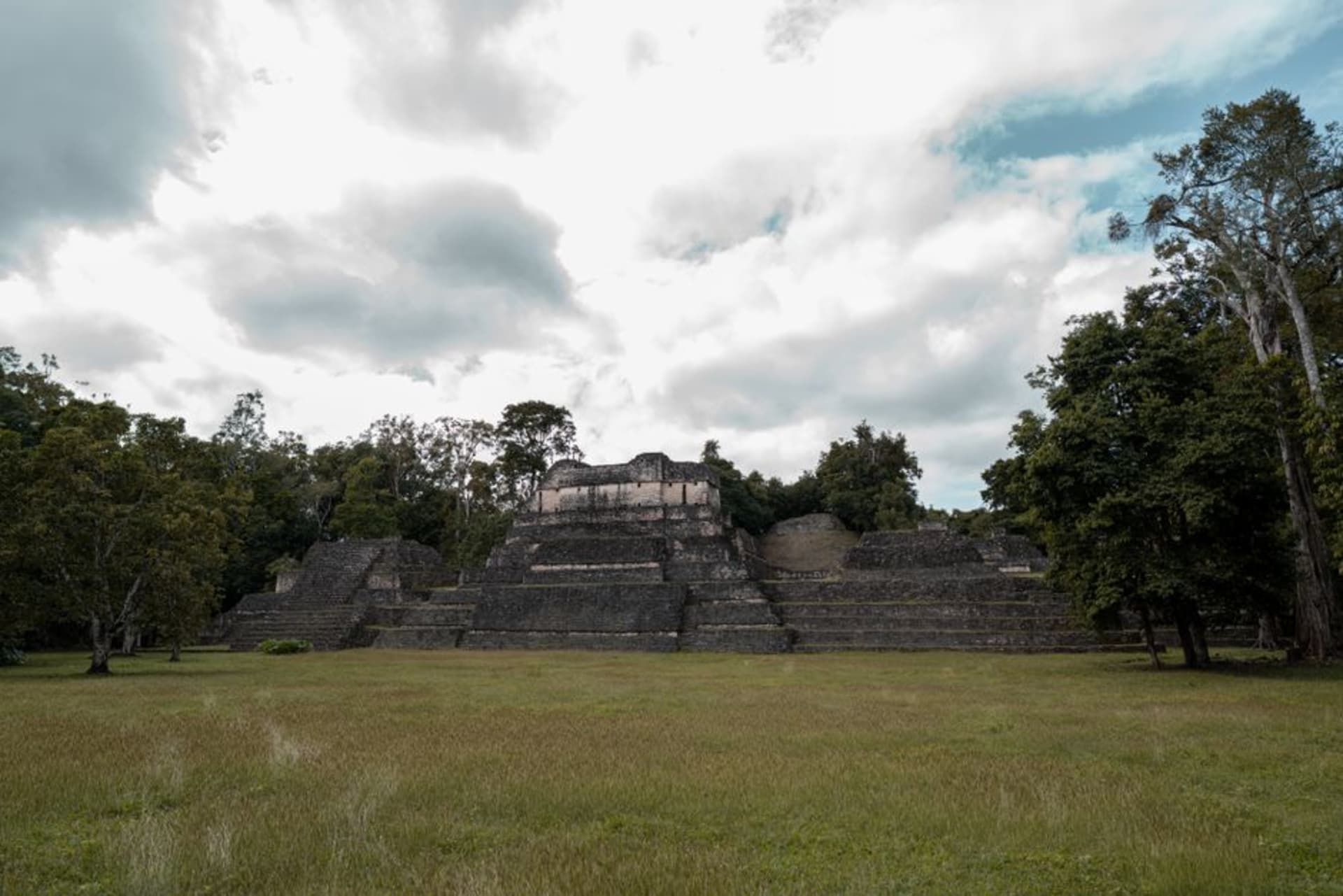
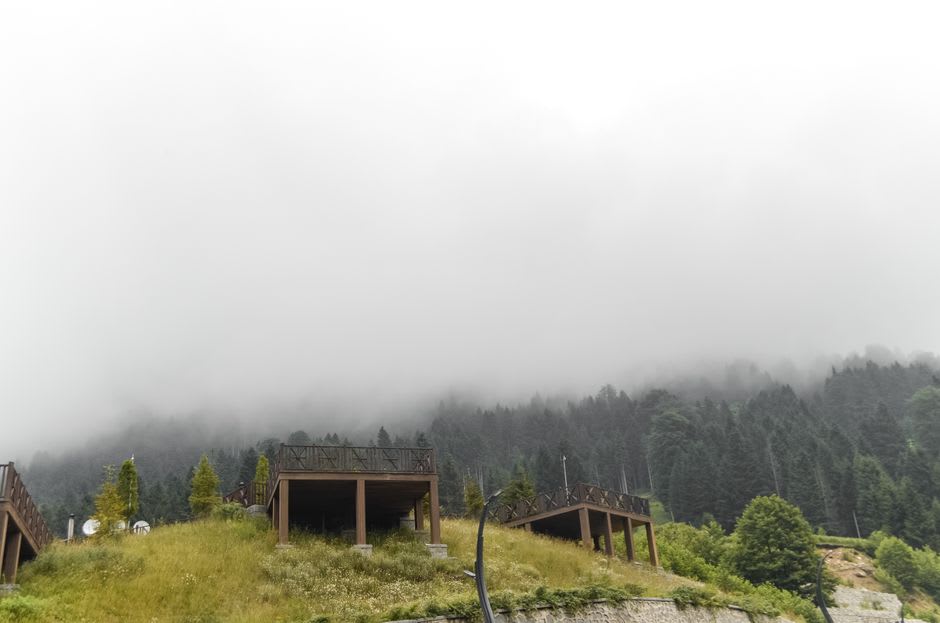
Iximché sits on a windswept plateau outside Tecpán, ringed by ravines on three sides for defense, shaded by pine trees that give the whole site a cool, almost alpine feel completely unlike the jungle ruins further north. I came here on a grey, drizzling morning, and the mist moving through the pines made the low stone platforms of the ceremonial plazas look half-dissolved, more like a memory than a ruin. There’s something appropriate about that — Iximché’s history is one of the more quietly devastating stories in Guatemala, and the atmosphere seems to know it.
An alliance that ended in fire
Iximché was the capital of the Kaqchikel Maya, historic rivals of the K’iche’, and when Pedro de Alvarado arrived in 1524, the Kaqchikel leadership made a calculated decision to ally with the Spanish against their K’iche’ enemies. For a short time, Iximché even served as the first Spanish capital of Guatemala, renamed Santiago de los Caballeros. The alliance didn’t last a year. Spanish demands for gold and tribute escalated beyond anything the Kaqchikel could or would provide, and by 1526 the relationship had collapsed into open war — Alvarado burned the city, and the Kaqchikel took to the surrounding hills to fight a guerrilla resistance that lasted years. Standing in the main plaza, my guide, a Kaqchikel man from Tecpán named Domingo, told this story without much editorializing, letting the facts sit there. It didn’t need embellishing.
A site still very much alive
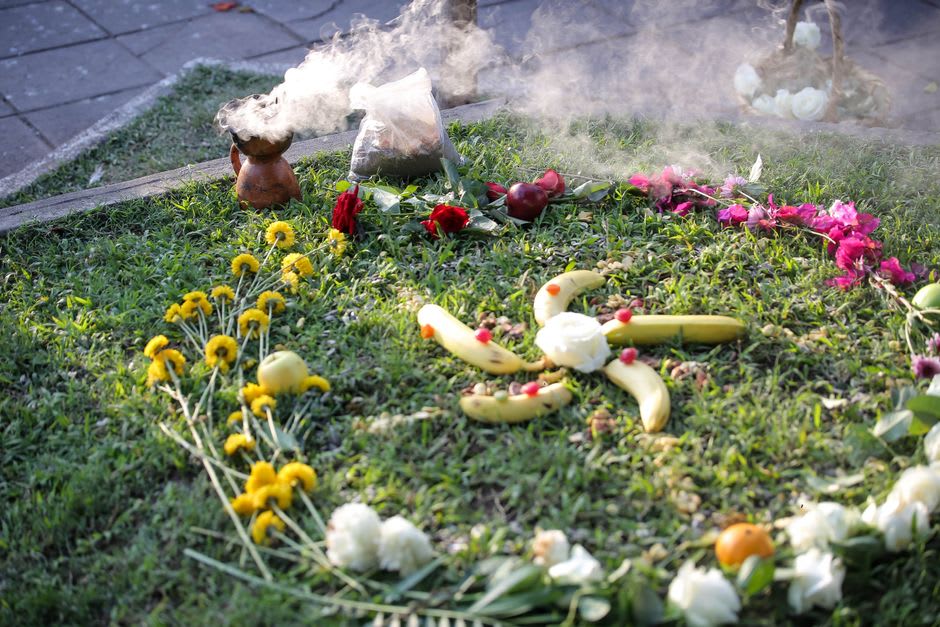
What separates Iximché from most ruins I’ve visited is that it isn’t a museum piece — Maya ceremonies are still conducted here regularly, and I arrived to find the ash and half-burned offerings of a ritual from the night before still smoldering faintly at one of the altars, marigold petals scattered across the stone. Domingo explained that Iximché remains one of the most important living ceremonial sites for Maya spiritual practitioners in the country, used continuously despite everything the site has witnessed. It reframed the whole visit for me — less an archaeological stop, more a place where an unbroken thread of practice runs straight through five hundred years of upheaval.
When to go: Year-round, but the highland climate here is cool and often misty — bring a layer even in dry season. Early morning gives the best chance of the pine forest mist that makes the site feel genuinely otherworldly.