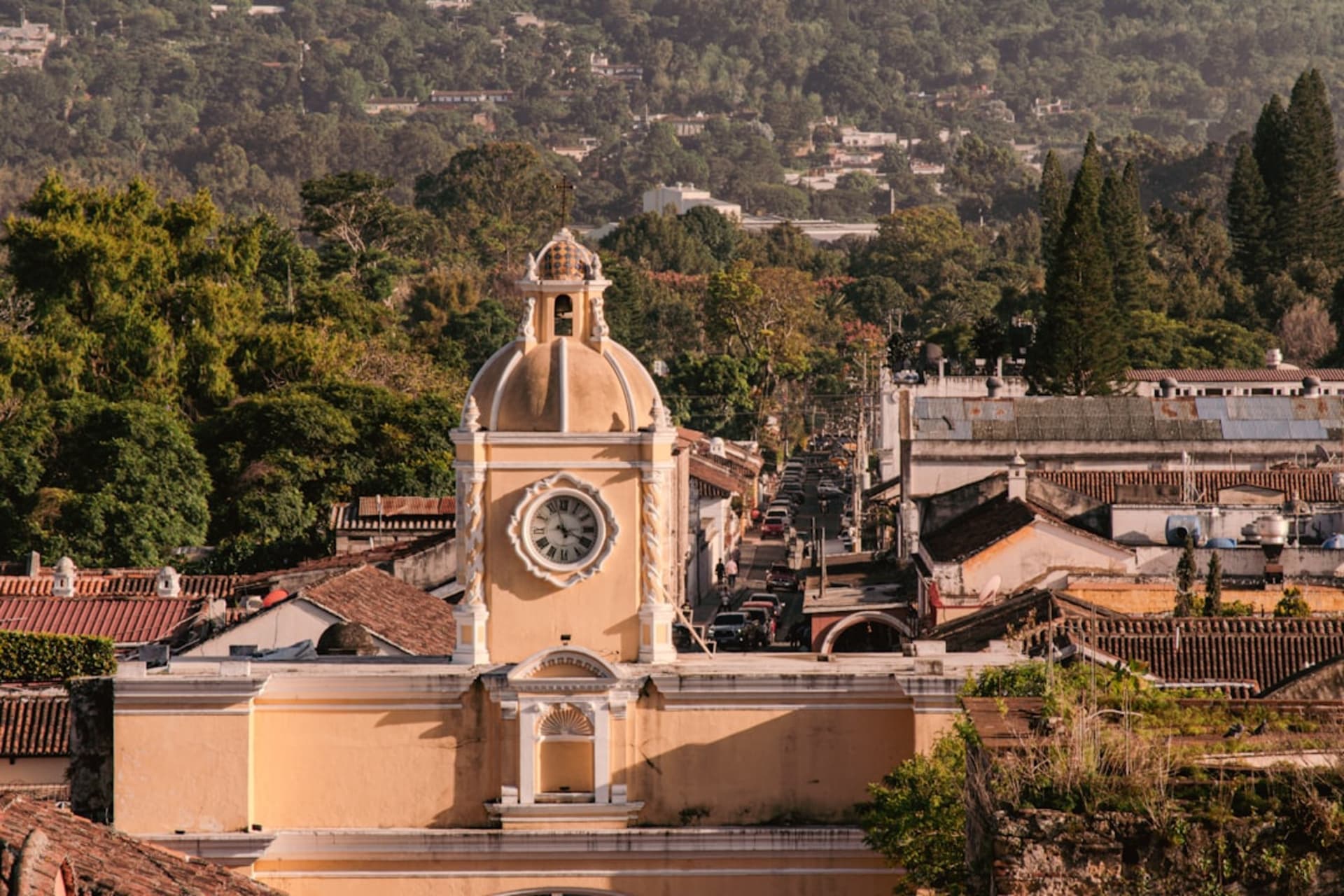
Finca Filadelfia
"I've drunk a lot of coffee in my life, and none of it tasted like the cup picked, pulped, and poured in front of me at Filadelfia."
A working coffee plantation in the hills above Antigua, where the whole slow chain from ripe cherry to poured cup happens in front of you.
The smell hits before anything else — that specific, slightly fermented sweetness of ripe coffee cherry, sharper and more floral than roasted coffee, closer to overripe cherry fruit than to anything you’d associate with your morning cup. Finca Filadelfia sits in the hills just north of Antigua, a working plantation that’s been growing coffee since the 1800s and now doubles as a hotel and tour operation, and it’s one of the few places I’ve been where you can trace an entire agricultural chain in under two hours without it feeling like a staged reenactment.
Picking, Pulping, Drying
Our guide, a young guy who’d grown up on a neighboring finca, handed each of us a small basket and sent us into the rows to pick only the reddest cherries — the green ones, he said, ruin a whole batch of coffee the way one bad grape can ruin wine. It took me an embarrassingly long time to fill even a quarter of the basket; picking coffee fast, cleanly, and correctly is a skill that takes years, not an afternoon, and doing it badly for twenty minutes gave me a real appreciation for the pickers who do it for ten hours a day during harvest.
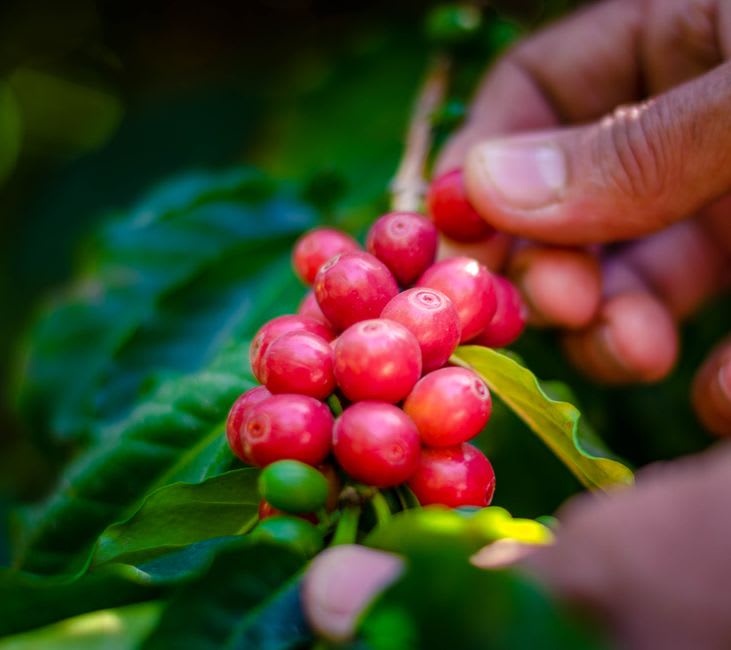
From there we walked the cherries through the wet mill, watching the pulping machine strip the fruit from the bean, then out to the drying patios — vast concrete terraces where beans are raked into thin layers and turned by hand every few hours so they dry evenly under the sun. A worker showed me how she tests readiness by biting a dried bean in half; if it snaps clean instead of bending, it’s ready for the roaster.
The Cup at the End
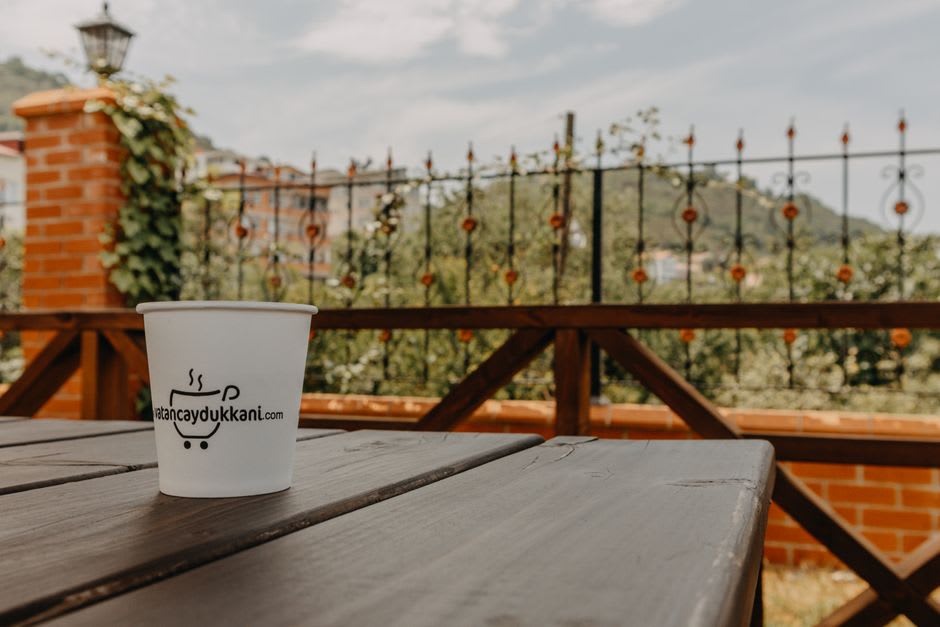
The tour ends, appropriately, with a cupping session on a terrace overlooking the plantation, Volcán de Agua sitting hazy in the distance. We tried three roasts side by side, and the guide talked us through the differences in acidity and body the way a sommelier would talk through a wine flight — not pretentious, just precise, because these are people who genuinely care whether you can taste the difference between a light and a medium roast of the same bean.
I left with two bags of beans I still ration carefully back home, doling out spoonfuls like they’re something rarer than coffee. Given how the whole morning went, maybe they are.
When to go: The harvest runs roughly November through February, when the cherry-picking demonstration is at its most authentic; outside those months the tour still runs but focuses more on the roasting and cupping stages.