Cobán
"Cobán is the only place in Guatemala where I have needed a jacket in the tropics."
A cool, misty highland capital where cardamom perfumes the market air and Q'eqchi' culture crowns its queen of beauty every August.
I arrived in Cobán off an overnight bus, stiff-necked and expecting the same lowland heat I’d left behind in Guatemala City. Instead I stepped down into a fog so thick I could taste it, and a cold that made me dig through my bag for a fleece I’d packed as an afterthought. Alta Verapaz sits high enough in the cloud forest that the department capital feels like it belongs to a different country entirely — one where pine trees grow alongside orchids, and where every doorway seems to be exhaling woodsmoke against the chill. I remember standing in the central park that first morning, coffee in hand, watching the mist peel back off the cathedral in slow strips, and thinking that nobody had told me Guatemala had weather like this.
The smell of cardamom everywhere
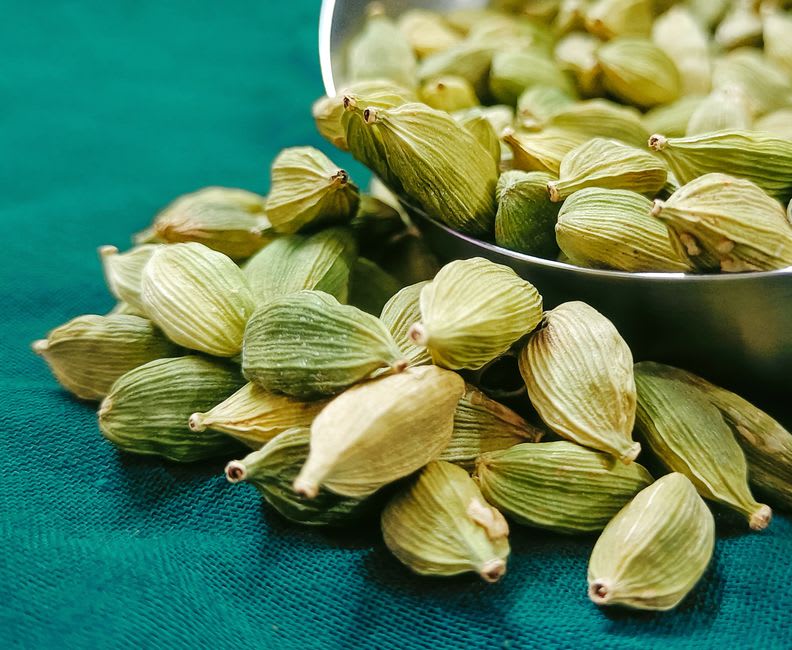
What struck me hardest was the smell. Cobán is the unofficial cardamom capital of the world — Guatemala exports more of the spice than India, its country of origin, and almost all of it moves through this region. Walk near the market at the right hour and the air turns sweet and resinous, sacks of the little green pods stacked waist-high while buyers haggle in Q’eqchi’ as often as Spanish. I got talking to a cardamom trader named Herminio who let me crack open a pod and chew the seeds raw — an intense, almost medicinal sweetness that stayed on my tongue for an hour. He told me most of it ends up in tea in the Middle East, which felt like a strange, quiet thread connecting this foggy highland town to somewhere I’d never think to link it with.
Orchids and the Rabin Ajau
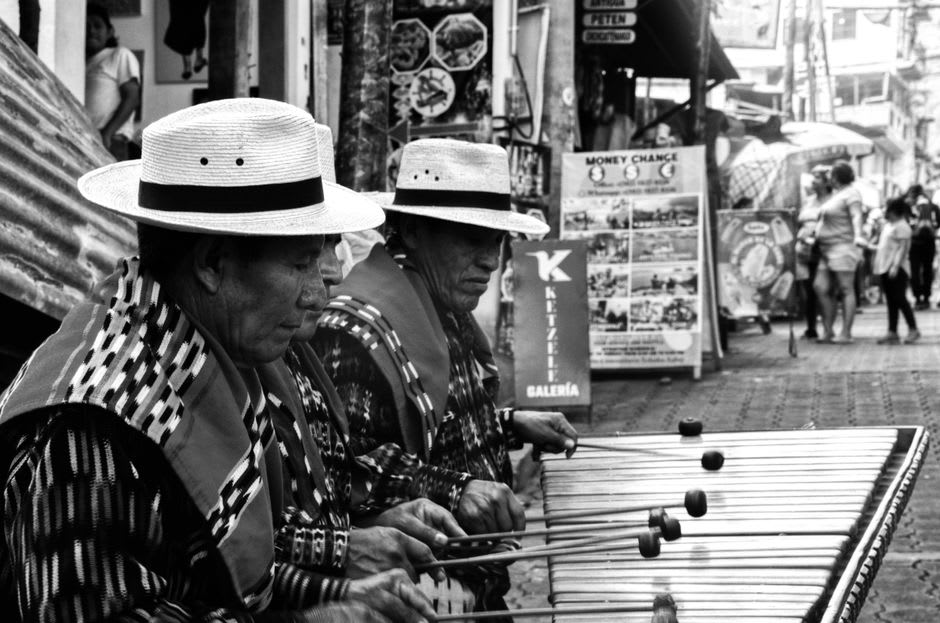
Cobán’s other obsession is orchids, and the Vivero Verapaz orchid nursery just outside town is where I spent an entire humid afternoon wandering greenhouse aisles lined with the national flower, the monja blanca, alongside hundreds of other varieties collected from the surrounding cloud forest. But the event that defines the town is the Rabin Ajau, the national Maya beauty pageant held every August, where young women representing indigenous communities from across Guatemala compete not on appearance but on fluency in their native language, knowledge of Maya traditions, and command of Q’eqchi’ or Kaqchikel or Mam customs. I happened to be there the week of the festival once, purely by luck, and the plaza filled with color — huipiles from every region, marimba bands, a genuine sense that this was about cultural pride rather than spectacle.
Cobán itself doesn’t try hard to be pretty for visitors, and that’s part of its appeal. It’s a working highland town, a jumping-off point for Semuc Champey and Lanquín, but it deserves at least a full day and night on its own — the cool air alone, after weeks of lowland heat, felt like a small mercy.
When to go: December to April brings drier, clearer days, though the fog rarely lifts entirely. Time a visit for the last week of July or the first week of August if the Rabin Ajau festival timing works — it is the single best window to understand why this region matters culturally.
Keep exploring
More from Guatemala
 guatemala
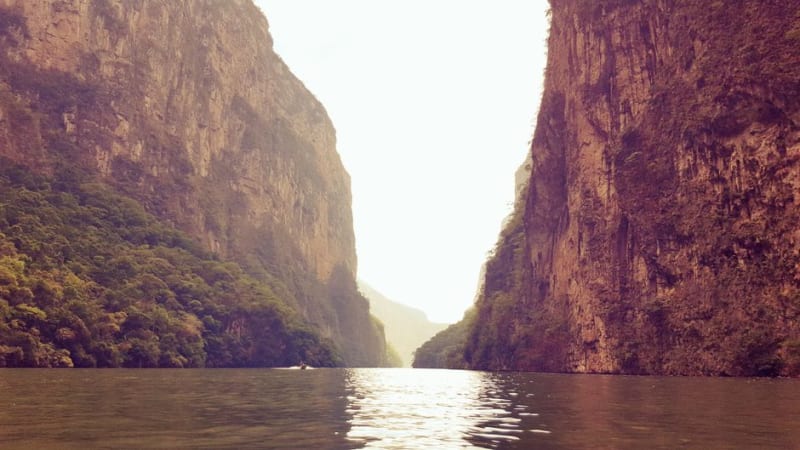
 El Boquerón Canyon
A limestone river canyon near Río Dulce you can only see from a paddle, walls rising so sheer that the sky becomes a thin blue ribbon overhead.
Explore guatemala
 El Mirador
A pre-classic Maya megacity swallowed by the deepest jungle in Petén, reachable only by a five-day mule trek or a helicopter, crowned by one of the largest pyramids ever built.
Explore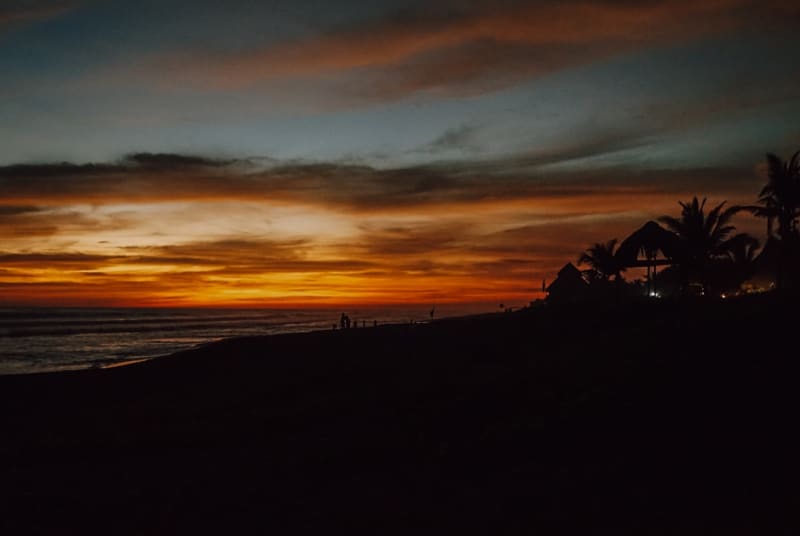 guatemala
 El Paredón
A black-sand surf village on Guatemala's Pacific coast, wedged between a mangrove estuary and an ocean that hasn't finished being discovered.
Explore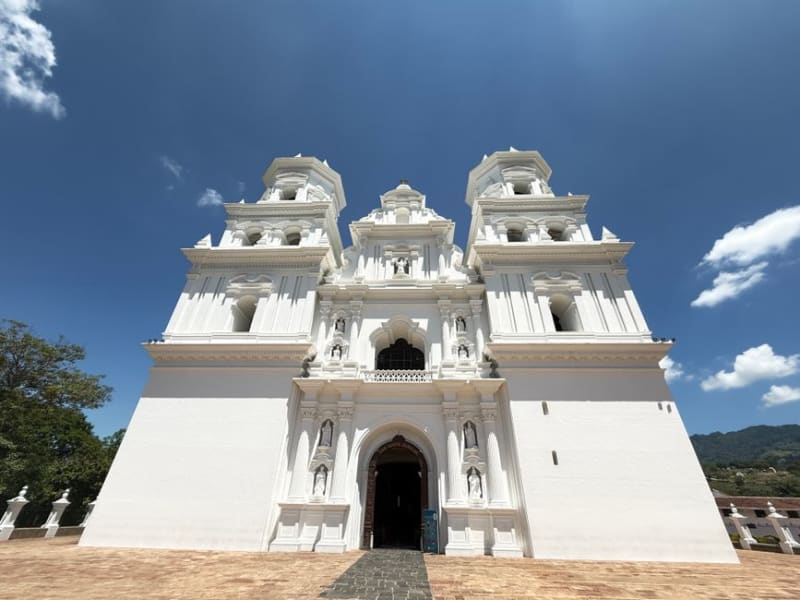 guatemala
 Esquipulas
Central America's holiest pilgrimage town, where a colonial basilica shelters the venerated Black Christ and pilgrims arrive on foot from three countries.
Explore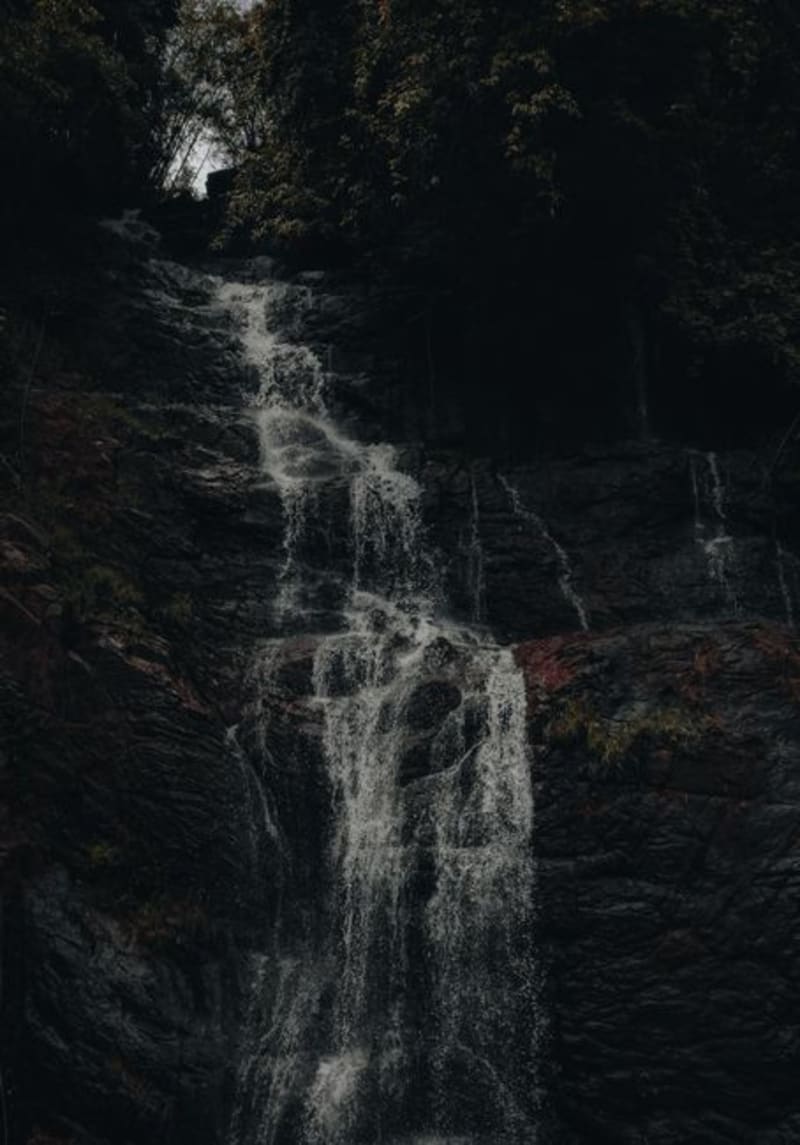 guatemala
 Finca El Paraíso
A scalding waterfall that drops straight into a cold jungle river, so you can stand with one shoulder boiled and the other frozen.
Explore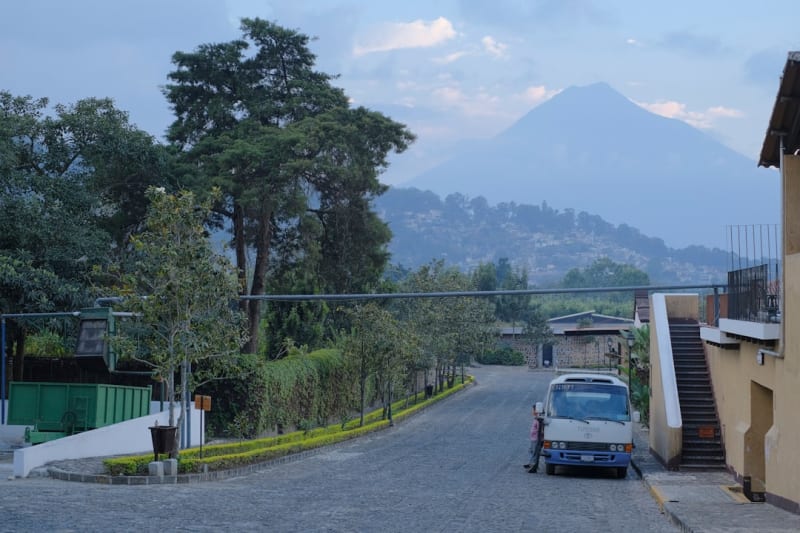 guatemala
 Finca Filadelfia
A working coffee plantation in the hills above Antigua, where the whole slow chain from ripe cherry to poured cup happens in front of you.
Explore