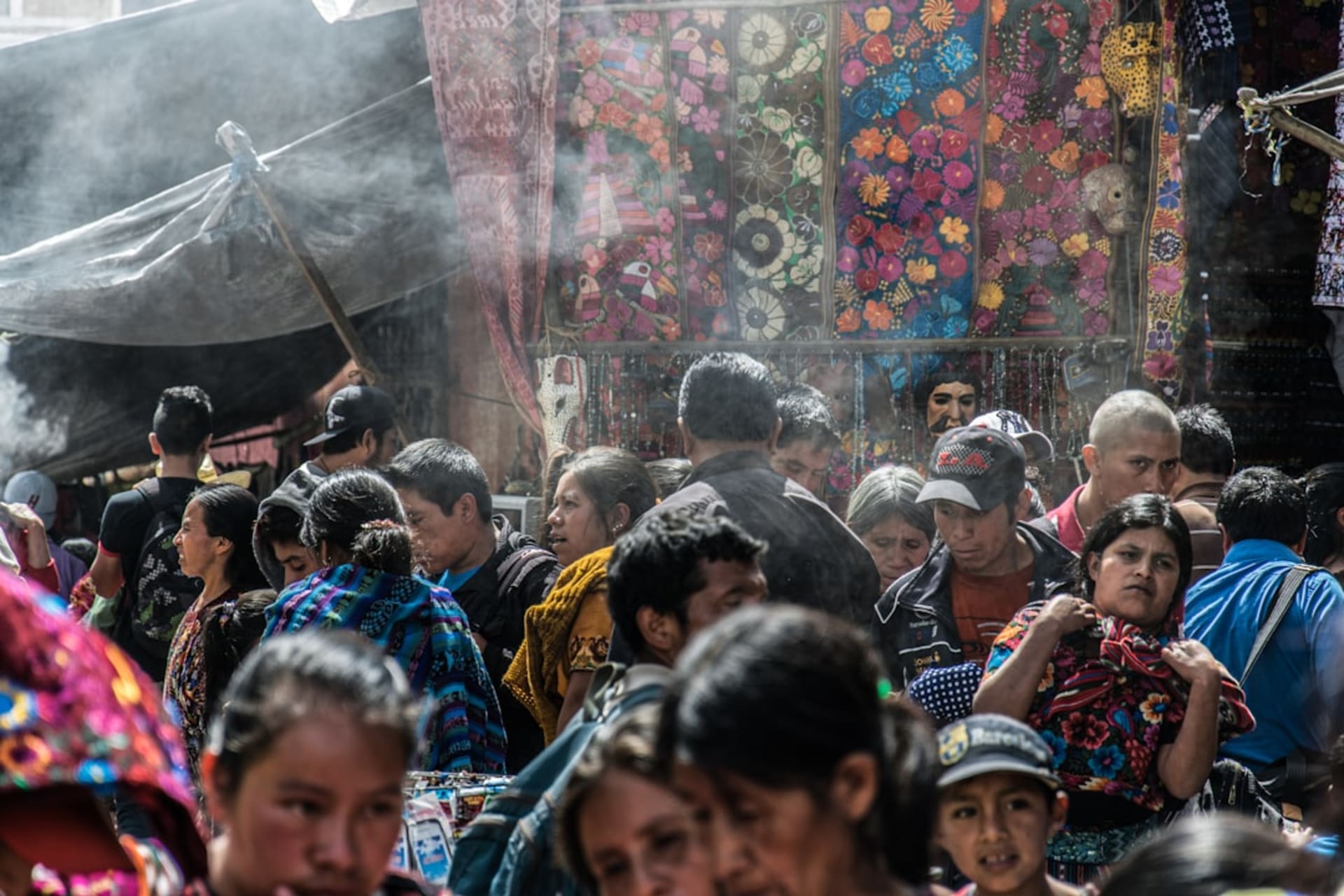
A hot, dusty trading town in Guatemala's forgotten east, where cattle trucks and Copán-bound buses share the same sunbaked streets.
By the time the bus dropped me at the terminal, my shirt was already stuck to my back. Chiquimula sits low in a valley in Guatemala’s eastern lowlands, and it does not have the highland manners of Antigua or Xela — no cool mountain evenings here, just a flat, relentless heat that the locals call “tierra caliente” without a trace of irony. They call it La Perla de Oriente, the Pearl of the East, which felt like a joke until I understood it was said with genuine affection, the kind reserved for a place that works hard and doesn’t ask to be admired for it.
A Town That Moves Things
Chiquimula isn’t a destination so much as a hinge. Everything passes through it: cattle trucks grinding down from Honduras, buses headed for the Copán ruins just across the border, pickups loaded with melons and dried fish bound for the capital. I spent an afternoon at the market near the central plaza, where a woman selling loroco and dried chile pepper let me try a hunk of queso seco while explaining, patiently, that no, I could not simply walk to Honduras from here — I’d need at least three more hours and a border stamp.
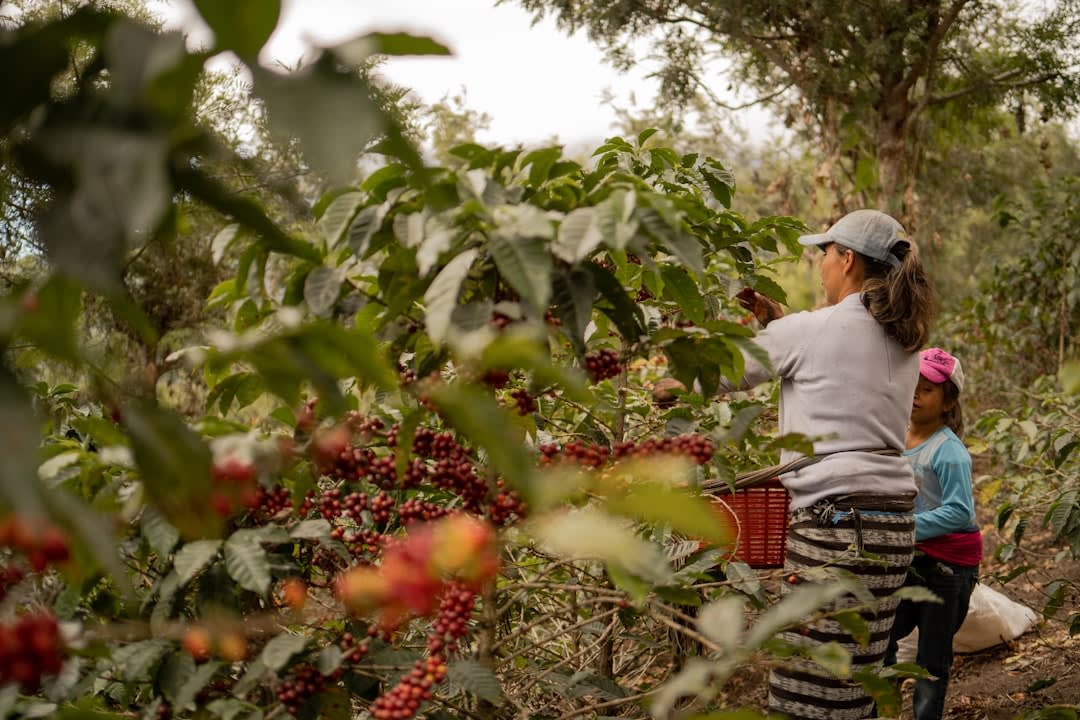
What struck me was how unselfconscious the town felt. There’s no boutique hotel scene, no menu translated into four languages. The comedor where I ate my lunch — a plate of carne asada with black beans and a stack of tortillas thicker than the ones I’d grown used to in the highlands — had a television bolted to the wall playing a Honduran league match, and the owner argued good-naturedly with a customer about the referee the entire time I ate.
The Road to Esquipulas
The real reason most travelers pass through is the road south to Esquipulas, home to the Black Christ basilica that draws pilgrims from across Central America. I shared a shuttle with a family from Chiquimula who did the pilgrimage every January without fail, and the grandmother told me, in a mix of Spanish and gestures, that the heat of this region was itself a kind of penance — you earned the cool of the church’s interior by suffering through the drive to get there. I believed her. By the time we arrived, stepping into the basilica’s shadowed nave felt like diving into a lake.
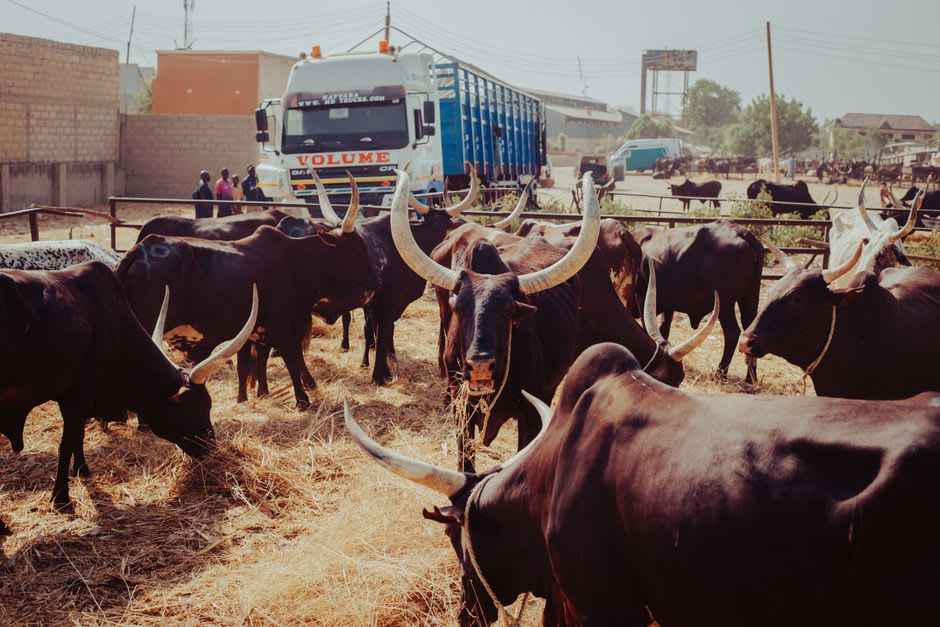
I only stayed one night, which is about right. Chiquimula isn’t trying to keep you. But if you’re heading to Copán or continuing on to Honduras, it’s worth breaking the trip here rather than rushing through — if only to eat well, sweat honestly, and see a slice of Guatemala that has nothing to prove to anyone.
When to go: November through February brings the least brutal heat; avoid April, when temperatures in the eastern lowlands regularly climb past 35°C and the dust from the dry season hangs over everything.