Thessaloniki
"Thessaloniki feeds you history between mouthfuls of the best food in Greece."
Greece's second city and gastronomic capital is a Byzantine palimpsest of walls, mosaics, and waterfront tavernas that outlast every guidebook.
I arrived in Thessaloniki off a night train from Athens expecting a smaller, quieter city. What I found instead was a place that had been eating and arguing and burying its dead for three thousand years without much concern for what anyone else thought of it.
The Weight of Walls
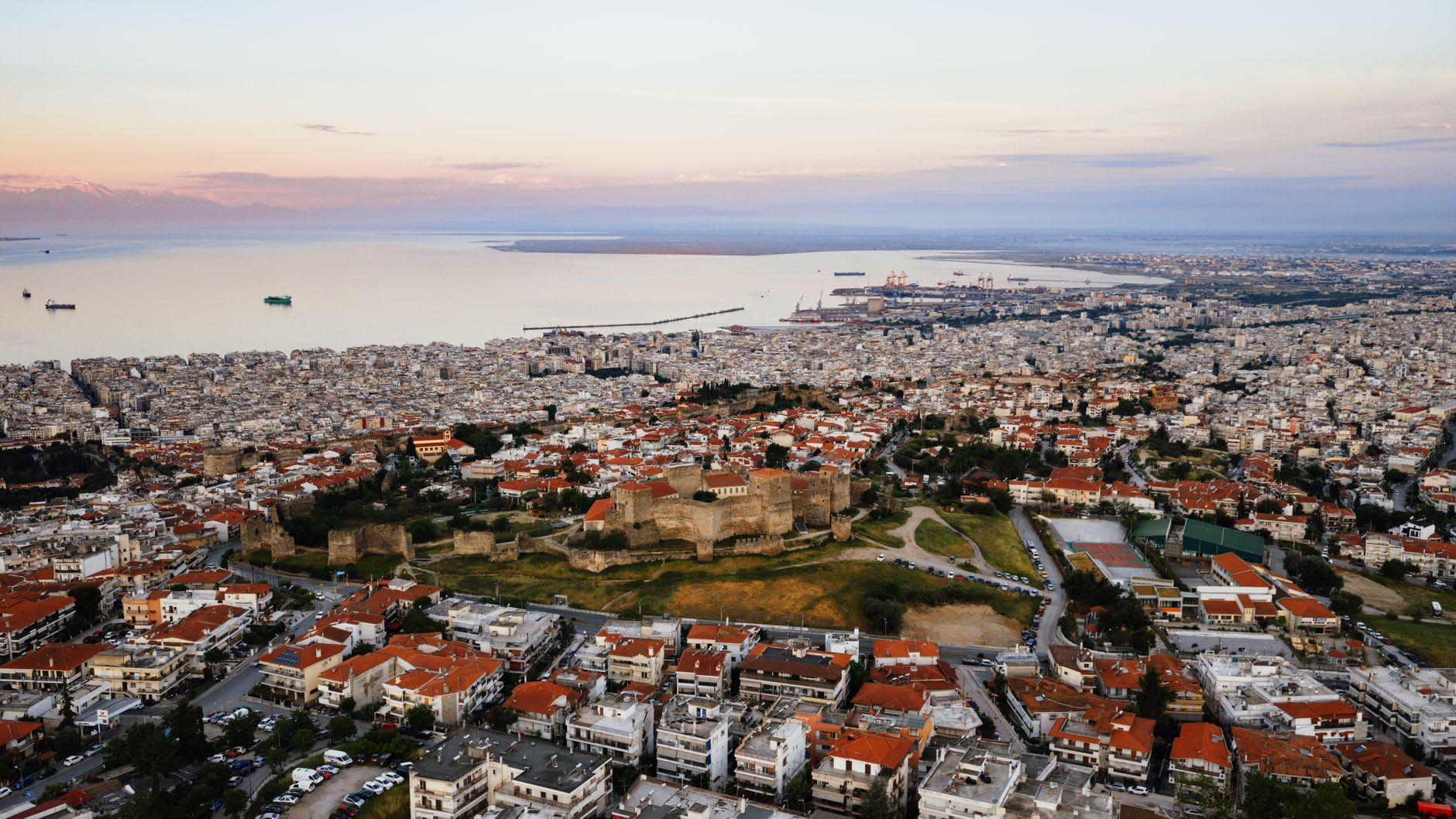
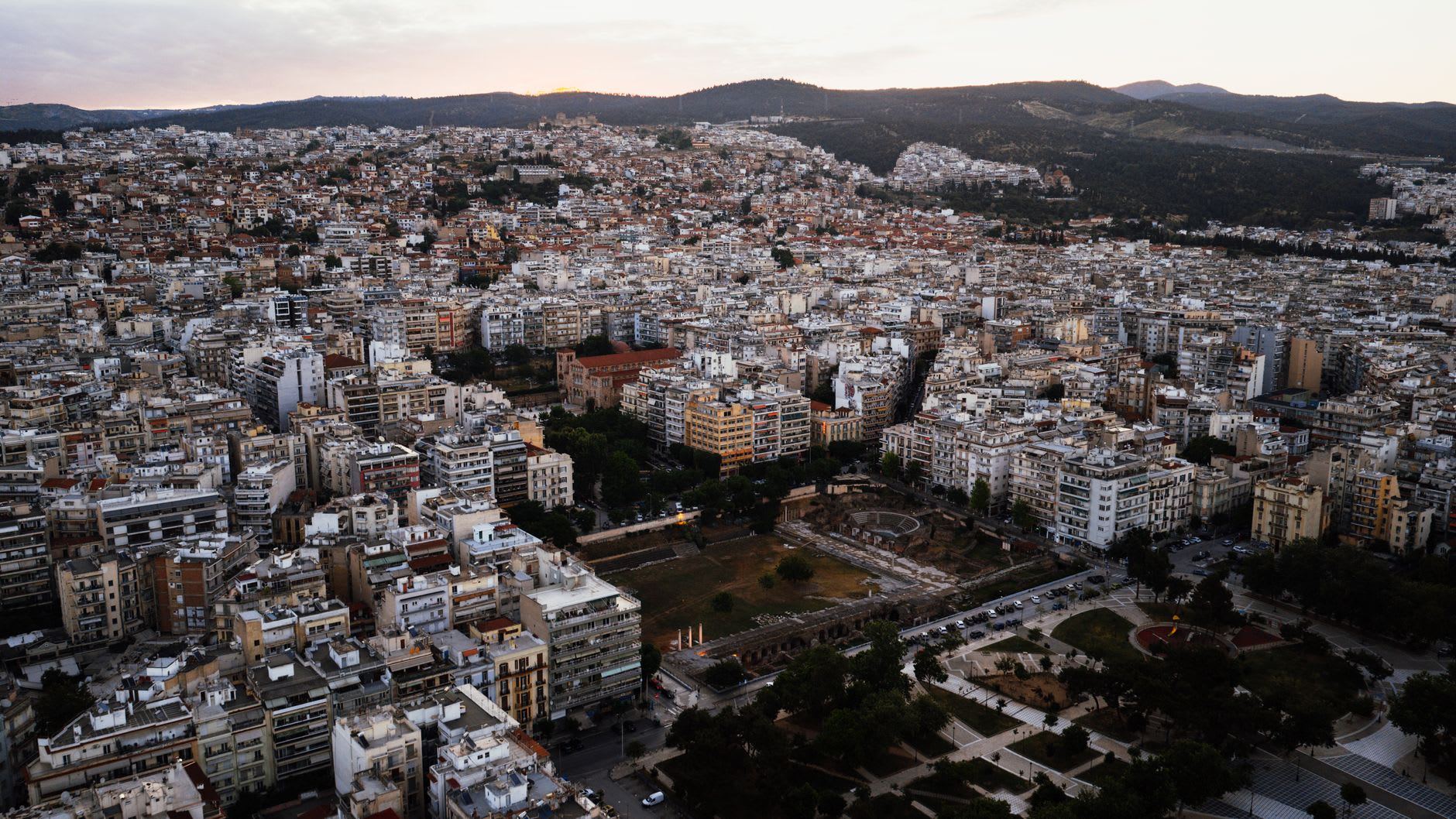
The Ano Poli, the upper city, catches the morning light before anywhere else. Lia and I climbed through the Byzantine ramparts just after eight, the air still cold off the Thermaic Gulf, and found old men drinking coffee in front of houses that leaned at angles no building code would permit. The walls of the Eptapyrgio fortress have been prison, garrison, and crumbling landmark in no particular order, and they carry all of it without explanation. Below, the city unfolds in layers — Ottoman hammams wedged between neoclassical apartment blocks, the Rotunda standing in a roundabout as if history simply forgot to move it.
What stopped me cold was the Hagia Sophia of Thessaloniki — not Istanbul’s, this one, smaller and older and receiving almost no one. I stood inside looking up at a mosaic of the Ascension that dates to the ninth century, the gold tessera still catching light from windows that have been open since the Byzantine emperors were alive. A caretaker was mopping the floor. Life goes on.
The Serious Business of Eating
Thessaloniki does not do food casually. The city has its own dishes, its own obsessions, and a mild contempt for the idea that Athens might feed you better. On Aristotelous Square I ate bougatsa — custard cream wrapped in phyllo, dusted with powdered sugar — standing at the counter of a place that opens at six in the morning and runs out by ten. Later, deep in the Modiano market, I found myself eating grilled offal at a stall where the smoke had been accumulating on the ceiling since 1930. The loukoumades came drizzled with thyme honey, the raki arrived without being asked for.
The tavernas along Ladadika, the old oil-merchant quarter, stay busy until well past midnight. We shared a carafe of white Assyrtiko and a plate of taramosalata so good it embarrassed every version I’d eaten before.
What the Waterfront Holds
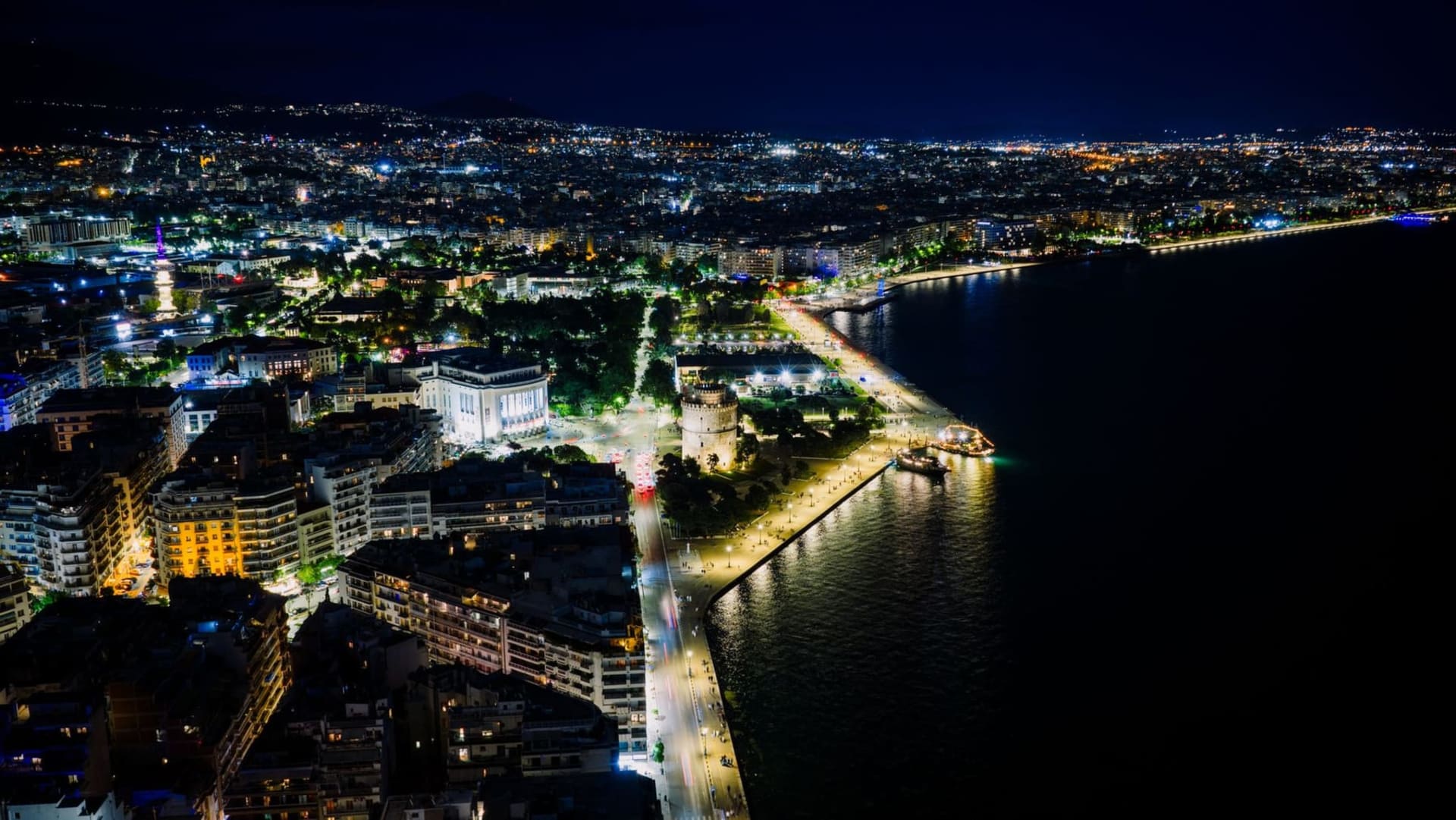
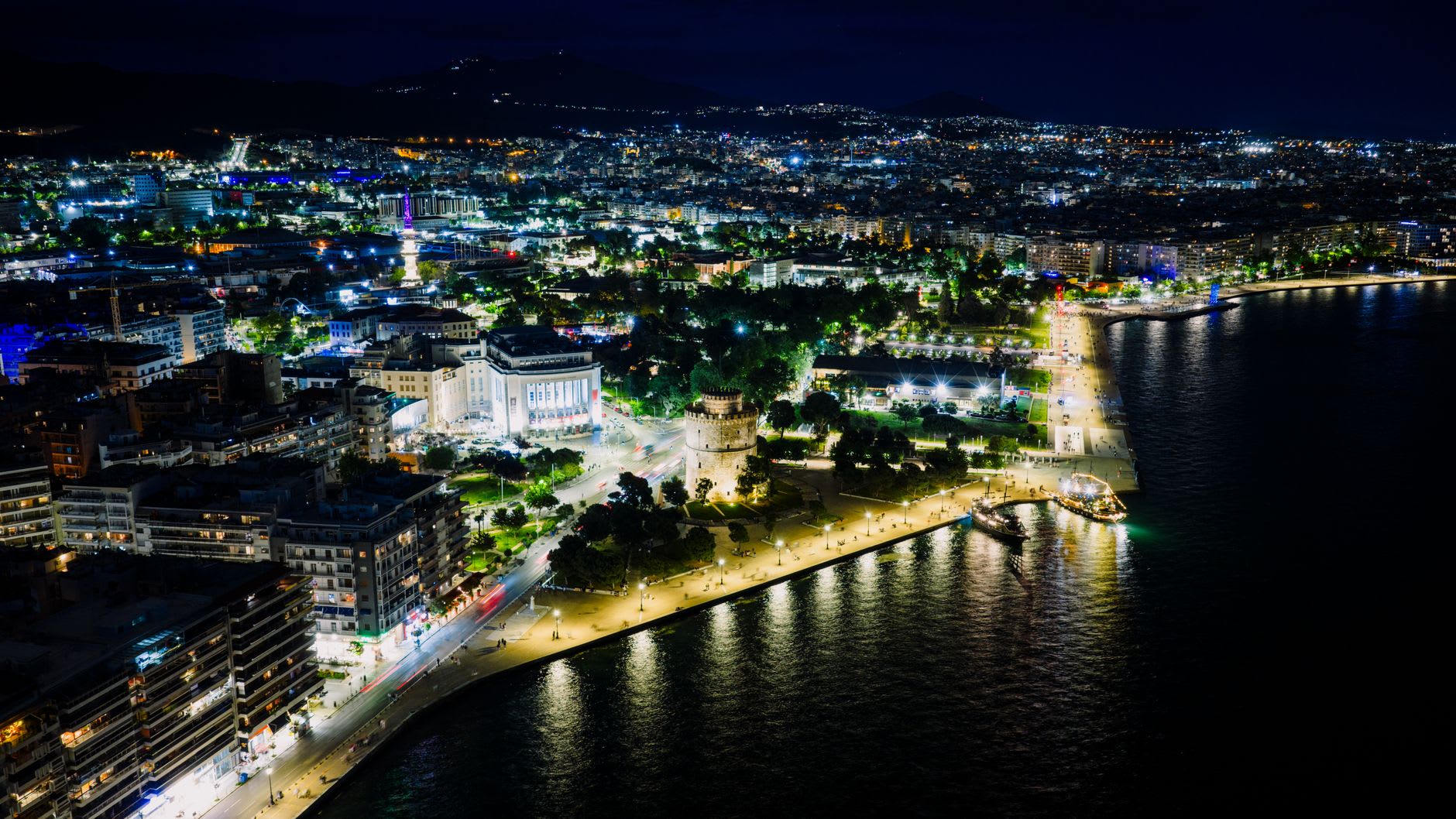
The promenade along the gulf is three kilometres of unhurried movement — families, teenagers, couples, old men with komboloi beads. The White Tower anchors one end, lit amber at night, and for a moment the whole city becomes legible: a place that has survived fire, earthquake, occupation, and reinvention by staying stubbornly, unapologetically itself.
When to go: Late September through November, when the heat has broken, the tourists have left, and the city returns to its own rhythms. Spring — March to May — runs it close, with the light on the gulf at its most extraordinary.