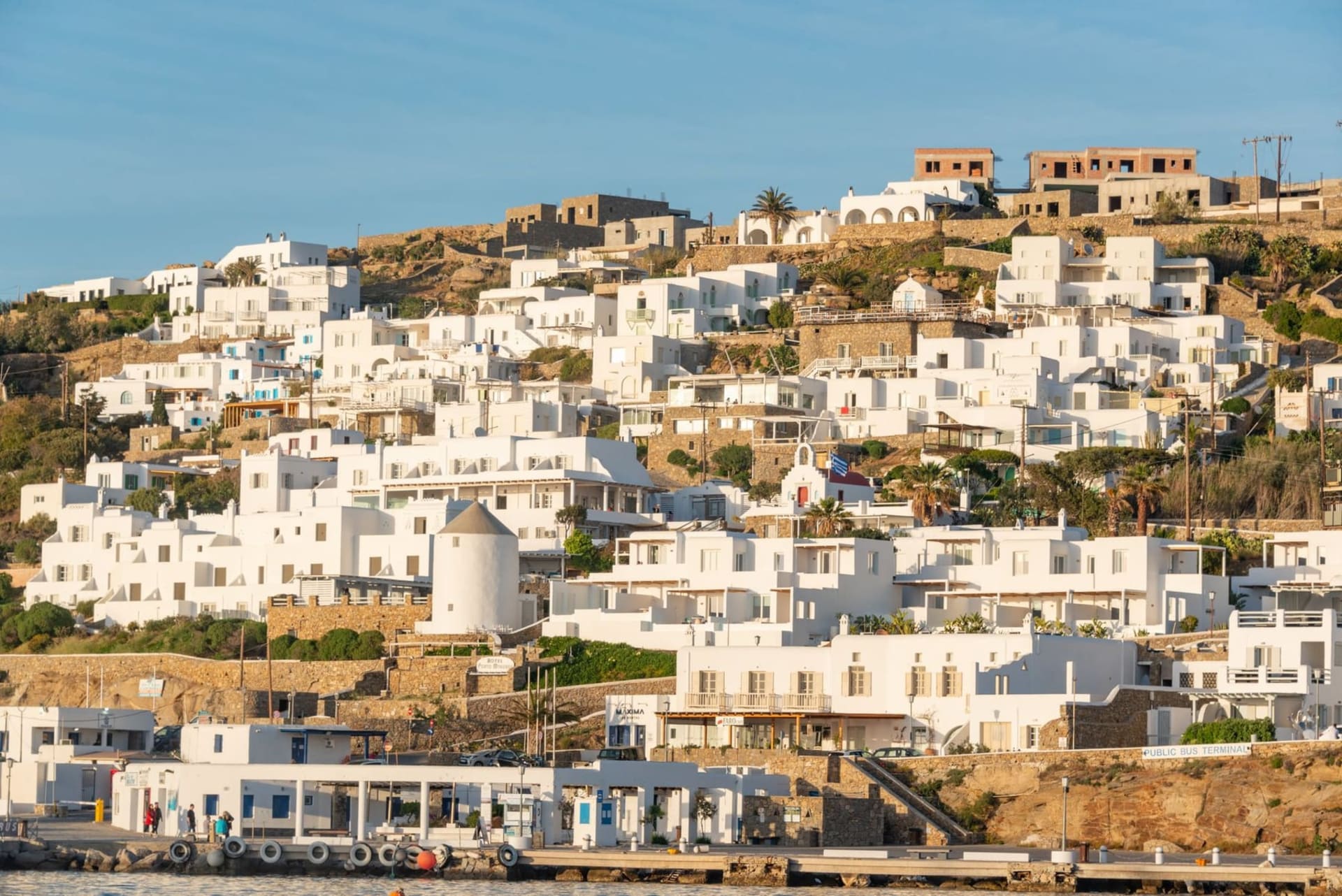
The labyrinthine whitewashed lanes of Chora were designed to confuse pirates — today they confuse visitors just as delightfully.
I have been lost in a lot of cities. Lost in the medinas of Morocco, lost in the backstreets of Oaxaca, lost in the canal-cut warrens of Venice. But nothing prepared me for the particular quality of lostness that Mykonos Town — Chora, as the locals call it — inflicts upon you within minutes of arrival.
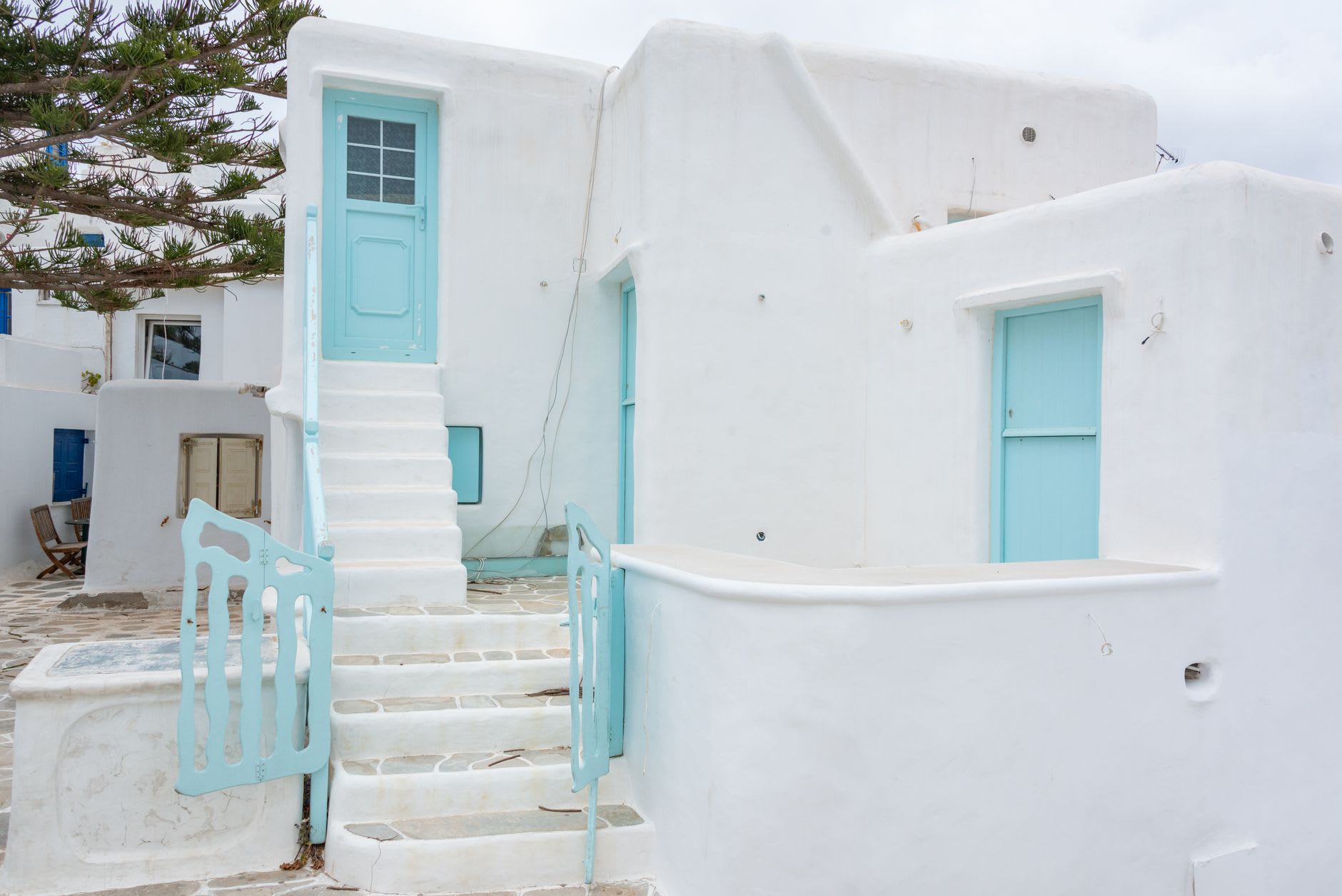
The streets were designed this way deliberately. Medieval Aegean builders understood that a labyrinth was the best defense: invading pirates couldn’t navigate what they couldn’t predict. Every alley that seems to point toward the sea bends back inland. Every staircase that promises the main square deposits you instead at someone’s painted doorstep, a ceramic pot of geraniums your only compass.
The Architecture of Confusion
Lia and I arrived mid-morning, when the light off the Aegean was still sharp and white rather than the molten gold it becomes by late afternoon. The buildings absorb that light differently than anywhere else I’ve been — the whitewash here is not the brilliant tourist-poster white of postcards but something warmer, almost chalky, almost alive. The blue of the shutters and domes is not decorative; it’s the same blue as the sea visible in slivers at the end of every third alley, a constant orientation point that somehow fails entirely to orient you.
I eventually stopped trying to navigate and started walking by smell instead. Frying loukoumades from a cart near Matoyianni Street. Sea salt and diesel from the harbor. The sharp mineral clean of freshly whitewashed stone. The lanes widened briefly at Taxi Square — Plateia Manto Mavrogenous — where a bronze horseback statue stands surrounded by kafeneions and the slow theatre of arriving and departing ferries.
What the Maps Don’t Show
The moment that genuinely stopped me was accidental, the best kind. I ducked through a low arch off Enoplon Dynameon Street to escape a sudden crowd surge, expecting a dead end, and found instead a tiny unannounced chapel — no sign, no tourists, just three plastic chairs, a votive candle in a red glass, and a cat sleeping on the threshold as though it had been hired for the role. The silence inside the alley was absolute. Ten meters away, the main lane hummed. I stood there longer than made any reasonable sense.
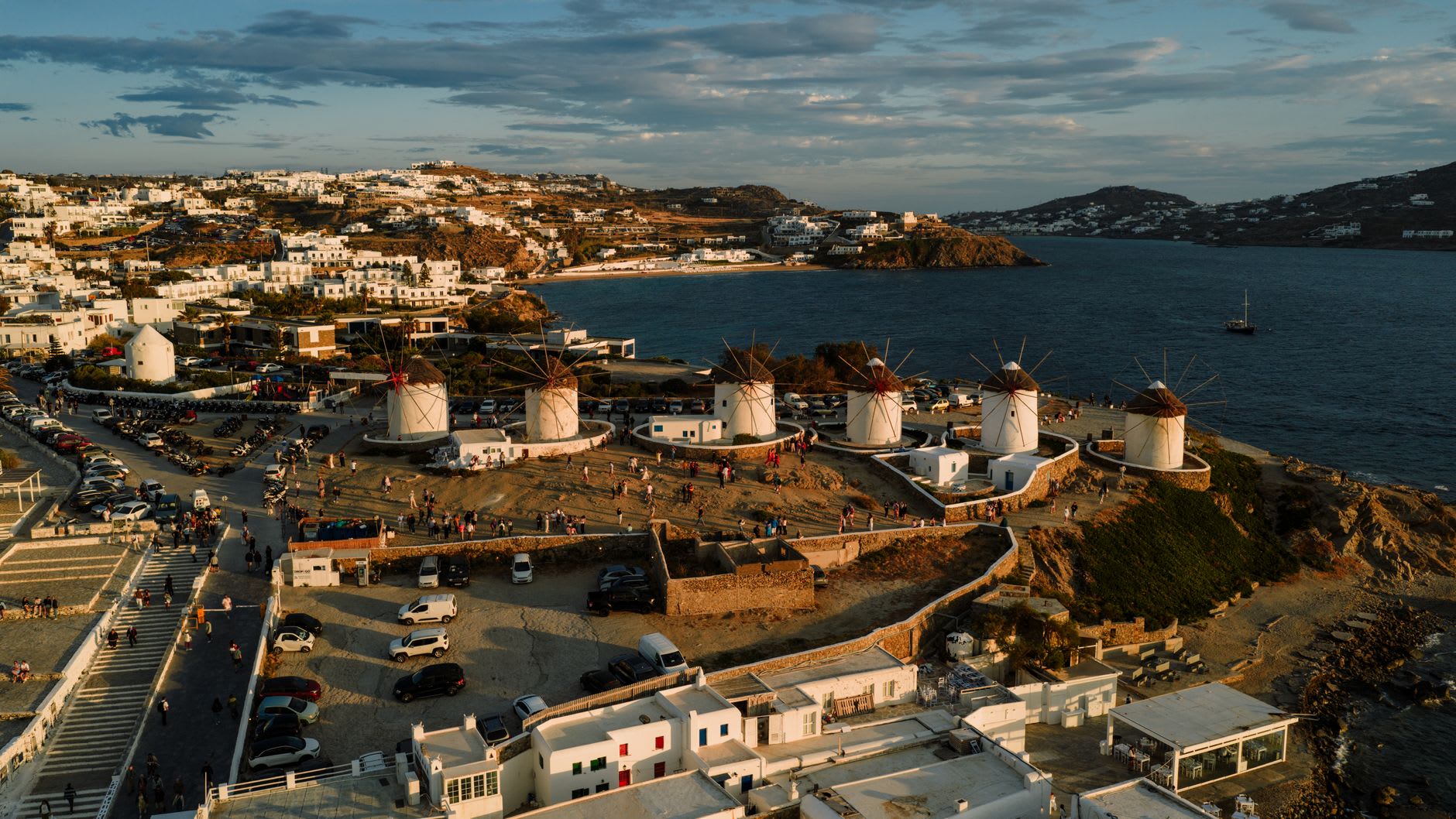
Later, at a table near Little Venice — the row of 17th-century captains’ houses that hang directly over the water — I ate octopus grilled over charcoal and watched the windmills of Kato Mili turn slowly against an impossible sunset. Some places earn their reputation in spite of their fame. Chora is one of them.
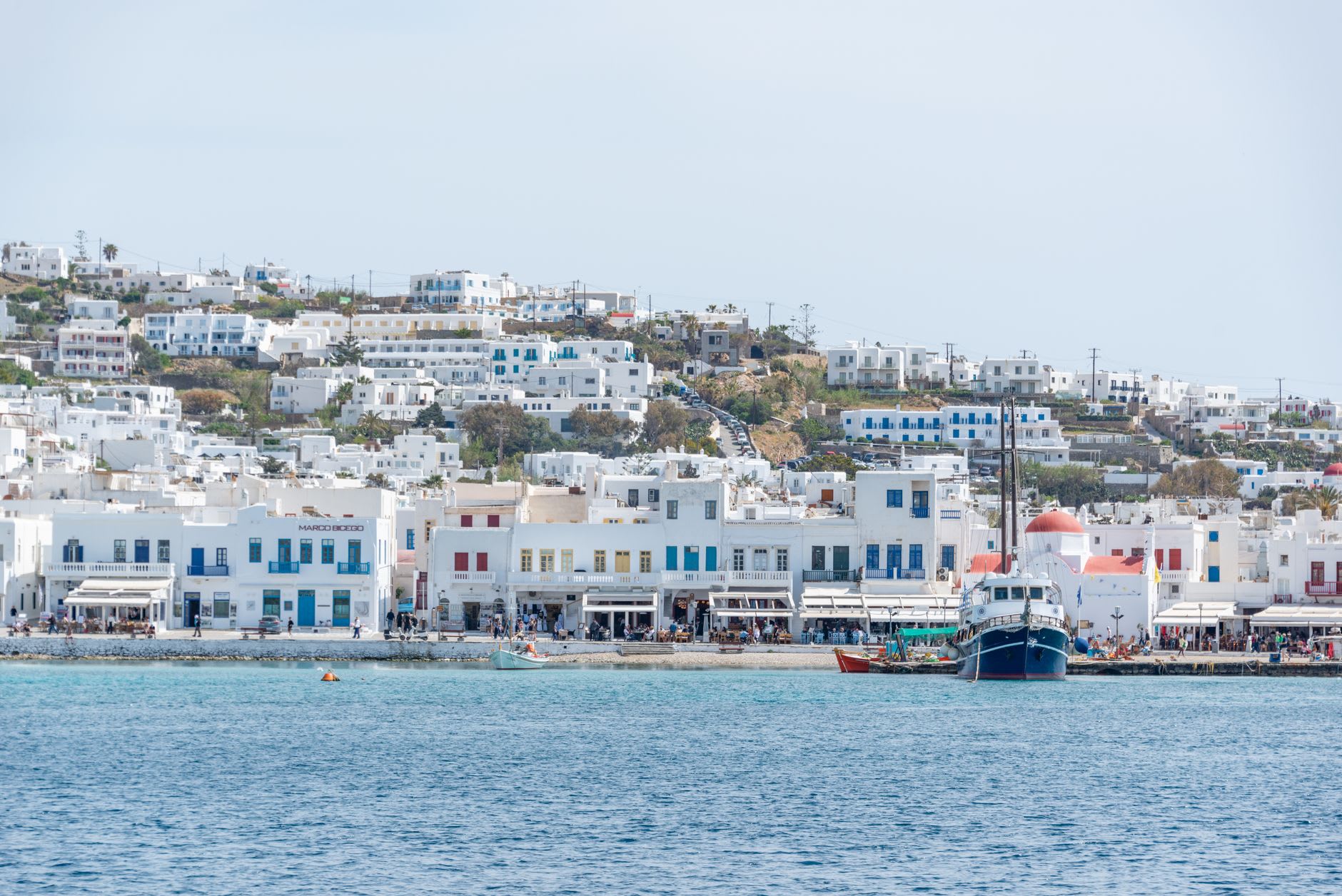
When to go: Late May and early June offer the clearest light and navigable streets before the peak-season crowds arrive; September is equally beautiful and considerably calmer, with warm water and a town that breathes again after summer’s intensity.