
Lake Bogoria
"Steam rising from the earth, a million birds on the water — the Rift Valley at its most literal."
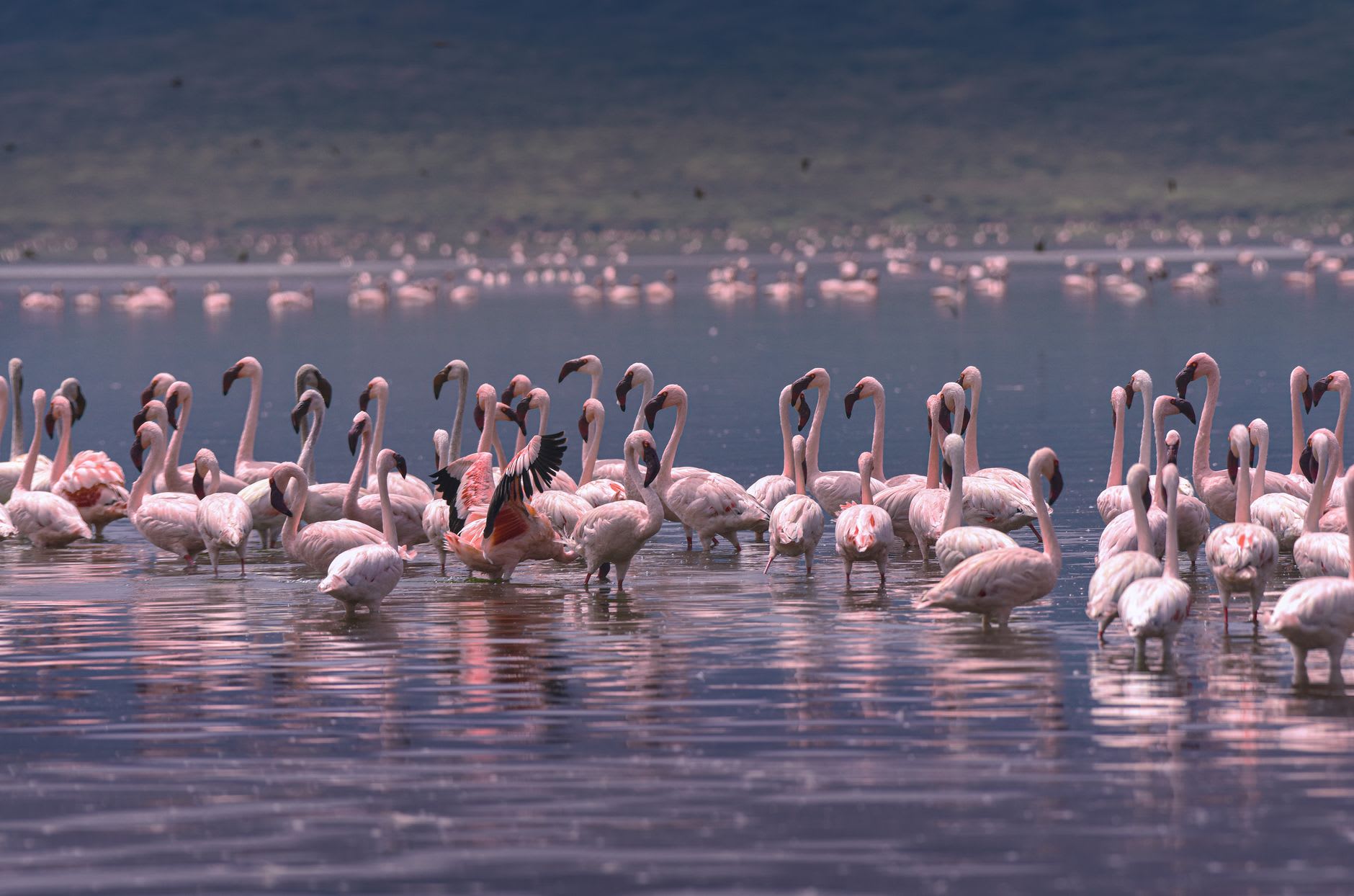
I crouched next to a geyser at the edge of Lake Bogoria and held my hand near the vent until the heat became insistent. The water shooting out was not warm — it was genuinely boiling, erupting in short violent bursts before draining back into the crust. Three meters away, a jackal was picking its way along the lakeshore with the careful nonchalance of an animal that has learned exactly where the safe ground ends. And beyond the jackal, extending to the far horizon, the lake was pink. Solidly, completely, unforgettably pink.
Lake Bogoria sits in the northern section of the Kenyan Rift, at a lower elevation than Nakuru and with water so caustic it can strip the flesh from a flamingo’s legs if they stay too long in certain sections. Lesser flamingos filter algae from it in their millions. There are years when Bogoria holds more flamingos than any other lake on earth. The rangers told me numbers shift constantly — water chemistry, algae blooms, disturbance from predators — and that a lake that was pink last week can be half-empty this week. I happened to arrive when the birds were in. The sound alone was something I had not prepared for: a low, continuous roar of wings and calls, like standing near a freeway, except that the sound was alive.
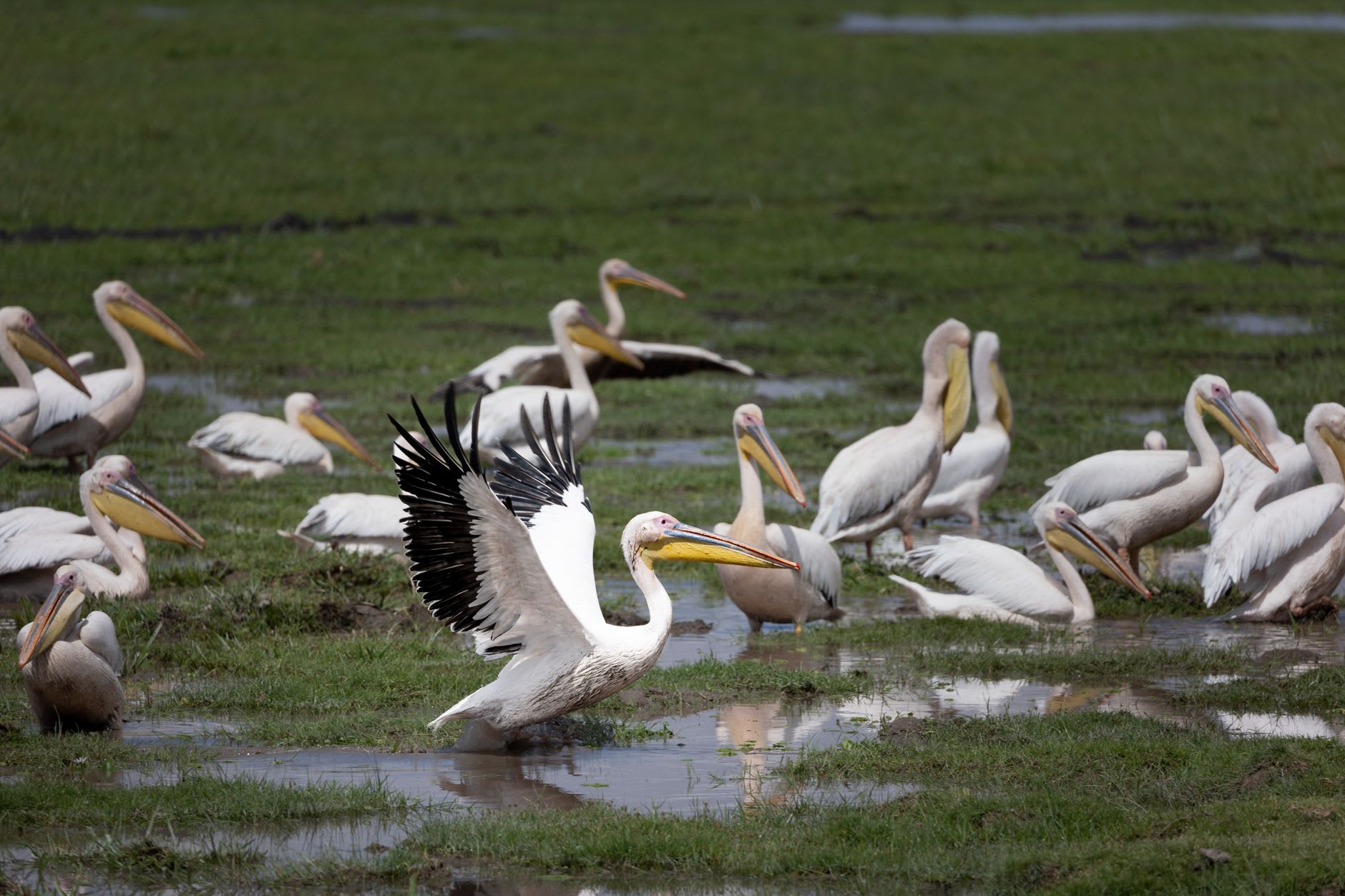
The hot springs and geysers run along the western shore in a chain of vents that the local Tugen and Endorois communities have used for generations to cook food. I watched a woman lower a bundle of corn cobs into a hot pool using a long stick, retrieve them fifteen minutes later, and hand one to her daughter without breaking the conversation she was having with a neighbor. The geothermal activity here is the same force that drives the Rift Valley’s tectonic spreading — the plates pulling apart, the mantle close to the surface, the earth sweating. I had read about this geology in books. Watching someone cook dinner in it made it feel differently true.
The area around Bogoria is drier and more acacia-scrub than the lusher country around Naivasha, and the Tugen Hills to the east give the horizon a gentle corrugated ridge. Greater kudus move through the forest sections of the reserve, their spiral horns catching the light between trees. On the rocky outcrops above the shoreline, klipspringers stand on their tiny hoof-tips in that vertical posture that always looks implausible. The reserve is smaller and less visited than Nakuru, which means the roads inside are often empty and the experience is correspondingly quieter.
Accommodation options near Bogoria are limited, which is either a problem or a recommendation depending on how you travel. The nearest proper town is Marigat, forty kilometers north, where there are basic guesthouses and roadside stalls selling roasted maize and mandazi — the deep-fried dough knots that smell extraordinary when they come out of the oil. I stayed near the reserve entrance at a simple camp and ate whatever was cooked that evening: beans, rice, a fish stew made from tilapia from Lake Baringo, further north. Everything tasted of effort and the right kind of simplicity.
When to go: June through October and January through February offer the driest conditions and the best flamingo viewing. The western shore geysers are accessible year-round. Come early in the morning — the flamingos feed most actively before the heat builds, and the light on the water at six in the morning is worth any early alarm.