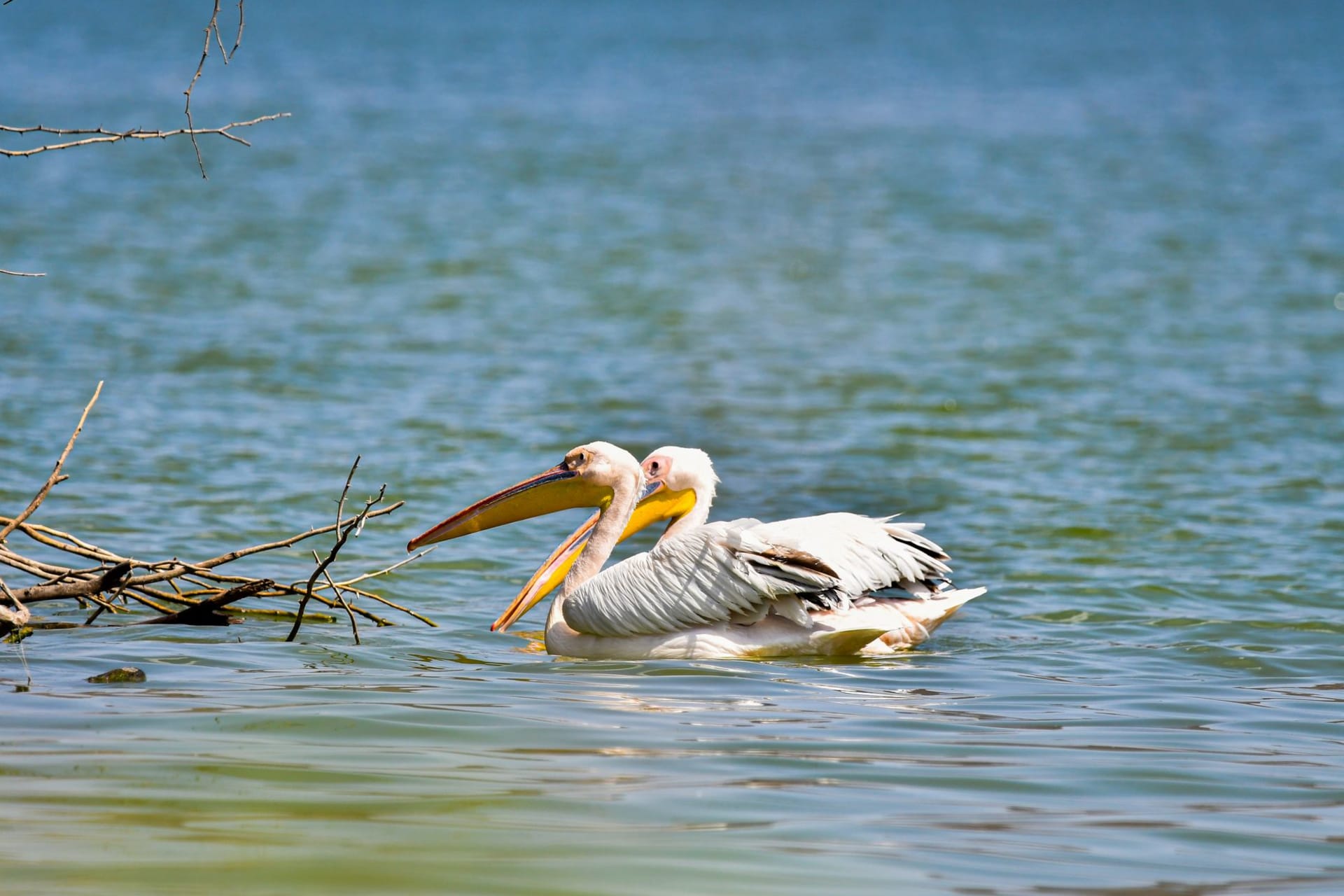
Lake Baringo
"At five in the morning the fish eagle started, and everything else on the lake took a moment to remember where it was."
The fish eagle woke me before the alarm. It was still dark outside, or the particular dark just before dawn that Kenya does with such commitment — sky black and fully starred, the lake audible in the silence through the open window as a kind of breathing, a small lap and settle. Then the eagle called. That cry — descending, wild, the sound that for me will always be the sound of East African water — went out over the lake and was answered almost immediately by another, and then a third, and for ten minutes before I got up I lay there listening to them trade calls in the dark.
Lake Baringo is different from the other Rift Valley lakes in ways that compound. It is freshwater, like Naivasha, but further north — drier, hotter, the vegetation sparser and more acacia-scrub than the green lushness of the south. The surrounding hills are home to the Njemps, who are fishermen here (unique for pastoralist Rift communities), and the Pokot, and there is a living texture to the lakeside that the more touristed parks to the south have largely smoothed away. Fishermen in wooden boats head out before dawn. Donkeys carry water containers along the shore road. The pace is the pace of a place that is not primarily arranged for visitors.
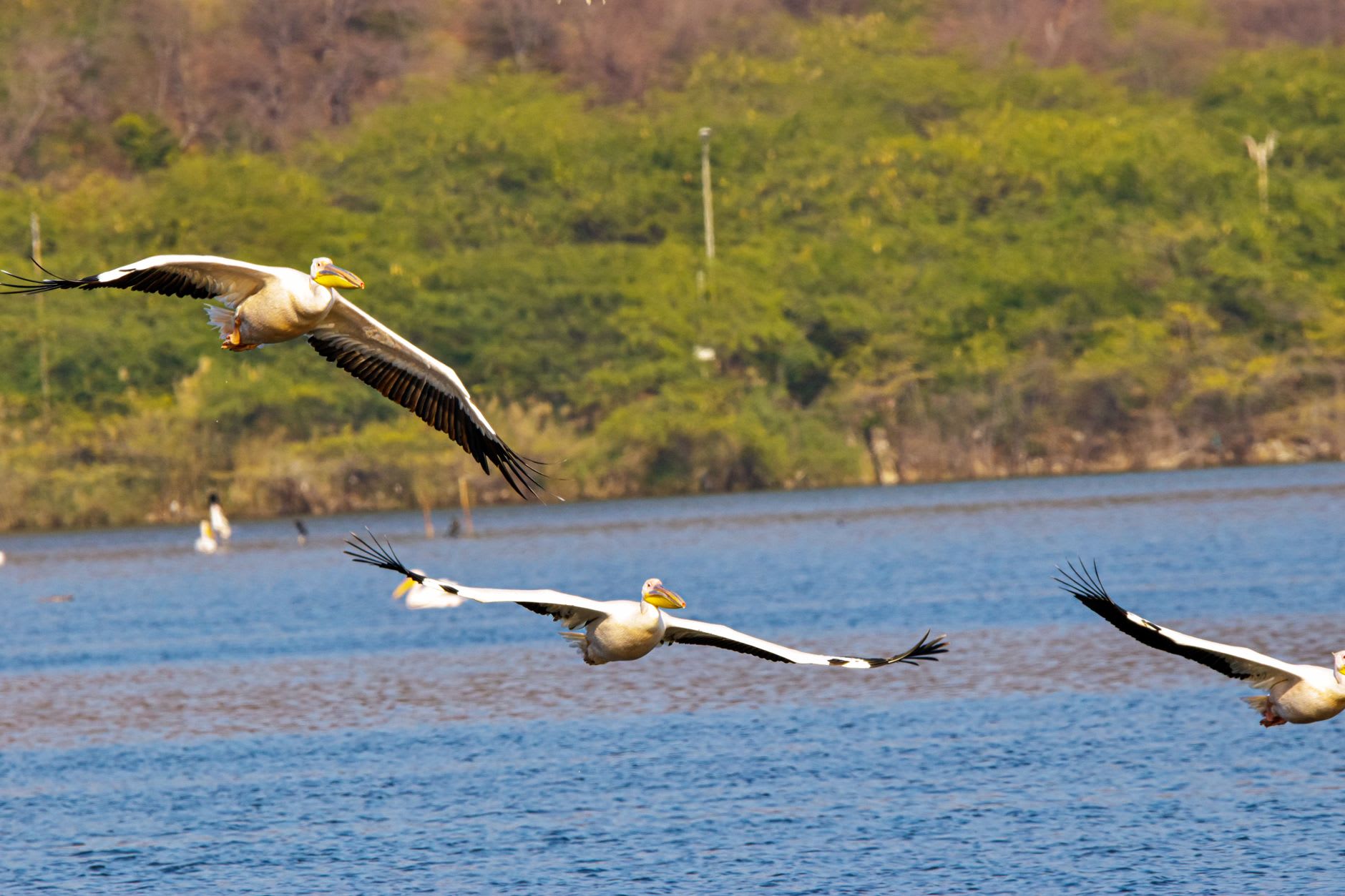
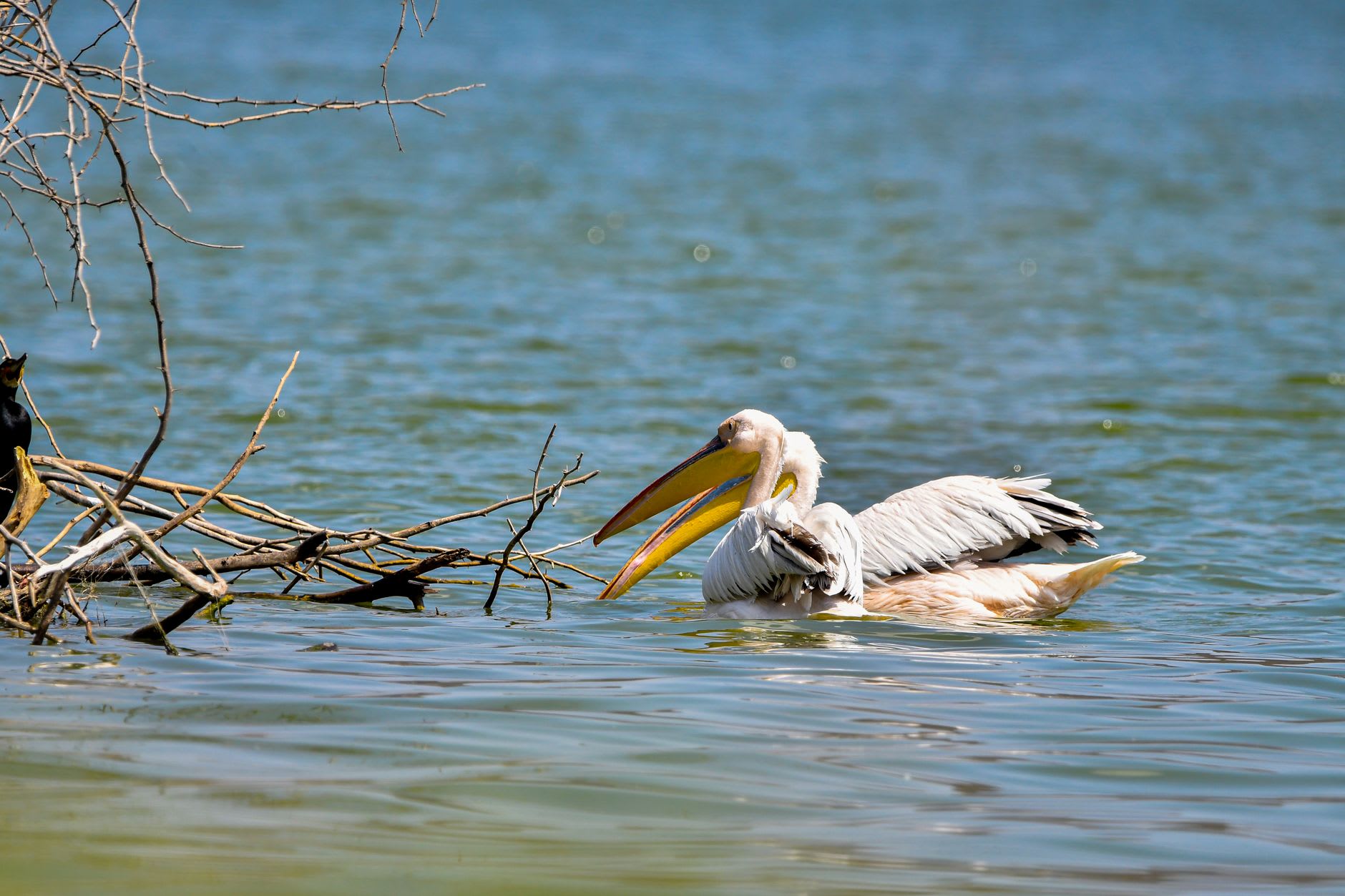
The birding here is extraordinary. Over four hundred and seventy species have been recorded around Baringo — a figure that makes serious birders travel significant distances and stay significant lengths of time. I am not a serious birder in any technical sense, but even I found myself stopping repeatedly: a pair of Verreaux’s eagles riding a thermal above the escarpment, their black and white wings geometrically precise. A Goliath heron, the world’s largest, standing in the shallows with the absolute stillness of a creature that has decided patience is the only strategy worth having. Bee-eaters in improbable colors moving through the acacia canopy.
The crocodiles are part of Baringo too, though they don’t feature in the promotional material. The lake holds a genuine population of Nile crocodiles, and on the islands that dot the southern end — papyrus-tufted and low in the water — they sun themselves in groups with the democratic calm of creatures at the top of their food chain. I took a boat trip with a guide named Sammy who knew every island and every crocodile family on it, narrating their territorial histories with the affection of someone describing neighbors rather than apex predators. We stopped at Ol Kokwe island, which has hot springs at its center that bubble directly up through the ground and run into the lake — the Rift’s geothermal plumbing surfacing yet again.
The lodges at Baringo occupy a different category from the luxury camps further south. They are simpler, more functional, with open-sided restaurants where the fans work and the food is grilled fish from the lake — tilapia, mostly — with sukuma wiki, the braised kale that appears beside almost every meal in Kenya. I ate it for breakfast at one point, leftover from dinner, and found it entirely appropriate.
When to go: Baringo is pleasant and accessible year-round. January through March and July through October offer the best birding conditions. The lake level can vary dramatically between seasons, affecting boat access to some areas — but the fish eagles are there every morning regardless.