Hoburgen
"The raukar look like they're waiting for something. I started to wonder if they'd been waiting for me."
I cycled south from Klintehamn on a road that ran through flat limestone alvar, past windmills and meadows of wild orchids, and the land just kept getting flatter and quieter and stranger until the cliffs appeared suddenly at the edge of everything. Hoburgen is not a place you build up to — it announces itself with a drop. I dismounted my bicycle at the reserve boundary and walked the last kilometer through scrubby pine forest that opened, without warning, onto a headland of white limestone above a restless Baltic.
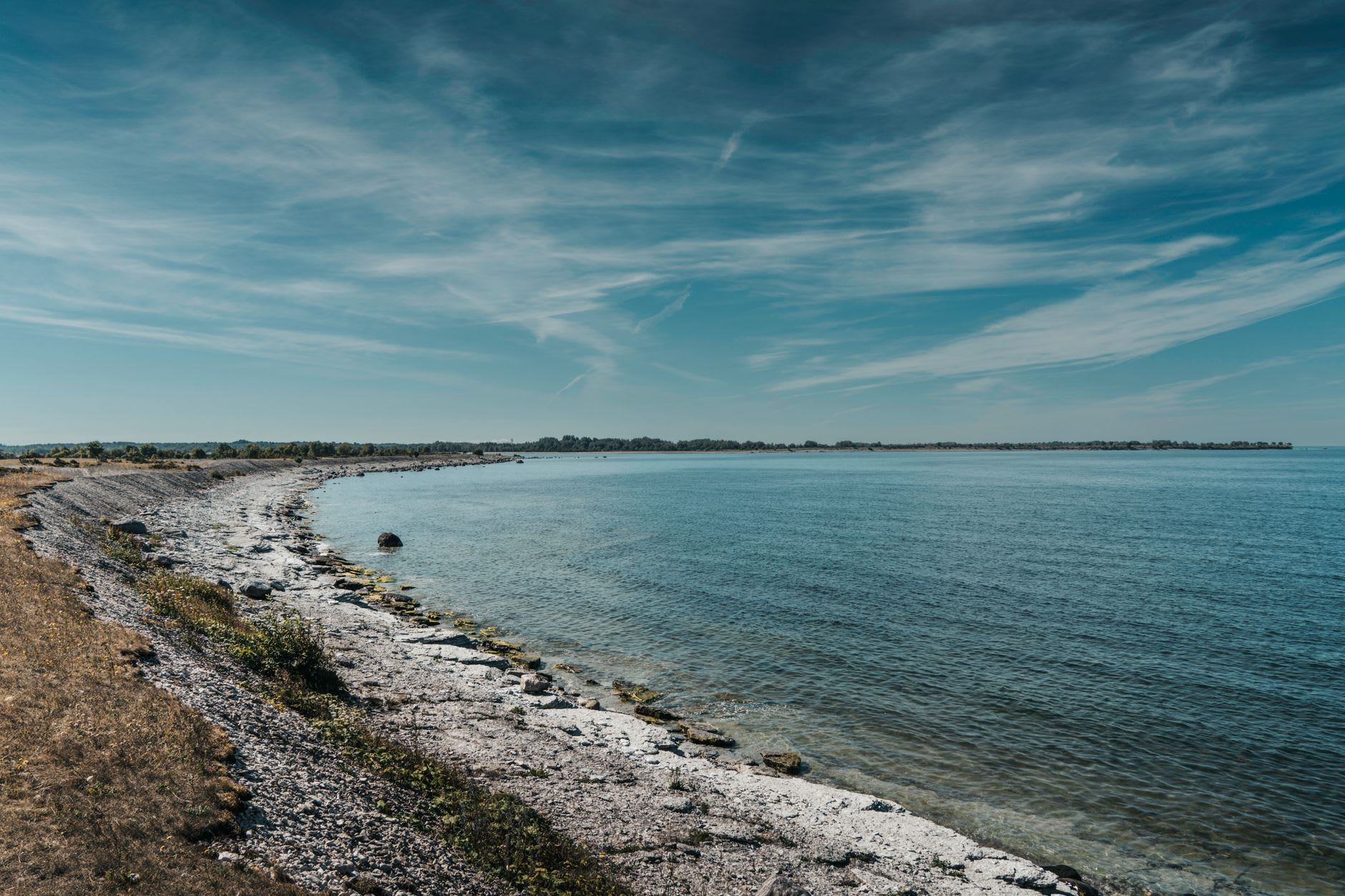
The raukar at Hoburgen are the most dramatic on an island full of them. These sea stacks — columns and pillars and arches of limestone carved by thousands of years of wave action, left standing when the softer rock eroded away — stand in clusters along the base of the cliff and out on the flat limestone shelves at the water’s edge. Some are eight, ten meters tall, tapering toward the top like rough fingers pointed at the sky. At dusk, when the light comes in low from the northwest, they cast long shadows across each other and the whole scene takes on the quality of an ancient theater, empty of everyone but the waves and the gulls. I ate a sandwich there alone at nine in the evening with the sun an hour from setting and felt genuinely and unexpectedly moved.
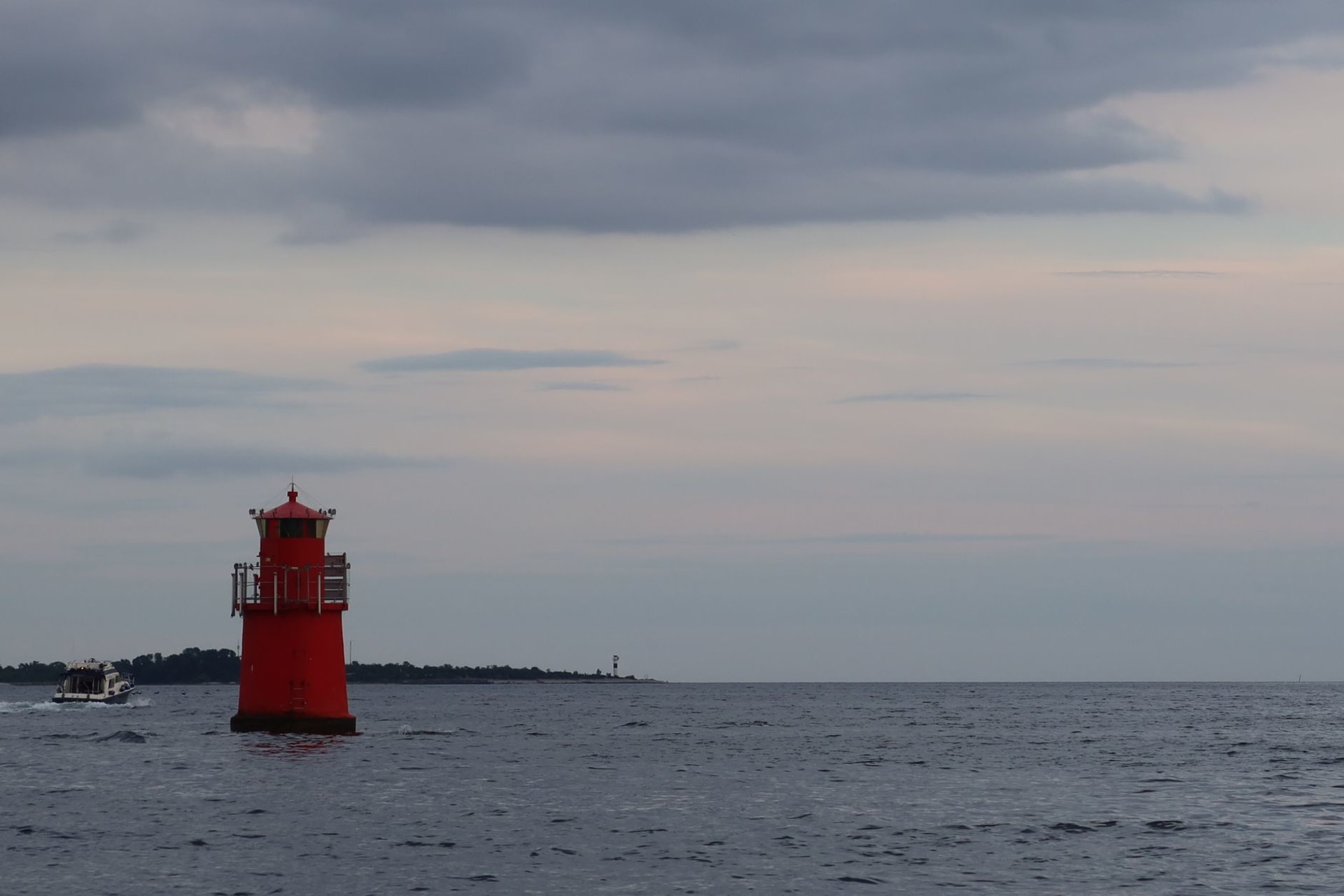
The lighthouse at Hoburgen dates from 1846 and sits at the very tip of the headland. It is not open to visitors but it doesn’t need to be — the view from the cliff beside it, looking south over open water, is its own reward. On a clear day the horizon feels impossibly far away, and there’s a particular quality to the light here, caught between Sweden and the open Baltic, that I haven’t found anywhere else. The wind is usually present in some form. The seabirds ignore you entirely.

The inland alvar approaching Hoburgen is worth as much attention as the coast. In late spring, the flat limestone plains bloom with species of orchid that grow nowhere else in Sweden — I counted at least four different kinds on one stretch of the cycling path, purple and cream and yellow, rising from the grey rock with the cheerful improbability of things that have no business being there. The whole southern tip of the island has a prehistoric quality that the northern parts, with their sandy beaches and holiday cottages, don’t quite possess. There is something in the flatness of it, in the way the sky takes over when the land offers nothing to interrupt it.
When to go: May and June are the best months — orchids in full bloom on the alvar, moderate temperatures, and the raukar light at its most extraordinary in the long evenings. July brings more visitors but Hoburgen is remote enough to feel spacious even in high season. The cycling route south from Klintehamn is about 25 kilometers, flat and manageable on any bicycle. There is a small café at the reserve entrance that opens in summer; otherwise bring your own food.