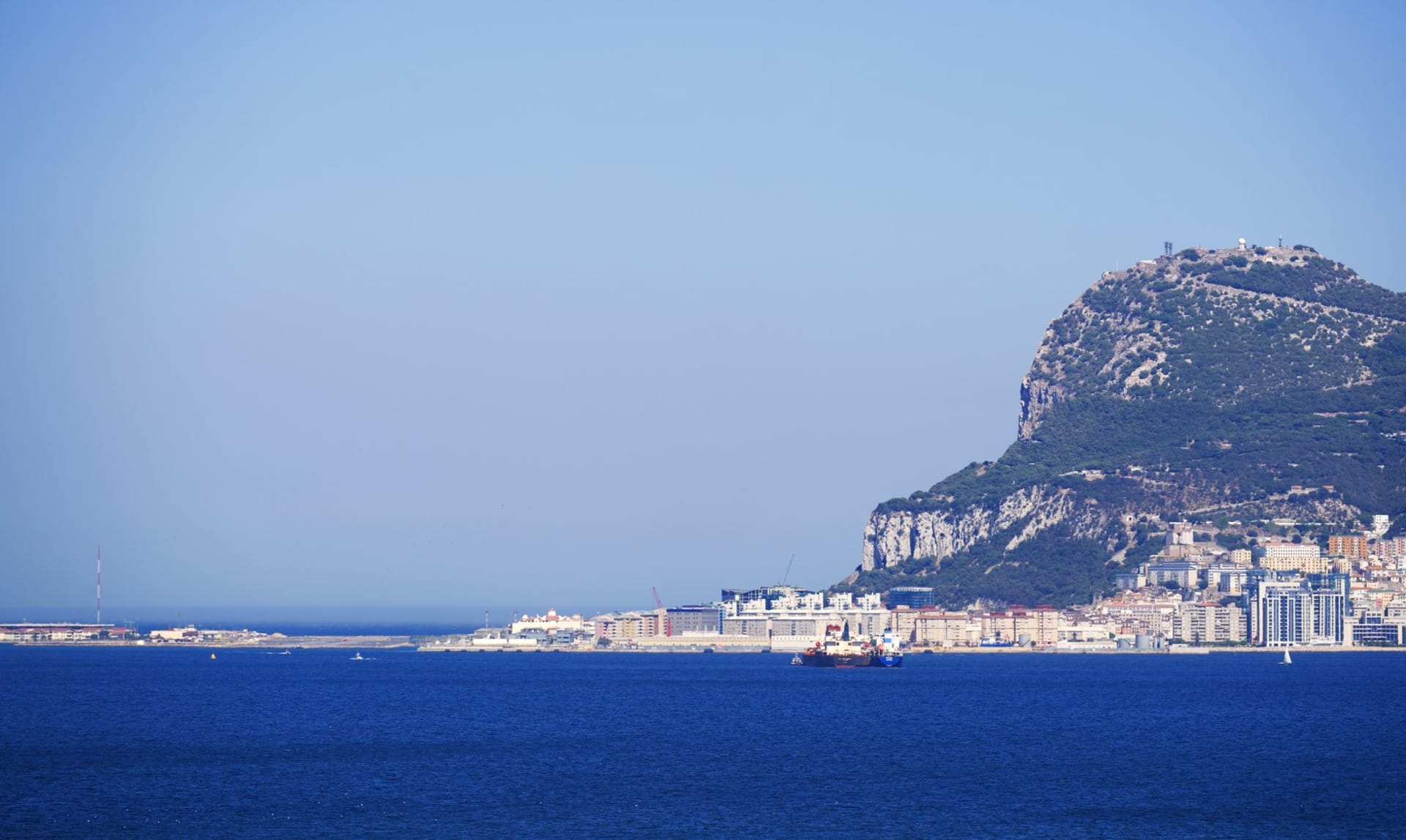
Upper Rock Nature Reserve
"The macaques don't care about your cable car ticket or your selfie stick — they run things up here."
The cable car deposits you at the summit station and immediately the world reorganizes itself. The town vanishes below, the Strait opens up ahead, and a Barbary macaque the size of a small child swings past your face without acknowledgment. I had read about the macaques before coming to Gibraltar. I was not prepared for the macaques. They are not tame, not performing — they are simply living their lives on this limestone plateau as though the three hundred thousand tourists per year are a mild seasonal nuisance, like pollen. One sat on the railing beside me and regarded me with complete indifference, then reached over and tried to open my jacket pocket.
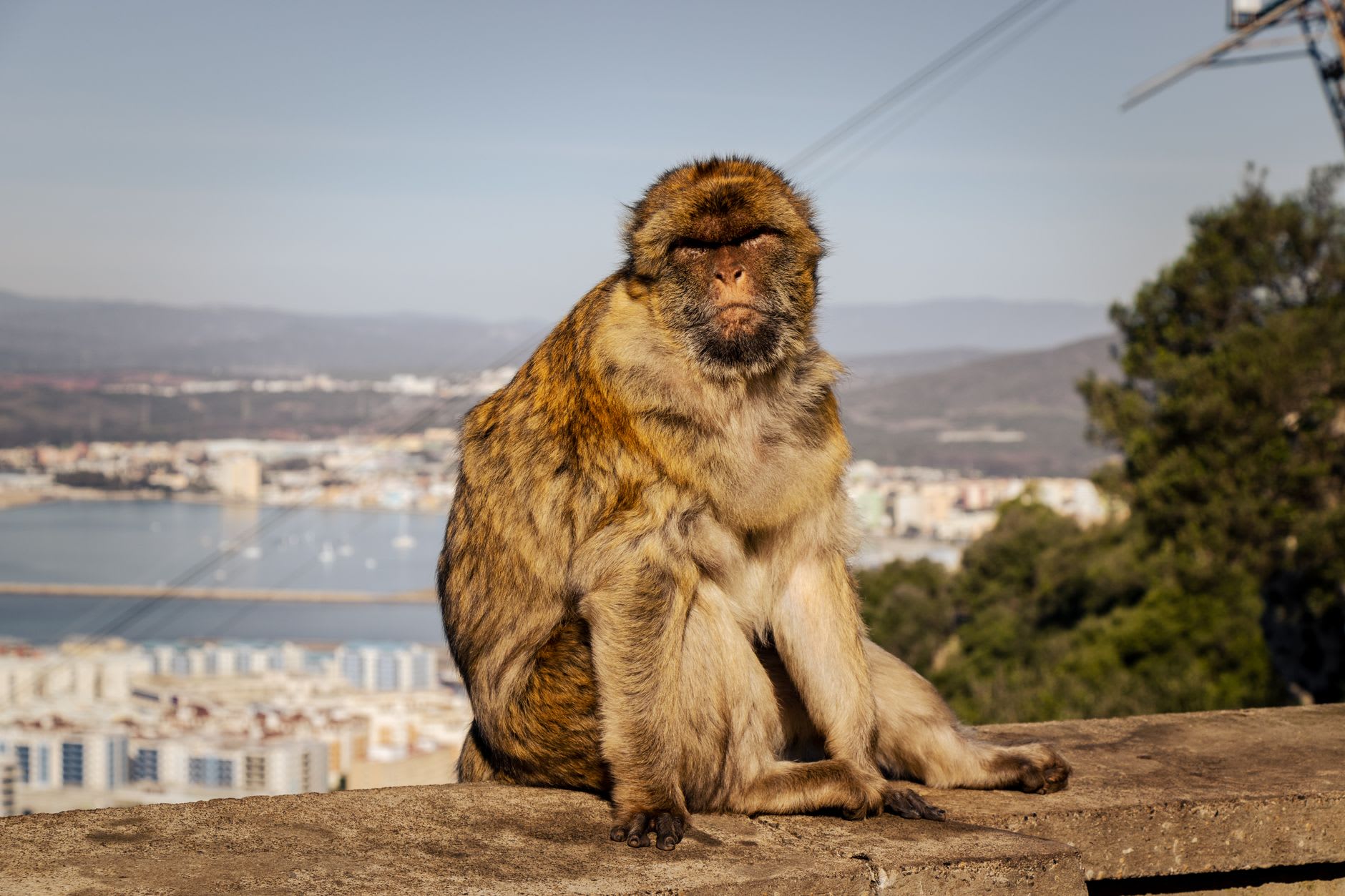
I had come up in the late afternoon deliberately, following advice from a barman in town the night before. The tour groups go up around eleven, he told me — go at four and the mountain is yours. He was right. By the time I walked the paths through the Nature Reserve, the light had turned amber and the rock was radiating warmth stored from the day’s sun. The vegetation here surprises people who expect a barren crag: Mediterranean scrub, wild olive, Barbary fig, rosemary thick enough to smell from ten paces. A proper flora adapted to limestone and salt wind, not the landscaped greenery down in the Alameda. And the silence between gusts — punctuated only by the macaques’ guttural conversations and the distant drone of a freighter in the Strait.
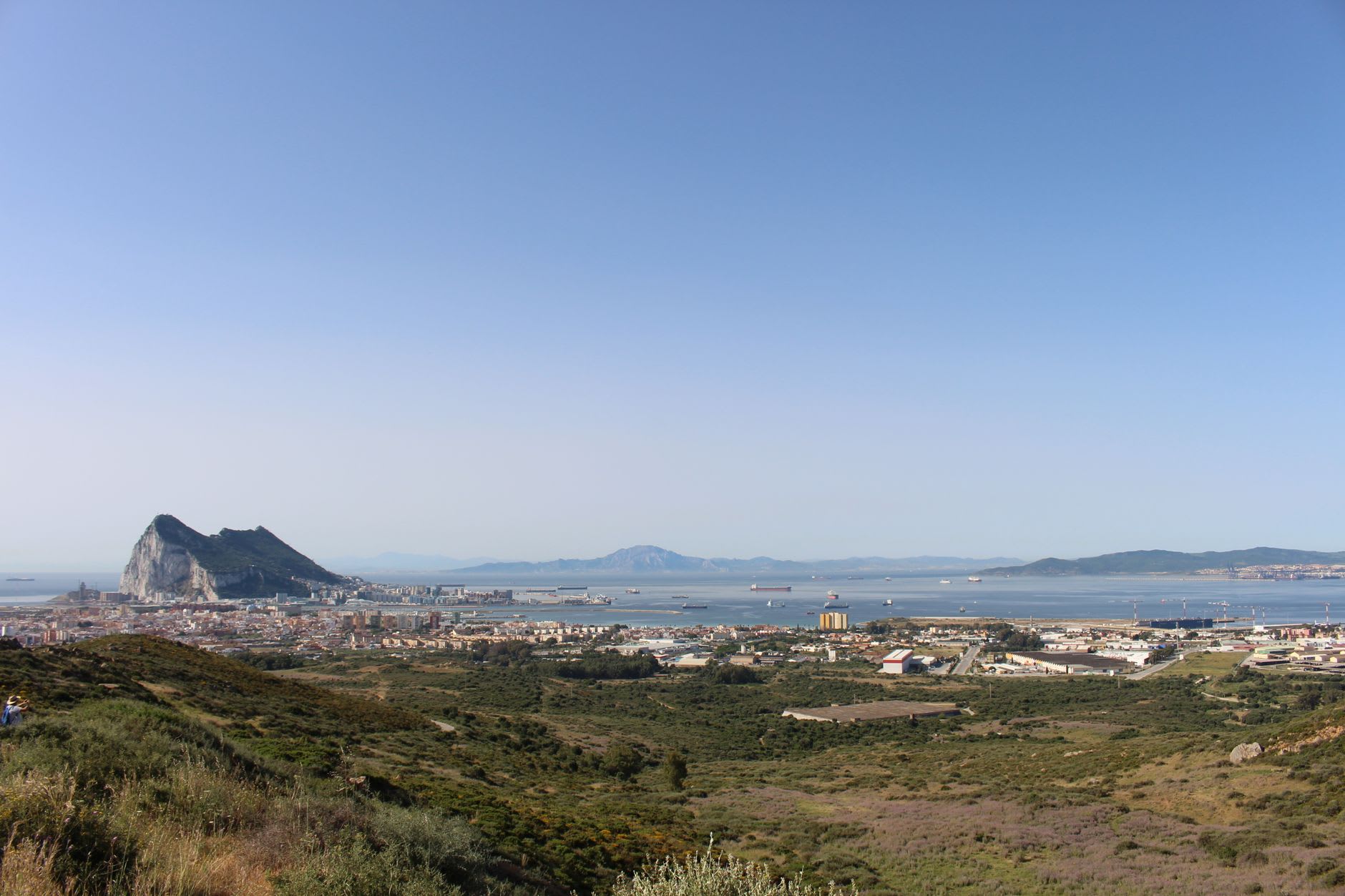
From the summit lookout, the geography of this corner of the world becomes suddenly, physically comprehensible in a way no map ever quite manages. To the west, Algeciras Bay — the industrial heart of the Spanish coast, container ships at anchor in rows like waiting cattle. To the east, the Mediterranean, flat and astonishingly blue, extending to where Ceuta interrupts the North African coastline. Below, the narrow isthmus of Gibraltar: the airport runway crossing it at right angles to the main road, the border post, Spain immediately beyond. The whole impossible arrangement of this place makes sense from up here in a way it simply doesn’t from street level. You understand, standing on this rock, why empires have fought over it for three hundred years.
When to go: The reserve is most rewarding from September through November when temperatures are mild, visibility tends to be excellent, and the macaques are more active without the deadening summer heat. Avoid midday in July and August when Levante cloud can settle over the summit for hours — the views disappear entirely and the paths become strangely claustrophobic in the warm mist.