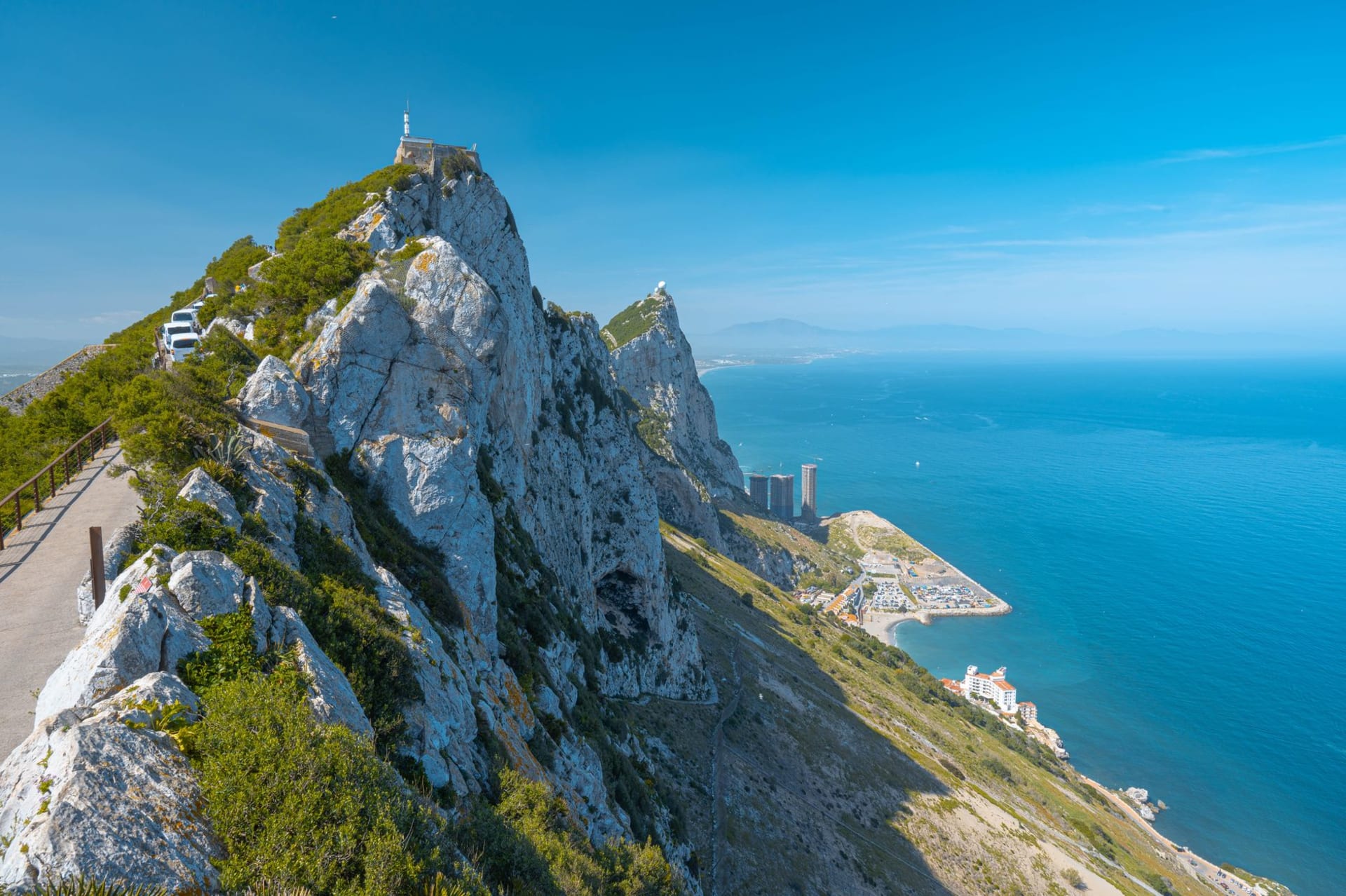
Alameda Botanical Gardens
"The gardeners here have been at it since 1816 and it shows — the trees know they have nowhere to be."
The Alameda gardens occupy a terraced hillside at the southern end of the town, between Main Street and the southern face of the Rock, and they carry the particular quality of old gardens: everything is slightly overgrown in a way that is clearly intentional, the paths worn and the stone balustrades pleasantly mossy, trees that have had two hundred years to decide exactly how they want to grow and have grown accordingly. I came in the late morning when the light was filtering through a Canary Island palm that must be thirty metres tall, throwing dappled shade across a bench where two old women were having a conversation that showed no signs of concluding.
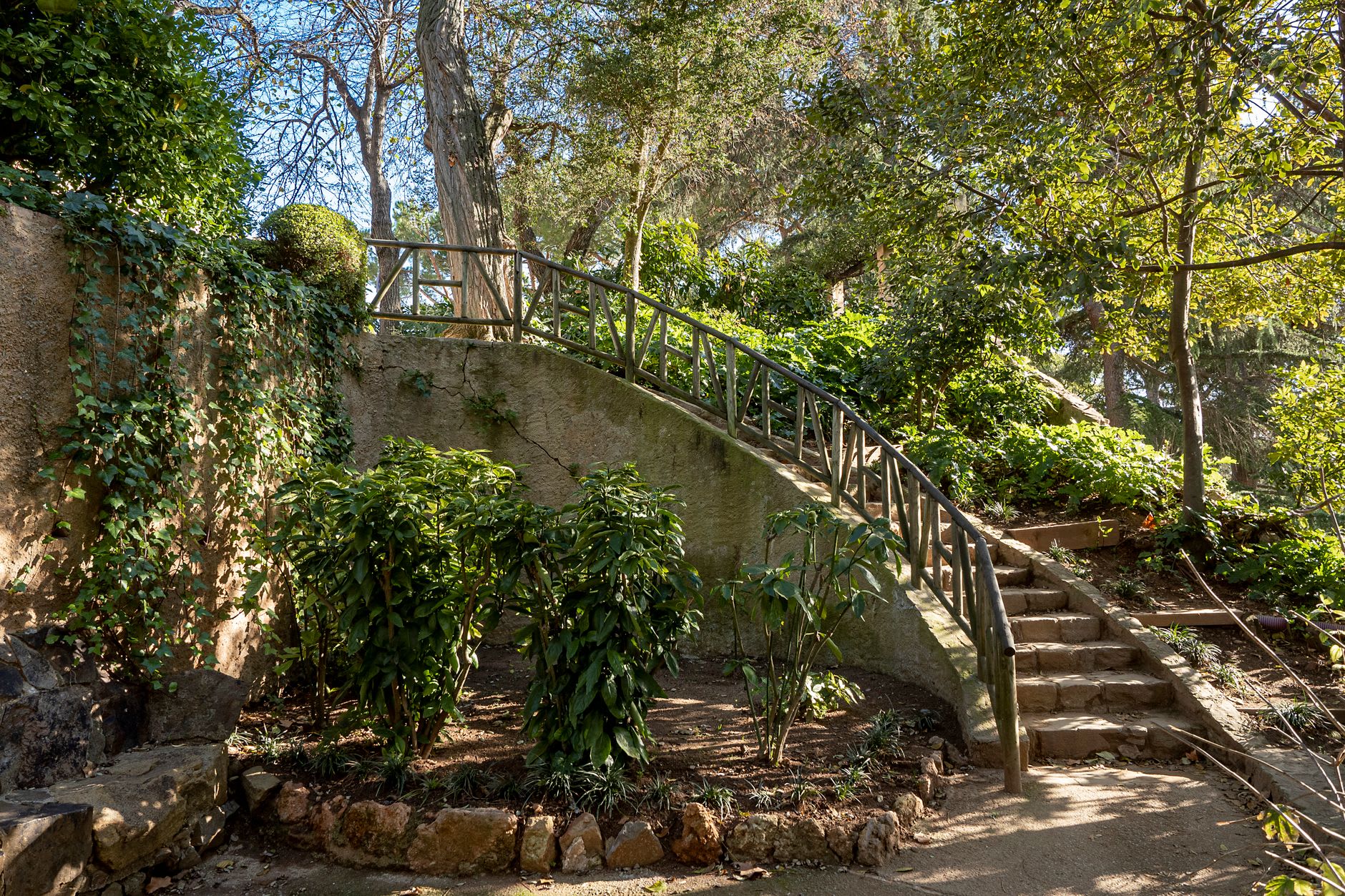
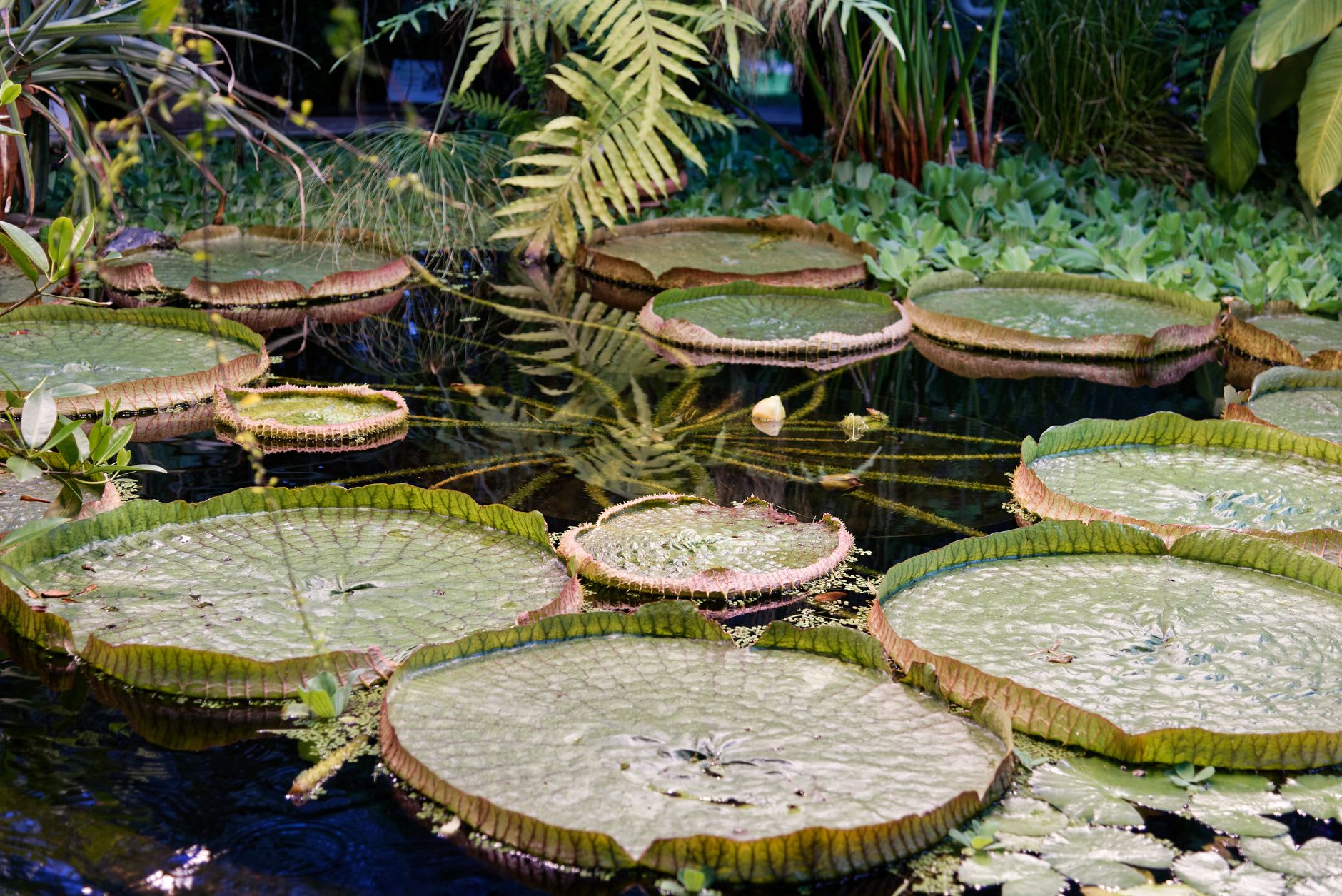
The gardens were established in 1816, the year after the Battle of Waterloo, when the Governor of Gibraltar ordered a public garden as a recreational space for the garrison and the civilian population. The original design was formal — terraces, fountains, ordered planting — and you can still read it in the bones of the place, though two centuries of subtropical growth have softened the geometry considerably. There are plants here from the Mediterranean basin, the Canary Islands, sub-Saharan Africa, and the Americas, all growing together in a density that makes the gardens feel more lush than you expect from this small, rocky territory. The smell changes as you climb — jasmine near the lower gates, then pine resin, then the mineral scent of the Rock itself.
The upper section of the gardens connects to the Gibraltar Botanic Gardens Wildlife Park, which shelters rescued animals from North Africa and the Mediterranean region — Barbary macaques (separate from the wild population on the Upper Rock), owls, tortoises, reptiles native to the region. The combination of formal Victorian garden and wildlife sanctuary produces an atmosphere that is genuinely pleasant to spend time in, away from the duty-free hustle of Main Street below. On quiet mornings, with the birds audible from the trees and the town noise muffled by distance and vegetation, the Alameda feels like the most civilised secret Gibraltar keeps.
When to go: Spring is exceptional — the gardens are in full flower from March through May, and the light quality through the established trees in the morning hours is beautiful. The wildlife park is pleasant year-round. Summer midday can be hot, but the tree canopy provides enough shade to make the gardens workable even in August; arrive before eleven.