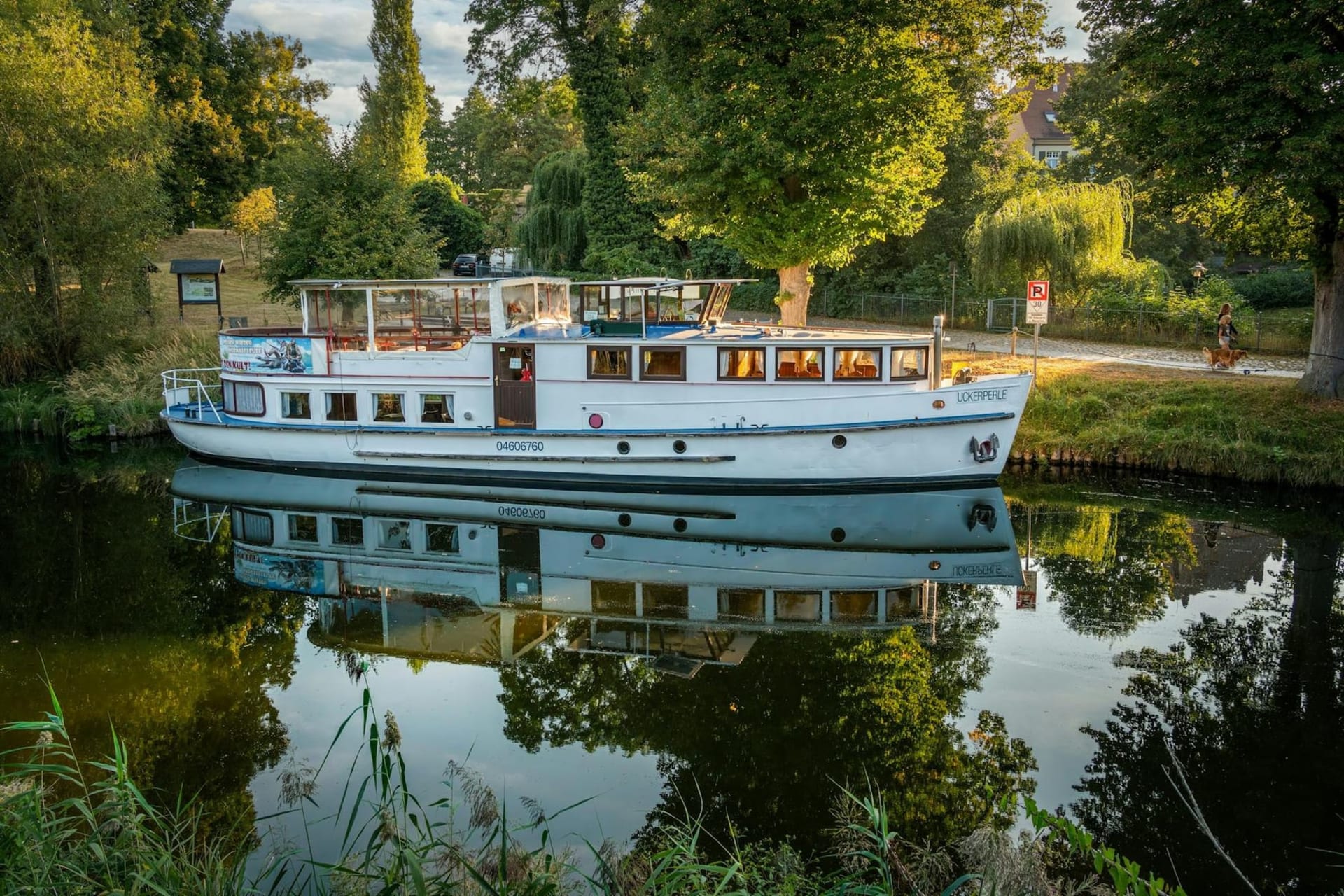
A UNESCO biosphere of 200 channels through old-growth alder forest south of Berlin, navigated by traditional flat-bottomed punts.
There are places that refuse to be rushed, and the Spreewald is one of them. An hour south of Berlin by regional train, the landscape folds into something the twentieth century mostly forgot: 970 square kilometres of interconnected waterways threading through alder forest so dense it absorbs sound. No one here is in a hurry. The Spreewald does not permit it.
On the Water
Lia and I hired a punt from a family operation on the edge of Lübbenau — a weathered wooden craft, a long pole, and no particular schedule. The water is black-brown from tannins leached out of the forest floor, and the smell is mineral and faintly sweet, like wet bark and cold mud after rain. Alder roots grip the banks so tightly the canals feel enclosed, almost tunnelled, the sky arriving in broken fragments between branches.
We got lost within forty minutes. The channel we thought led to Lehde — the oldest of the Spreewald’s island villages, accessible only by boat or on foot — delivered us instead to a clearing where an old man was standing in his punt, calmly eating a pickle. He waved. We waved back. We had no idea where we were, and it was one of the better feelings of the trip.
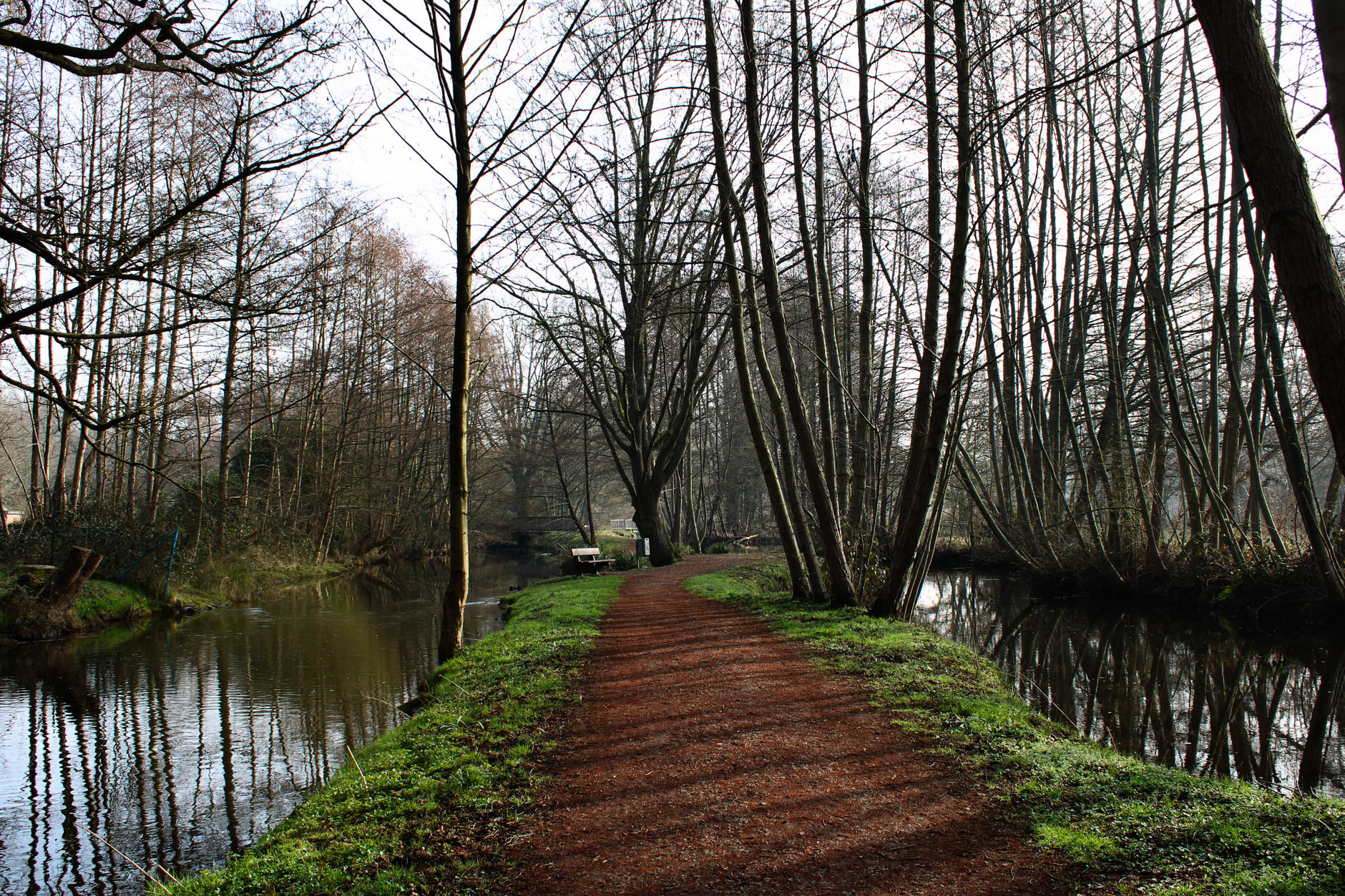
Pickles and the Wendish Table
The Spreewald pickle is not a joke or a regional curiosity. The Spreewälder Gurke holds a protected geographical indication, and the taste is genuinely distinct — brined with dill, mustard seed, and horseradish, the cucumbers grown in the nutrient-rich flood-plain soil. At the Gurkenradweg rest stops along the cycling paths, you buy them from plastic barrels for a few cents each, standing in the gravel eating them warm from the summer air. At Zum Alten Fritz in Lübbenau, I had Leinöl — linseed oil — served over boiled potatoes with quark and flaxseed, a Sorbian staple that tastes like nothing else: nutty, slightly bitter, oddly compelling. It is the kind of dish that makes you feel you have arrived somewhere genuinely different.
The Thing Nobody Mentions
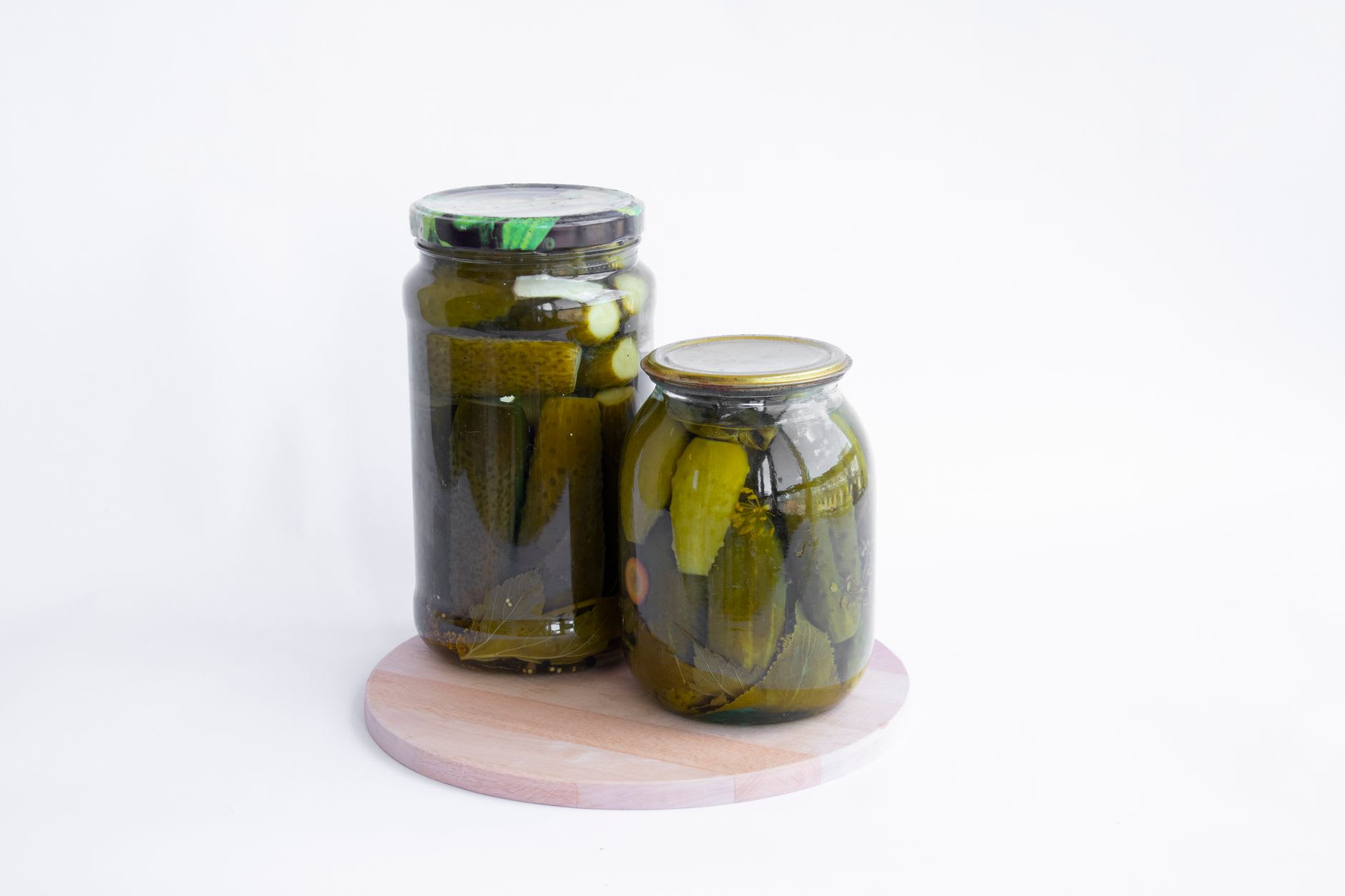
What I did not expect was the silence. Not countryside quiet — actual silence, the kind where you hear a beetle land on a lily pad. Paddling alone through the Hauptspree near Burg one morning before Lia was awake, I passed the mail boat, a small flat-bottomed vessel with a red post logo, the postman hauling canvas sacks between island houses. He nodded. I nodded. The water closed behind him without a ripple.
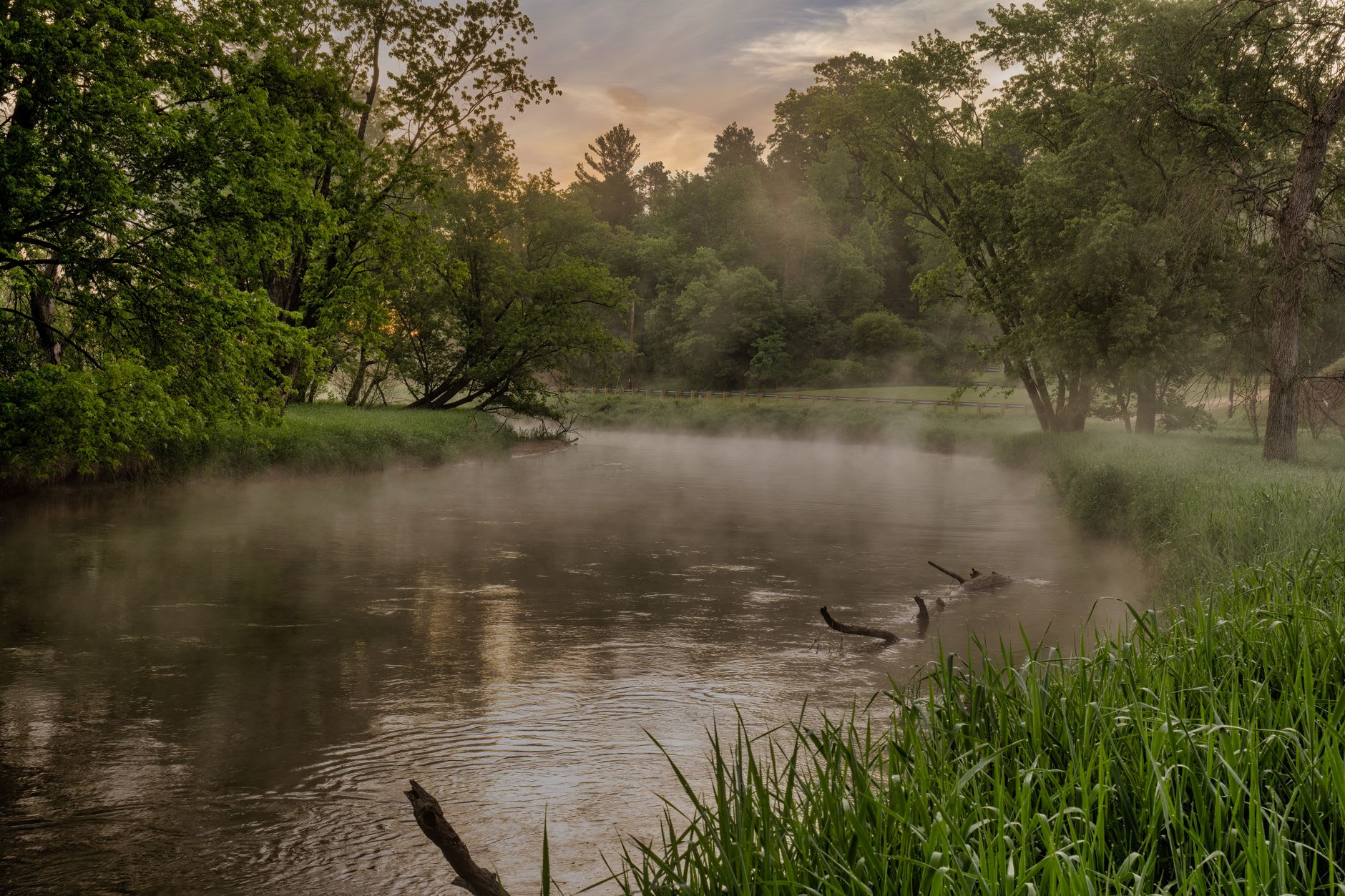
When to go: May through September for navigable waterways and full forest canopy; late June and July for the longest light and the Kahnfahrt punt processions during the Spreewaldvolksfest in Lübbenau.