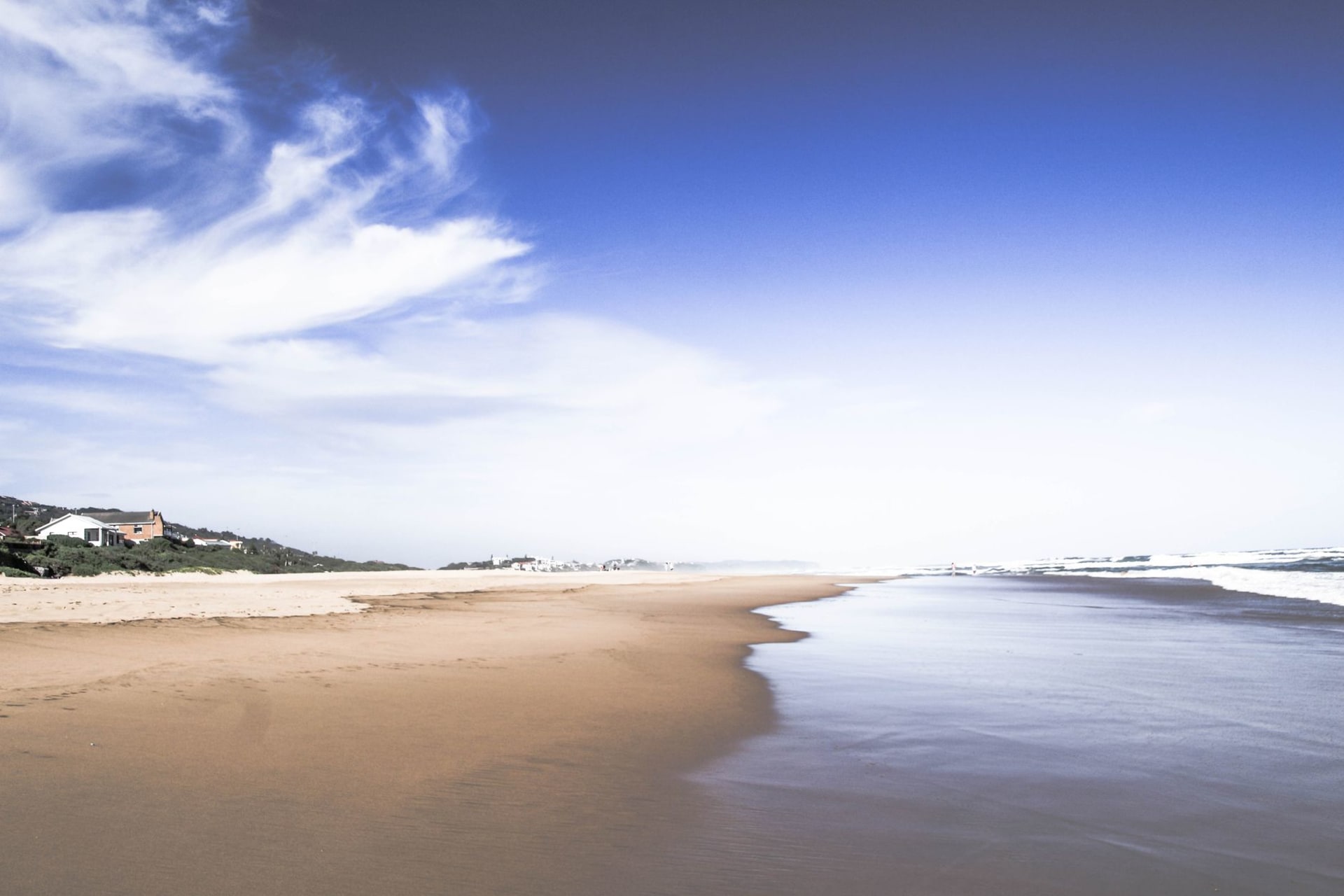
Mossel Bay
"Bartolomeu Dias landed here in 1488. The fish braai stands have improved things considerably since."
Mossel Bay announces itself with an industrial skyline on the left — gas rigs, a harbour, the kind of working port infrastructure that guidebooks don’t photograph — and then, as you come over the rise on the N2, the bay opens out below you in a wide, protected arc and the light does what South African coastal light does at certain times of day, which is to make everything look slightly more real than usual. I arrived at six in the morning, driving through from Cape Town, and the bay was silver and still and there were Southern right whales out there, three of them, their black backs and white-calloused heads visible in the calm water between the harbour mouth and Seal Island.
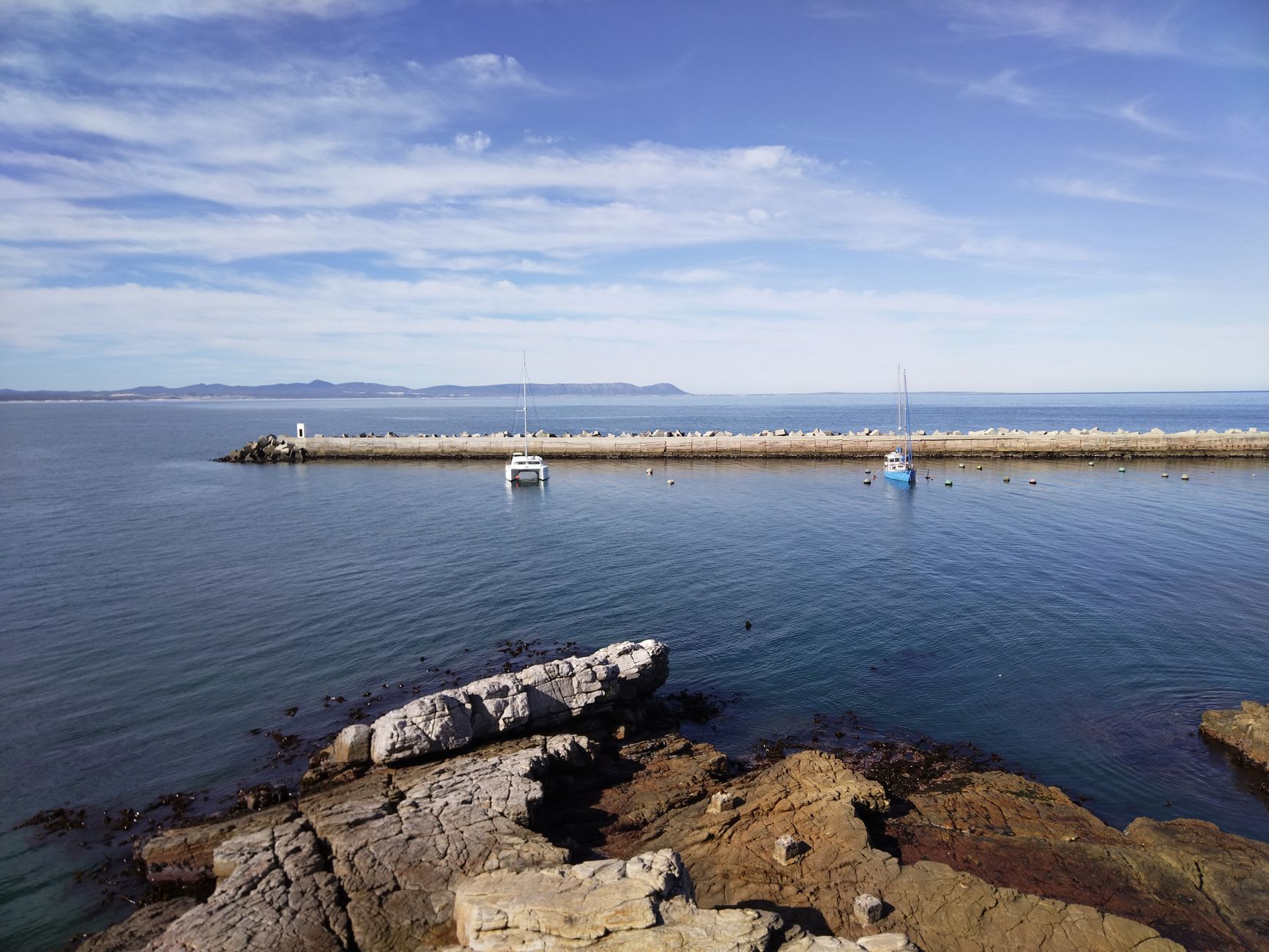
The Bartolomeu Dias Museum complex is where Mossel Bay earns its historical weight. Dias and his crew put in here in 1488, the first Europeans to round the Cape and confirm that the Indian Ocean was reachable by sea — a moment that rewrote the world’s trade routes as completely as anything before the internet. The museum has a full-scale replica of the caravel in a water-filled enclosure, and standing on the deck of it, looking at the size of the thing, I felt that particular vertigo that comes from understanding that human beings crossed oceans in boats this small with technology this limited and survived mostly by being extraordinary and sometimes by pure luck. The post office tree is here too: a hollow milkwood tree where sailors from passing ships would leave letters for collection by vessels going the other direction, the world’s oldest known post office. There is still a letterbox in the tree.
Mossel Bay Point is the surf spot. A long right-hander breaks around the point and runs into a deep-water channel, consistent and clean, and it works on swells that flatten everywhere else along the coast. The local surf culture has a certain competitiveness that goes with any good point break — there is a hierarchy in the water that outsiders are expected to respect — but I watched from the promenade for an hour one morning and the quality of the surfing was genuinely worth watching: long-drawn carves, surfers making sections that looked unmakeable, the wave doing something beautiful before it folded into the channel.
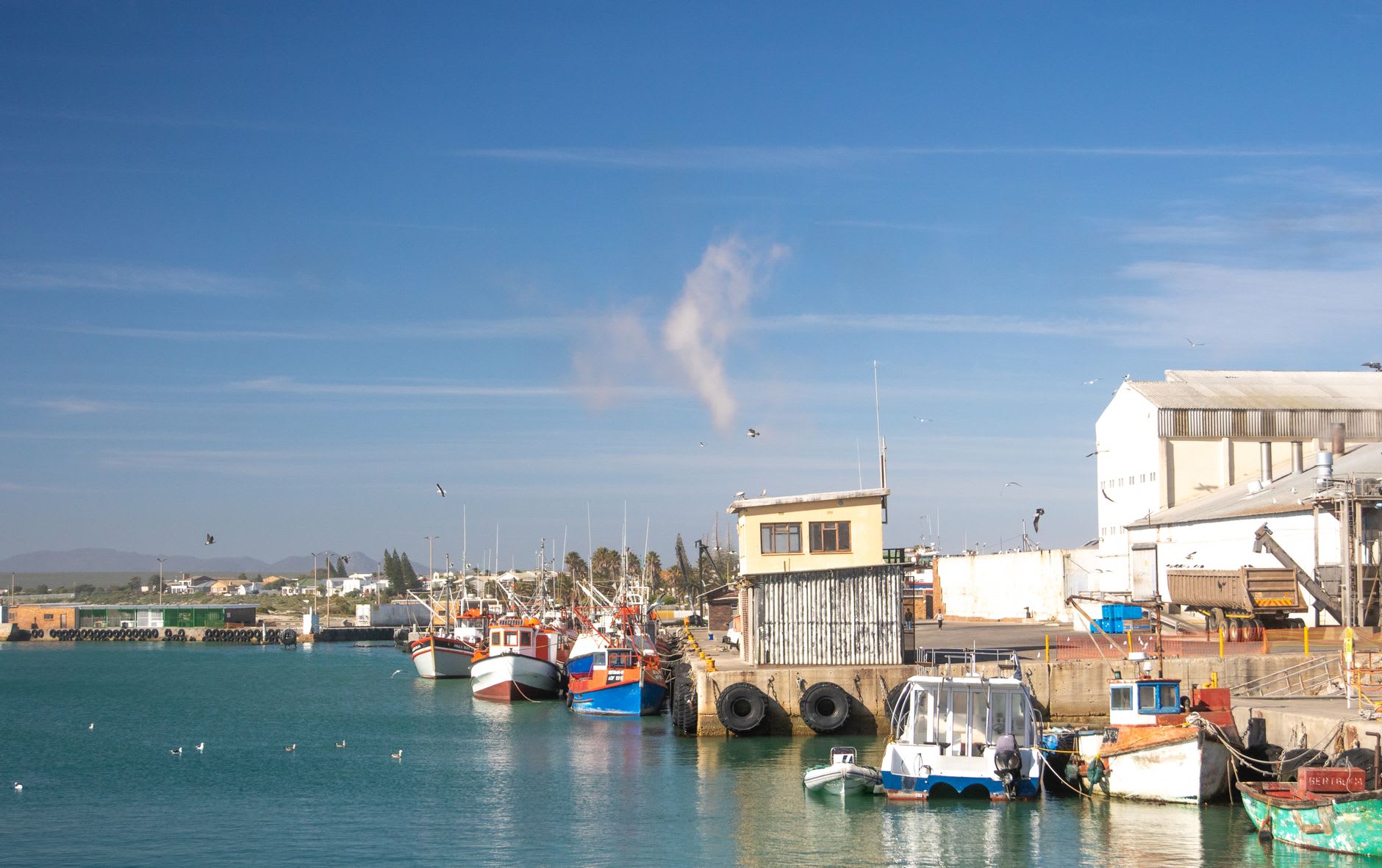
In town, the braai culture is particularly good — actual restaurants serving grilled fish with an honesty about sourcing that you don’t always find further east where the tourist prices have colonised the menus. I ate red roman, a local reef fish with firm white flesh and a sweetness that suggested it had been in the water that morning, at a place with plastic chairs and a view of the harbour through a salt-fogged window. The wine was a paper-bag chenin from the Robertson valley that cost almost nothing and was correct for the food in a way that expensive wine rarely is.
When to go: Whale watching peaks from July through November as Southern rights calve in the sheltered bay. The point surf is at its best April through August. Swimming and beach weather improves from October through April. Mossel Bay can work as a one-night introduction to the route before heading east, but it rewards a full two days if the marine life is your priority.