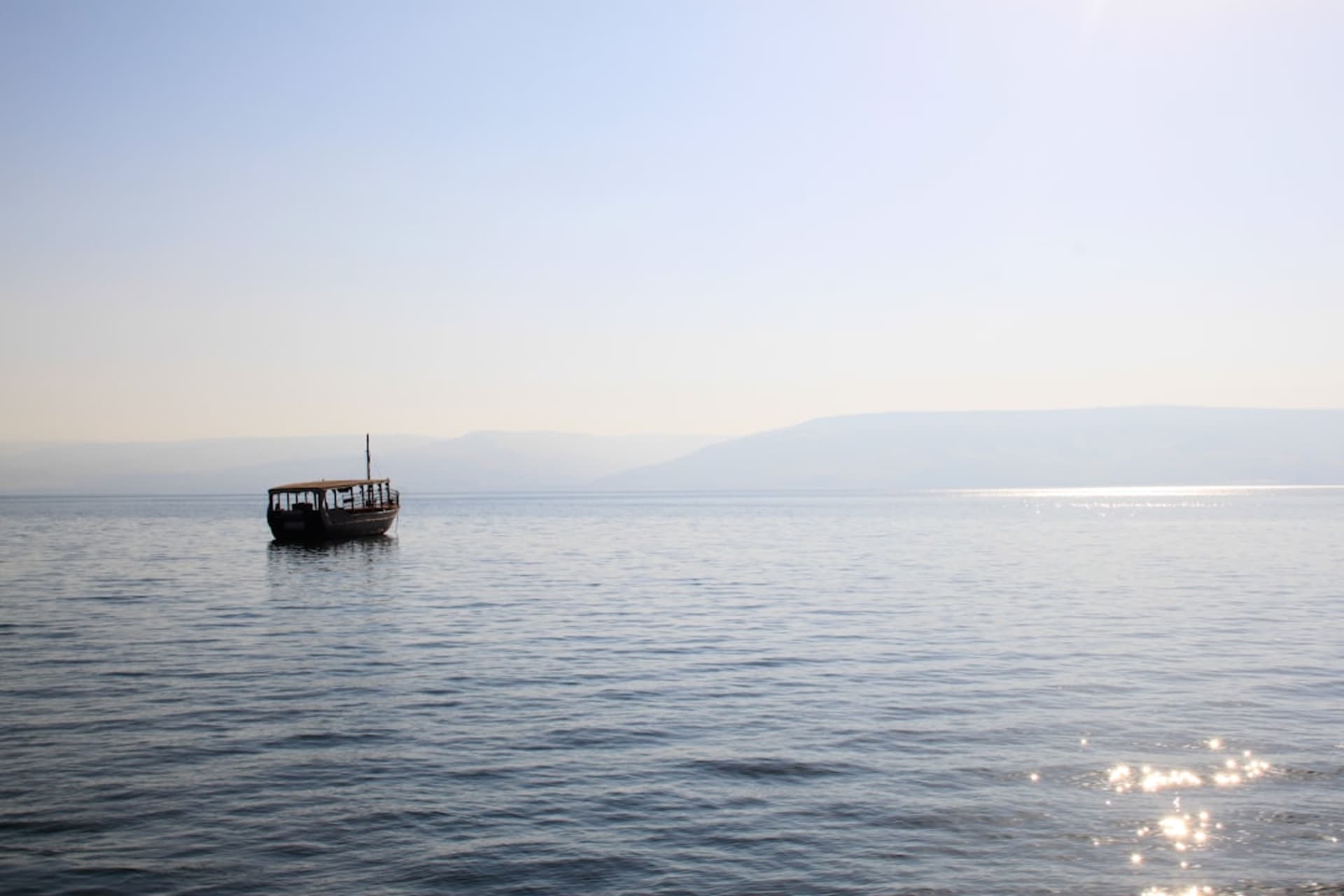
Mount Arbel
"The view every postcard of the Galilee is trying and failing to capture, from four hundred meters up."
A sheer cliff above the Sea of Galilee riddled with cave fortresses cut into the rock face, reached by an iron ladder bolted to the stone, with the best single view of the whole lake at the top.
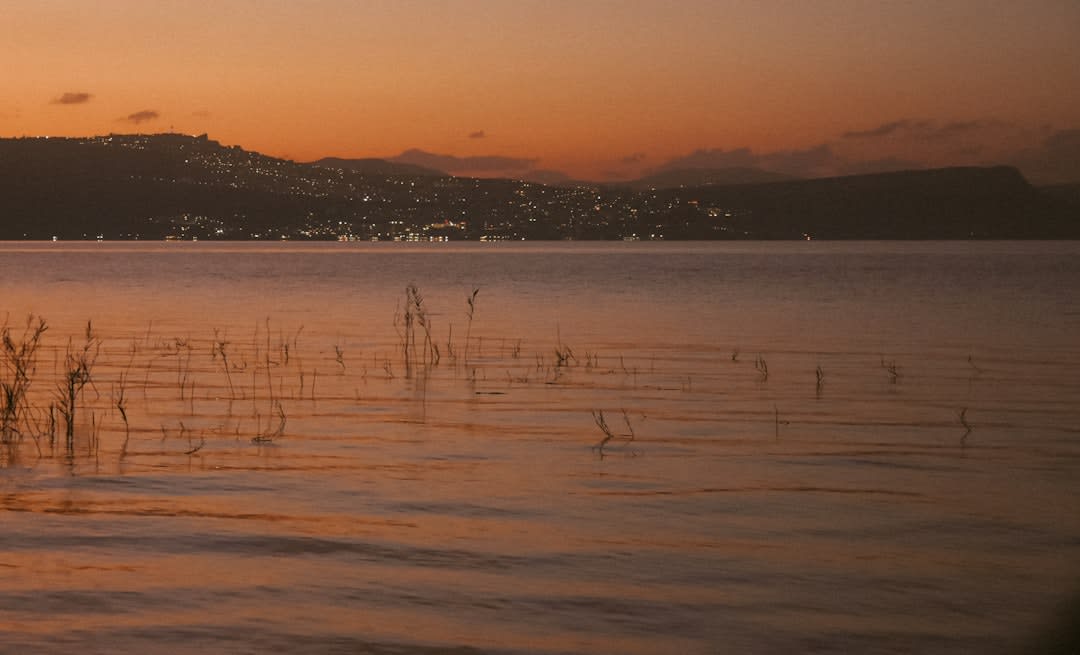
Mount Arbel gives you the view that every photograph of the Sea of Galilee is secretly trying to reproduce and never quite manages, because the whole point of the view from Arbel is scale — the lake spread out flat and complete beneath you, Tiberias a smudge of white on the near shore, the Golan a green wall on the far side, the whole basin visible at once in a way no lakeside photo can capture. The cliff rises nearly four hundred meters almost straight up from the valley floor, and the short walk to the lookout point from the upper parking lot takes ten unremarkable minutes before the ground simply falls away and the entire Galilee opens up below you. I arrived close to sunset without having researched the timing carefully, and it turned out to be the correct instinct — the low light picks out the terracing on the hillsides and turns the lake the color of hammered brass.
The braver route down is the one that made me understand why Arbel has been fought over for two thousand years. Cut into the cliff face below the summit are the remains of caves used first as refuges and later, under Herod the Great, converted into a fortified stronghold — rebels holed up here against Herod’s forces in the first century BCE, and Josephus describes the brutal siege that followed, with soldiers lowered on ropes from above to smoke the defenders out of caves too sheer to reach from below. The modern trail down the cliff face uses iron rungs and chains bolted into the rock at the steepest sections, a genuinely exposed scramble that is not for anyone uneasy with heights, though it is shorter and safer than it looks from above. Standing in the mouth of one of the caves, looking straight down at the valley floor with nothing but two thousand years of chisel marks around me, I understood the strategic logic of the place immediately — nobody was taking this position without losing people.
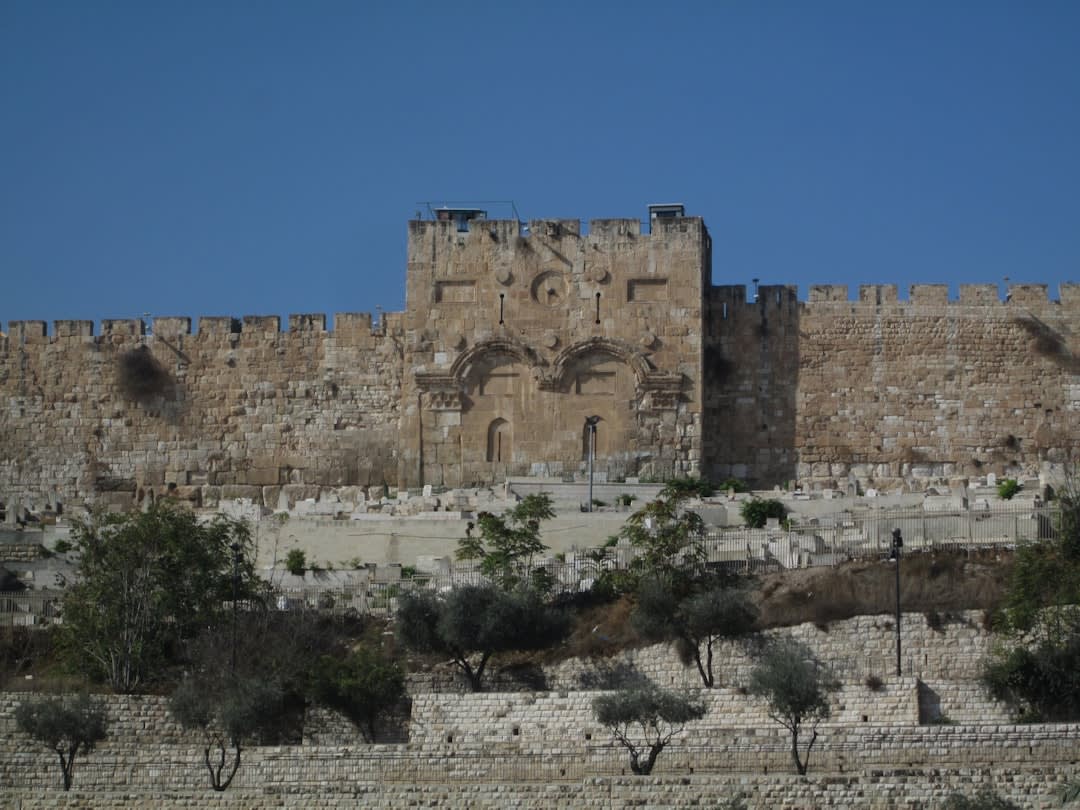
The base of the mountain also holds the ruins of a fourth-century synagogue in the Arab village of Kfar Hittim’s old fields, worth a brief stop if you are driving the loop back down, though the cliff and the caves are the real reason to come.
When to go: Late afternoon for the light on the lake, arriving with enough time before sunset to do the cliff descent while there is still visibility. Avoid the ladder route in wet weather, when the rock gets slick.