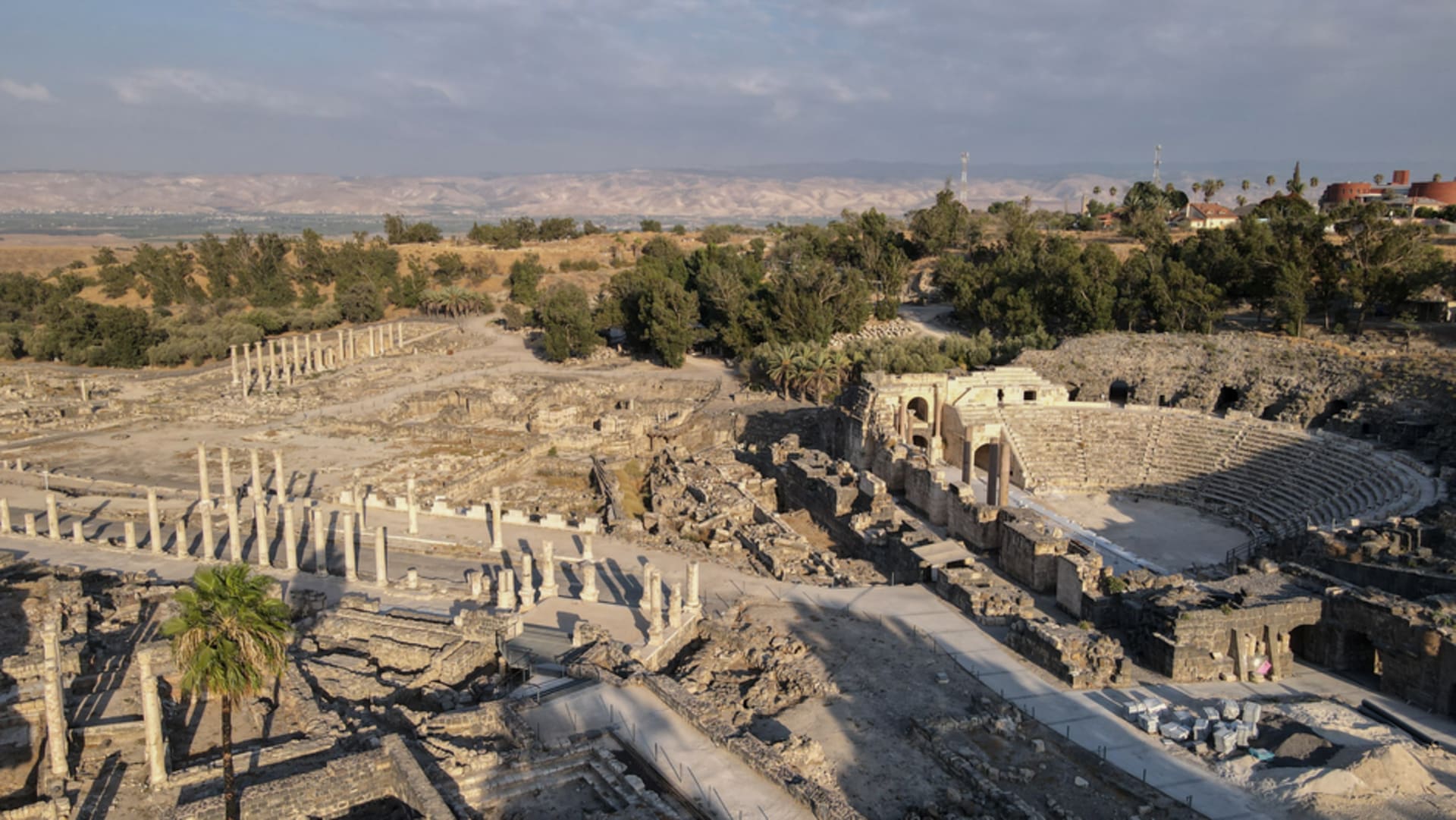
The ruins of a Byzantine monastery on the Sea of Galilee's eastern shore, built to mark the spot where a herd of swine reportedly ran into the water, now a quiet basalt courtyard that almost nobody stops for.
Kursi sits on the least-visited side of the Sea of Galilee, the eastern shore that most itineraries skip entirely because the good roads and the famous names — Capernaum, Tiberias, the Mount of Beatitudes — all cluster on the west and north. I drove out there almost by accident, following a brown national-park sign on the road toward the Golan, and found a fifth-century Byzantine monastery complex with almost nobody in it. Kursi is identified by early Christian tradition as the site of the miracle of the Gadarene swine, where a herd of pigs reportedly ran off a cliff into the lake, and the monastery that Byzantine monks built here in the fifth century was, for a time, one of the largest of its kind in the region — a basilica with mosaic floors, a monastery complex, a hospice for pilgrims, and a chapel built into the hillside above marking the traditional site of the cave where the possessed man was said to have lived among the tombs.
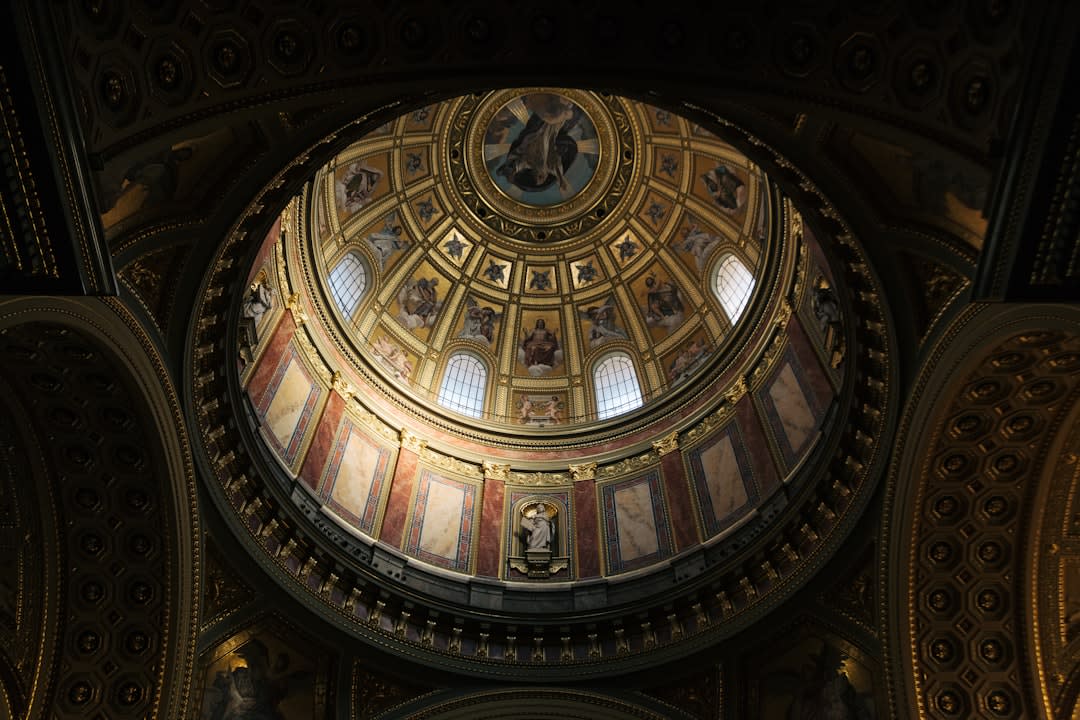
What struck me most was the material. Everything here is built from the local black basalt, the same volcanic stone that shows up in the synagogue walls at Capernaum and the field terraces across the Golan, and the contrast with the white limestone churches more common elsewhere in the Holy Land gives the ruins a heavier, darker presence. The mosaic floors that survive — geometric patterns and depictions of fruit, fish, and birds — have faded but are still legible in patches, protected under simple metal roofing that keeps the worst of the sun and rain off without pretending to be a proper structure. I walked the perimeter slowly, reading the small explanatory signs, and did not see another visitor for the better part of forty minutes. On a lake shore where every parking lot elsewhere fills with tour buses by nine in the morning, that kind of silence has its own value.
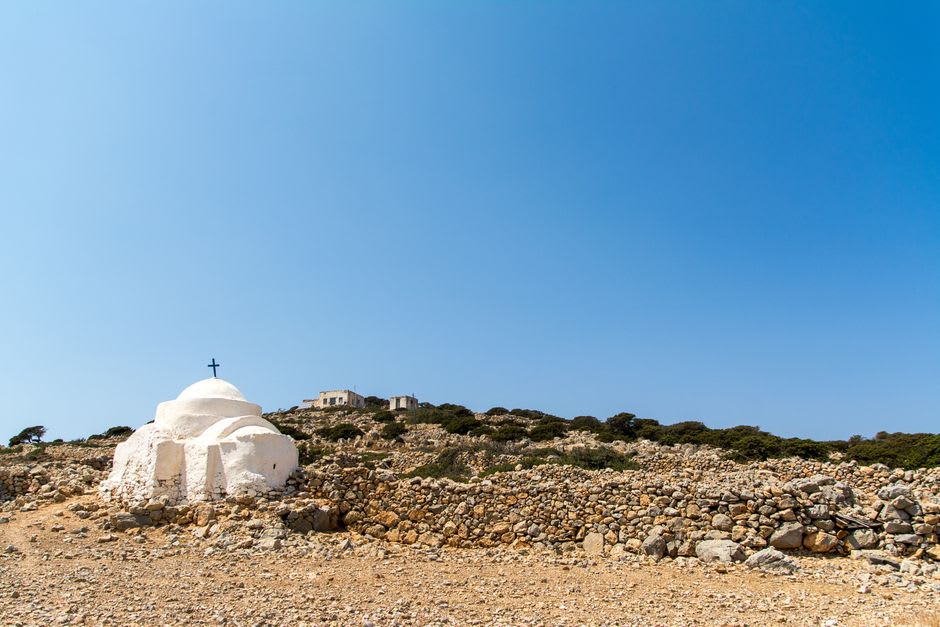
A short path climbs the hill behind the main ruins to a small chapel built over what tradition holds is the cave itself, and from up there the view opens out over the whole eastern shore and the water beyond — banana plantations, a scattering of kibbutz buildings, the Golan rising green behind everything. It is a modest hike, fifteen minutes at most, but it earns its view honestly, without a gift shop or a queue at the top.
When to go: Late afternoon, when the light on the basalt turns warm and most day-trippers have already left the eastern shore for their hotels in Tiberias. Spring brings wildflowers across the surrounding fields.