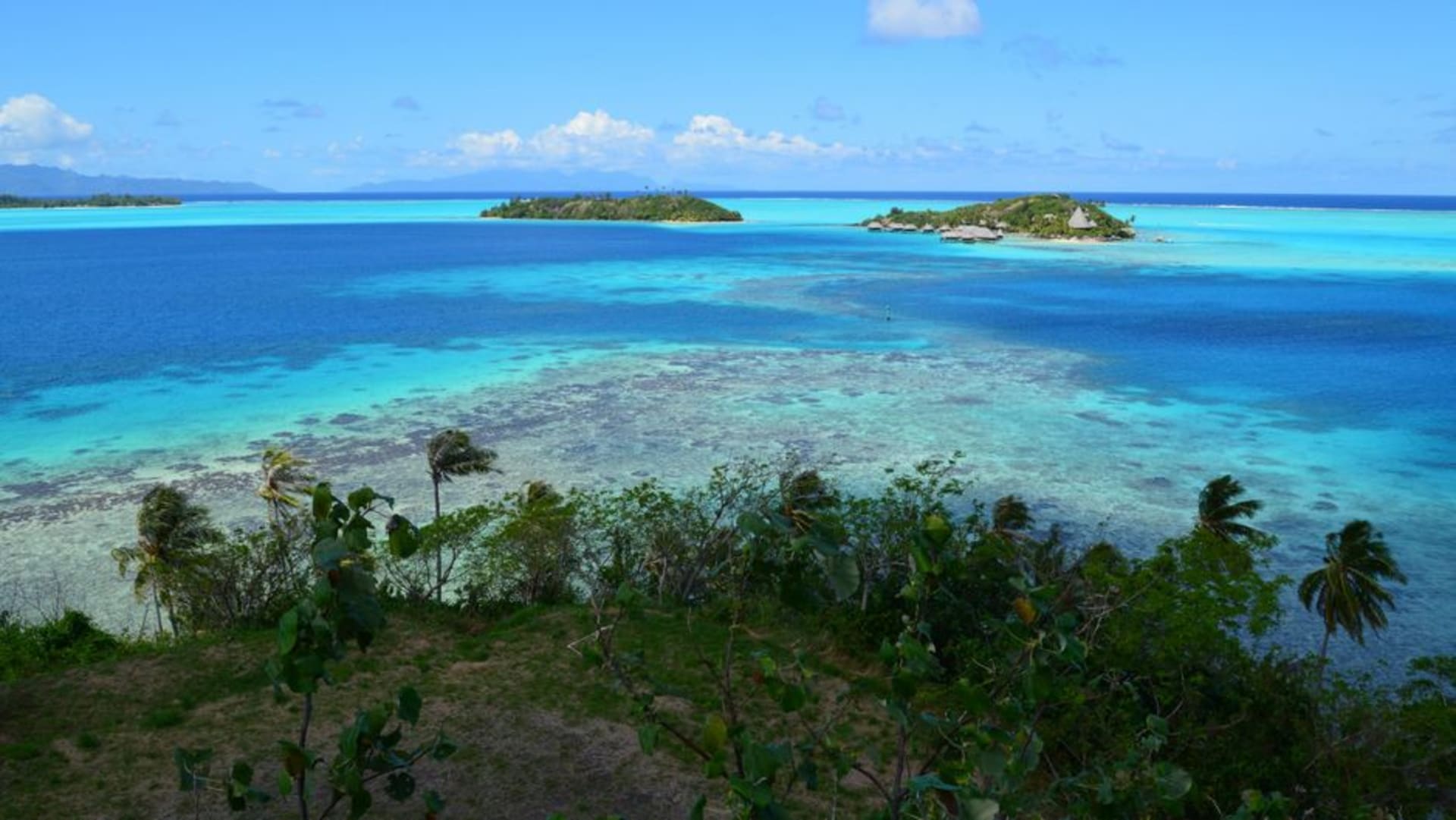
Mangareva
"A cathedral built by hand out of coral, at the far edge of the far edge of the world. I still don't fully believe I was there."
The main island of the remote Gambier archipelago, where a nineteenth-century cathedral built from coral stone rises improbably above pearl farms and near-total isolation.
Mangareva is about as far as you can get from anywhere in French Polynesia while still technically being in French Polynesia — the Gambier Islands sit at the southeastern extreme of the territory, closer to Pitcairn than to Tahiti, and the flight there feels like it should be crossing into a different country rather than a different archipelago of the same one. There’s one flight a week from Tahiti, sometimes fewer, and I built an extra buffer day into my schedule on both ends because cancellations here aren’t rare.
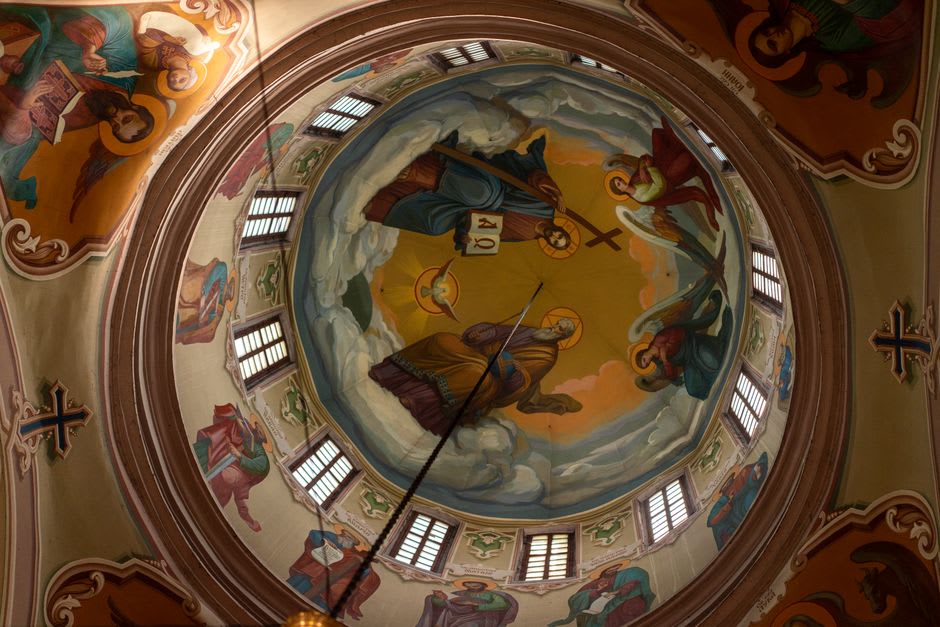
The first thing that throws you is St. Michael’s Cathedral in the main village of Rikitea, an enormous whitewashed structure built between 1839 and 1848 under the direction of a French missionary named Honoré Laval, using coral stone and mother-of-pearl shell inlay for the altar decoration. It seats far more people than the island’s population could ever fill, a fact that speaks to the missionary’s ambitions rather than any realistic congregation size, and it stands there today looking almost absurdly grand against the modest wooden houses and dirt paths around it.
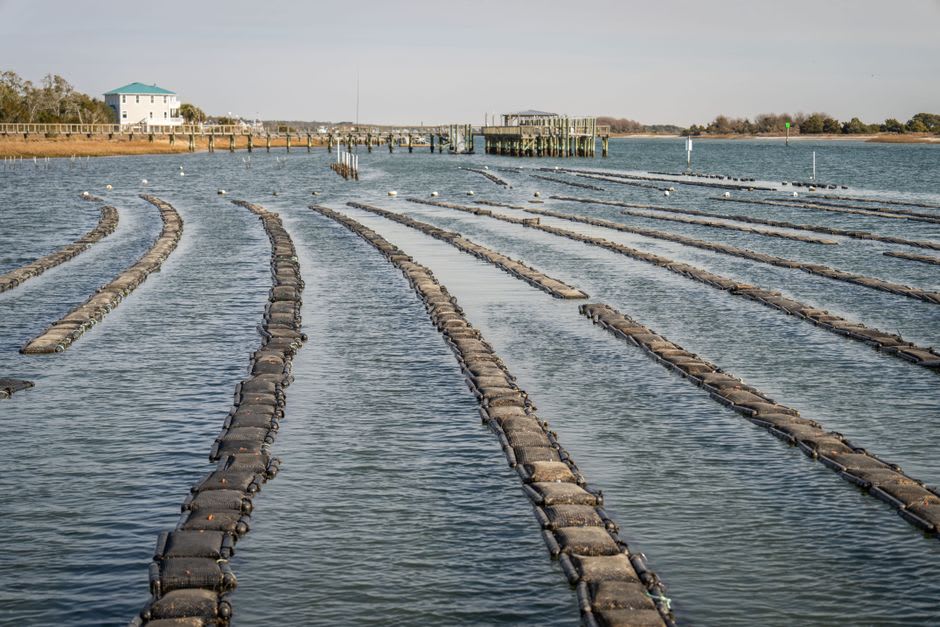
The Gambier Islands are the source of some of the finest black pearls in French Polynesia, arguably rivaling those of the Tuamotus in quality, and the lagoon here — enclosed by a barrier reef studded with smaller islands — is dotted with pearl farm platforms where families tend oyster lines much as they have for generations. A farmer took me out to see his operation, opening an oyster on the spot to show me a pearl still nested in the flesh, dark and slightly irregular, which he said was worth more precisely because of that irregularity rather than despite it.
I hiked up Mount Duff, the island’s highest point, with a guide who pointed out the ruins of older missionary-era buildings scattered through the bush — a convent, a defensive tower, remnants of Laval’s ambitious and ultimately troubled attempt to build a Polynesian Catholic utopia here that historians now regard with considerably more skepticism than admiration. The view from the top, out over the barrier reef and the scatter of smaller islands within it, was worth the whole difficult journey on its own, no history required.
When to go: May through October is the dry season and the most reliable for the infrequent flights. Given how thin transport options are, this is not a place for a tight itinerary — build in flexibility, and confirm your return flight status before you leave Tahiti.