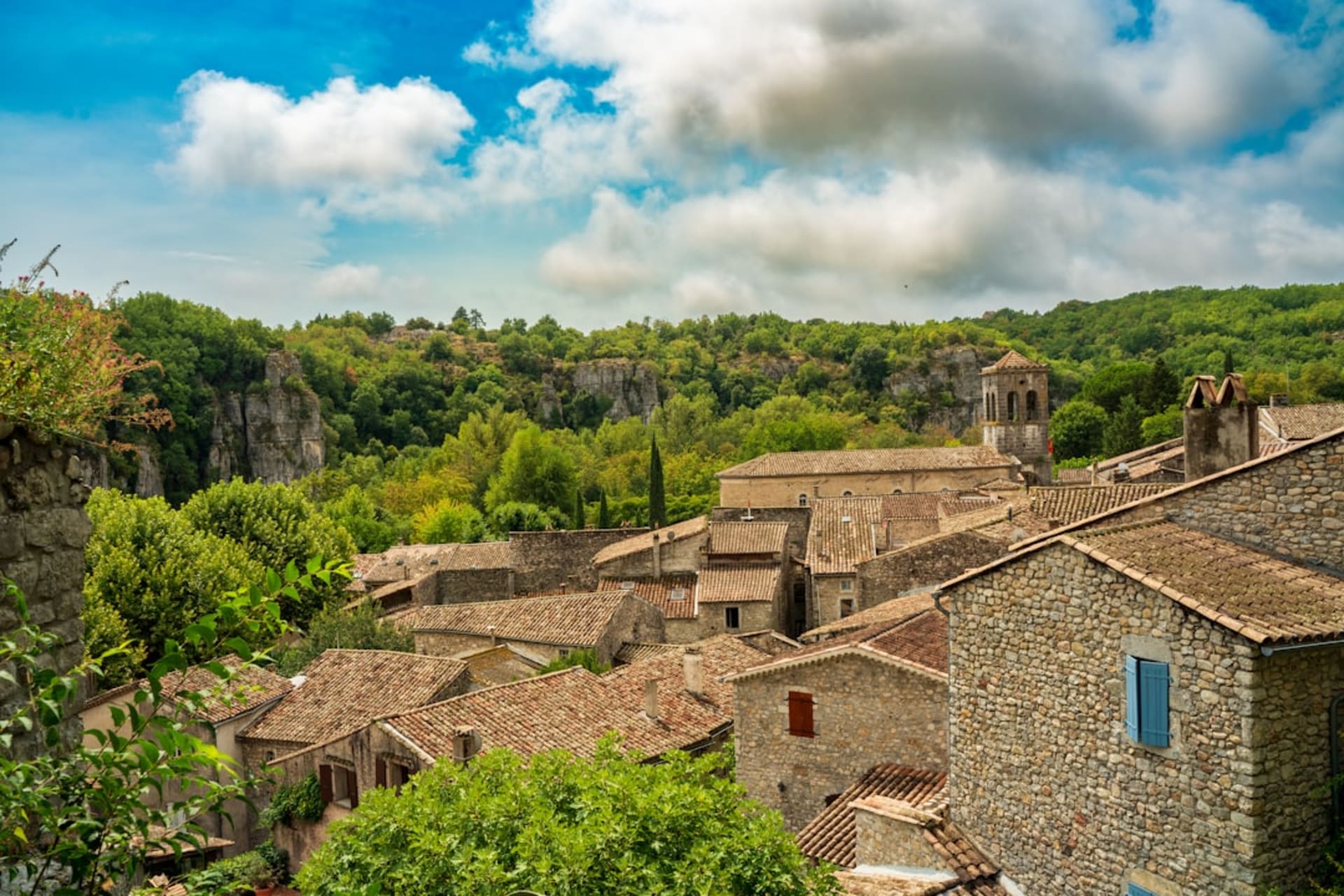
La Roque-d'Anthéron
"A Cistercian church built for silence turned out to have perfect acoustics for a piano, and nobody who built it could have known that."
A Durance valley village where a 12th-century Cistercian abbey turns into a piano festival every summer, and where I heard a nocturne played in a room built for silence and prayer, not applause.
La Roque-d’Anthéron sits in the Durance valley between the Luberon and the Alpilles, a village most people would drive straight past if not for two things that have nothing to do with each other on paper and everything to do with each other in practice: a 12th-century Cistercian abbey called Silvacane, and one of the world’s most respected piano festivals, which uses the abbey and the grounds of a nearby château as its main stages every summer.
An abbey built to reject decoration entirely
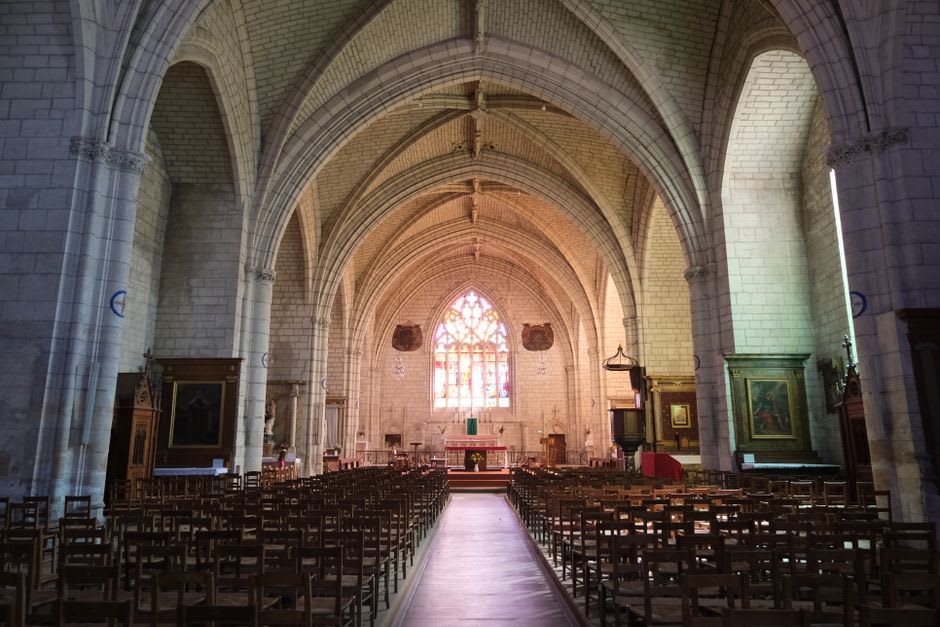
Silvacane is one of the “three sisters” of Provençal Cistercian architecture alongside Sénanque and Le Thoronet, and it shares their defining trait — an almost aggressive plainness, no statuary, no stained glass, no color beyond bare stone, because the Cistercian order believed ornamentation distracted from prayer. We arrived expecting something like Sénanque’s lavender-postcard fame and got instead a cooler, quieter building with none of the crowds, sitting alone in fields near the Durance rather than tucked into a valley of its own. The church’s acoustics are famously precise, a byproduct of the same austerity, and standing in the nave with almost nobody else there was its own kind of reward — you hear your own footsteps change the room.
When the silence turns into music
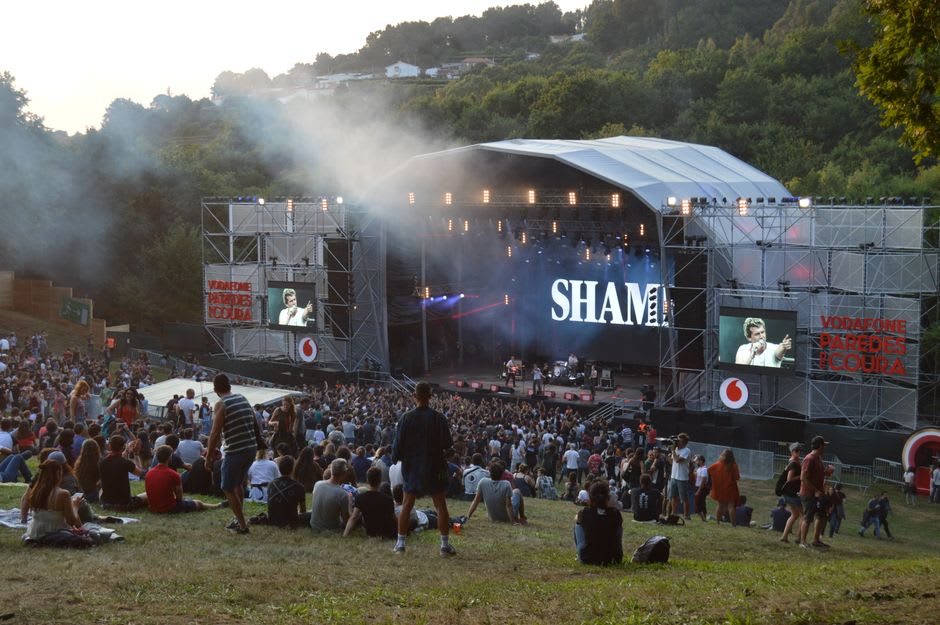
For a few weeks every summer, the Festival International de Piano takes over the village, staging concerts in the abbey and, more famously, under the two-hundred-year-old plane trees in the park of the Château de Florans, where pianists play on an open-air stage to thousands seated on the lawn at dusk. We got tickets on a whim after a friend in Aix mentioned it, sat on a rented cushion in the grass as the light dropped and the trees went black against a still-blue sky, and heard a program of Chopin that neither Lia nor I would normally have sought out but that neither of us has forgotten since. The scale of it surprised us most — a village of a few thousand people quietly hosting one of the major piano festivals in Europe, with none of the self-importance that implies.
When to go: Late July through August for the piano festival, book well ahead for the château concerts; visit Silvacane any season for a quieter, cooler counterpoint to its more famous Cistercian sisters.
Keep exploring
More of Provence