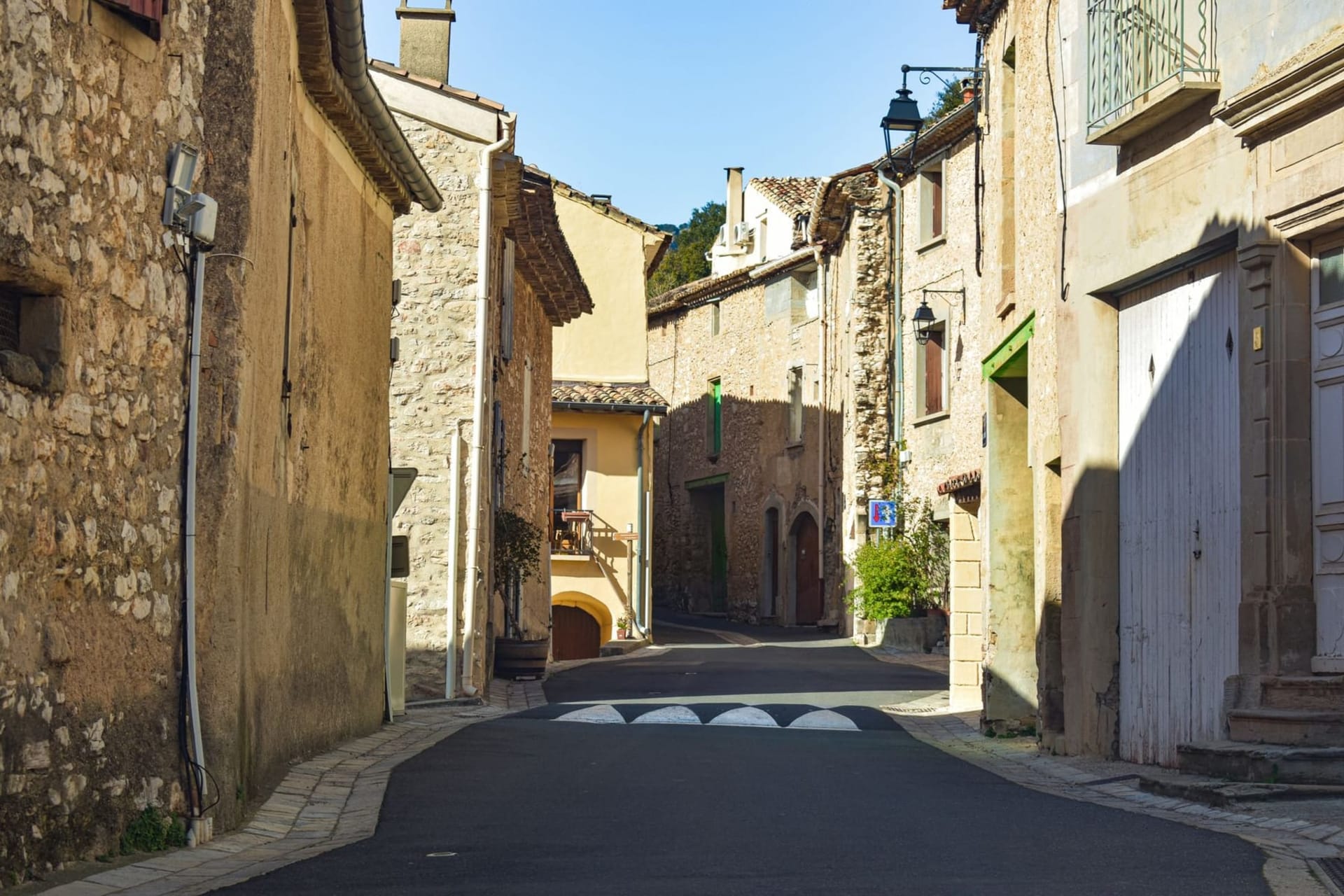
A pilgrimage village of golden sandstone in the Aveyron gorges, glowing at dusk like a lantern in the hills.

We arrived in Conques by the wrong road — the D901 from the north, which drops you into the village from above rather than letting it reveal itself from below. That accident of navigation turned out to be the best thing that happened all day. Coming around a hairpin turn in the gorge, the entire village appeared below us at once: a cluster of amber sandstone rooftops funneling down toward the abbey church of Sainte-Foy, its two square towers catching the late afternoon light like something lit from within. Lia grabbed my arm before I had a chance to brake properly.
The Stone That Glows
The grès de Conques — the local sandstone — does something peculiar at dusk. It doesn’t reflect light so much as hold it. Every façade on the Rue Charlemagne, the main artery threading through the village, takes on a warmth in the hour before sunset that makes you feel slightly drunk if you’re not careful. We walked that street four times in two days for no reason other than to watch what the light did to it. The timbers jutting from the upper floors, the wrought-iron signs, the worn stone steps descending toward the covered market hall — all of it caught and softened.
The tympanum above the abbey’s west portal stopped me cold the first time I stood before it. Carved in the 12th century and still retaining traces of its original polychrome paint, it depicts the Last Judgment with a specificity that feels almost personal — the saved rising toward a stylized paradise on the left, the damned tumbling into a mouth-shaped hell on the right where a stone demon presides over a chaos of writhing figures. The sculptor gave the sinners expressions. They look surprised, which seems about right.
What the Pilgrims Eat
The GR65 — the main French route of the Camino de Santiago — passes through Conques, which means the village has been feeding pilgrims for roughly nine centuries. The food reflects that history: it is simple, dense, restorative. Aligot, the Aveyron specialty of mashed potato pulled into elastic sheets with tome fraîche cheese, showed up on the menu at nearly every restaurant. I ordered it the first evening at a stone-floored place near the abbey, where the owner served it straight from the pan in long, dramatic ribbons. It is not a subtle dish. It is exactly the kind of thing you want after walking the gorge.
The surprise came at a small épicerie on the upper lane near the ramparts, which sold nothing remarkable until the owner, noticing my interest in the cheese counter, pulled out a wheel of pérail — a soft sheep’s milk round from the nearby Causses plateau — that he had been aging in a back room for three weeks past its label. It tasted like butter that had been left in a field. We bought two and ate them with bread on the low stone wall overlooking the Ouche valley, the light going amber and then copper, the abbey bells marking the quarter hours.
Below the Village
Most visitors stop at the abbey and turn back. The trail down into the gorge of the Dourdou de Conques, just below the village, is worth the descent and the sweating climb back up. The river runs clear enough to see the riverbed, and in mid-September — when we went — it was warm enough to wade in up to the knee. The path down is marked from the Place du Château; it takes twenty minutes on switchbacks cut into the schist. Down there, looking back up at the houses stacked against the hillside, Conques looked exactly like what it is: a medieval lantern hung in the gorge, waiting to be found.
When to go: Late May for cool mornings and the chestnut trees in leaf, with almost no crowds. Mid-September for dry paths, warm evenings, and the grape harvest on the Causses plateau just to the east.
Keep exploring
More of Auvergne
Keep exploring
More from Auvergne
 france
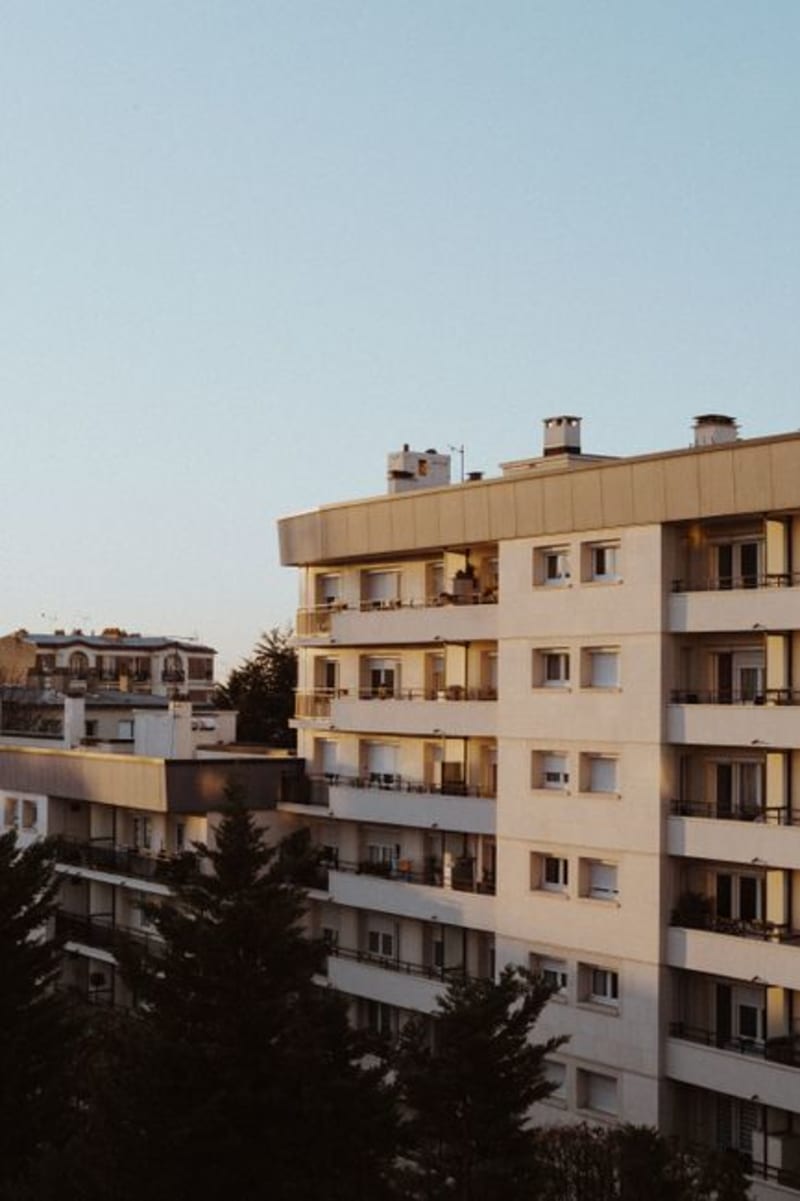
 Aurillac
Cantal's real capital, a town that quietly made the world's umbrellas for a century and still treats the volcanic massif on its doorstep as an ordinary backyard rather than a tourist attraction.
Explore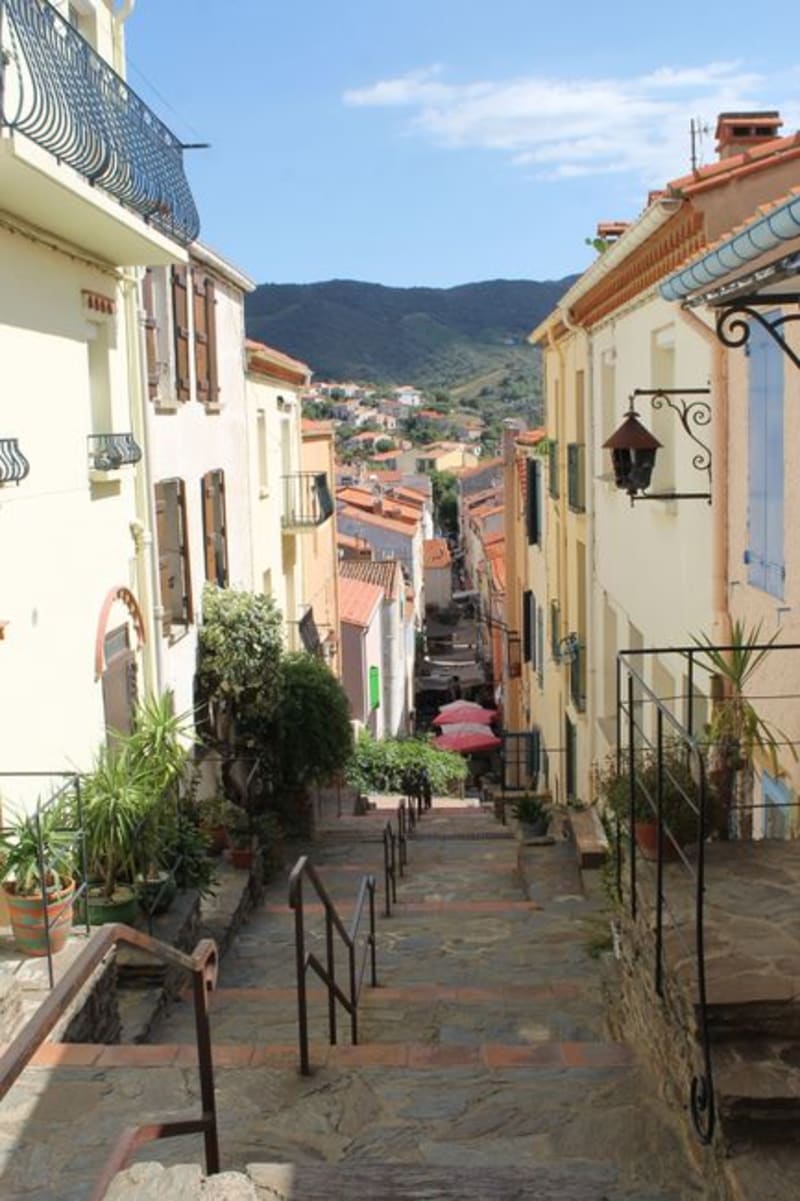 france
 Vic-sur-Cère
A Belle Époque spa village tucked into a Cantal valley, where the old thermal baths and gingerbread villas still outnumber the tourists, and the walk up to the Rocher des Pendus gave me the best view of the trip.
Explore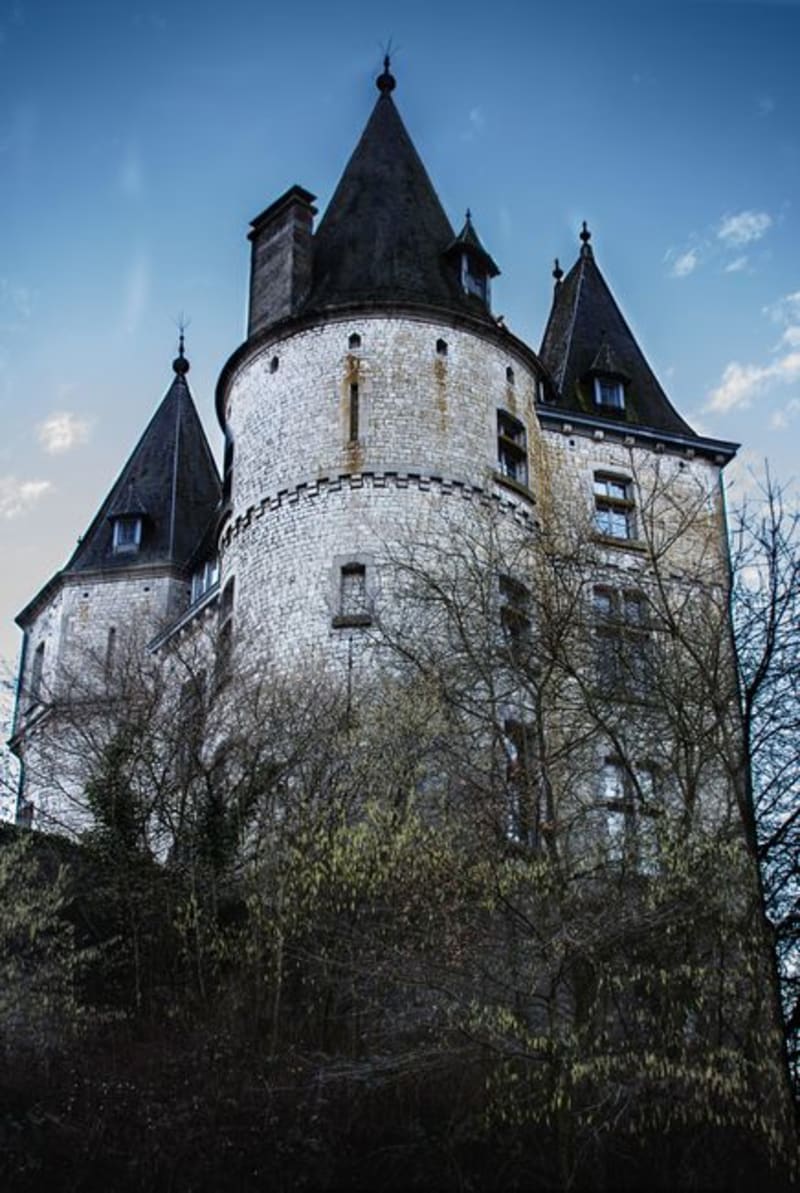 france
 Salers
A fortified medieval village in the Cantal highlands built entirely from dark volcanic stone, home to the deep red cattle breed that shares its name and grazes the surrounding pastures in the thousands.
Explore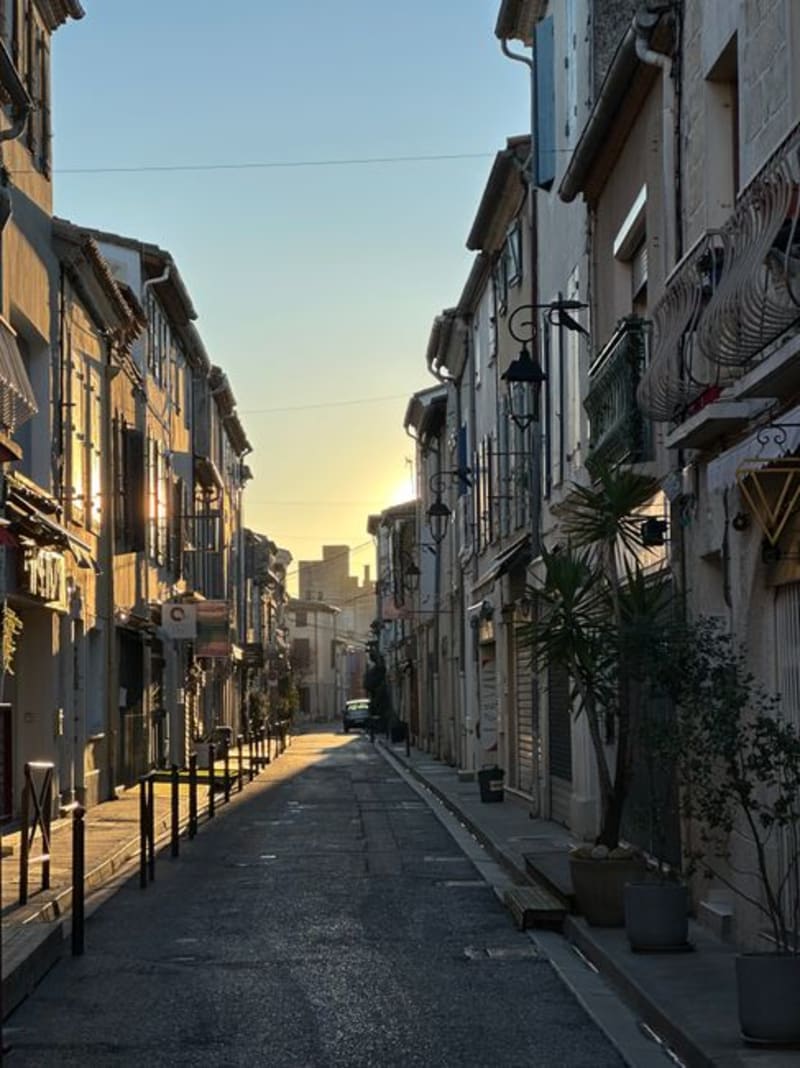 france
 Chaudes-Aigues
A remote town on the Cantal plateau sitting over the hottest natural springs in Europe, where water has come out of the ground near boiling for so long that medieval residents piped it through the streets to heat their houses.
Explore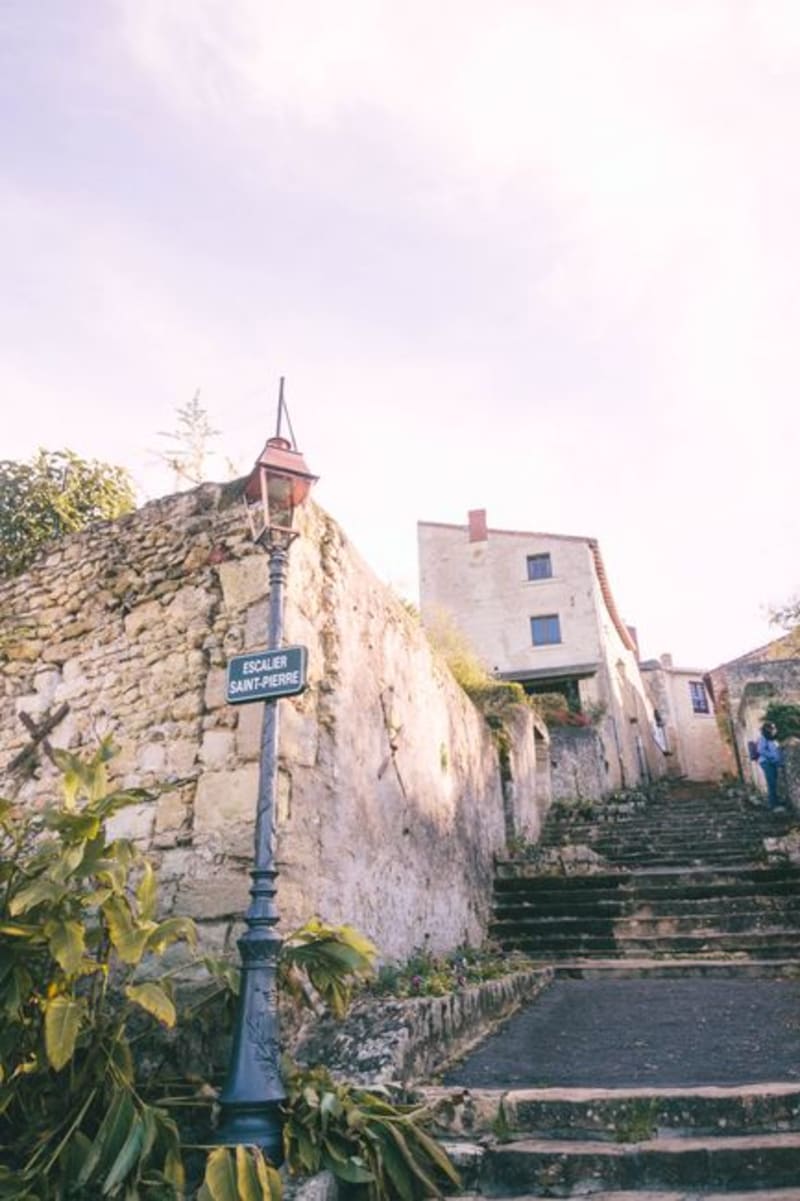 france
 La Bourboule
A Belle Époque spa town built around arsenic-laced springs that were once prescribed as medicine, its grand pastel facades still holding onto the faded glamour of a century when families sent their children here to be cured.
Explore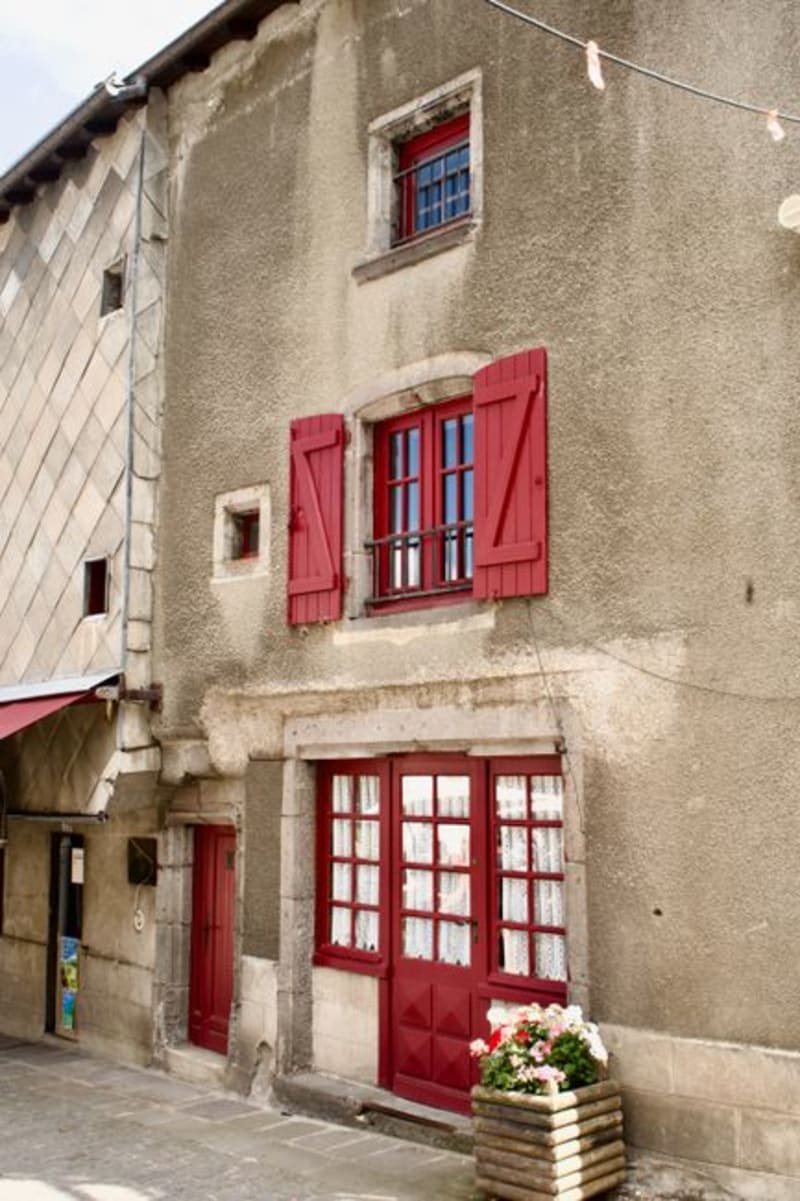 france
 Besse-et-Saint-Anastaise
A dark-stone medieval village in the Auvergne's volcanic highlands, its narrow streets still following their fifteenth-century layout, with a still, forest-ringed volcanic lake a short drive above town.
Explore