Chaudes-Aigues
"The water here comes out of the ground at 82 degrees. People used to heat their whole houses with it."
A remote town on the Cantal plateau sitting over the hottest natural springs in Europe, where water has come out of the ground near boiling for so long that medieval residents piped it through the streets to heat their houses.
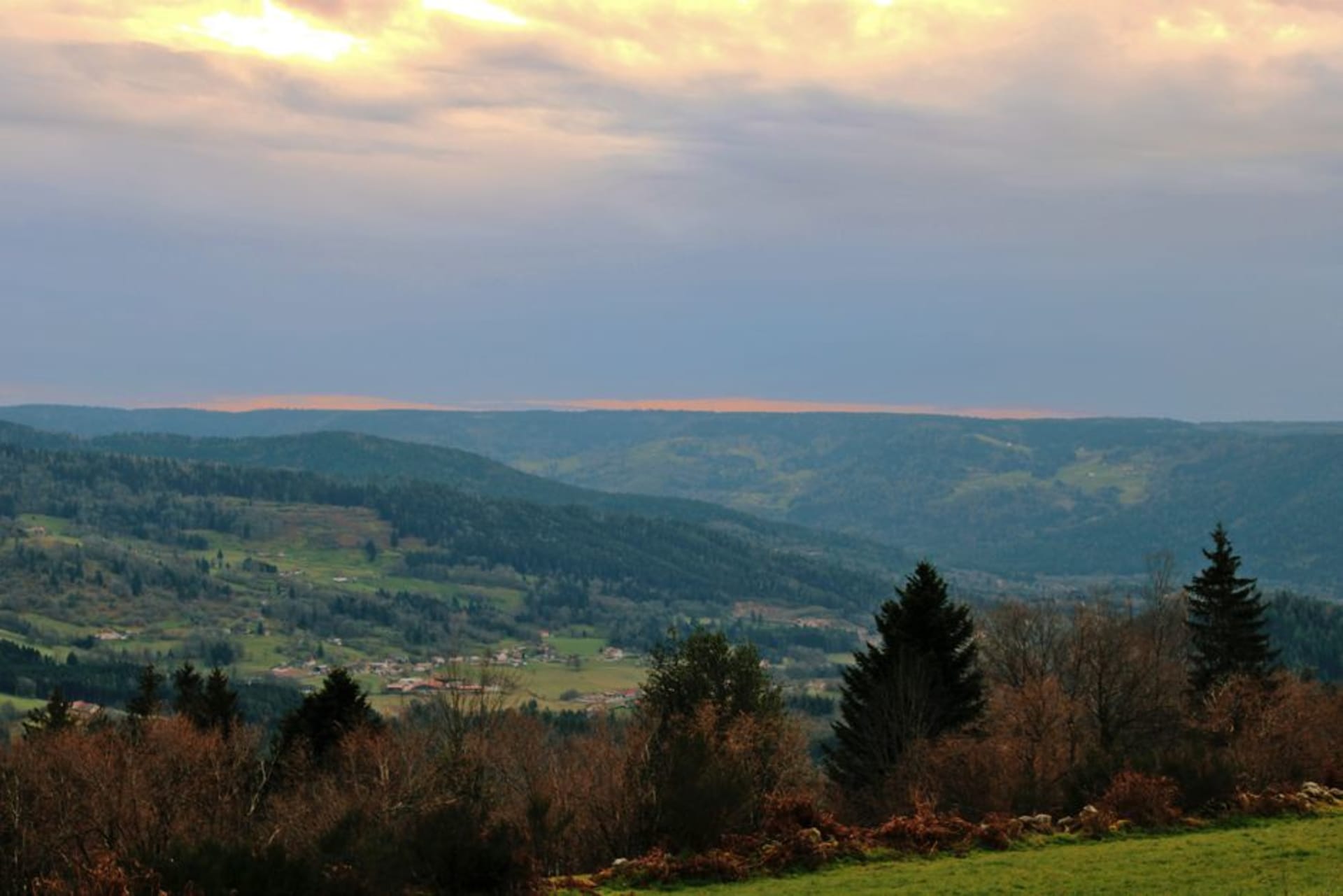
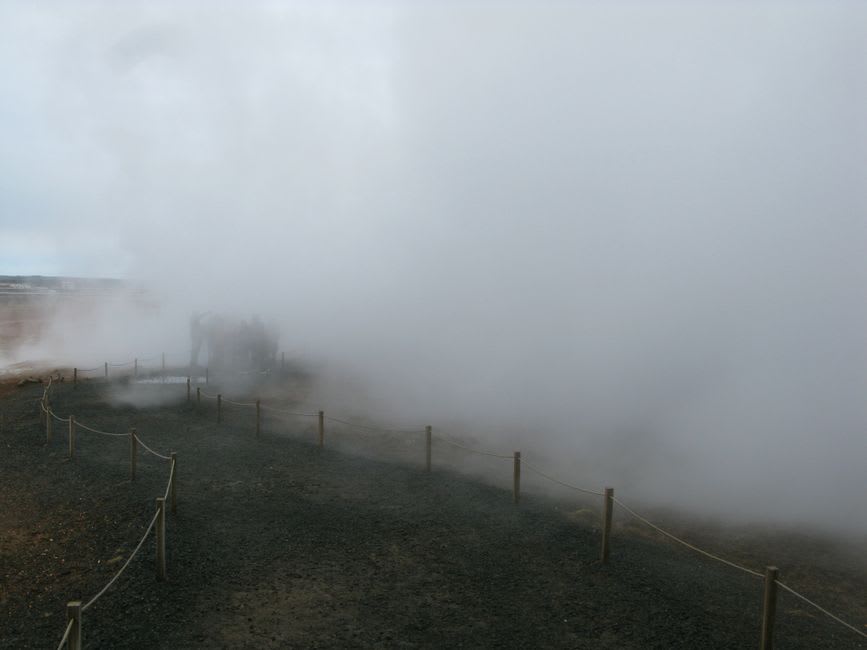
Chaudes-Aigues sits alone on the high Cantal plateau, further from the more visited northern half of the Auvergne than anywhere else on this list, and the drive in through empty, wind-scoured grazing country makes the town feel like a genuine discovery rather than a stop on a well-worn route. The name means literally “hot waters,” and it undersells the case: the Source du Par, the town’s principal spring, produces water at around 82 degrees Celsius, making it the hottest natural spring in continental Europe, hot enough that you cannot put your hand in it at the source without real risk of burns.
A medieval town heated by its own ground
What struck me most in Chaudes-Aigues wasn’t the temperature itself but what medieval residents did with it: as early as the fourteenth century, the town built a network of wooden and later stone pipes, the calèches, channeling hot spring water directly beneath houses to heat them, making Chaudes-Aigues one of the earliest documented examples of geothermal district heating anywhere in Europe, centuries before the concept had a name. Some of that same infrastructure, modernized, still heats buildings in the town today, and a small municipal display near the main spring explains the system with genuine local pride, treating it less as a historical curiosity than as a technology the town simply never stopped using.
The plateau around it
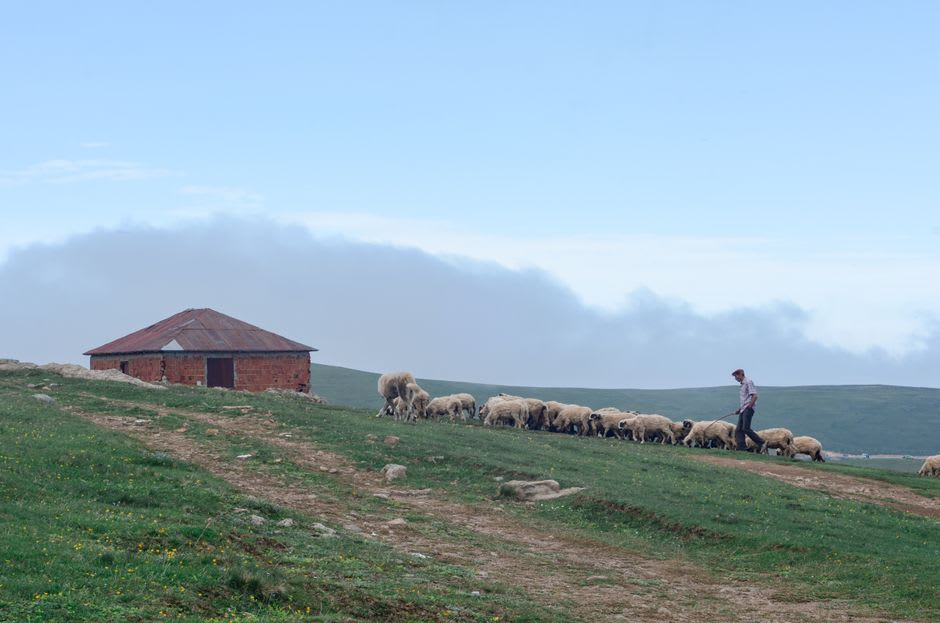
The town itself is small and unpretentious, stone houses with steep slate roofs built for the harsh winters up on this exposed plateau, and a modest municipal spa, Le Caleden, lets visitors actually get into water drawn from the springs, cooled to a bearable temperature, with pools looking out over the surrounding Cantal hills. We soaked there on a grey afternoon while a cold wind blew across the plateau outside, which felt like precisely the contrast the town has been built around for six centuries. Beyond the spa, the Cantal plateau itself rewards slow driving — burons, the traditional stone shepherd huts once used for making Cantal cheese during summer transhumance, still dot the high pastures, some restored as small museums or seasonal cheese shops.
When to go: Summer, when the high plateau roads are clear and the surrounding grazing country is at its greenest; this is a genuinely remote corner of the Auvergne, so plan fuel and food stops with a bit more care than elsewhere in the region.
Keep exploring
More of Auvergne