
Little Havana
"The espresso here is served in cups so small they feel like punctuation. It still hits you like a full sentence."
I came to Little Havana for the first time because of the coffee. Not the cultural experience, not the music, not the Calle Ocho walk — though all of those matter — but specifically for a café cortadito from Versailles, the legendary Cuban restaurant on SW 8th Street that has been operating since 1971 and where the lunch counter produces a particular cortadito, very sweet and very strong, that a Miami friend had been describing to me for a year. The reality matched the description. It arrived in a paper cup the size of a shot glass with a perfect foamy top, and I drank it standing at the counter while three men in guayaberas argued about baseball with the conviction of men who have been arguing about baseball in this spot for decades.
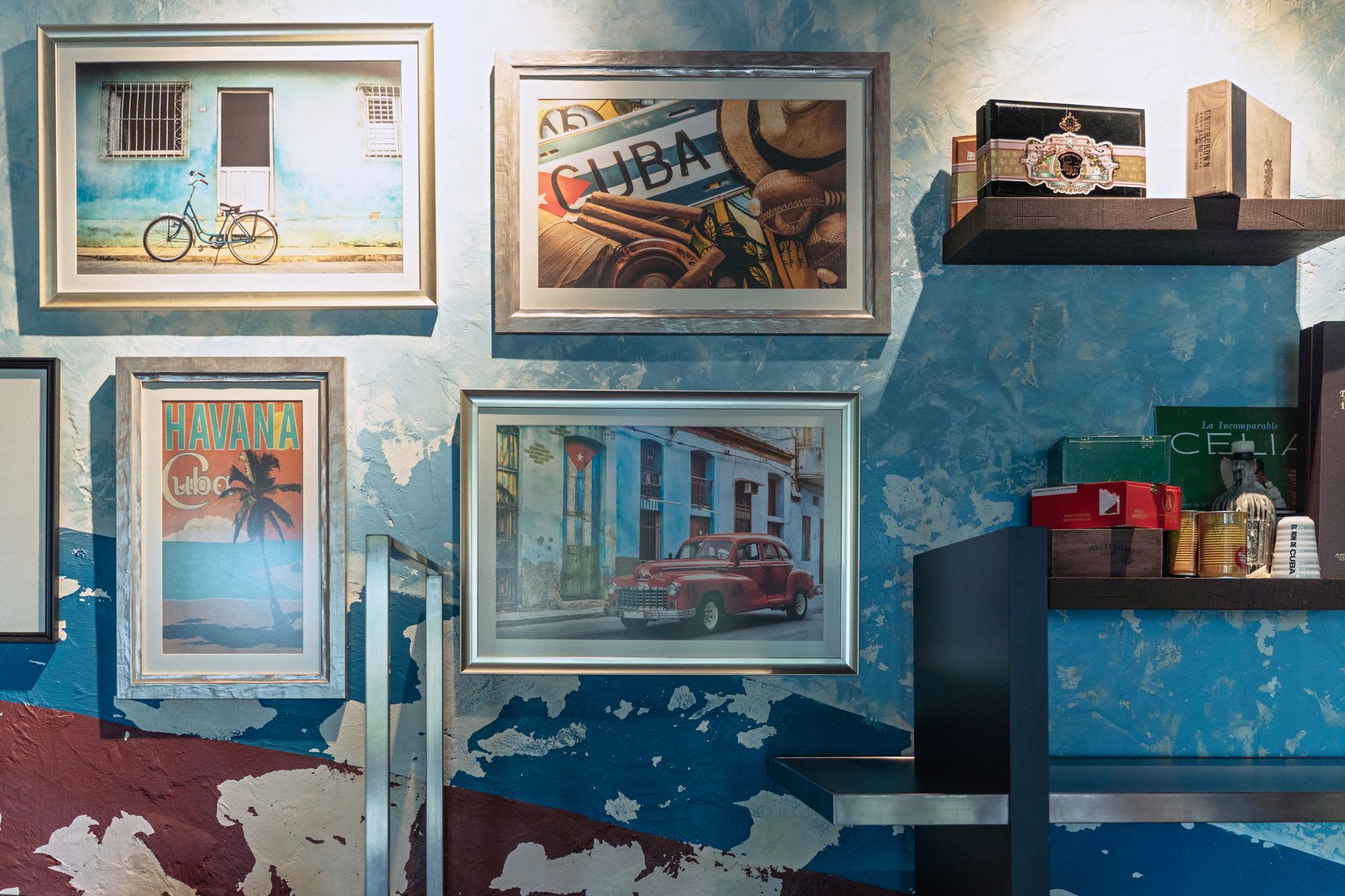
Calle Ocho — Southwest 8th Street — is the main artery, and its character changes by block and by hour. In the morning it’s practical: bakeries with guava pastries and trays of croquetas in the window, botanicas selling herbal remedies and saints’ candles, a hardware store with hand-painted signs. By midday the ventanitas — walk-up windows cut into the walls of restaurants and cafés — are doing continuous business, and the sidewalk tables fill with the particular Miami mix of retired Cubans, construction workers, and increasingly the young creative types who’ve moved into the adjacent neighborhoods. The domino park at Maximo Gomez Park operates on its own schedule regardless of everything else; the men there play with focused speed and accept spectators without acknowledgment.
The neighborhood holds layers of history that repay attention if you look for them: the Tower Theater on Calle Ocho, built in 1926 and now a cultural center, once served as the gateway cinema where newly arrived Cuban exiles in the 1960s watched American movies with Spanish subtitles, learning the country they’d landed in from its light comedies and westerns. The Cuban Memorial Boulevard, a few blocks south, is lined with ceiba trees and monuments to various uprisings — the Bay of Pigs, José Martí — that carry the specific grief of a diaspora that thought, for sixty years, that its exile was temporary.
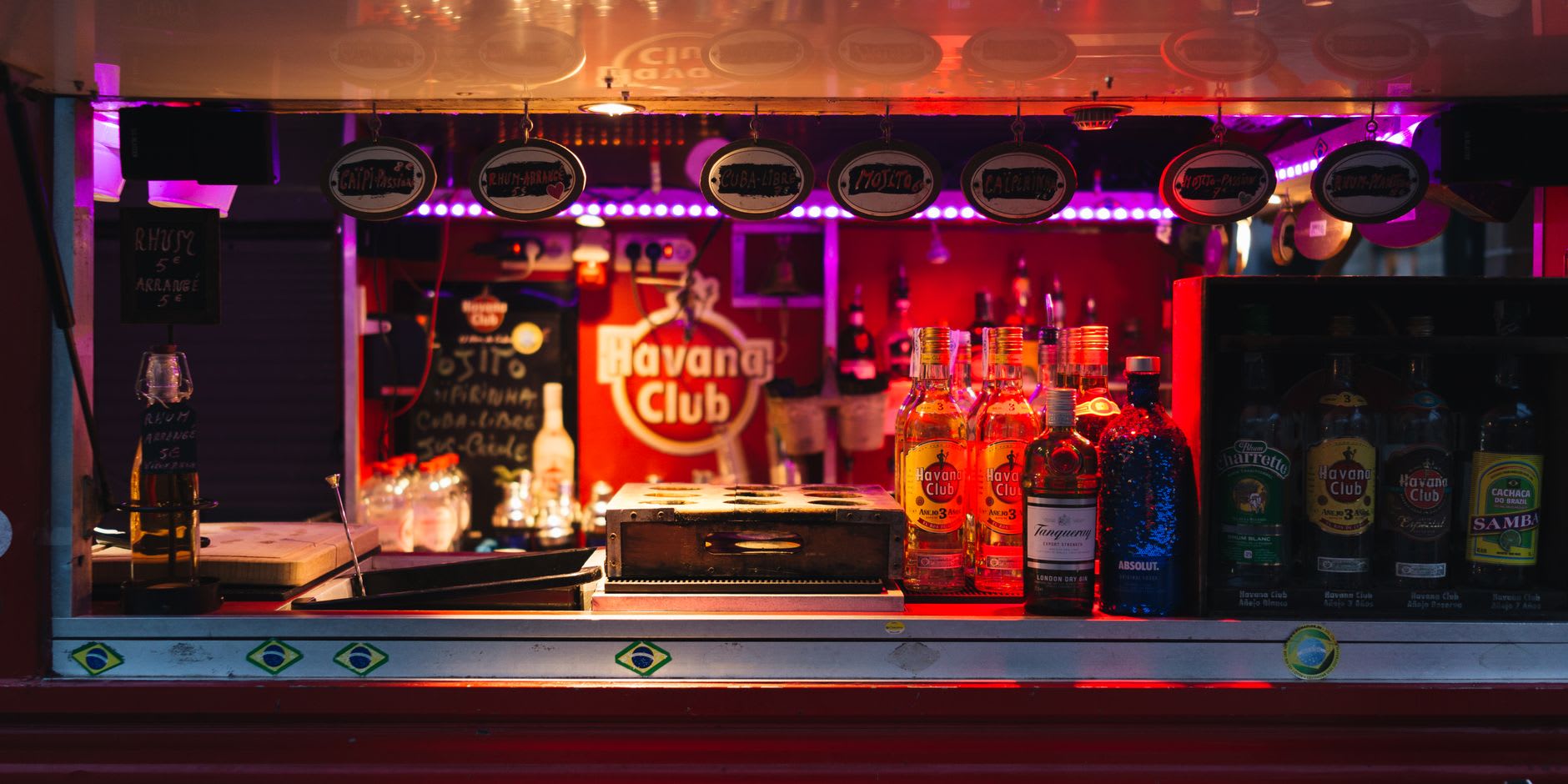
The food, after the coffee, is the point. Versailles for the experience and the ropa vieja; Los Pinarenos Fruteria for fresh cane juice and the best mango I’ve eaten outside of Mexico; La Paloma in the evening for live music and a mojito that’s more lime than sugar, which is how it should be. Little Havana is not authentic Havana — it’s something that sixty years of absence and memory and American context has produced, and that thing is its own and worth understanding entirely on its own terms.
When to go: October through April, when Miami’s heat is manageable and the neighborhood’s street life is at its most expansive. Calle Ocho Music Festival in March is one of the largest street festivals in the United States and turns the neighborhood into a genuinely enormous party for a weekend. For a quieter visit, Tuesday and Wednesday mornings — when the ventanitas are busy but the tourists haven’t arrived — give you the most unmediated version of the place and the best chance of finding a stool at the Versailles counter.