Turku
"Every city has a river running through it. Not every river tells you eight hundred years of story the way the Aura does."
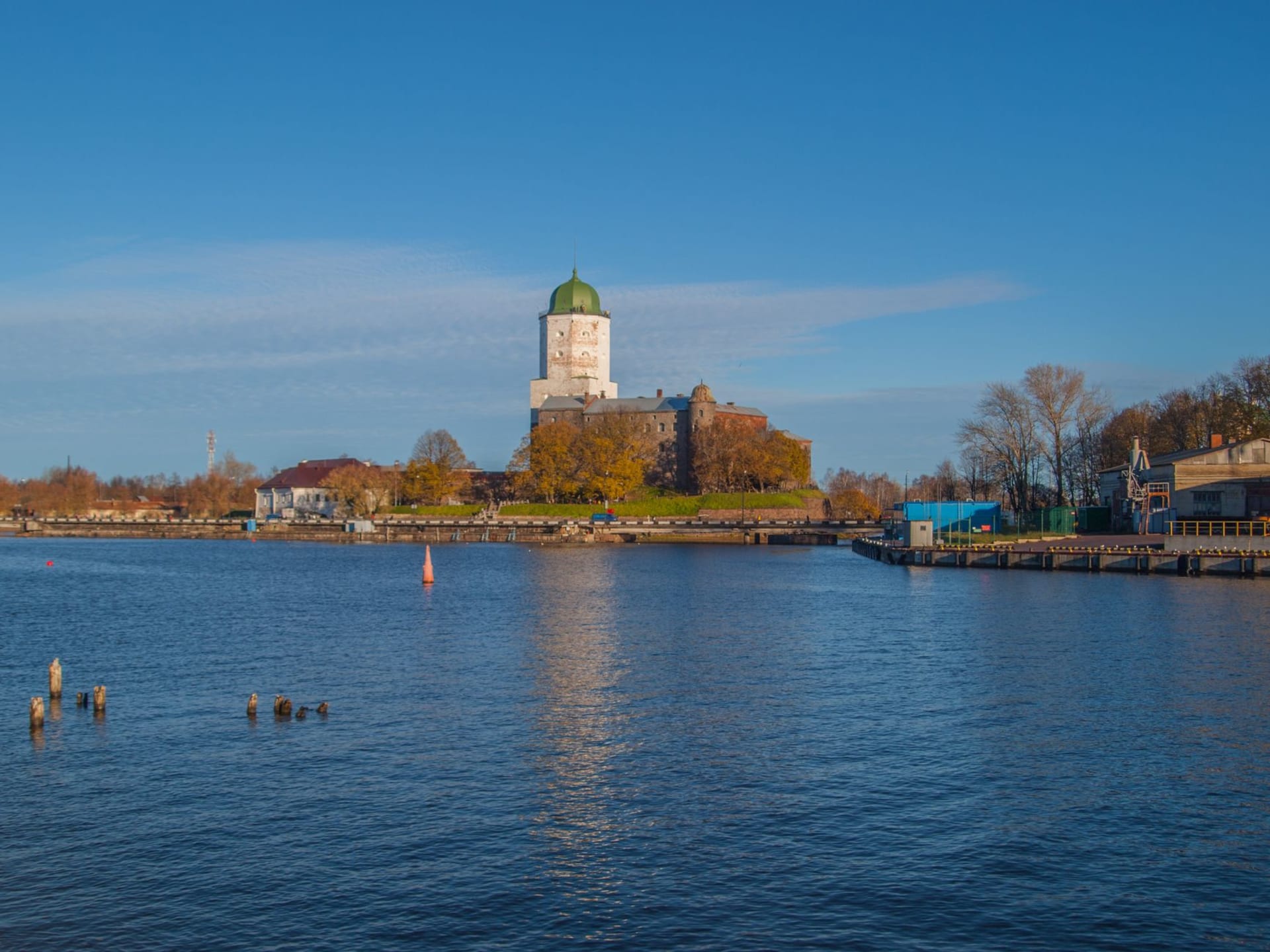
Turku was Finland’s capital before Helsinki existed, and it still carries that fact with a quiet dignity that borders on smugness — not in the people, who are friendly and unpretentious, but in the city itself, which has a solidity and self-assurance that newer cities tend to lack. I arrived in early October, when the trees along the Aura River were running through orange and yellow and the stone walls of the castle at the river mouth were catching the low autumn light in a way that made the place look like a set for a Nordic period drama.
The Aura River bisects the city and functions as its social spine in a way that Helsinki’s harbour cannot quite match — it’s narrow enough to feel intimate, lined with restaurant boats that moor alongside for the summer season and stay through early autumn. I ate dinner on one of them on my first evening, the wooden boat rocking slightly against the quay, a plate of pike-perch from nearby waters in front of me, and understood that Turku rewards a slower pace — one where dinner at seven on a boat on a river is not exotic but simply Tuesday.
Turku Castle sits at the mouth of the Aura where it meets the sea, and it is more substantial than the word “castle” suggests — medieval granite walls enclosing rooms and corridors that have functioned as fortress, prison, and ducal residence over eight centuries. I spent a morning working through the permanent exhibition on medieval Finnish history, which is properly absorbing if you find yourself in the habit of wondering how people dressed and governed themselves before central heating. The great hall is bare stone and high ceilings, and standing in it on a grey October morning with almost no one else around felt genuinely atmospheric in the way that great empty rooms sometimes do.

Turku Cathedral is the spiritual mother church of Finnish Lutheranism, sitting on a small hill above the Old Great Square with an appropriately serious demeanor. But the streets running down toward the river are more interesting than the Cathedral itself — the Luostarinmäki district holds perhaps the most complete surviving examples of pre-fire Finnish urban architecture: small, low-ceilinged wooden houses painted in muted reds and yellows, organized around a hillside that feels more like a living village than a museum, because the Great Fire of 1827 that destroyed most of Turku somehow left this one neighbourhood standing.
The food scene orbits the river. Smoked fish — salmon, whitefish, vendace — appears in the market stalls near the Old Market Hall, and the archipelago connection means fresh seafood is taken seriously. But what I kept returning to were the simpler things: the pastry shops along the pedestrian streets where Finnish pulla — a cardamom-scented sweet bread — is sold by the knot, and which tastes of warmth and vanilla and something I associate specifically with Nordic autumn.

Turku is also the gateway to the archipelago that stretches southwest toward Sweden — ten thousand islands, most of them tiny, scattered across the Baltic. I took a day trip by ferry through the outer islands and came back with a specific memory: seagulls and the smell of diesel and cold salt water, and a feeling that the sea here is more ancient and more indifferent than most seas I have known.
When to go: June through August for the archipelago and outdoor dining season on the river. September and October for autumn colour and the market at its most local. The Turku Music Festival in August fills the riverside with outdoor concerts.