Rakiraki
"They told us the chief's grave marks the spot where he supposedly turned to stone. Whether or not you believe it, the hill has a weight to it."
A sugarcane and fishing district on Viti Levu's northern tip, gateway to the outer islands and home to a chiefly burial site tangled in legend.
Rakiraki doesn’t get much attention in its own right — most travelers pass through only long enough to catch the boat to Nananu-i-Ra or continue on toward Vanua Levu — but the district itself, a stretch of sugarcane flats and fishing villages along Viti Levu’s northern coast, backed by the jagged volcanic profile of the Nakauvadra range, turned out to be worth slowing down for. We based ourselves at a small hotel near Ellington Wharf for four nights and used it as a jumping-off point for exploring a part of the main island that most itineraries skip entirely in favor of Nadi or the Coral Coast.
The Nakauvadra range dominates the inland view and carries serious weight in Fijian mythology — it’s considered the ancestral home of Degei, the great serpent god central to traditional Fijian cosmology, and several of the ridgelines and peaks are named for figures in that origin story. Our guide, a Rakiraki local who’d grown up hearing the stories from his grandfather, pointed out specific outcrops along the range and told them with the kind of matter-of-fact seriousness that made clear these weren’t just quaint folk tales to him, they were part of how the land itself was understood.
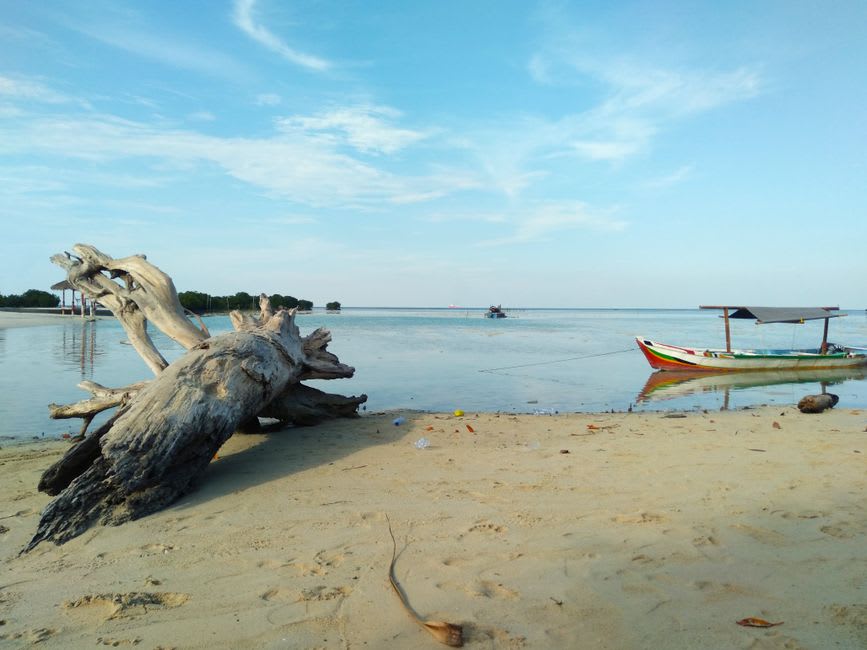
Closer to town, there’s a small hill known locally as the burial site of Ratu Udre Udre, a 19th-century chief whose story mixes documented colonial-era record with clear embellishment — he’s remembered, with some historical basis, as one of the most notorious cannibal chiefs in Fijian oral history, supposedly keeping a tally of victims by lining up stones near his grave. The site itself is unassuming, a low mound with a scatter of stones under a canopy of trees just off the main road, and it’s free to visit though a small donation to the family who maintain it is expected. Standing there while our guide ran through the more gruesome parts of the story felt less like a spooky tourist stop and more like a genuinely uncomfortable piece of pre-colonial history that Fiji doesn’t sand down for visitors, which I respected even while feeling slightly ill about the details.
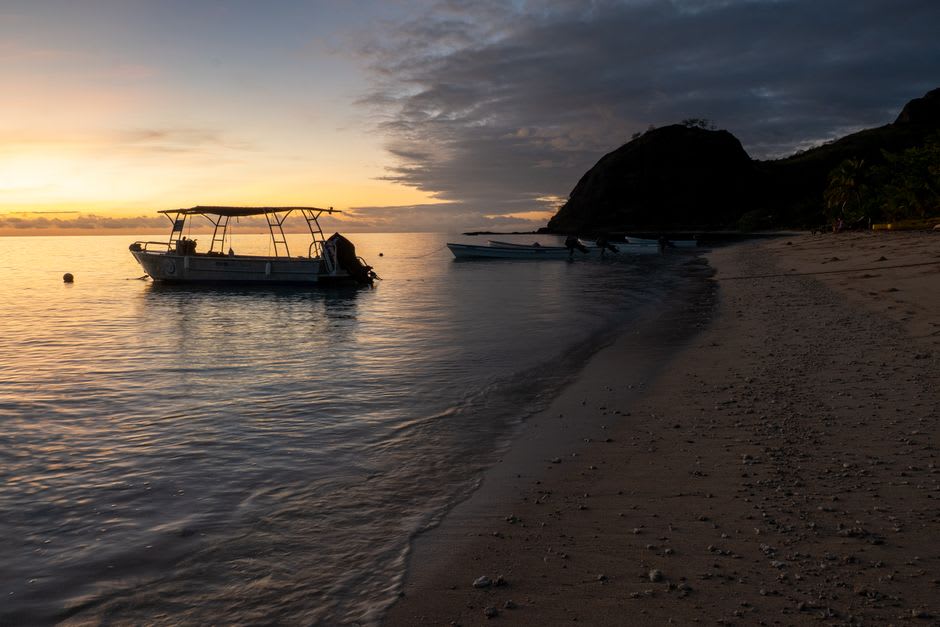
Rakiraki’s coastline itself is mostly working fishing communities rather than resort beaches, and the boat traffic out to Nananu-i-Ra and the small islands offshore gives the wharf area a genuine, unpolished bustle in the early morning that I found more interesting than most of the manicured resort jetties further south.
When to go: Dry season, May through October, for the most reliable road conditions on the inland routes and clearer visibility on any offshore day trips. The area works well as a two-to-three night base if you’re combining the Nakauvadra history with a kitesurfing stop on Nananu-i-Ra.
Keep exploring
More from Fiji
 fiji
fiji Rewa Delta
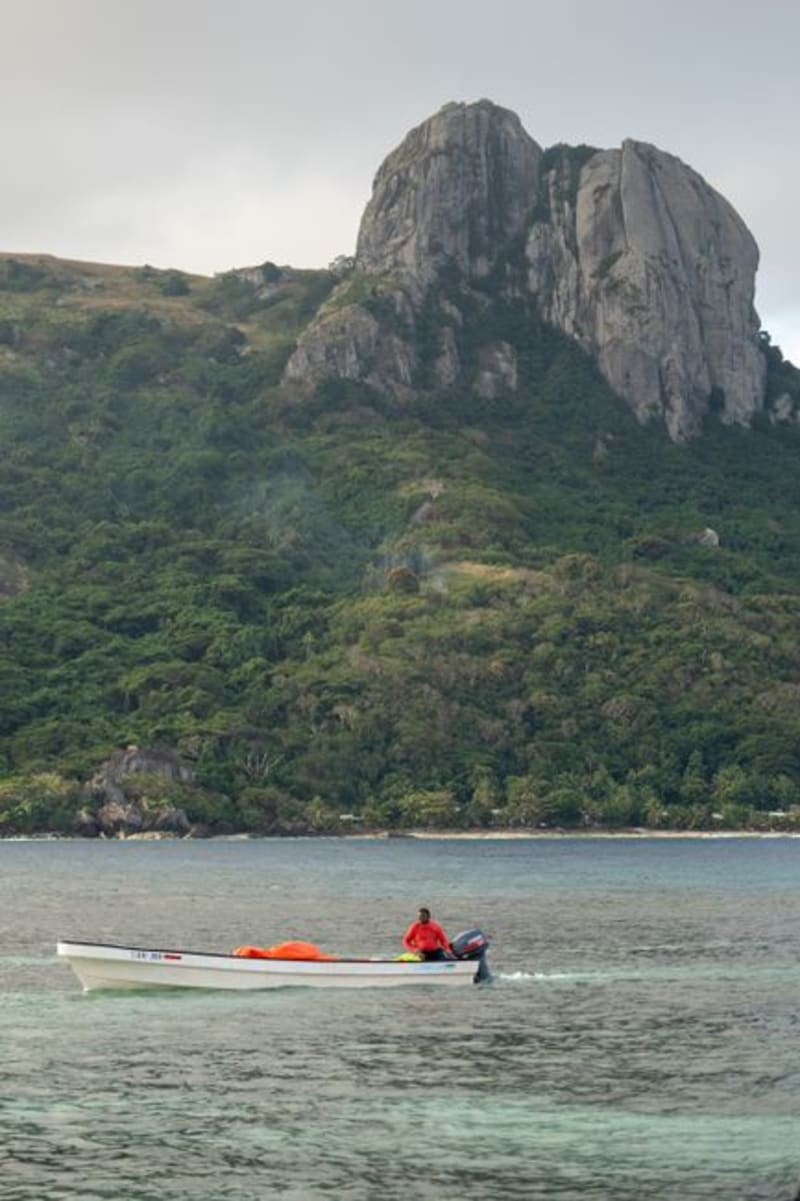
A maze of mangrove channels and stilted villages at the mouth of Fiji's largest river, reached by longboat and best understood through the rhythm of tides rather than a map.
Explore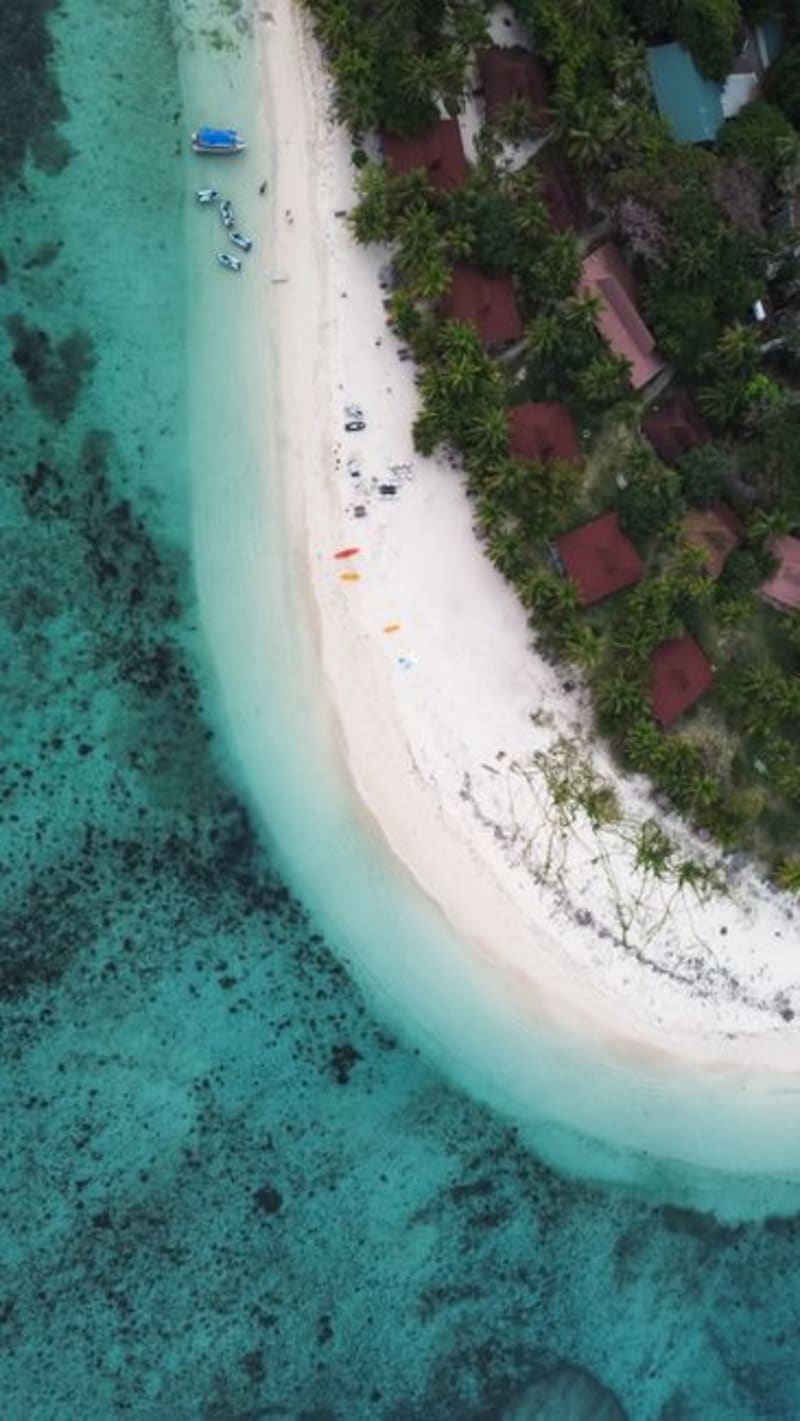 fiji
fiji Robinson Crusoe Island
A day-trip island off the Coral Coast mangroves built entirely around Fijian song, fire, and a lagoon shallow enough to wade to at low tide.
Explore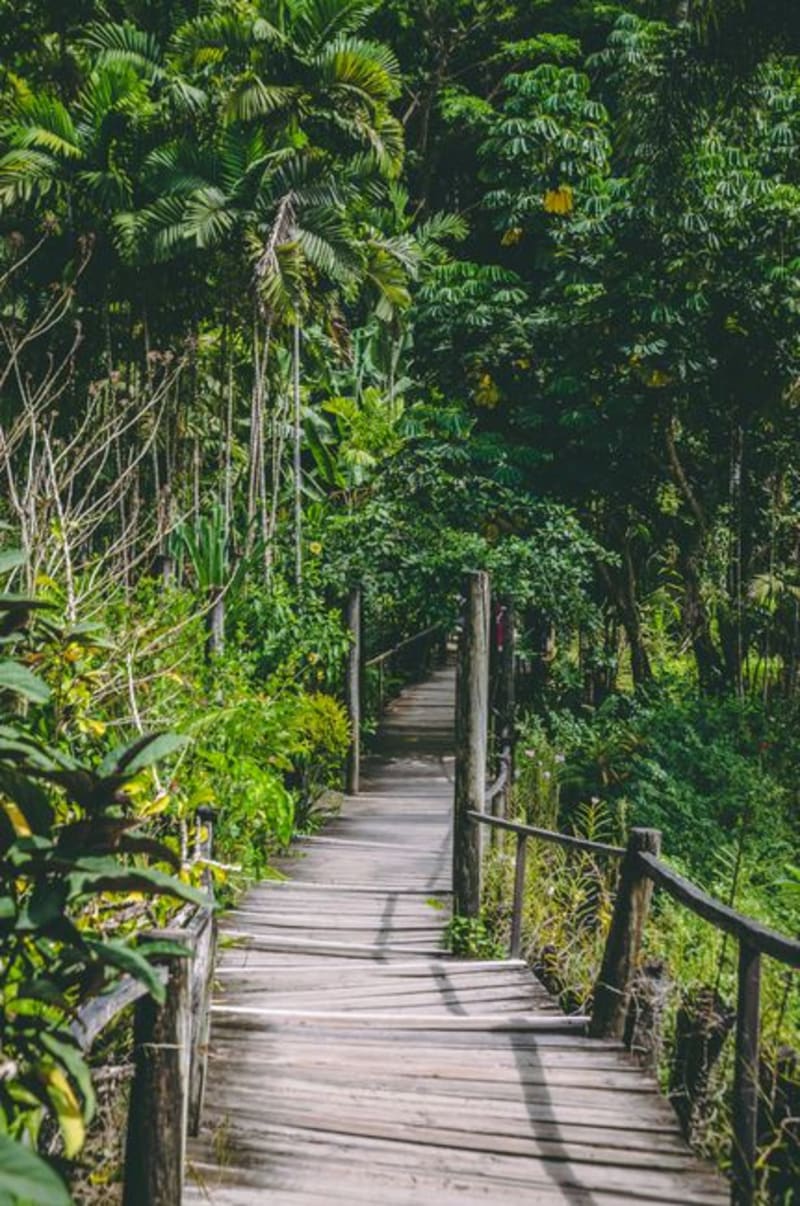 fiji
fiji Sabeto Hot Springs
A grey mud pool tucked into the Sabeto highlands outside Nadi, where locals and travelers alike coat themselves head to toe before rinsing off in a hot spring pool.
Explore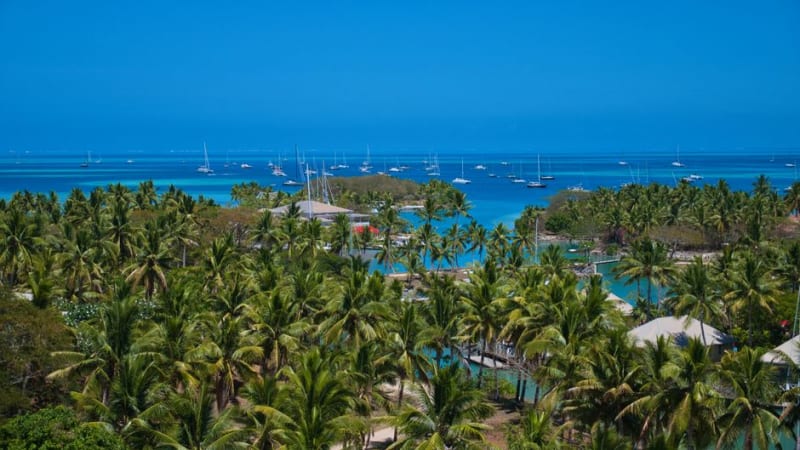 fiji
fiji Savusavu
A hot-spring harbor town on Vanua Levu where the ground itself steams, and the yachting crowd and the kava-drinking locals somehow share the same three streets.
Explore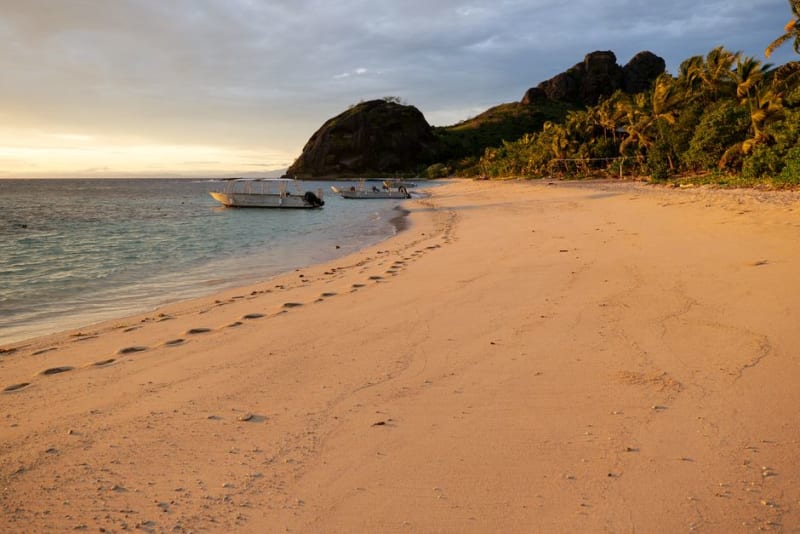 fiji
fiji Serua Island
A tidal island village and former Fijian capital that you can only reach on foot at low tide, across a reef flat that disappears twice a day.
Explore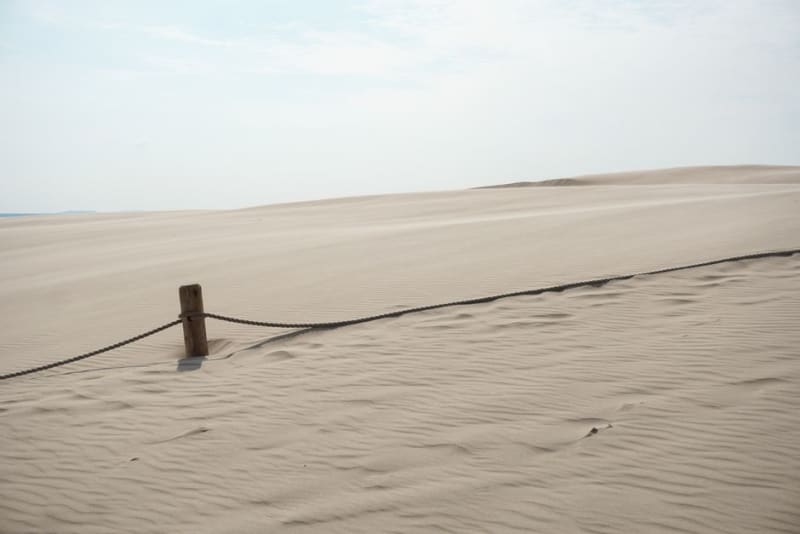 fiji
fiji Sigatoka Sand Dunes National Park
Fiji's first national park, a wind-sculpted dune system hiding one of the South Pacific's most significant archaeological burial sites.
Explore