
A narrow break in the Great Astrolabe Reef where tidal current turns a dive into something closer to flight, and pelagic fish stack up in numbers that make you forget to check your air gauge.
Naiqoro Passage cuts through the Great Astrolabe Reef on Kadavu’s southeastern side, one of only a handful of natural breaks wide and deep enough for a serious volume of water to move through on the tide change, and it has developed a reputation among Fiji’s dive community as one of the best drift dives in the country. I’d heard about it secondhand for years before I actually dived it — divemasters in Nadi and even a few in the Yasawas mentioned it with a specific tone, somewhere between reverence and warning.
The dive itself depends entirely on getting the tide right, and the boat crew from the small lodge I was diving with spent a genuinely long time on the morning briefing working out slack water and current direction before committing to a drop time. We went in on an incoming tide, descending fast along the reef wall just outside the passage mouth, and the current took hold almost immediately — not violently, but with a steady, insistent pull that made swimming against it pointless and unnecessary. You point yourself, you relax your fins, and the reef starts moving past at a pace that no amount of kicking would achieve on your own.
What the current brings is the real point of diving here. Schools of barracuda held in a tight, rotating column against the flow near the passage entrance, big-eye trevally moved in numbers thick enough to blot out the surface light for a few seconds at a time, and at the edge of visibility a pair of grey reef sharks patrolled the same stretch of wall both times I dived it, apparently on a patrol route they’d worked out for themselves long before any dive boat showed up. My dive buddy, a marine biology student volunteering at a nearby research post, kept a slate out the entire dive and filled two full pages with species counts by the time we surfaced.
The passage empties into a slightly calmer basin on its inner side where the current eases and the coral changes character — from the current-hardened structures of the passage mouth to a softer, more delicate garden of table coral and anemones in the lee of the reef. This is where most dives end, drifting the last ten minutes at a gentler pace while decompressing on the shallow reef top, watching turtles graze on sponges undisturbed by the traffic passing a few meters above them.
This is not a dive for anyone still building comfort with current, and every operator I spoke with on Kadavu was upfront about that — advanced certification and a genuine, recent track record of drift diving are the minimum they ask for before booking you on it. But if you have the experience, it is one of the more physical, alive dives available anywhere in Fiji, closer to being carried by the ocean than swimming in it.
When to go: Diveable year-round on the right tide, but visibility and marine life concentration peak May through October. Dive operators plan trips around specific tide windows rather than a fixed schedule, so flexibility on timing matters more than the calendar date.
Keep exploring
More from Fiji
 fiji
fiji Nairai Island
A remote, rarely visited island at the southeastern edge of the Lomaiviti group, reached by an infrequent cargo boat and defined by a lagoon almost nobody outside Fiji has heard of.
Explore fiji
fiji Namalata Isthmus
The narrow strip of land near Vunisea where Kadavu almost splits in two, with ocean visible on both sides at once and a grass airstrip running down the middle of it.
Explore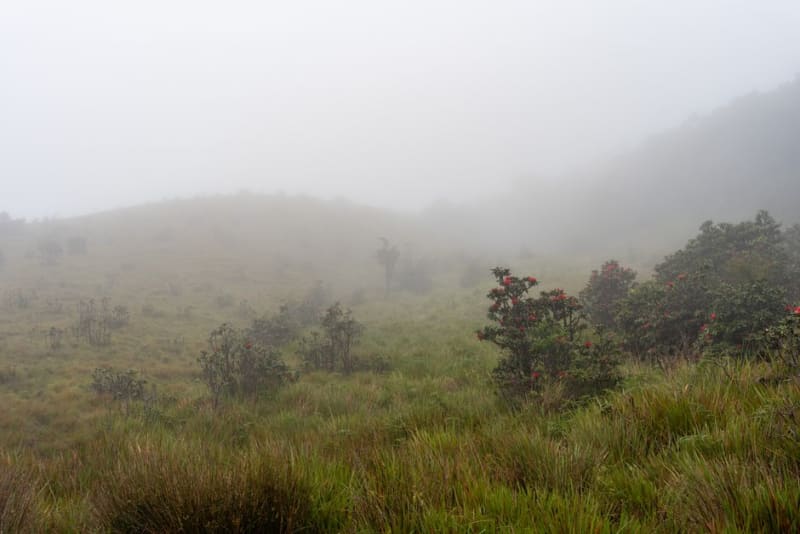 fiji
fiji Namosi Highlands
A rugged interior province of volcanic gorges and whitewater rivers behind Pacific Harbour, where village-run rafting trips and a single mining road are the only ways in.
Explore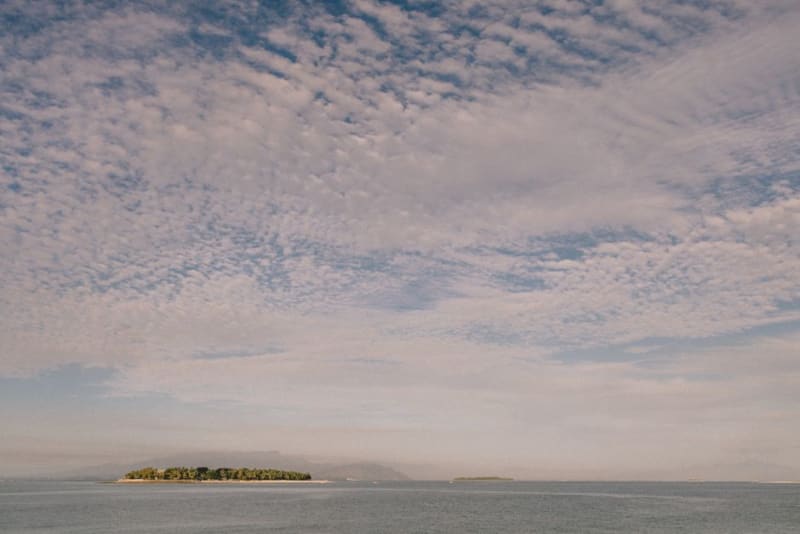 fiji
fiji Namotu Island
A speck of an island off Nadi that punches wildly above its size for surfers, sitting within paddling distance of some of the best left-hand reef breaks on Earth.
Explore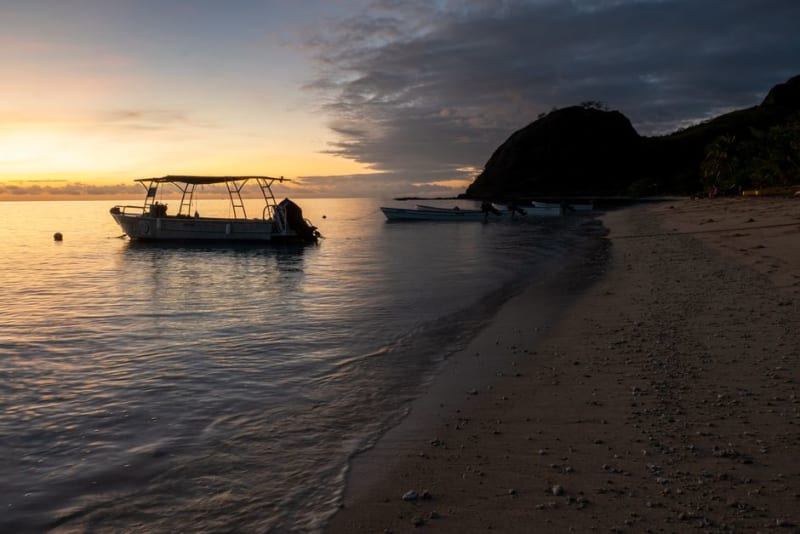 fiji
fiji Namuamua Village
A highland village reachable only by bamboo raft down the Navua River, where the gorge opens into farmland and the pace of the day is set by the current.
Explore fiji
fiji Namuana Village
A Kadavu village famous for a turtle-calling legend passed down through its women, sung to the sea on the rare occasions the ceremony is still performed.
Explore