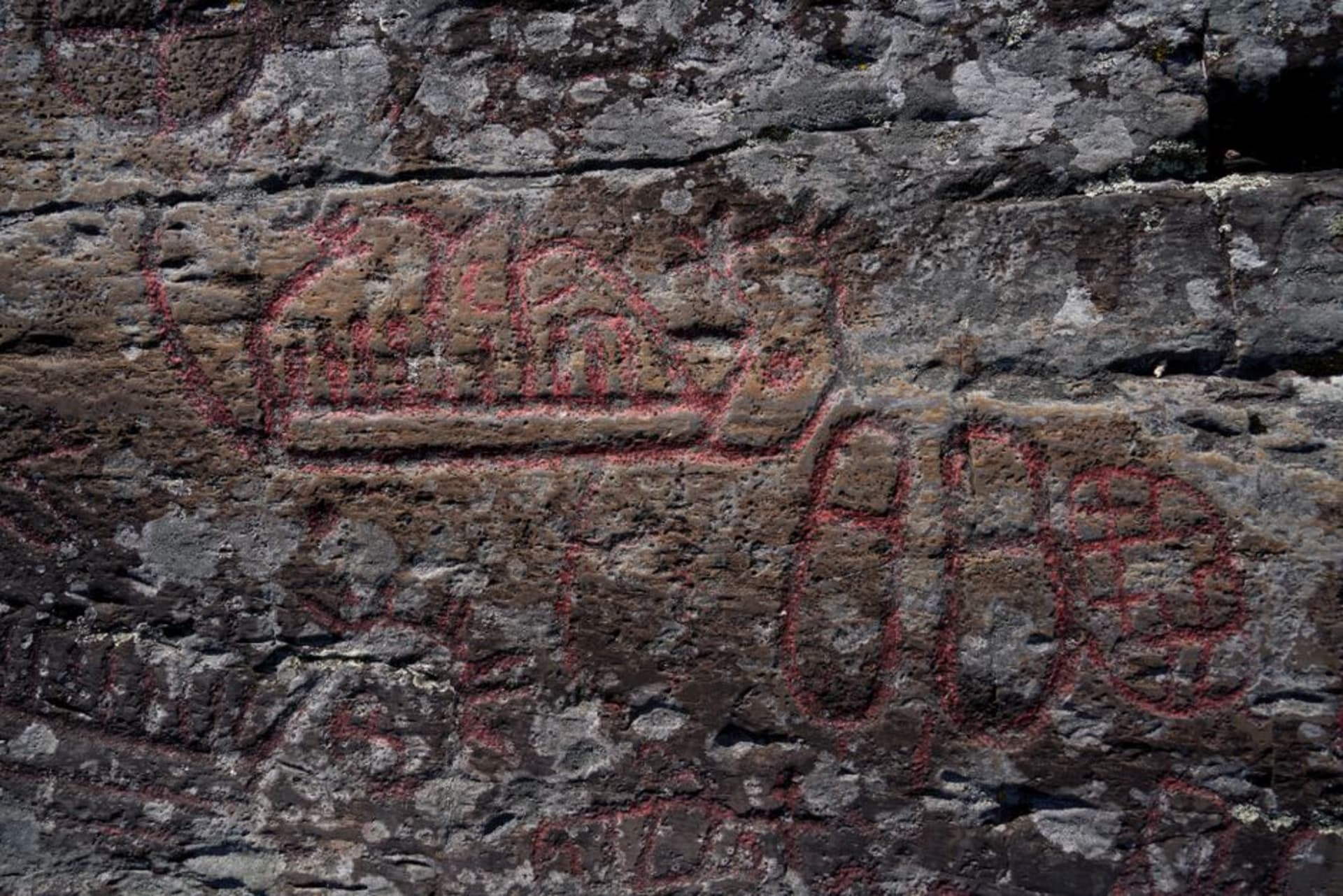
Dakuniba Petroglyphs
"Nobody in the village could tell me who carved them, or when, or why. That uncertainty was somehow the most interesting part."
A cluster of ancient rock carvings on Vanua Levu's remote Natewa Peninsula, unexplained, undated, and visited by almost no one.
I heard about the petroglyphs at Dakuniba from a Savusavu taxi driver who mentioned them the way you’d mention a decent lunch spot, almost as an afterthought, and it took me another two days of asking around before I found someone willing to drive me the two hours out along the Natewa Peninsula to see them properly. The road east from Savusavu is scenic for the first hour and then turns into something considerably rougher as it curls around the edge of Natewa Bay, Fiji’s largest natural harbour, past small settlements where the road is really just the space between houses that happens to be driveable.
Dakuniba village sits near the peninsula’s tip, and the petroglyphs themselves are a short walk from the roadside — a series of large volcanic rock faces covered in carved lines, spirals, and geometric patterns that no archaeologist has definitively dated or attributed. Local tradition holds that they predate the current Fijian settlement of the area, possibly linked to earlier Melanesian or Polynesian voyaging cultures, but nobody in Dakuniba pretended to certainty about it, and I found that refreshing after so many “ancient mystery” tourist sites elsewhere in the world that manufacture false confidence for the brochure.
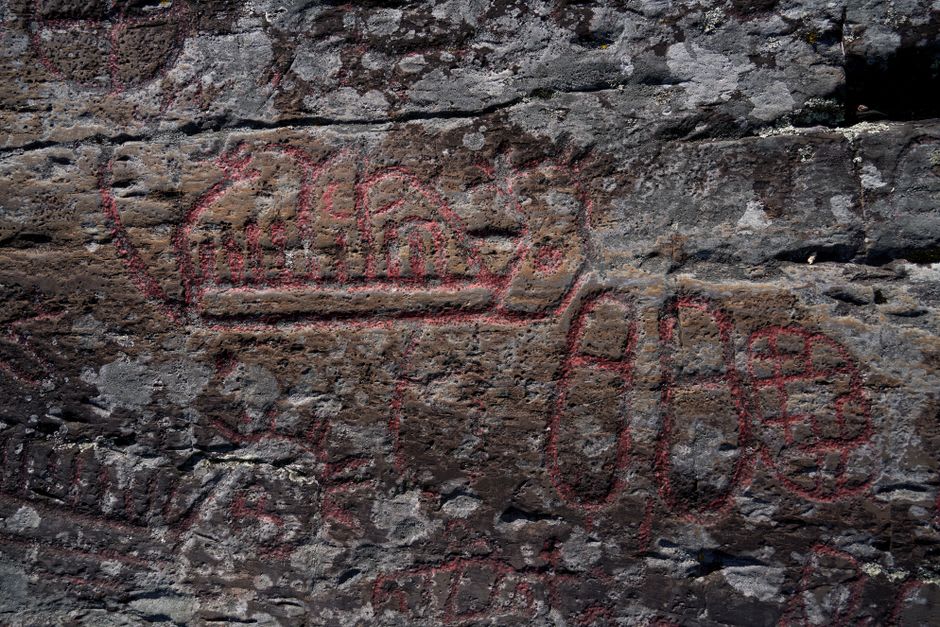
A woman from the village, whose family holds informal custodianship of the site, walked us over and pointed out carvings I’d have missed entirely without her — a set of faint lines low on a boulder that she said represented a fishing net, and a spiral motif repeated across three separate rock faces that she believed marked some kind of boundary or gathering point, though she was equally clear that this was inherited belief rather than documented fact. She asked for a small donation toward the village school in place of a formal entry fee, which felt like exactly the right scale of transaction for a site this quiet.
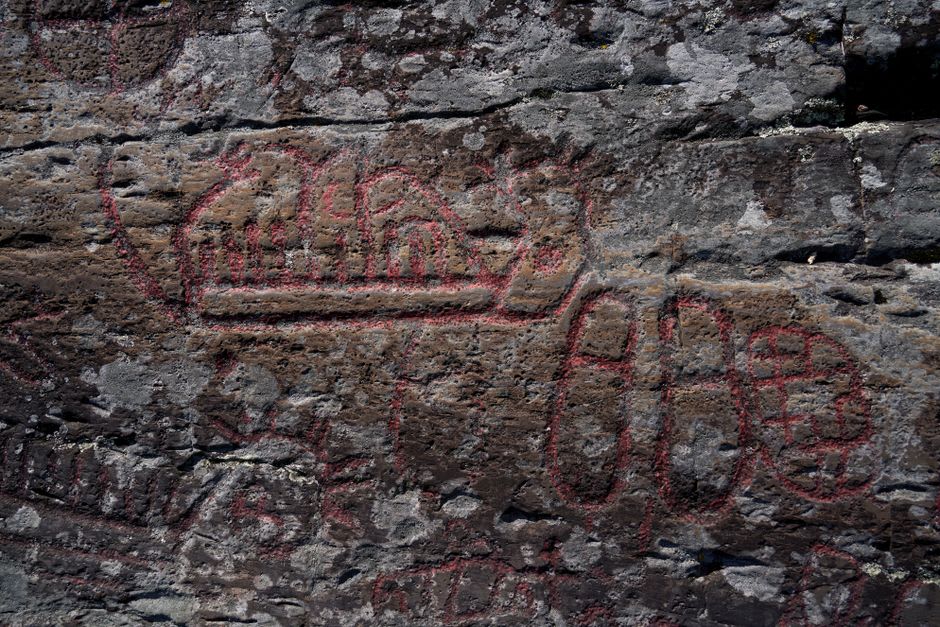
We sat at the site for a while after she’d finished explaining, in the kind of total quiet that only exists at the end of a very long, very bad road, and I found myself more moved by the not-knowing than I would have been by a confident placard. Some places don’t need to be solved to be worth the drive.
When to go: The unsealed road around Natewa Bay is rough in any season but becomes genuinely difficult after heavy rain, so aim for the dry months between May and October and arrange a 4WD and local driver from Savusavu rather than attempting the road solo.
Keep exploring
More from Fiji
 fiji
fiji Denarau Island
A man-made resort island off Nadi where manicured golf greens and a marina full of catamarans sit in careful, air-conditioned contrast to the rest of Fiji.
Explore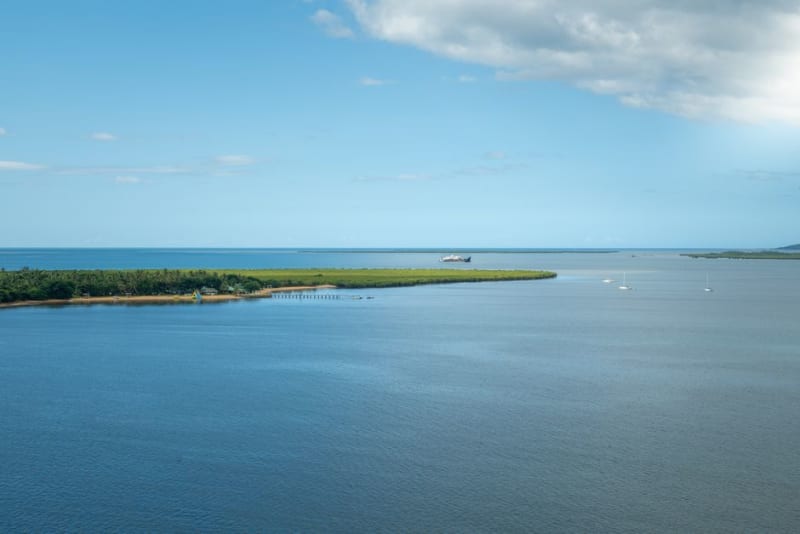 fiji
fiji Deuba
The unglamorous beach strip next door to Pacific Harbour, where backpacker resorts and a long grey-sand shoreline make for the most relaxed few days we had in Fiji.
Explore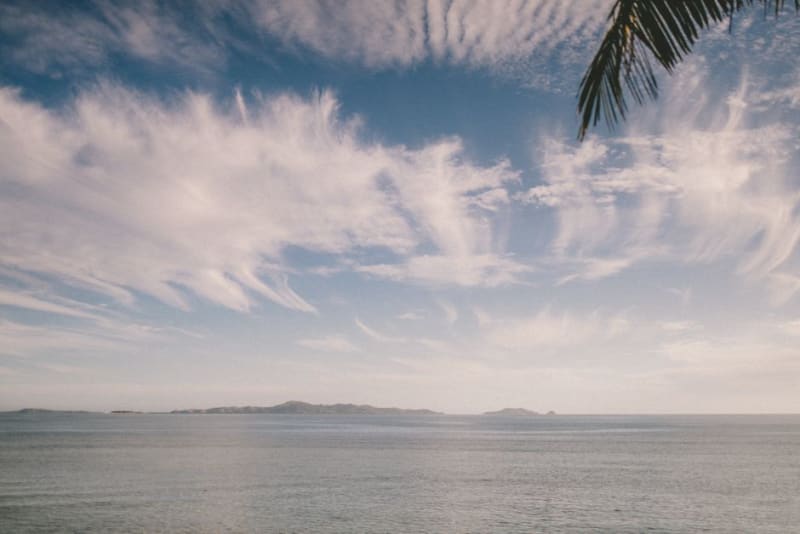 fiji
fiji Dravuni Island
A speck of sand and green hill at the northern tip of the Great Astrolabe Reef, best known as a cruise ship anchorage that empties out completely by four in the afternoon.
Explore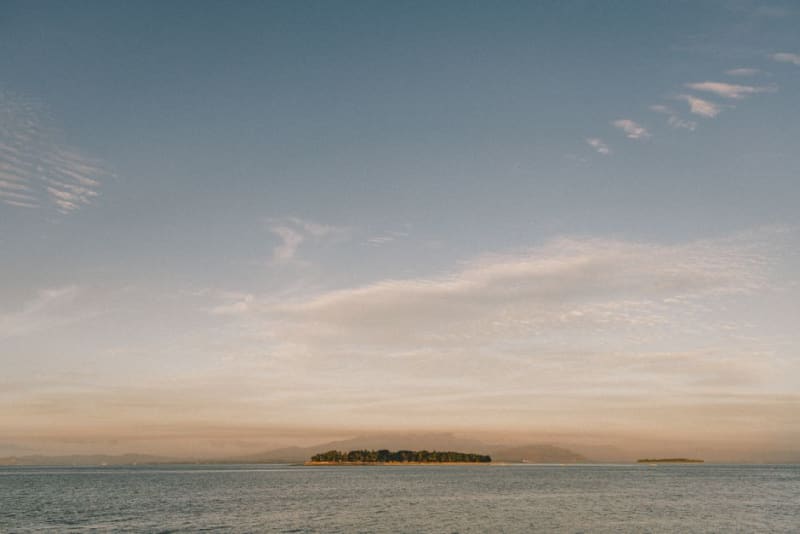 fiji
fiji Drawaqa Island
A small, largely uninhabited island whose entire reputation rests on a narrow channel where manta rays feed for half the year.
Explore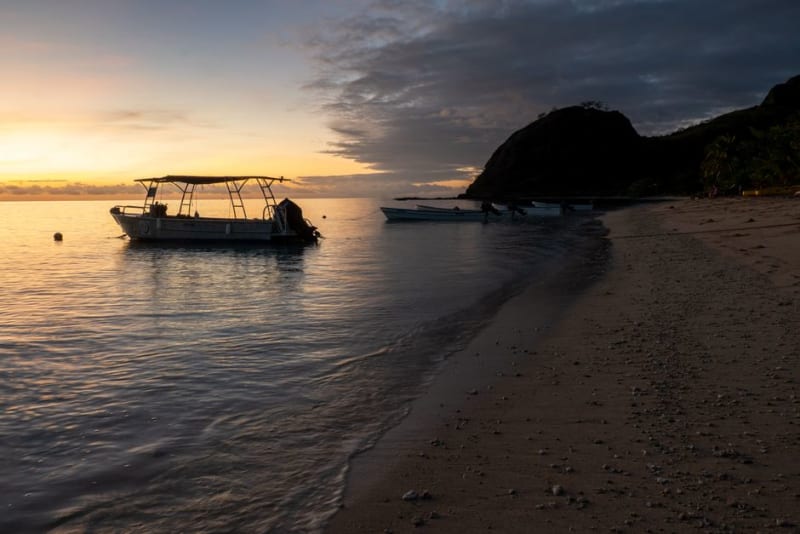 fiji
fiji Frigate Passage
A serious offshore reef break south of Pacific Harbour where a strong left barrels over shallow coral and the boat ride out is half the experience.
Explore fiji
fiji Galoa Harbour
A working fishing harbour south of Pacific Harbour where the boats to Beqa and Yanuca actually leave from, and the morning fish market runs on its own unhurried clock.
Explore