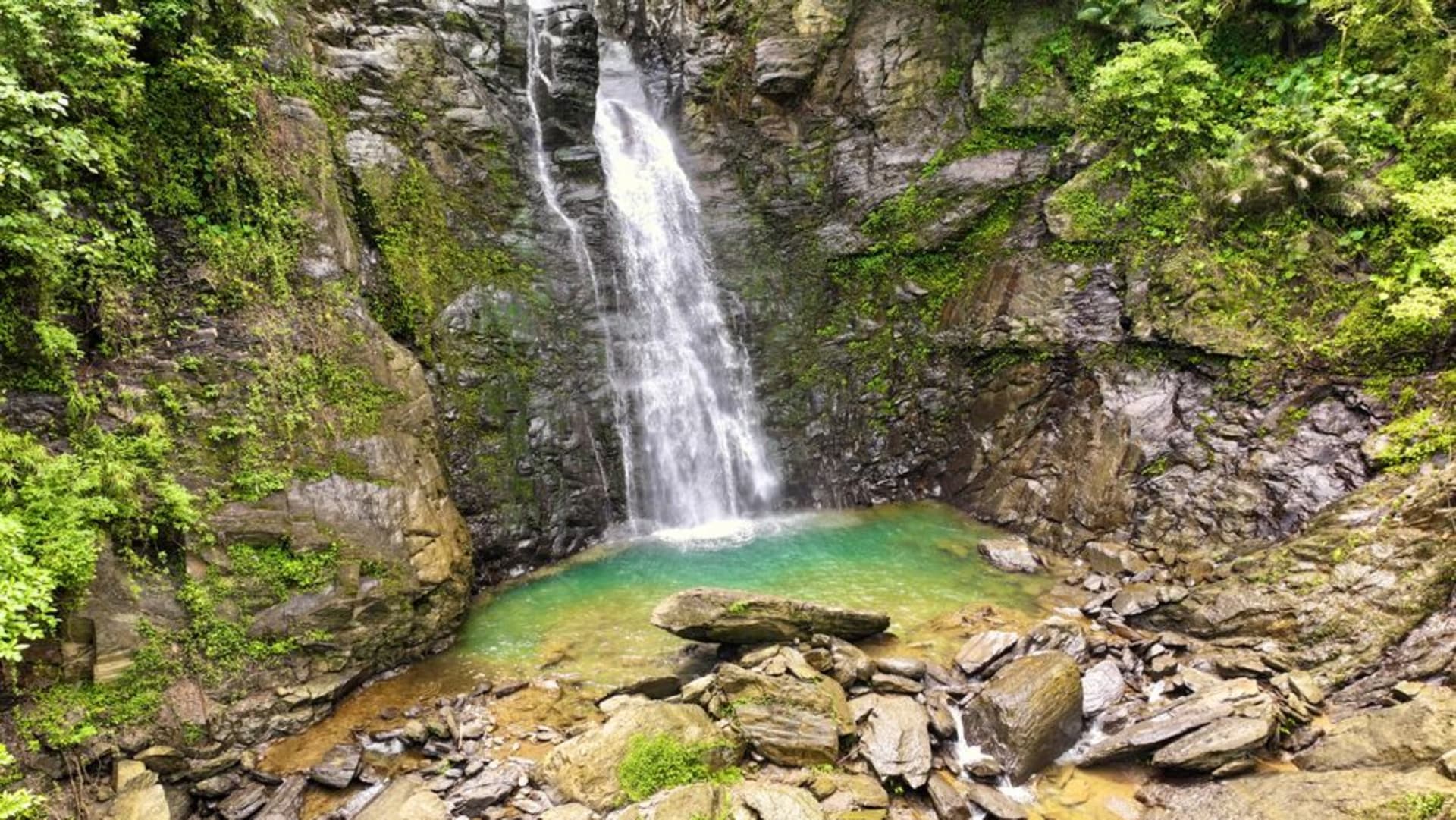
Biausevu Waterfall
"The chief drank first, then passed the bowl to me, and only after that did anyone mention the waterfall at all."
A jungle waterfall behind a traditional village on the Coral Coast, reached on foot and preceded by a kava ceremony you don't get to skip.
Getting to Biausevu Waterfall means going through Biausevu village first, and that order of operations is the entire point. The falls are on land the village has stewarded for generations, and visiting requires a sevusevu — the formal presentation of kava root to the chief, asking permission to enter — before anyone leads you up the trail. Our guide, a young man named Josaia who’d clearly done this walk hundreds of times, still treated the ceremony with unhurried seriousness, sitting cross-legged with the village elders while the kava was mixed and passed, murmuring the ritual claps at the right moments and waiting for us to follow his lead rather than explaining it as choreography.
The walk itself takes about twenty minutes along a well-trodden path through garden plots and secondary forest, crossing the same stream three or four times on stepping stones, with Josaia naming plants as we passed — noni fruit, wild ginger, a vine used for traditional rope. The falls appear suddenly at a bend in the trail, a single drop of maybe twenty meters into a wide pool ringed by boulders and overhanging vegetation, cooler and darker than anywhere else on the Coral Coast because the canopy closes overhead almost completely near the pool.
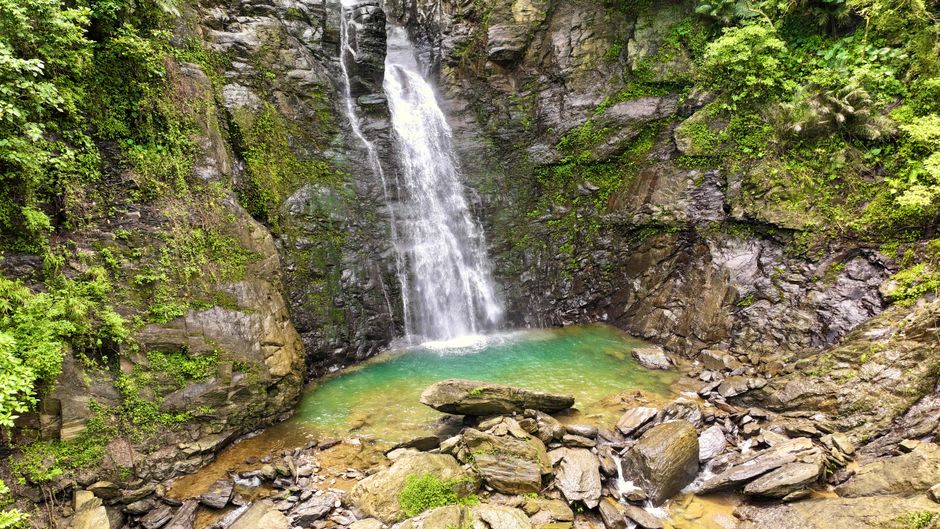
We swam for the better part of an hour, mostly alone apart from two village kids who used the falls as their personal diving platform with a casualness that made our careful entry look absurd by comparison. Lia got talked into standing under the main cascade by one of the boys, who assured her it wasn’t as strong as it looked from the pool — it was, in fact, exactly as strong as it looked, and she came out laughing and slightly winded. Josaia sat on a rock working through a coconut with a machete and told us the falls had never run dry in his lifetime, even through the driest years, which the village takes as a small proof that they’re doing right by the land.
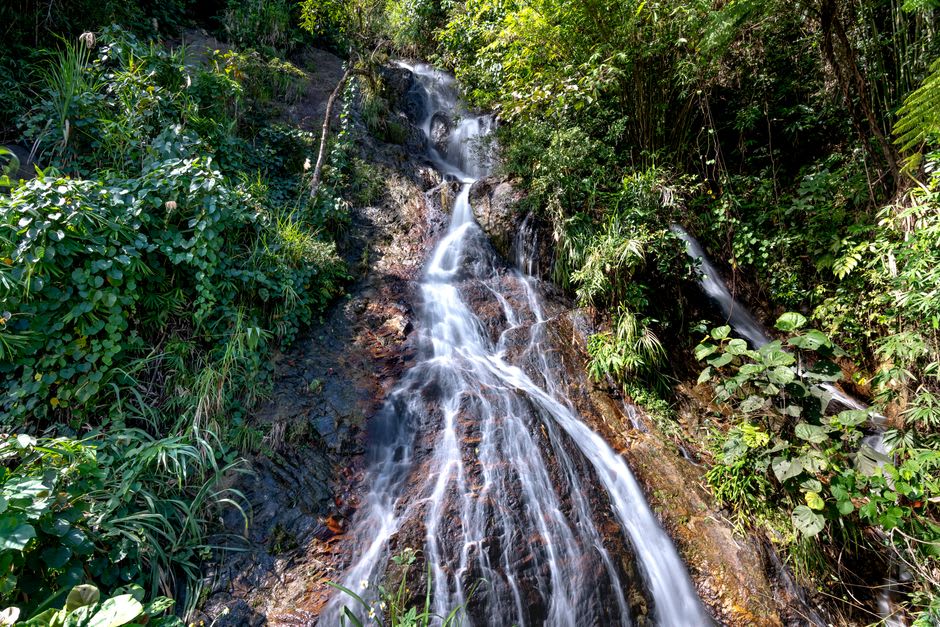
When to go: Year-round, though the trail can get slick and the falls run heavier and browner during the November–April wet season. Arrange the visit through a Coral Coast tour operator or directly with the village rather than showing up unannounced — the sevusevu isn’t optional.
Keep exploring
More from Fiji
 fiji
fiji Bounty Island
A small, laid-back island south of the main Mamanuca cluster with a genuinely spectacular fringing reef and none of the day-tripper traffic of its northern neighbours.
Explore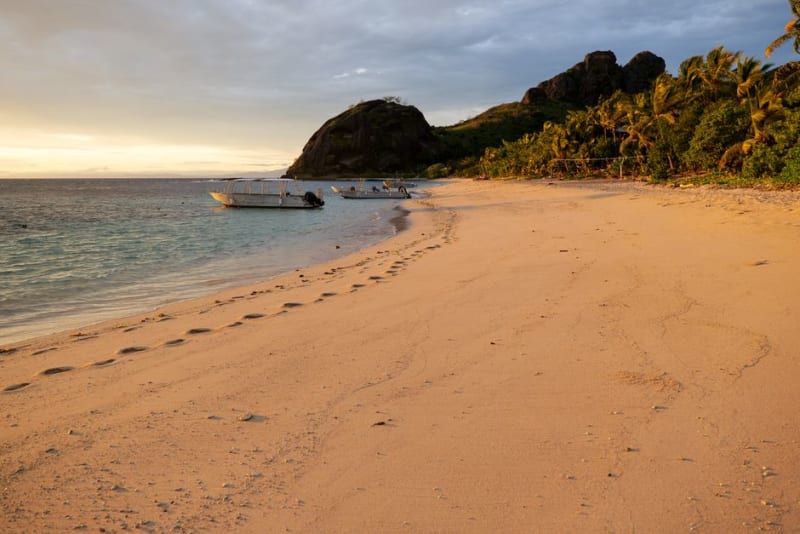 fiji
fiji Caqalai Island
A speck of coral sand and coconut palms off Ovalau that you can walk around in fifteen minutes, run by one family and almost nobody else.
Explore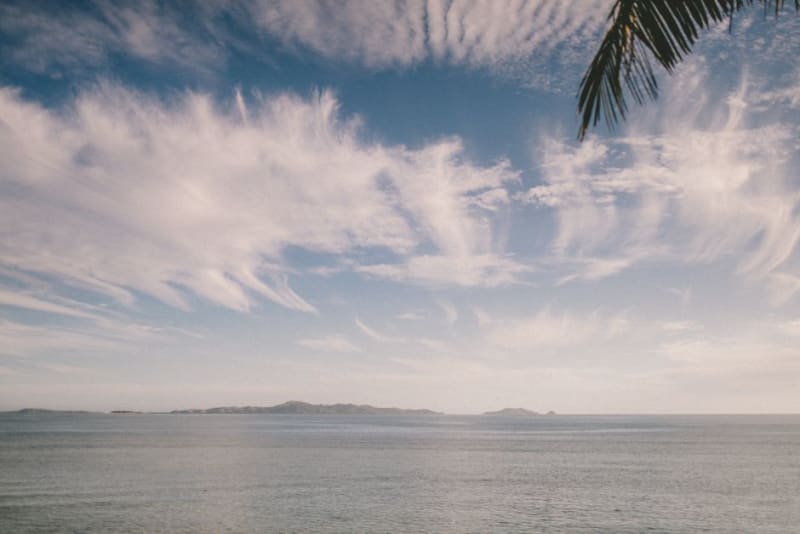 fiji
fiji Castaway Island
A privately run resort island off Malolo where the beach wraps almost the entire circumference and the sunset over the reef pass is the best-attended free show in the Mamanucas.
Explore fiji
fiji Colo-i-Suva Forest Park
A cool, misty rainforest reserve fifteen minutes from Suva, where mahogany canopies, waterfall pools, and hiking trails reset your sense of what a capital city's backyard can be.
Explore fiji
fiji Coral Coast
The southern shore of Viti Levu where ancient sand dunes, a wild reef at low tide, and the slowest sunsets in the Pacific reward those who stay longer than a day trip.
Explore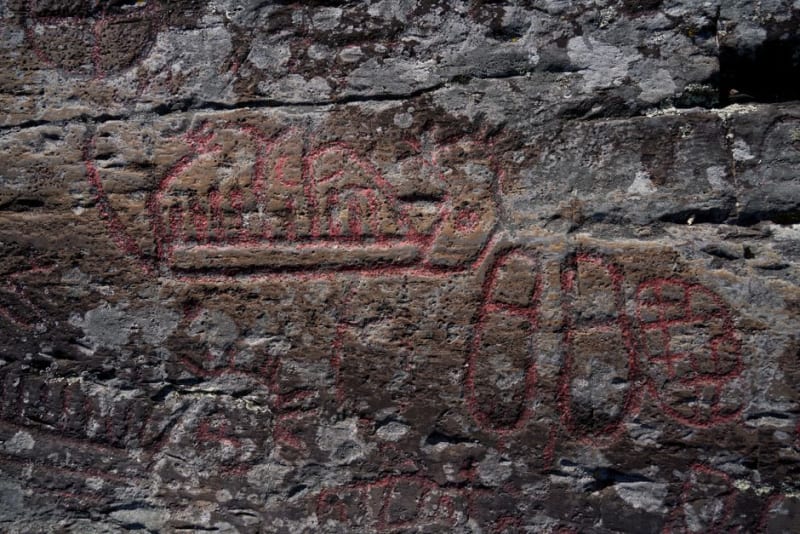 fiji
fiji Dakuniba Petroglyphs
A cluster of ancient rock carvings on Vanua Levu's remote Natewa Peninsula, unexplained, undated, and visited by almost no one.
Explore