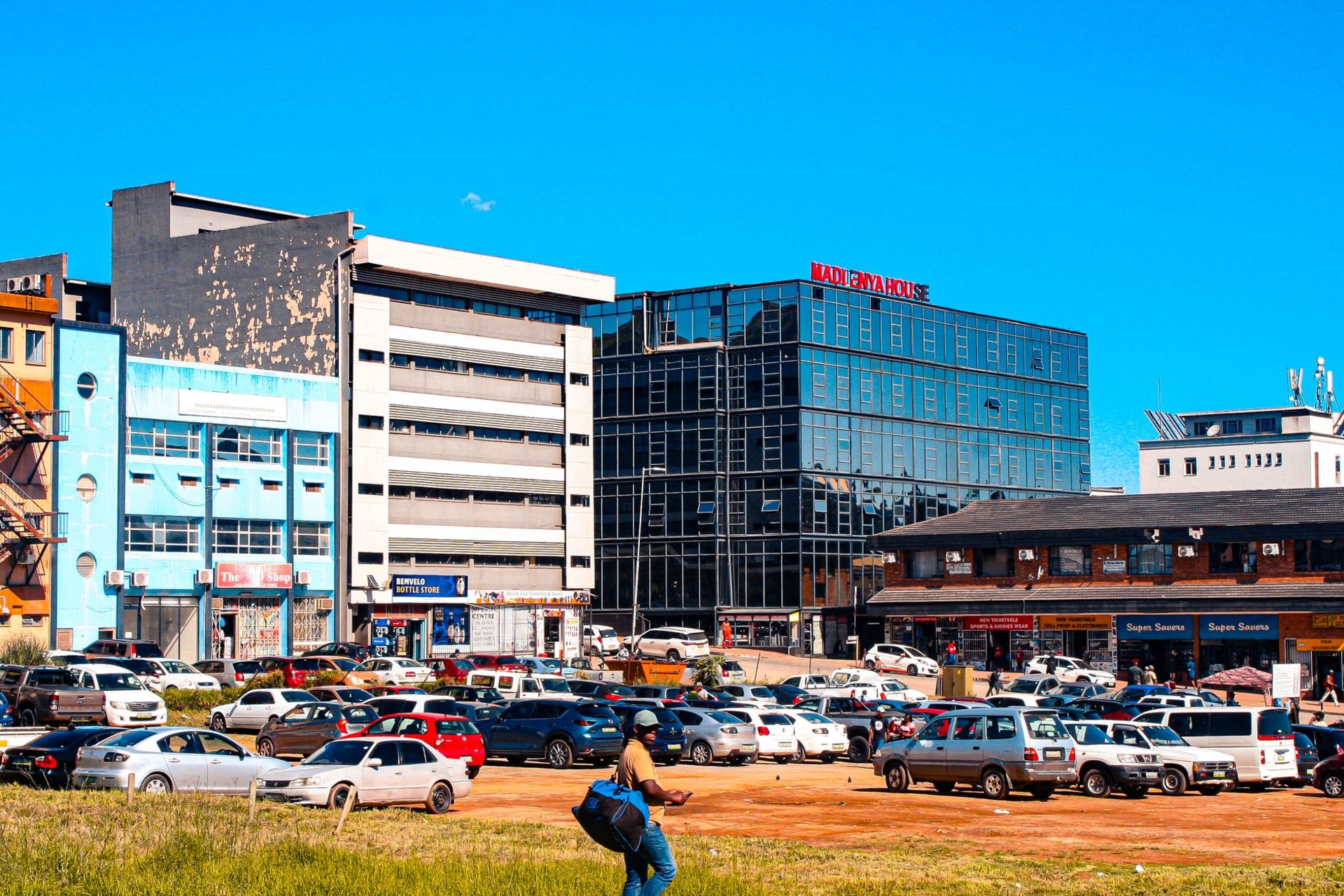
Manzini
"I felt like an unremarkable presence in the best possible way — which is exactly what you want from a market city."
The market in Manzini is not a tourist market. That sounds like an obvious thing to say, but it matters: there is no performance here, no adjustment of prices or rhythms for external consumption. When I arrived on a Thursday morning, the whole structure was already in full noise — the shouts of sellers calling out specials on dried fish, the dense visual chaos of cloth bales stacked against produce stalls, the smell of fresh coriander and overripe banana and something deep and fermented coming from the back section where the traditional medicine vendors work. I had come to look and instead found myself simply absorbed.
Manzini sits an hour south of Mbabane and the distinction between them is immediate and felt. Where the capital has the unhurried tempo of government, the commercial hub moves with purpose. Minibuses push through the central streets with the horn-forward assertiveness common to every mid-sized African city I’ve moved through, and the pavements are thick with people doing the actual business of daily life — buying, negotiating, carrying. I ate lunch at a plastic table between two men debating the weekend’s football, served a plate of grilled chicken with pap and a thin piri piri sauce that arrived without my asking for it. It was exactly what lunch should be.

The textile section of the market deserves time. Bolts of Swazi printed fabric — bright geometrics, earth-toned and indigo stripes — are stacked in columns that require you to pull and unroll to see what you want. The women who run these stalls have the particular patience of people who know the quality of what they’re selling and don’t need to push. I bought two meters of a deep red print for reasons I couldn’t entirely articulate, carried it for weeks, and eventually had a shirt made from it in Mexico City. The transaction was worth the eventual tailoring.
Beyond the market, Manzini has a working city texture that I find more interesting than curated prettiness. The colonial-era buildings along some of the central streets are half-absorbed by newer concrete shopfronts, the old and recent palimpsested together without any particular heritage management. A few small restaurants along the main commercial strip serve Swazi cooking at prices aimed squarely at office workers and market traders, not at travelers with accommodation budgets.

Friday afternoons bring a different energy — the week winding toward weekend, the market thinning but the bars and takeaway spots filling up, a particular quality of release in the city’s body language that I’ve noticed in working cities everywhere. It is a good time to be present and moving slowly through it.
When to go: The market runs year-round and is worth visiting in any season. Saturday mornings are the busiest and most chaotic — which is either a reason to come then or to avoid it, depending entirely on your temperament. May weekends sometimes catch Manzini visitors en route to or from the Bushfire festival in the Malkerns Valley.