Malkerns Valley
"The Bushfire festival happens here once a year. Everything else it does is justification for the other eleven months."
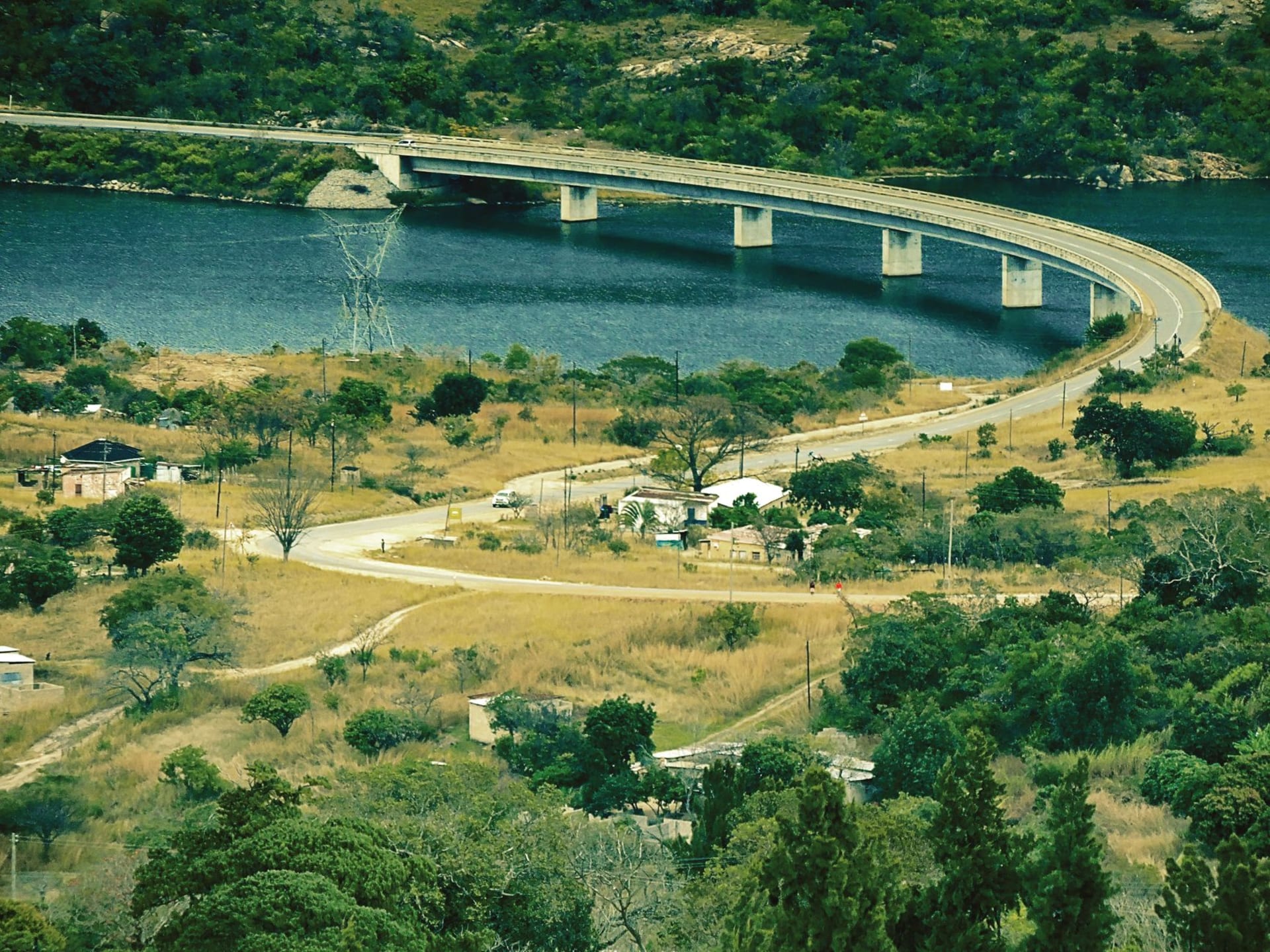
The Malkerns Valley arrives suddenly — a drop off the plateau, the road switching down into a long green corridor of farms and craft studios and roadside fruit stalls. The first thing I noticed, driving in from Mbabane in the late afternoon, was the quality of the light: lower altitude, warmer, the sugarcane and pineapple fields catching a gold that the Highveld never quite manages. The second thing I noticed was the smell of the earth — red laterite and recent rain, something I associate specifically with this kind of highland-to-lowland transition in sub-Saharan Africa. I pulled over at a roadside stall selling fresh pineapples and bought one for almost nothing. The woman who sold it to me cut it with a large knife into immediate slices, and it was one of those pieces of fruit so right in its context that eating it felt like receiving specific information about a place.
The valley is home to Swaziland’s most concentrated craft production — Swazi Candles, the country’s most famous workshop, turns out hand-poured beeswax animals, abstract shapes, and layered colour work in a studio complex you can walk through while production is happening. It is not a factory visit with velvet ropes and commentary. Workers pour and shape at open tables, and the pace is unhurried enough that the craft feels genuinely embedded in daily practice rather than tourism-adjacent performance. The candles themselves are good gifts if you can get them home intact, and I have transported several rolled in socks with mixed results.

But the valley’s defining event is the Bushfire Festival in May, and I want to be specific about why it stands apart from the continental festival circuit. Most African music festivals I’ve attended over the years resolve into one of two modes: internationally curated but culturally thin, or deeply local but inaccessible to outsiders. Bushfire manages neither failure. The lineup moves between Swazi traditional performers and internationally known acts without the jarring genre-jump that usually marks such programming. The stage site itself — in a natural amphitheatre formed by the valley walls — is extraordinary, and the crowd that fills it on Saturday night, a mix of local families, regional visitors, and international travelers, creates something that feels like a genuine community occasion rather than a commercial one. I danced at a distance from the main stage while an elderly Swazi woman beside me sang along to every word of a set I’d never heard before and will spend years trying to trace.
Beyond May, the valley is quieter — craft stops, small restaurants, fruit stalls operating on agricultural rhythms that have nothing to do with tourist seasonality. There is a walking trail along the valley floor that follows the Little Usutu River through farms and indigenous forest, largely unmarked and largely empty.

When to go: May for the Bushfire festival — book accommodation months in advance, as the entire valley and surrounding areas fill up. Outside May, April and September offer the best combination of green landscape and comfortable temperatures.